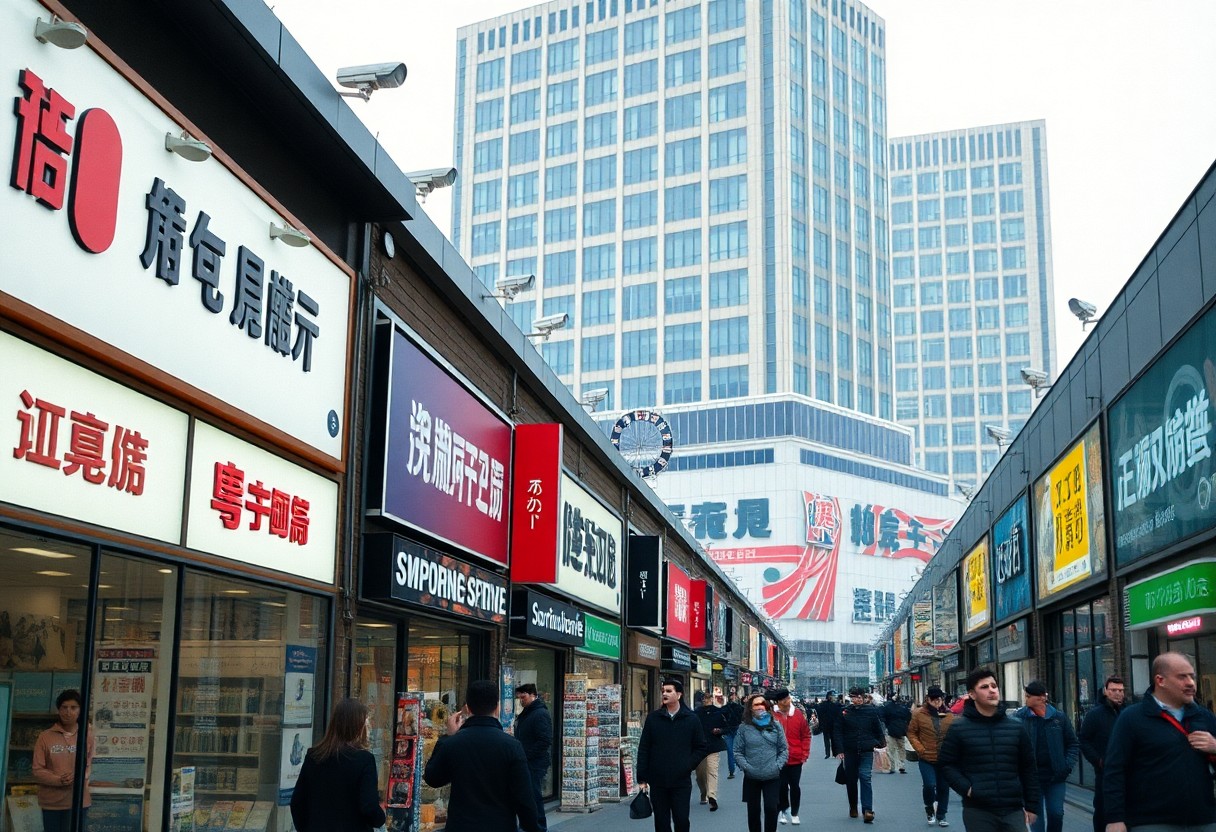
Many consumers are unaware of the extent to which undisclosed corporate chains influence their shopping experiences and local economies. These companies often operate under various brand names, obscuring their true ownership and practices. This lack of transparency can lead to monopolistic behaviors, reduced diversity in products, and questionable labor practices that impact communities. As consumers increasingly seek ethical choices, understanding the hidden corporate structures behind familiar establishments is crucial to making informed decisions. Here, we’ll explore the implications of undisclosed corporate chains and what it means for consumers and local businesses alike.
The Silence Surrounding Corporate Chains
The Mechanics of Undisclosed Ownership
Undisclosed ownership creates a complex web of operational mechanics that often goes unnoticed by consumers. Many businesses operate under multiple layers of subsidiary companies. For example, a well-known fast-food chain might appear to be a singular entity, but in reality, it could be part of a large conglomerate managing several other brands, each masking their parent company’s influence. This kind of structure not only obfuscates ownership, making it difficult for the public to identify who truly profits from their spending, but also allows corporate giants to control the market without scrutiny. Consumers unwittingly support these entities while thinking they are choosing local businesses or smaller chains.
This disconnection from ownership can lead to a lack of accountability, as companies can more easily shift blame or responsibility among different layers of ownership. For example, if a franchise underperforms or faces public backlash for unethical practices, it’s often the local franchise owner who takes the hit. The corporate parent can distance itself from negative publicity, reinforcing a cycle of disengagement between consumers and the businesses they support. Ultimately, this undermines the possibility for informed consumer choice, leaving shoppers unaware of their impact on larger corporate strategies.
The Role of Market Research Firms
Market research firms play a pivotal role in perpetuating the silence surrounding corporate chains. These entities often provide insights that help corporations hide their ownership structures while optimizing their branding and marketing strategies. Firms usually conduct extensive demographic studies to determine how to best appeal to consumers, frequently recommending tactics that leverage a perceived image of authenticity reminiscent of local businesses despite actual ownership being deeply embedded in a corporate hierarchy. This manipulation can reinforce consumer loyalty towards brands that disguise their true nature.
By assisting companies in creating misleading narratives about their origins and values, market research firms become facilitators of a greater issue. This not only impacts smaller, local businesses that operate transparently but also alters consumer perceptions about what constitutes ethical consumption. The average shopper, believing they are supporting a small, community-oriented establishment, unknowingly fuels a market that prioritizes profit over principles. As companies increasingly rely on these insights, the facade of authenticity continues to flourish, keeping consumers in the dark about the true dynamics at play.
Unmasking the Owners: The Lack of Transparency
Who’s Really Behind the Curtain?
The veil of anonymity enveloping many corporate chains not only breeds mistrust but also fosters an environment ripe for exploitation. Entities can operate without accountability, making it hard for consumers to discern the ethical implications of their choices. For instance, a recent investigation revealed that numerous fast-food outlets, often labeled as “local favorites,” are, in reality, subsidiaries of larger, multinational conglomerates. These groups can profit from the local goodwill while simultaneously exploiting their labor forces and undermining community businesses. Transparency about ownership would bring to light the disconnect between marketing narratives and corporate realities, shaping a more informed consumer base.
A study conducted by the Consumer Federation of America highlighted that 78% of shoppers prefer to support businesses that are open about their ownership and sourcing practices. However, the lack of clear ownership structures complicates this decision-making process. Consumers find themselves unknowingly contributing to systems that prioritize profit over community welfare, allowing corporations to hide behind identities that promote a façade of individualism and localism when, in fact, they belong to vast, impersonal entities.
The Impact of Anonymous Investments
Anonymous investments in corporate chains exacerbate the risk of unethical business practices, as they shield financial backers from scrutiny. For example, venture capitalists may thrive on the operational flexibility offered by anonymity, enabling them to fund businesses without facing public backlash over labor practices or environmental impacts. A case that gained notoriety involved a chain of convenience stores whose parent company was discovered to have ties to offshore funds notorious for tax avoidance. Such discoveries typically arise only after a tipping point, further emphasizing the need for transparency in ownership structures.
Investment secrecy can also hinder consumers’ abilities to make informed choices. In a marketplace saturated with competition, shoppers increasingly advocate for ethical sourcing and corporate responsibility. When owners remain shrouded in anonymity, major ethical dilemmas remain unaddressed. Furthermore, local economies suffer as communities lose their ability to support businesses whose values align with their own. With clear ownership disclosure, consumers could support businesses that reflect their principles, driving demand for ethical practices in corporate environments.
Economic Implications of Undisclosed Corporate Chains
Pricing Strategies: The Hidden Costs
Pricing strategies employed by undisclosed corporate chains often lead to misalignment with market realities, resulting in higher prices for consumers. The lack of transparency surrounding ownership can obscure pricing tactics that prioritize profit margins over fair competition. These chains may employ predatory pricing in initial phases to eliminate local competition, followed by price hikes that leave consumers with fewer, more expensive options. Furthermore, without disclosure of ownership, it’s challenging for consumers to discern whether these fluctuations are driven by market conditions or orchestrated corporate strategies aimed at maximizing shareholder returns.
This scenario not only impacts immediate consumer choices but influences long-term economic health. Local producers struggle against these entrenched corporate behemoths, leading to a reduction in the diversity of goods and services available. Research indicated that areas dominated by undisclosed corporate chains often experience a more pronounced rise in living costs, as prices assimilate to corporate benchmarks rather than community rates. This hidden layer of economics creates a fragile ecosystem where consumers pay the price for a lack of transparency.
Market Competition: Monopolies in Disguise
The prevalence of undisclosed corporate chains poses a significant threat to market competition, allowing these entities to operate with monopolistic tendencies while masquerading as local businesses. These chains often manipulate local markets by consolidating purchasing power, driving costs down at the expense of smaller competitors who lack the same resources. As a result, vibrant local economies gradually become reliant on a few powerful players, stifling innovation and variety.
When smaller businesses close their doors, the ripple effect can devastate local economies. A study conducted by the Institute for Local Self-Reliance found that independent businesses recirculate a significant portion of their revenue back into the local economy, generating community wealth. In contrast, undisclosed corporate chains remit a disproportionate amount of their profits away from local communities, redirecting resources that could otherwise bolster regional economic vitality. As market landscapes shift toward these hidden giants, the illusion of choice diminishes, creating an environment where consumers unwittingly contribute to their own economic limitations.
Consumer Trust in the Age of Corporate Secrecy
Brand Loyalty and Its Foundations
Consumers often develop strong attachments to brands that resonate with their values and lifestyle choices. This loyalty is built on a foundation of trust, meaning that consumers are more likely to support businesses that prioritize transparency in their operations and maintain ethical standards. A brand that discloses its sourcing practices and supply chain integrity paves the way for deeper connections with its audience, fostering loyalty over mere transactions. For instance, companies like Patagonia thrive not only due to the quality of their products but also their commitment to environmental responsibility, which strengthens their customer base against competitors.
In contrast, undisclosed corporate chains dilute this sense of loyalty by cultivating skepticism. Brands that hide behind secrecy often raise red flags for consumers who prefer transparency. Research shows that 60% of consumers say they would switch to a competitor if they found out that their preferred brand was concealing damaging information or misrepresenting their practices. This shift highlights the delicate relationship between brand perception and consumer advocacy, underscoring the necessity for businesses to engage openly with their customers.
The Erosion of Trust: What Consumers Don’t Know
Secrets in corporate structures breed suspicion, leaving consumers to wonder about the ethical practices behind their favorite brands. When consumers cannot trace the lineage of their purchases—whether it’s about fair labor practices or environmentally-friendly materials—they grapple with uncertainty. This unknown often translates to anxiety; consumers want assurance that they are not indirectly supporting exploitative practices or products detrimental to the environment. Large corporate chains, by keeping their inner workings shrouded in mystery, might unwittingly encourage a backlash as customers start to question their integrity.
The disconnection from the corporate model leads to troubling repercussions for businesses that fail to cultivate an environment of transparency. A survey conducted by the Corporate Social Responsibility Institute found that 72% of consumers expressed concern over the ambiguous origins of products they purchased, indicating a growing skepticism towards brands that operate without clear communication. Significant gaps in information permit unfounded assumptions about the ethics of business practices, leaving companies vulnerable to public relations crises or, worse, brand boycotts motivated by perceived betrayal.
The Legal Landscape: Current Regulations and Loopholes
Corporate Disclosure Requirements
The framework for corporate disclosure in the United States is governed by the Securities Exchange Act, which mandates public disclosure for publicly traded companies. These companies are required to provide detailed information about their operations, including the nature of their business activities, financial condition, and risks associated with their corporate practices. However, many privately held corporations and certain subsidiaries exploit gaps within these regulations. For instance, smaller operations under larger corporate umbrellas may not be required to divulge ownership structures or financial data, leaving consumers unaware of the true nature of the brands they patronize.
Moreover, federal and state-level requirements can differ dramatically, creating inconsistencies that further obscure ownership information. While some states have rigorous laws enforcing transparency in business operations, others maintain a more lenient approach, allowing companies to operate without full disclosure of their affiliations. This patchwork of regulations adds to the confusion and enables undisclosed corporate chains to continue flourishing, often at the expense of consumer knowledge.
Gaps in Regulation: What’s Missing?
Current regulations fail to address the nuances of corporate ownership adequately, leaving ample space for loopholes that enable undisclosed corporate chains to thrive. Key provisions that demand transparency often omit certain business structures or associations, thereby excluding numerous operations from the disclosure requirements. For example, franchises may not always be required to report details about their parent companies, shielding them from accountability while operating under a familiar brand name. As a result, consumers can be misled into supporting businesses that do not align with their values or expectations.
In addition, the lack of uniform standards across states leads to a patchwork regulatory environment that further complicates consumer understanding of corporate practices. Some organizations may aggressively lobby to maintain the status quo, arguing that complex ownership structures protect competitive interests and proprietary information. Yet this obfuscation often contradicts the growing consumer demands for transparency and ethical business practices. Furthermore, as public awareness of corporate secrecy increases, calls for comprehensive regulatory reforms are likely to play a critical role in reshaping the landscape of corporate disclosure.
The Problem With Undisclosed Corporate Chains
The Corporate Responsibility Argument
Profit often takes precedence over ethical considerations within the corporate realm. Companies focus on cost-cutting measures and efficiencies that can adversely affect local economies and the environment. For instance, companies like McDonald’s have long been criticized for their role in contributing to unsustainable agricultural practices and the displacement of local businesses. By opting for cheaper sourcing strategies that rely on industrial agricultural practices, these corporations prioritize profits over the ethical implications of their supply chain choices, often ignoring the consequences faced by communities in the process. Such dynamics illustrate a complex web where shareholders’ interests can clash with broader societal welfare.
The responsibility of a corporation extends beyond mere compliance with the law. It encompasses a moral obligation to foster ethical practices that can impact not just their bottom line, but the greater good as well. A company like Patagonia offers a contrasting model, prioritizing environmental sustainability and community responsibility while still generating profit. This example underscores why consumers are increasingly looking to support businesses that align with their values, signaling a shift that undetermined chains could fail to capitalize on. Companies that skirt transparency may find themselves on the wrong side of a moral reckoning, with consumers demanding accountability and ethical stewardship as part of their purchasing decisions.
Public Perception: Ethics in Business
Consumer behavior is evolving rapidly, with individuals becoming more discerning about the brands they choose to support. This shift can largely be attributed to the rise of social media, which has amplified the voices of activists and consumers alike, making it easier to expose unethical practices. In a 2022 survey, 66% of consumers stated that they would prefer to buy from companies with transparent supply chains, indicating a significant demand for ethical business practices. Brands like Nike, which faced backlash and campaigns highlighting unfair labor practices in the 1990s, illustrate how lack of transparency can lead to serious public relations crises that tarnish reputations for years.
The scrutiny on ethical practices in business has intensified as consumers hold companies accountable for their actions. A study conducted by Cone Communications found that 87% of Americans would purchase a product based on a company’s stance on social or political issues, signifying a strong preference for brands that exhibit corporate social responsibility. Companies that remain undisclosed or unrecognizable can easily miss out on this burgeoning consumer sentiment; as awareness grows, consumer loyalties will flow toward businesses that embrace ethical standards. Transparency emerges as not just a regulatory necessity but an necessary component for long-term brand success and customer loyalty. This changing public perception places substantial pressure on corporations to maintain a proactive stance on ethical accountability in order to retain consumer trust and market share.
The Influence on Local Economies
Job Creation vs. Job Displacement
Large undisclosed corporate chains often tout job creation as a positive impact on local economies. New positions frequently arise, particularly in service sectors, promising opportunities for employment. For instance, a single large retailer can create hundreds of jobs in communities that may have been struggling with high unemployment rates. However, this influx of jobs comes with a significant drawback; local businesses typically bear the brunt of this development. A report from the Institute for Local Self-Reliance highlights that for every $1 million spent at a local independent business, approximately 1.5 jobs are created, while the same amount spent at a chain store supports only 0.5 jobs.
The landscape becomes even more complex when considering the job displacement that occurs when local businesses close their doors in the wake of larger chains moving in. Often, the creation of jobs at a corporate outlet does not compensate for the losses experienced by community businesses. In fact, research shows that when a chain store opens, it tends to lead to a decline in overall employment within the neighborhood, as smaller retailers unable to compete with the lower prices and marketing power of these behemoths fall by the wayside.
Community Investment: The Real Story
Assertions from corporate chains about their commitment to community investment often skew the reality, painting a rosy picture that masks a more complicated truth. While chains may contribute to sponsorships or local events, their end contributions often pale in comparison to the economic drain they cause through profit repatriation. Each year, large retailers siphon away billions from local economies; according to studies, between 40 to 80 percent of the profits generated by these stores are sent out of state or even internationally, significantly reducing the overall economic benefit to the community.
Additionally, investments made by corporate chains often lack the strategic vision that local businesses provide. For example, chain-owned outlets tend to focus on standardized marketing strategies and offerings, rather than tailoring their contributions to the unique needs of the local community. This cookie-cutter approach overlooks the nuanced preferences and requirements of the local demographic, leading to underwhelming engagement from the very community they claim to support. Investing locally in community-centered programs and smaller businesses tends to yield a better return for everyone involved, enhancing the social fabric rather than just the bottom line.
Local businesses bring an authentic understanding of their community’s culture and environment, ultimately driving a more meaningful engagement. When supporting independent businesses, it then becomes possible to ensure that investments are targeted and responsive to community needs, fostering growth from within and leading to a healthier economic ecosystem.
The Role of Social Media: Combatting Secrecy
Transparency Through Digital Platforms
Social media has emerged as a vital tool for promoting transparency in the corporate world. Platforms like Twitter, Facebook, and Instagram allow consumers to share their experiences and opinions about various businesses instantly. This immediacy cultivates a digital environment where undisclosed corporate chains can be called out for lack of transparency. For instance, numerous viral posts on Twitter and TikTok have exposed chains masquerading under misleading names or hidden ownership structures, compelling these entities to confront public scrutiny head-on. A survey by Sprout Social indicates that 66% of consumers expect brands to be transparent about their business practices, demonstrating how social media serves as a powerful lever for consumer demand for authenticity.
Brands now find themselves under a microscope as user-generated content proliferates online. The case of a popular fast-food chain, once revealed to be an undisclosed subsidiary of a larger corporation, showcased how a single tweet can ignite widespread discussion. Forums like Reddit also provide a platform for customers to share “behind-the-scenes” insights and experiences, forcing companies to respond more openly about their practices. This digital transparency fosters consumer trust while providing a forum for informed choices, pushing brands to reconsider their concealment strategies.
Amplifying Consumer Voices
Through social media, consumers possess a louder collective voice, making it more challenging for corporations to evade accountability. The amplification effect of shared posts or hashtags mobilizes users around issues of undisclosed corporate practices, drawing further attention to the need for transparency. For instance, campaigns such as #WhoOwnsThisPlace have successfully pressured businesses to disclose ownership information, using the collective power of social media to hold corporations accountable. The outrage over unclear sourcing or hidden acquisitions is magnified, placing pressure on the companies to take a stance and clarify their operations.
A pivotal element in the conversation around undisclosed corporate chains has been the role of digital influencers. Many influencers prioritize ethical consumption and transparency, and their platforms allow them to spotlight businesses that operate under a shroud of secrecy. A significant impact was witnessed when an influencer teamed up with advocacy groups to create a campaign focusing on unveiling corporate structures. This not only educated consumers but also pressured brands to adapt their practices, illustrating the profound effects of influencer transparency initiatives.
Case for Change: Advocating for Radical Transparency
Building Support for New Policies
Engaging stakeholders is vital to driving the adoption of policies promoting transparency among corporate chains. Grassroots movements, local businesses, and consumer advocacy groups can form coalitions to push for change, highlighting the economic, social, and environmental impacts of undisclosed corporate relations. These groups can present case studies illustrating how local businesses have suffered from unfair competition and lack of accountability, fostering a sense of urgency around the need for reform. By rallying community support and raising awareness through campaigns, workshops, and social media, stakeholders can create a groundswell of demand for more stringent disclosure requirements.
Furthermore, building relationships with local lawmakers can amplify these grassroots efforts. Elected officials who understand the negative implications of undisclosed corporate entities may be inclined to champion legislation that mandates transparency. Lobbying efforts should provide concrete examples and data on how such policies can lead to decreased market manipulation and fairer business practices. Engaging with these policymakers can open the door to collaborative solutions that not only protect consumers but also promote a more equitable business environment.
The Potential Benefits of Disclosure
The adoption of radical transparency in the corporate sphere presents numerous benefits, ranging from enhanced consumer trust to improved market dynamics. Companies that voluntarily disclose their relationships and supply chains are better positioned to build brand loyalty, as consumers are increasingly favoring transparency and ethical practices. For instance, a 2021 survey revealed that over 70% of consumers would be willing to pay a premium for products from companies demonstrating high levels of transparency. As cumbersome as this may seem for big corporations, such shifts can ultimately lead to greater profitability in the long run.
Moreover, increased transparency can give smaller businesses a fighting chance against larger corporate chains. By making supply chains visible, it becomes easier for consumers to make informed choices and support local economy initiatives. Additionally, disclosures can help combat deceptive practices, resulting in a more competitive marketplace where businesses are held accountable for their actions. Such accountability can deter unethical behaviors, foster innovation, and nurture partnerships focused on sustainability and ethical sourcing.
The broader implications of this shift toward transparency extend into corporate social responsibility (CSR). Firms that prioritize transparency are often seen as leaders in their industries, leading to enhanced reputations and stronger stakeholder relationships. As consumers become more educated about the products they buy and the corporations behind them, relentless demands for accountability are likely to reshape the marketplace into a more equitable, sustainable environment where ethical practices can thrive.
Global Perspectives: How Other Countries Handle Corporate Secrecy
Case Studies from Europe
In Europe, varying levels of corporate transparency exemplify how different laws and cultural attitudes towards corporate secrecy can significantly impact stakeholder awareness. For example, Scandinavian countries such as Sweden and Norway boast some of the highest transparency ratings globally. In Sweden, all businesses are required to file financial reports accessible to the public, allowing for greater accountability. Norway follows suit, where corporate ownership structures must be disclosed, leading to an environment of heightened investor trust. In contrast, the UK has faced criticism regarding its approach to corporate registrations, particularly with the notorious loopholes in offshore company registrations permitting anonymity for owners and stakeholders.
- Sweden: 90% of companies publish annual financial statements for public scrutiny.
- Norway: 85% of businesses have transparent ownership structures, fostering investor confidence.
- UK: 55% of registered companies use offshore tax havens, highlighting weaknesses in transparency laws.
- Germany: The corporate transparency initiative mandates disclosure of business ownership in listed companies, with 95% compliance among top firms.
- France: The new PACTE law enhances transparency, requiring 20,000 firms to reveal beneficial ownership by 2024.
France’s recent reforms serve as another significant example where legislators have pushed for increased transparency. As stated in a 2022 report, the PACTE law seeks to make it mandatory for around 20,000 firms to disclose their beneficial ownership by 2024. This initiative is fueled by the need to prevent money laundering and tax evasion, particularly in the wake of scandals that have exposed the risks associated with undisclosed ownership. These collective measures illustrate a European trend towards increased corporate transparency and accountability.
Lessons from Australia and Asia
Australia’s approach to corporate transparency offers valuable insights into combating undisclosed corporate chains. The Australian Securities and Investments Commission (ASIC) enforces stringent requirements for public companies to disclose substantial ownership stakes, enabling stakeholders to ascertain the true identity of significant investors. Additionally, the Australian government has initiated the beneficial ownership register, which mandates transparency over who controls companies, fortifying the integrity of corporate governance.
Meanwhile, in Asia, nations such as Singapore and Japan have adopted innovative legal frameworks addressing corporate secrecy. Singapore’s Accounting and Corporate Regulatory Authority (ACRA) has implemented rigorous measures that require corporations to maintain accurate registers of their beneficial owners. In Japan, recent revisions to the Companies Act have enhanced measures regarding corporate governance, ensuring better disclosure practices for public companies. These lessons from Australia and Asia demonstrate that robust regulatory frameworks, paired with an emphasis on transparency, can significantly mitigate the issues associated with undisclosed corporate chains and foster a culture of accountability.
Navigating the Future: Implications for Stakeholders
Business Leaders’ Responsibilities
Business leaders are faced with a significant ethical challenge regarding transparency within the corporate structure. They must prioritize open communication about the origins of their products and the entities behind them. Leading by example means embracing a culture that advocates for disclosure, moving beyond mere compliance with legal requirements. For instance, some companies have begun implementing supply chain transparency initiatives, creating a roadmap for others in the industry to follow. Unveiling partnerships and ownership structures can not only build consumer trust but also set a precedent for ethical business practices.
Additionally, this shift towards transparency can have lasting impacts on business performance. Research has shown that companies who actively disclose their supply chains and corporate affiliations see an increase in customer loyalty and brand reputation. By integrating transparency into their core strategy, business leaders can transform potential adversities into opportunities, garnering wider support from stakeholders. The key lies in creating an environment where ethical considerations become a centerpiece of the business model rather than an afterthought.
The Role of Consumers in Driving Change
Consumers hold tremendous power in influencing corporate behavior. Their preferences and buying decisions can catalyze businesses to adopt more transparent practices. A rising tide of awareness has led to a demand for ethical consumption, with reports indicating that nearly 70% of consumers are willing to pay more for products from brands that are transparent about their supply chains. This growing trend emphasizes the fact that businesses can no longer ignore the public’s desire for clarity in corporate practices.
The ability of consumers to mobilize around issues of transparency has been evident in recent campaigns against corporations with undisclosed ownership structures or unethical practices. Social media platforms have amplified voices seeking accountability, turning consumer pressure into a formidable force. This environment encourages businesses to adopt proactive measures, not just to appease customers but to maintain their competitive edge in the market. As consumers become more educated and socially conscious, their role as advocates for radical transparency will only increase.
The Power of Consumer Advocacy: Driving Accountability
Grassroots Movements Challenging Corporate Secrecy
The rise of grassroots movements has fundamentally altered the landscape of consumer advocacy, empowering ordinary citizens to challenge corporate practices that prioritize profits over transparency. Organizations such as the Food Revolution Network and the Consumer Federation of America have spearheaded campaigns aimed at unveiling the identities behind corporate chains and the often-hidden practices that dictate their operations. By mobilizing communities through social media campaigns and local events, they have effectively raised awareness about the need for transparency, promoting informed consumer choices that hold companies accountable.
These movements have proven successful in various instances, such as the push for labeling genetically modified organisms (GMOs) in food products. Activists rallied consumers to demand transparency from large food corporations, creating a ripple effect that has led many brands to modify their labeling practices to align with consumer demand for clarity—illustrating that corporate secrecy can be challenged through collective action.
Leveraging Community Action for Transparency
Community action plays a pivotal role in the pursuit of corporate accountability. Local organizations often bring individuals together to share their experiences and harness their collective power. For instance, initiatives like #BuyLocal campaigns not only encourage consumers to support small businesses but also shed light on the practices of larger corporations, pushing for greater disclosure about the sources of products. As communities unite, they send a powerful message to corporations that consumers will no longer accept a lack of transparency as the norm.
The creation of forums and town hall meetings further facilitates discussion around corporate practices, allowing consumers to voice concerns and demand answers. Such local engagements provide a platform for educating members about corporate responsibilities and the importance of making informed purchasing decisions. These initiatives reinforce the notion that consumers are not just passive participants in the market but active players who can influence corporate conduct through their choices.
By uniting around shared interests in transparency and ethical business practices, community actions foster an environment where corporations are held accountable for their decisions. When consumers stand together and refuse to accept the status quo, companies are more likely to change their practices, leading to a more ethical and transparent marketplace. It is through these community-driven efforts that the momentum for change gathers strength, ultimately creating pathways for consumers to demand the accountability they deserve from the corporations that shape their daily lives.
Reimagining Corporate Culture: Towards Ethical Practices
Best Practices for Transparent Operations
Embracing transparency requires companies to adopt best practices that facilitate open communication about their operational processes and supply chains. An exemplary model can be seen in the outdoor apparel brand Patagonia, which has gone far beyond standard transparency by providing detailed breakdowns of its supply chain on its website. Customers can view the environmental and social impact of each product, enabling informed purchasing decisions. This approach not only enhances brand loyalty but also sets a precedent for other corporations to follow suit, fostering a climate of accountability.
Additionally, companies can leverage technology to enhance transparency. Utilizing blockchain technology, for instance, allows for a verifiable ledger of every transaction and process involved in production. Firms like De Beers have employed this method to track the provenance of diamonds, assuring consumers that their purchases do not fund conflict or environmental degradation. Establishing clear reporting mechanisms and auditing practices further enables businesses to maintain transparency and trust, ultimately aligning their operational strategies with the expectations of socially conscious consumers.
Inspiring a New Generation of Ethically-Minded Leaders
The path to ethical corporate frameworks lies in nurturing a new generation of leaders who prioritize integrity and sustainability. Business schools are increasingly incorporating ethics into their curricula, emphasizing real-world applications through case studies and partnerships with socially responsible organizations. For instance, initiatives like Ashoka U highlight social entrepreneurship as a viable career path, equipping students with the skills needed to lead with ethics in mind. Such programs are not only beneficial for the students but also help shape the future of the corporate landscape, steering it toward more accountability and responsible practices.
Engaging young professionals in mentorship programs that exemplify ethical leadership can reinforce this mission. Companies that create intern programs with a strong emphasis on corporate social responsibility often witness passionate advocates emerge who aspire to make impactful changes. Establishing forums where emerging leaders can discuss issues and formulate strategies related to ethical dilemmas will promote a culture of transparency and integrity in the workplace. As awareness around corporate accountability continues to grow, fostering ethical leadership will become increasingly important for businesses poised to thrive in the coming years.
Summing up
Following this examination of undisclosed corporate chains, it becomes clear that the lack of transparency can lead to a host of challenges for both consumers and small businesses. When corporate ownership remains hidden, customers are often unaware of who is truly providing the products and services they consume, which can skew their purchasing decisions. This fog of information can also create an uneven playing field, where small, locally-owned enterprises struggle to compete against larger, faceless entities that benefit from economies of scale and centralized marketing strategies. Ultimately, this obscured structure undermines the values of fair competition and informed consumer choice.
Moreover, undisclosed corporate chains bring about a disconnect in community engagement. Local businesses typically foster relationships with their customers and contribute to the economic fabric of their communities. When these connections are severed by hidden ownership, communities lose their ability to support and sustain local enterprises. The potential impact on local economies is significant, as larger chains may prioritize profit margins over reinvestment into the community. By calling for greater transparency and encouraging the support of openly-owned local businesses, stakeholders can cultivate vibrant, interconnected communities that thrive on trust and accountability.
FAQ
Q: What are undisclosed corporate chains?
A: Undisclosed corporate chains refer to businesses that operate under multiple brands or imprints without revealing their parent company. These chains often present themselves as independent establishments, which can mislead consumers about the true ownership. This lack of transparency can influence consumer trust and loyalty as customers may prefer local or independently owned businesses over large corporations.
Q: How do undisclosed corporate chains affect local economies?
A: Undisclosed corporate chains can have a significant impact on local economies. When these chains disguise their ownership, they may siphon off profits that would otherwise benefit local businesses and communities. This can lead to job losses and decreased economic diversity since independent businesses typically reinvest in their communities at a higher rate than corporate chains. Furthermore, reliance on corporate entities can lead to a homogenization of options available to consumers, reducing the distinctive character of local markets.
Q: What can consumers do to identify and address the presence of undisclosed corporate chains?
A: Consumers can take several steps to identify these chains and advocate for transparency. Researching the ownership of a brand through online resources, checking for corporate affiliations, and seeking out locally sourced alternatives can help. Supporting local advocacy groups that promote transparency in business practices is another way to address this issue. Additionally, raising awareness through discussions or social media can encourage others to consider the implications of shopping at undisclosed corporate chains and support local businesses instead.