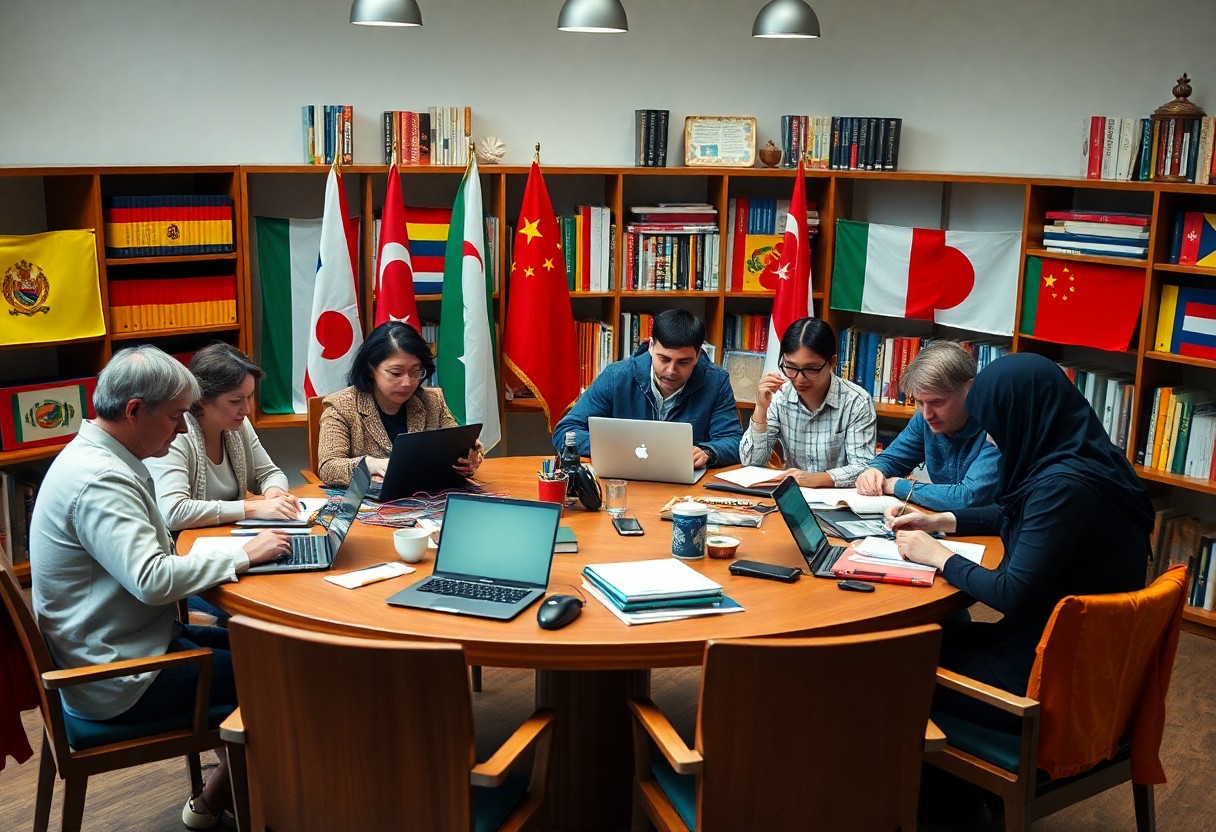
Just as the world becomes more interconnected, I realize the importance of writing for a multilingual audience. In this guide, I’ll share my insights and practical tips on how you can effectively reach and engage readers from diverse linguistic backgrounds. Whether you’re a seasoned writer or just starting out, I’ll help you navigate the unique challenges of crafting articles that resonate across different cultures and languages. Let’s explore the strategies that will elevate your writing and expand your global reach.
Researching Topics for a Diverse Audience
Your content needs to resonate with a multilingual audience, which means that choosing topics that appeal to various cultural backgrounds is important. I find that exploring global trends while keeping in mind local perspectives can help bridge gaps and ensure your articles are well-received across different regions. The key is to identify themes that are not only relevant on a broader scale but also meaningful to specific communities. This approach creates a richer narrative that encourages engagement and connection with readers from various backgrounds.
Identifying Relevant Themes
To start identifying relevant themes, I consider current events, cultural phenomena, and seasonal topics that might interest my diverse audience. Engaging with social media platforms can provide insight into what is trending globally and locally, allowing you to tap into discussions that matter most to your readership. I also recommend checking out popular publications or blogs that cater to multicultural audiences, as they often highlight themes that resonate widely.
Additionally, I find it beneficial to utilize online tools that provide analytics regarding popular search queries. These tools can assist in pinpointing the interests of various demographics based on location and language, giving you a clearer picture of what might be relevant to your audience. By merging these insights, you can craft content that speaks to a multitude of experiences while promoting inclusivity.
Utilizing Local Insights
If you want to truly connect with your audience, it’s imperative to incorporate local insights into your research. Engaging with local communities, whether through social media interactions or participation in cultural events, can provide valuable perspectives that you might not find in mainstream sources. I often seek feedback from multicultural groups on how certain topics are perceived in their cultures, which informs my writing and enhances its relevance.
The interplay between global trends and local nuances can illuminate unique angles for your articles. Striving to highlight these intersections not only enriches your content but also acknowledges the diverse contexts from which your audience hails. By maintaining an open dialogue with your audience, I can ensure that my writing reflects an appreciation for their diverse backgrounds and experiences.
Assessing Availability of Resources
Now, let’s talk about assessing the availability of resources for your chosen topics. It’s important to verify that you have access to reliable information and perspectives from the communities you’re writing about. I often conduct thorough research to ensure that I can find data, case studies, or interviews that will help substantiate my articles. Being equipped with solid resources allows me to portray an informed and authentic viewpoint, which is paramount when addressing a multilingual audience.
In my experience, exploring local libraries, academic institutions, and trusted online databases can uncover valuable resources that pertain to specific cultures or regions. I also recommend leveraging local experts or influencers who can contribute their knowledge and insights, enhancing the credibility of your work. By pooling these resources, you can develop comprehensive content that effectively informs and engages your diverse audience.
Another crucial aspect to consider when assessing resources is the language barrier. If some of the materials you encounter are in a different language, utilizing translation services or bilingual collaborators can be beneficial. This ensures that you don’t overlook valuable information simply due to language differences. By actively seeking resources in various languages, I expand the breadth of my content and its appeal across multiple demographics.
Writing Style and Tone
To effectively connect with a multilingual audience, I focus on crafting content that not only informs but also resonates with diverse groups of readers. The writing style and tone I choose can significantly impact how my message is perceived, so I take care to ensure my language is accessible and adaptable to various cultural contexts.
Keeping Language Simple and Inclusive
If I aim to reach readers from different linguistic backgrounds, I prioritize using simple and clear language. This approach helps ensure that my ideas are not lost in translation and can be easily understood, regardless of the reader’s proficiency in the language. I avoid complex jargon and idiomatic expressions that might confuse non-native speakers. Instead, I utilize straightforward vocabulary and sentence structures to promote inclusivity.
If you can create a space where everyone feels welcome, your audience will be more likely to engage with your content. This means considering not just the language itself but also the cultural nuances behind it. I strive to write with empathy, anticipating that my diverse audience may have varying levels of education, experience with the topic, and familiarity with the language I use.
Adapting Tone for Different Cultures
Keeping in mind the varied cultural contexts of my audience, I make it a point to adjust my tone based on the specific group I’m addressing. Different cultures have distinct norms regarding formality, humor, and sensitivity, which can influence how my message is received. For instance, while a casual tone may be appreciated in some cultures, others might favor a more formal and respectful approach. It’s crucial to understand these differences to avoid misunderstandings.
Adapting my tone also means being aware of how certain phrases or expressions might carry different connotations in various cultures. I take the time to research and understand the cultural references that might resonate with my audience while being cautious to avoid potentially offensive language. By adjusting my tone as needed, I can build a stronger connection with readers and ensure my message lands effectively.
Utilizing Humor and Emotion
Humor can be a powerful tool to engage a multilingual audience, but it requires a delicate balance. I find that what is considered funny in one culture might not translate well to another. By keeping my humor light and universally relatable, I can create a welcoming atmosphere without stepping on cultural sensitivities. I often turn to simple anecdotes or playful wordplay that has the potential to amuse without relying too heavily on complex cultural references.
Emotion plays a significant role in how I communicate with readers. I aim to evoke genuine feelings that transcend linguistic barriers—whether it’s joy, empathy, or inspiration. By sharing personal stories and experiences, I create authenticity in my writing that resonates deeply. Emotion has the capacity to connect with readers on a human level, and when they feel connected, they are more likely to engage with my content regardless of their language proficiency.
Translation Techniques
Now, when it comes to writing articles for a multilingual audience, I must emphasize the significance of selecting the right translation techniques to effectively convey your message across different languages and cultures.
Human vs Automated Translation
One of the first decisions you’ll face is whether to use human translators or automated translation tools. While automated translation systems, such as Google Translate, can quickly convert text, they often lack the nuance and context necessary for conveying complex ideas or idiomatic expressions. I have found that relying solely on automated tools can lead to inaccuracies and misunderstandings, particularly in specialized fields or when addressing cultural differences.
On the other hand, human translators bring a deep understanding of language and culture to the table. They have the ability to interpret subtleties, choose appropriate terminology, and ensure that the tone of your writing resonates with the audience. For effective communication, I often recommend incorporating human translation whenever the stakes are high, such as with marketing materials, sensitive content, or any text where brand voice is key.
Importance of Professional Translators
Little attention is sometimes paid to the value of professional translators, but their role is imperative in ensuring that your content is not only translated accurately but also culturally relevant. I’ve encountered instances where well-meaning translations have resulted in confusion or even offense due to cultural misalignment. Engaging professionals helps to mitigate these risks and enhances the overall quality of your content.
It’s worth noting that a professional translator does more than just translate words; they localize your message for the target audience. This includes adapting humor, idioms, and references so they resonate with the reader’s cultural context, making your content more accessible and engaging. Such expertise is vital for maintaining your brand’s integrity while reaching a diverse audience.
Cultural Adaptations in Translation
The process of translation goes beyond the mere conversion of words from one language to another. When I write for a multilingual audience, I make it a point to consider cultural adaptations. Each culture has its own values, traditions, and behaviors, and understanding these differences is imperative for effective communication. This often means altering phrases to reflect local customs, adjusting examples that may not be relevant, or even changing visual elements that might not be appropriate.
Automated translation tools, while convenient, often lack the ability to make these critical cultural adaptations. They may translate your text word-for-word, ignoring the context and significance of certain phrases. This can lead to a disjointed message that may not resonate with your audience. Therefore, I prioritize working with professional translators who understand how to adapt content to different cultures, ensuring that your writing maintains its intended impact across diverse markets.
Multimedia and Visual Aids
All effective articles for a multilingual audience benefit from the incorporation of multimedia and visual aids. By leveraging images, infographics, videos, and interactive elements, I can enrich the content and create a more engaging experience for readers from various linguistic backgrounds. These elements can convey complex ideas much more effectively than text alone and can help bridge language barriers, making the information accessible to all segments of your audience.
Incorporating Visual Elements
An important aspect of writing for a multilingual audience lies in thoughtfully incorporating visual elements into your articles. By using visuals, you can simplify the communication of intricate concepts, allowing readers to grasp the central ideas without getting lost in translation. I often find that including diagrams or charts alongside written content can enhance understanding, providing visual context that supports the text.
Additionally, using visuals can stir emotions and create a more memorable experience. Colorful images, engaging videos, and interactive components draw the reader’s attention, helping to hold their interest as they navigate through your content. I always aim to ensure that the visuals I select align with the overall message I want to convey, reinforcing the article’s purpose and enhancing its educational value.
Adapting Visuals for Different Cultures
On the other hand, I must be mindful of how visuals can be interpreted differently across cultures. An image that resonates beautifully in one region may be misinterpreted or even considered offensive in another. Therefore, understanding cultural nuances is vital when deciding which visuals to incorporate into my articles. I do research and possibly consult with native speakers or cultural experts to ensure that my selected visuals will not inadvertently confuse or alienate part of my audience.
To make informed decisions, I consider how colors, symbols, and imagery hold different meanings in various cultures. For example, while the color white is often associated with purity in Western societies, it might symbolize mourning in other cultures. I strive to create visuals that are universally welcoming and appropriate, ensuring that the intent is clear and the message is communicated effectively across languages.
Accessibility Considerations
While crafting articles for a multilingual audience, I also emphasize the importance of accessibility considerations in my multimedia content. By implementing features such as alt-text for images, captions for videos, and ensuring that color contrasts meet accessibility standards, I can make my articles more inclusive. I recognize that some members of my audience may have visual or hearing impairments, and by taking these factors into account, I expand my content’s reach and usability.
Plus, it’s vital to create visuals that cater to diverse levels of familiarity with technology, ensuring that they are easy to navigate and interact with. By designing content that is not only engaging but also accessible, I can reach a broader audience, affirming the idea that quality information should be available to everyone, regardless of their abilities or language proficiency.
SEO for Multilingual Articles
For anyone looking to create content that resonates with a multilingual audience, understanding the intricacies of SEO is important. Implementing effective SEO strategies requires not only knowledge of various languages but also awareness of cultural nuances and search behaviors specific to each language group. This ensures that your articles not only appear in search results but also attract and engage readers from diverse backgrounds.
Keyword Research for Different Languages
The foundation of any successful multilingual SEO strategy starts with comprehensive keyword research. It’s vital to understand that keywords may not translate directly from one language to another due to cultural differences and varying search intent. Therefore, I recommend using local search engines, like Baidu for Chinese speakers or Yandex for Russian audiences, to discover popular search terms within specific regions. This approach can enhance the effectiveness of your articles and ensure they resonate with the intended audience.
The next step is to employ tools like Google Keyword Planner or Ahrefs, setting them to your target language. When I conduct this research, I pay close attention to local slang, idioms, and regional preferences, as these can significantly influence search patterns. By knowing the right phrases and terms in each language, you can tailor your content to engage better with readers.
Best Practices for Multilingual SEO
Assuming you’ve conducted thorough keyword research, the next step is to apply best practices specifically tailored for multilingual SEO. It’s important to create separate URLs for each language version of your content, using subdirectories (e.g., /fr/ for French or /de/ for German) or subdomains. This not only helps search engines understand the structure of your site but also enhances user experience by guiding readers to their preferred language version without confusion.
In addition, ensure that your meta tags, headings, and alt text for images are also translated and optimized for the respective languages. I often emphasize the importance of localized content so that it feels natural to the reader, incorporating cultural references and idioms where appropriate. This not only aids in improving your rankings but also fosters a stronger connection with your audience.
Different search engines may favor different aspects of SEO; for example, Baidu places more emphasis on meta keywords than Google does. I stay updated on these variances, as they can significantly impact how your content performs in various regions. Furthermore, consider implementing hreflang tags to inform search engines about the language and geographical targeting of your content, ensuring that users are directed to the appropriate language page based on their location.
Tracking and Analyzing Performance
To evaluate the effectiveness of your SEO strategies for multilingual articles, tracking and analyzing performance is vital. I recommend using tools like Google Analytics while also setting up individual accounts for different language versions to assess traffic and engagement levels. This will allow you to identify trends and areas for improvement in your multilingual content strategy.
Another helpful aspect of tracking involves monitoring your rankings across the different languages. By keeping track of how well your articles perform in each language, you can adapt your SEO strategy accordingly. This approach ensures that your content remains relevant and continues to engage the audience effectively.
Tracking metrics such as bounce rate, session duration, and conversion rates can provide me with valuable insights into how well your articles resonate with various cultural audiences. With this data, you can optimize your content and make informed decisions to enhance your multilingual SEO efforts.
Collaborating with Local Experts
Not only does working with local experts enhance the authenticity of your content, but it also expands your reach within the multilingual audience. By tapping into their knowledge, you can gain valuable insights into cultural nuances, preferences, and interests that are specific to the language and region you are addressing. This collaboration can elevate your content quality and ensure that it resonates with your target audience on a deeper level.
Building Partnerships with Local Influencers
Now, engaging with local influencers can substantially amplify your message. These individuals not only understand the cultural landscape but also possess established credibility within their communities. Collaborating with them allows you to tap into their following and gain access to audiences that you may not have reached otherwise. By including their perspectives in your articles, you enrich your content and make it more relatable to readers.
When I connect with local influencers, I focus on finding those whose values align with my content goals. This mutual benefit ensures a more authentic exchange, where their endorsement can lend my articles trustworthiness among their followers. Additionally, collaborating on content creation can produce unique, valuable insights and lead to shared promotions that enhance visibility and engagement.
Engaging Community Voices in Content Creation
To truly resonate with your multilingual audience, involving community voices in your content creation is paramount. This could mean interviewing locals, including quotes from community leaders, or incorporating stories that reflect the lived experiences of your readers. By doing so, you ensure that your articles not only represent a broader range of perspectives but also create an emotional connection with your audience.
Experts in community engagement often emphasize that the richness of perspective can lead to more vibrant and impactful content. By centering your articles around real experiences and voices within the community, you can effectively bridge language barriers and create a sense of belonging for your readers. This not only promotes engagement but also fosters loyalty to your brand, as readers feel valued and understood.
Leveraging Local Networks for Distribution
Influencers also serve as effective conduits for content distribution. By collaborating with them, you can share your articles on their platforms, which allows for broader dissemination among local audiences. These individuals have a finger on the pulse of what’s resonating with their followers, and their input can guide how you tailor your content for maximum impact.
Moreover, engaging with local networks doesn’t have to stop at influencers. Reaching out to community organizations, local media, or even social groups can enhance your content’s visibility. I often find that these local entities are eager to share relevant content that aligns with their mission and goals, thereby creating a symbiotic relationship that benefits both parties.
Partnerships with local networks can significantly broaden your article’s reach. By collaborating with community organizations, you gain access to their established audiences, creating an avenue for distribution that is both effective and meaningful. These partnerships can also provide you with feedback that further refines your content strategy to better suit the needs of your multilingual audience.
Testing and Feedback
Despite the extensive planning and research that goes into writing for a multilingual audience, I find that testing remains an imperative part of the process. It’s not enough to simply translate your content; you must understand how it resonates with speakers of different languages and cultures. Testing allows you to evaluate the effectiveness of your articles, ensuring that they engage your target audience effectively. This step can involve A/B testing different versions of your text or running usability tests to ascertain how well your content meets user needs. You may also consider involving native speakers who can offer insights that non-native speakers might miss.
Importance of User Testing Across Languages
Testing your content across multiple languages provides an opportunity to identify potential pitfalls that may arise due to cultural or linguistic nuances. I have often discovered that certain phrases or idiomatic expressions do not carry the same meaning or emotional weight in different languages. Through thorough user testing, I can ensure that the message of my article is not only clear but also resonates with diverse audiences. This leads to more meaningful engagement and a higher likelihood of achieving your communication goals.
Gathering Feedback from Diverse Audience Segments
There’s no one-size-fits-all solution when it comes to gathering feedback from a multilingual audience. Each segment brings its own unique perspectives, which are informed by language, culture, and personal experiences. Therefore, I encourage you to embrace a variety of feedback methods, ranging from surveys and focus groups to one-on-one interviews. By engaging with a diverse audience, I can collect valuable insights that will enrich my content and make it more relatable to different readers.
It is vital to analyze the feedback I gather so that I can pinpoint specific areas for improvement. For instance, a particular section of my article might resonate well with one language group while falling flat with another. This mixed feedback can guide me to not only enhance my current articles but also inform future content development, ensuring that I am consistently meeting the needs of a broader audience.
Implementing Changes Based on Feedback
An effective feedback loop is only as valuable as the changes you implement based on the insights gathered. It’s important to iterate your content not just to fix what’s wrong, but also to amplify what’s working well. After collecting feedback, I carefully analyze the data to identify key trends and suggestions from different audience segments. This helps me prioritize which changes will have the most significant impact on engagement and comprehension.
To make the most of this feedback, I ensure that my revisions use language and cultural references that resonate with my diverse audience. I may also need to adjust the style, tone, or structure of my articles to better align with various preference patterns. By paying attention to this feedback loop, I can continually enhance my writing approach and create connections with a wider array of readers.
Continuous Improvement Strategies
Unlike writing for a monolingual audience, crafting articles for a multilingual readership requires ongoing efforts to ensure your content remains relevant and resonant across different cultures and languages. Continuous improvement strategies are necessary to keep your articles effective and engaging for all readers, regardless of their linguistic backgrounds.
Updating Articles for Relevance
Strategies for updating articles frequently involve revisiting and revising your existing content to ensure it reflects current events, cultural shifts, and changes in language usage. As languages evolve, expressions and terminologies come and go, making it important to keep your articles fresh. I find that setting a regular schedule for reviewing and updating my articles helps to maintain their relevancy and minimizes the risk of providing outdated information to my readers.
Additionally, considering the feedback from your audience can guide you in determining which sections of your articles might need enhancement. By engaging with readers in various languages and cultures, you’ll gain insights into their preferences and perspectives, allowing you to tailor your content more effectively. This collaborative approach fosters a sense of trust and rapport that is beneficial for multilingual engagement.
Staying Informed on Language Trends
Some effective strategies for staying informed about language trends include subscribing to language-related news outlets, participating in social media groups focused on multilingual content, and connecting with fellow writers who specialize in diverse audiences. By actively seeking information and fostering dialogue with others in the field, you can gain valuable insights into language shifts and emerging trends that can impact your writing.
Informed decisions regarding language choices will not only enhance the quality of your articles but also demonstrate your commitment to understanding and honoring the linguistic diversity of your audience. Staying curious and proactive about changes in language usage allows me to anticipate potential misinterpretations or cultural nuances that may arise, ensuring your content remains appropriate for all readers.
Learning from Audience Interactions
Little moments of interaction with your audience can provide powerful learning opportunities. Whether through social media comments, feedback forms, or direct emails, these engagements often reveal the needs and perspectives of your multilingual audience. I pay close attention to their reactions, questions, and suggestions, as they can highlight areas for improvement or expansion in my writing.
Plus, reflecting on these interactions can offer a deeper understanding of how different readers perceive your content. I find that utilizing analytics tools that track reader engagement across languages can provide further insights, allowing me to adjust my articles more precisely based on audience preferences. By treating each interaction as a learning opportunity, I can continually refine my approach to meet the diverse expectations of my multilingual audience.
Ethical Considerations in Writing
Once again, launching on the journey of writing for a multilingual audience calls for ethical considerations that shape how we present information. Writers hold a certain responsibility to ensure that their content is not only informative but also sensitive to the diverse backgrounds of their readers. This section will explore into the key ethical aspects, emphasizing the importance of inclusivity, representation, and respect for different cultures.
Representing Diverse Voices Accurately
Ethical representation involves more than just incorporating various perspectives; it requires that I accurately convey the experiences and viewpoints of those I aim to represent. It is important to engage with individuals from the communities I write about, ensuring their narratives are authentically expressed. This prevents any misrepresentation and fosters a deeper connection with my readers.
When I include diverse voices in my writing, I also seek to amplify their stories without overshadowing their agency. By doing so, I commit to showcasing the richness of their cultures while being mindful of how I frame those narratives in my articles. Every voice tells a unique part of a larger story, and it is my job to present these stories responsibly.
Avoiding Stereotypes and Generalizations
Ethical writing means actively avoiding stereotypes and generalizations that can harm or belittle cultures. Stereotyping simplifies the complexities of diverse identities, reducing them to mere caricatures that do not reflect reality. As I write, I focus on the nuances of individual experiences, using language that respects the individuality of each person or community addressed in my articles.
- Understand the cultural context of the subjects you write about.
- Engage with individuals from those cultures to gain insight into their realities.
- Prioritize authentic narratives over preconceived notions or stereotypes.
- Be aware of how language can shape perception and understanding.
- Knowing that each culture and individual has a unique story to tell is imperative.
Importantly, I have broken down the key points regarding avoiding stereotypes into the following table:
| Key Actions | Importance |
| Engage with cultural representatives | Builds authentic narratives |
| Avoid blanket statements | Respect individuality |
| Research cultural backgrounds | Promotes understanding |
| Use inclusive language | Encourages respect and sensitivity |
Accurately realizing the essence of diverse identities is fundamental to effective communication. When I write, I aim to create a landscape of understanding by weaving narratives that honor the individuality of different cultures while recognizing their shared humanity. This not only enriches my articles but also fosters a sense of connection among my readers, regardless of their backgrounds.
Ensuring Fairness and Inclusivity
Even in the world of storytelling, fairness and inclusivity must guide my pen. It is important that I strive for a balance in representation, giving equal weight to voices that are often marginalized. This commitment prevents the dominance of certain narratives over others, ensuring that all contribute to a holistic understanding of the subject matter.
In embracing inclusivity, I make a conscious effort to broaden the scope of voices that I include in my writing. The wider the array of perspectives, the richer the content I produce becomes. Acknowledging the varied experiences of people creates a tapestry where every thread counts towards creating a more comprehensive narrative.
Voices from different backgrounds enrich my articles, allowing me to paint a more informed picture of the topic at hand. These diverse perspectives not only enhance the quality of my writing but also equip my audience with a deeper understanding of the complexities surrounding various cultural narratives. Seeking diverse voices means stepping out of my comfort zone and embracing the unfamiliar, thus fostering a culture of empathy and recognition for all.
To wrap up
To wrap up, crafting articles for a multilingual audience requires thoughtful planning and a deep understanding of the cultures and languages of your readers. As I approach this task, I focus on using clear language and avoiding idiomatic expressions that might confuse those from different linguistic backgrounds. I also prioritize localized content that resonates with specific cultural contexts, utilizing research and insights to guide my writing. Adapting my articles not only enhances readability but also builds trust with my audience, ensuring they feel valued and understood.
Furthermore, I recognize the importance of employing translation and localization tools effectively. Whether I am translating my original content or collaborating with professional translators, I make it a point to review the outcome to ensure accuracy and coherence. Engaging with native speakers for feedback is also a practice I find invaluable, as it offers perspectives that refine my approach. Ultimately, the goal is to create informative and engaging content that transcends language barriers, allowing you to reach and connect with a diverse audience successfully.
FAQ
Q: What are the key considerations when writing articles for a multilingual audience?
A: When writing for a multilingual audience, it’s important to consider cultural nuances, local dialects, and varying levels of language proficiency among readers. Tailoring content to meet the expectations and preferences of different cultures, while avoiding jargon or idiomatic expressions that may not translate well, ensures better engagement. Additionally, consider SEO implications and use keywords that are relevant in different languages.
Q: How can I effectively translate my articles for different languages?
A: Rather than relying solely on automatic translation tools, collaborate with native speakers or professional translators to ensure accuracy and cultural relevance. It is also beneficial to adapt the content rather than translating it directly. This means modifying phrases, examples, and references that resonate better with a particular audience’s cultural context. Testing translations with target audiences can provide valuable feedback.
Q: What tools can assist me in writing for a multilingual audience?
A: Several tools can enhance your writing process. For example, translation management systems like Smartling or Lokalise streamline collaboration with translators. Additionally, writing tools such as Grammarly can help check language proficiency, while readability tools can evaluate how easily your content can be understood across different reading levels. Utilizing multilingual SEO tools, like SEMrush, can also support your article’s visibility in various languages.
Q: How do I engage a multilingual audience through visuals and graphics?
A: Visuals play a significant role in engaging readers from diverse linguistic backgrounds. Use images, infographics, and videos that resonate across cultures and don’t rely heavily on text. Including captions in multiple languages or providing bilingual content can enhance understanding. Be mindful of cultural symbols and colors, as they can convey different meanings in various cultures.
Q: What strategies can I use to promote my articles to a multilingual audience?
A: To effectively promote your articles, leverage social media platforms that are popular in your target regions. Create localized content that appeals to the interests and preferences of diverse audiences. Engage with local influencers or communities to amplify your reach. Additionally, consider writing guest posts or collaborating with local bloggers to tap into their established audiences and expand your visibility across language barriers.