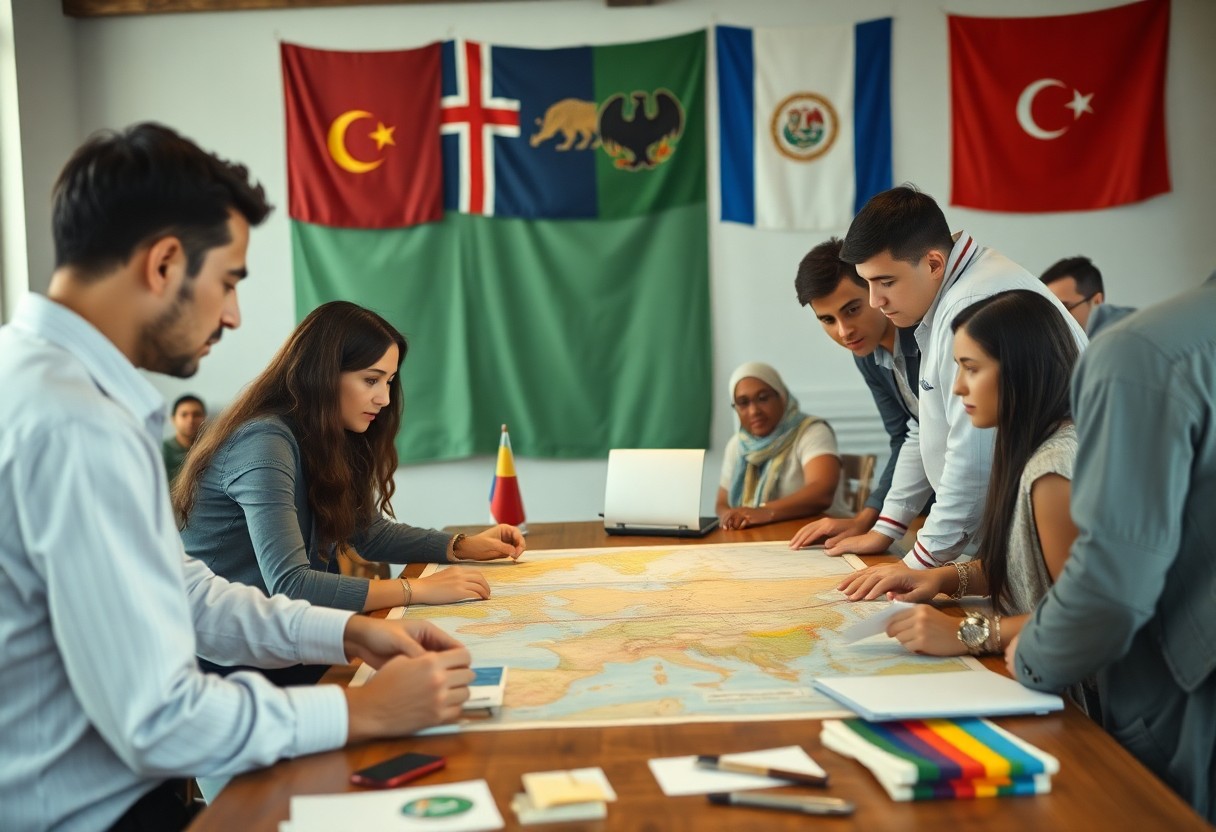
With the increasing interconnectedness of global markets, cross-border research has become imperative for understanding diverse consumer behaviors and preferences. Effective research not only involves gathering data but also interpreting it within the context of varying cultural norms and values. Cultural fluency enables researchers to navigate these complexities, ensuring accurate insights and fostering meaningful engagement with local populations. Ignoring cultural nuances can lead to misinterpretations and ineffective strategies, underscoring the importance of cultural competence in any cross-border research endeavor.
Key Takeaways:
- Cultural differences impact research design, data interpretation, and participant engagement, necessitating an understanding of local contexts.
- Effective communication and collaboration among diverse teams rely on cultural fluency to navigate varying norms and values.
- Cultural awareness enhances the validity and reliability of research findings by accommodating different perspectives and practices.
Understanding Cultural Fluency
Cultural fluency goes beyond language proficiency; it encompasses the ability to navigate and appreciate cultural nuances, values, and social norms. This skill allows researchers to communicate effectively across diverse backgrounds, ensuring that insights gathered are relevant and appropriately contextualized. In a global landscape, where misinterpretations can lead to flawed conclusions, cultural fluency is not just beneficial—it becomes important for meaningful engagement and accurate research outcomes.
Definition and Importance
Cultural fluency is defined as the capacity to understand and adapt to different cultural contexts. Its importance lies in fostering authentic interactions and enhancing collaboration among diverse groups. By valuing cultural competence, researchers can build trust and facilitate richer discussions, leading to more accurate and compelling data that genuinely reflect the realities of the populations being studied.
Role in Cross-Border Research
In cross-border research, cultural fluency plays a pivotal role in interpreting data correctly and conducting interviews sensitively. Understanding local customs and practices allows researchers to design tools and methodologies that align with cultural expectations. This not only increases participation rates but also enhances data integrity, as respondents feel valued and understood, which ultimately results in deeper insights.
The impact of cultural fluency in cross-border research is exemplified by a study conducted in Southeast Asia, where researchers adapted their surveys to include linguistic variations and culturally relevant examples specific to each region. This approach increased engagement by over 30% and provided richer qualitative data. When researchers approach another culture with respect and understanding, they’re not just gathering data; they’re building relationships. These connections can lead to more nuanced findings and increased trust in the research process, which are critical for developmental projects or market entry strategies. Ultimately, cultural fluency informs every aspect of cross-border research, from design to execution, ensuring that the results are both valid and actionable.
Challenges in Cross-Border Research
Cross-border research presents unique challenges that can hinder effective data collection and analysis. These challenges often stem from cultural discrepancies that can lead to misunderstandings, misinterpretations, and even conflicts. Researchers must be aware of these issues to navigate them successfully and ensure the integrity of their findings.
Language Barriers
Language differences can pose significant hindrances in cross-border research. Miscommunication can occur at various levels, from misinterpretation of questions to misunderstanding of responses. A study may lose valuable insights if participants are unable to articulate their thoughts due to language constraints, making translation accuracy necessary for valid data collection.
Different Cultural Norms
Cultural norms can vary widely from one country to another, impacting everything from data collection methods to participant behavior. Researchers must navigate these differences to ensure that their approach is respectful and effective. For instance, in some cultures, addressing authority figures might require a level of formality that contrasts with more relaxed norms elsewhere, potentially affecting respondent comfort and engagement. Such nuances inform how research questions are framed and how surveys are administered, significantly influencing response quality and accuracy.
Building Cultural Competence
Developing cultural competence is imperative for researchers engaging in cross-border studies. It involves a deep understanding of diverse cultural practices, communication styles, and values that shape research contexts. By enhancing cultural awareness, researchers can improve their ability to interpret data accurately, foster inclusive environments, and build trust with participants. Mastering this competence often requires ongoing education and reflection to adapt approaches based on unique cultural dynamics encountered in the field.
Strategies for Researchers
Effective strategies for developing cultural competence include cultural immersion, active listening, and seeking local perspectives. Engaging directly with communities through observations and interactions enhances insight into social norms and behaviors. Additionally, researchers can benefit from attending workshops or courses focused on intercultural communication and ethics, which provide frameworks for better understanding and respecting cultural differences.
Importance of Local Collaboration
Collaborating with local experts and stakeholders significantly enriches cross-border research efforts. Their insights foster culturally relevant methodologies, ensuring research findings are grounded in the local context. Local partners also enhance access to hard-to-reach populations, facilitating more comprehensive data collection.
Establishing local partnerships serves to bridge the gap between researchers and communities, fostering trust and engagement. Collaborating with local academics, NGOs, and community leaders can offer researchers valuable knowledge about specific cultural practices and social structures. For example, a study conducted in rural areas of Kenya emphasized the value of involving local health workers, leading to higher participation rates and more accurate health data. Such collaborations not only enhance the reliability of results but also empower communities by involving them in the research process, promoting shared ownership of outcomes.
Impacts of Cultural Sensitivity
Cultural sensitivity significantly enhances the effectiveness of cross-border research. It fosters an environment of trust, allowing researchers to navigate complex social dynamics. Projects that emphasize cultural awareness consistently yield higher quality results, as data collection methods align better with local customs and practices. For instance, researchers who adapt surveys to resonate with local beliefs can capture more nuanced insights, leading to findings that are more impactful and relevant.
Enhanced Data Quality
When researchers prioritize cultural sensitivity, the quality of data improves. Tailoring questions to fit local contexts and employing culturally relevant methodologies results in more accurate responses. For example, in a study involving indigenous communities, using local languages and symbols led to a 30% increase in participation and more genuine responses, illustrating that respect for cultural nuances directly correlates with data integrity.
Better Stakeholder Engagement
Engaging stakeholders effectively hinges on acknowledging and respecting cultural differences. When researchers actively listen to local voices and incorporate their feedback, relationships strengthen, facilitating smoother collaboration. This approach not only fosters goodwill but also encourages local stakeholders to participate actively, leading to more comprehensive insights and buy-in for the research project.
This heightened engagement is evident in cases where researchers organized community workshops prior to study launch, allowing local leaders to voice concerns and suggestions. By integrating local knowledge, projects gained substantial community support, imperative for successful implementation. Furthermore, studies that involved stakeholders from the outset reported an increase in the application of research findings, as local stakeholders felt a vested interest in the outcomes, highlighting the reciprocal benefits of cultural engagement in research initiatives.
Case Studies in Cross-Border Research
Examining successful cross-border research initiatives reveals the profound impact of cultural fluency on obtaining meaningful data and fostering international collaboration.
- Study on Consumer Behavior in Southeast Asia: Surveyed 5,000 participants across 4 countries, highlighting cultural preferences that influenced purchase decisions by 30%.
- Global Health Initiative in Africa: Collaborated with 7 local organizations, resulting in a 25% increase in health service utilization due to culturally tailored messaging.
- Technology Adoption Research in Europe: Engaged 3 diverse markets, identifying cultural barriers that affected adoption rates by up to 40% in certain demographics.
- Environmental Attitudes in Latin America: Conducted focus groups with 150 participants, uncovering regional differences that informed sustainable practices and policies.
Success Stories
Cross-border research initiatives have led to transformative outcomes, with companies reporting up to 50% improved market penetration after incorporating cultural insights into product development and marketing strategies.
Lessons Learned
Analyzing the results of various projects illuminates challenges and triumphs in cross-border research, emphasizing the pivotal role of understanding cultural contexts to drive accurate data collection and analysis.
One key lesson is the importance of local partnerships in navigating cultural landscapes. For instance, the health initiative in Africa succeeded because it engaged local organizations that understood community dynamics. Moreover, researchers must remain adaptable, tailoring methods to fit diverse cultural expectations. Failure to recognize these factors has led to skewed data and ineffective strategies in less successful studies. Ultimately, cultural fluency is not merely an asset but a necessity for impactful cross-border research endeavors.
Future Directions for Cross-Border Research
Evolving Cultural Dynamics
The landscape of cross-border research is continuously shaped by shifting cultural dynamics. Understanding how migration, globalization, and economic policies influence local cultures is necessary. These factors not only affect collaboration but also reshape research priorities, highlighting the need for adaptable methodologies that account for these changes to ensure relevance and accuracy in findings.
Technology and Global Collaboration
Advancements in technology facilitate unprecedented collaboration across borders. Tools like virtual reality, cloud computing, and artificial intelligence enable researchers to share data and insights seamlessly, regardless of geographical barriers. This interconnectedness fosters a more inclusive research environment, allowing diverse perspectives to inform scientific inquiries.
With the rise of platforms such as GitHub for collaborative coding and Zoom for real-time communication, researchers can now work together efficiently across continents. For instance, the Human Genome Project exemplifies how international collaboration, coupled with technological innovation, can produce significant scientific breakthroughs. Moreover, leveraging big data analytics enhances researchers’ ability to uncover trends and patterns, bridging cultural divides and refining understanding within a global context.
To wrap up
Conclusively, cross-border research demands cultural fluency to navigate diverse social norms, values, and practices effectively. This understanding enhances collaboration with local stakeholders, minimizes misinterpretations, and fosters trust, all of which are imperative for gathering accurate data and ensuring relevant outcomes. Cultural fluency enables researchers to adapt methodologies and communication styles to fit varying contexts, ultimately leading to more impactful results. The ability to bridge cultural divides not only strengthens the research process but also contributes to global knowledge sharing and innovation.
FAQ
Q: Why is cultural fluency important in cross-border research?
A: Cultural fluency enhances understanding and interpretation of local contexts, which is crucial for accurate data collection and analysis.
Q: How does cultural fluency affect data interpretation?
A: Lack of cultural fluency can lead to misinterpretation of data, as researchers may not fully grasp local norms, values, or behaviors impacting the research outcomes.
Q: What role does cultural fluency play in building research partnerships?
A: With cultural fluency, researchers foster trust and collaboration with local partners, leading to more effective and meaningful joint research efforts.
Q: How can researchers develop cultural fluency?
A: Researchers can develop cultural fluency through immersion in the culture, engaging with local communities, and studying cultural practices and social dynamics.
Q: What are the consequences of lacking cultural fluency in research?
A: Without cultural fluency, researchers may produce findings that are irrelevant or misaligned with local needs, ultimately diminishing the impact and applicability of their work.