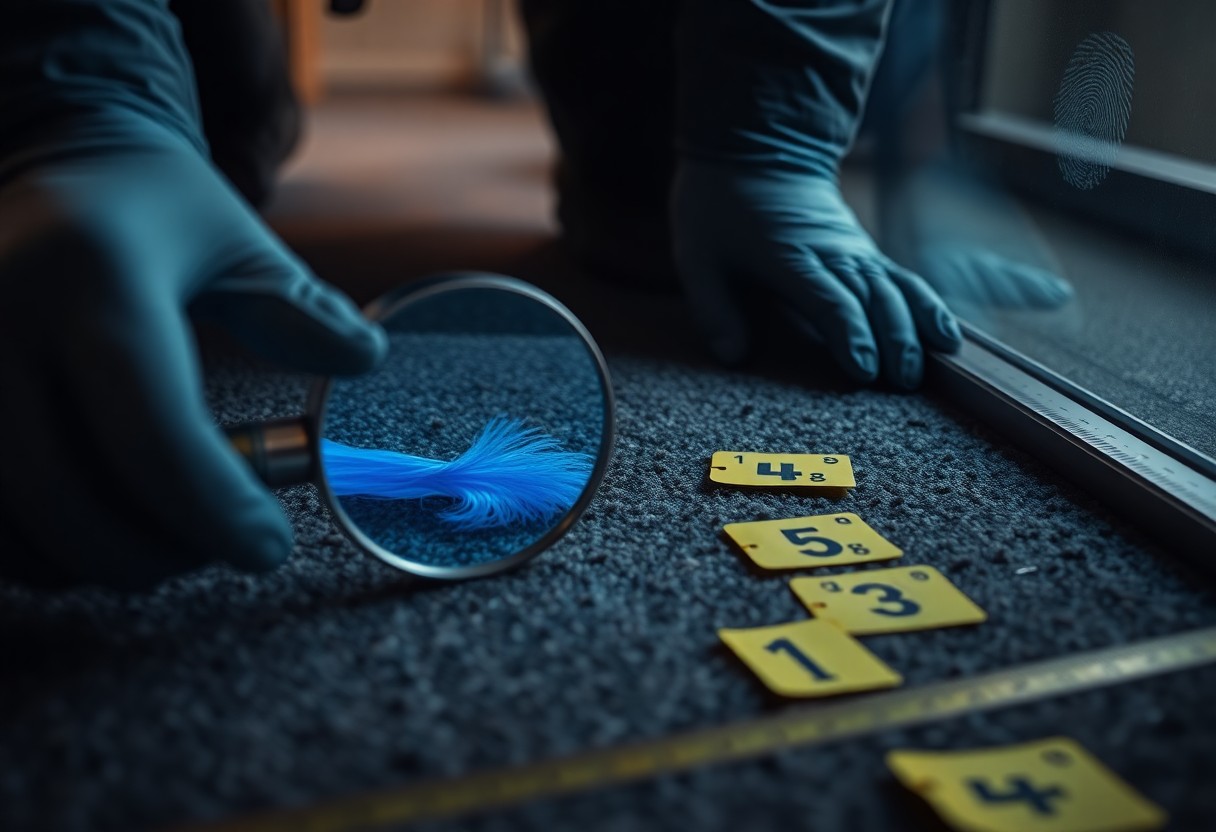
Just because something seems obvious doesn’t mean it’s thoroughly examined. I often notice details that others overlook, from subtle inconsistencies in statements to overlooked physical evidence. Understanding these overlooked elements can lead to breakthrough discoveries, transforming a typical investigation into a revealing journey.
The Art of Analytical Observation
Attention to Detail
Your ability to notice small details can be the difference between solving a case and leaving it open. Observing subtle variations in a scene often uncovers leads that others overlook. This skill requires keen awareness, training the mind to filter out distractions while honing in on what truly matters. I find that the smallest clues can shed light on motives and connections you wouldn’t expect.
Questioning the Obvious
Asking questions about what seems apparent can lead you down intriguing pathways. I often challenge initial conclusions, pushing past surface-level interpretations. You may uncover discrepancies that others accept without thought. Each time I question the ordinary, it has propelled my understanding of the case further than I anticipated.
Connecting the Dots
Making connections that others might miss is a hallmark of effective investigation. I analyze patterns and relationships that may appear insignificant at first glance. By bridging disparate pieces of information, you can develop a more complete picture. When I combine insights from various angles, it often reveals motives or sequences that clarify complex situations.
Using Intuition
Trusting your instincts can play a pivotal role in analytical observation. I often rely on intuition when the facts don’t neatly align; it serves as a guide through uncertainty. Your gut feeling can point you toward areas needing further scrutiny, especially when solid evidence seems scarce. I’ve learned that a strong intuition can sometimes lead to breakthroughs that logic alone cannot explain.
Emotional Intelligence
Recognizing the emotional nuances within an investigation enhances your overall understanding. Observing body language and facial expressions provides insights that cold facts may not reveal. I pay close attention to how individuals react in different situations; their emotions often disclose hidden truths. Connecting the emotional dots often rounds out the data and adds depth to the analysis.
The Silent Language of Physical Evidence
Listening to the Scene
Analyzing a crime scene often reveals details that may seem insignificant to the untrained eye. Each scratch on a surface, every dropped item, and the arrangement of objects tell a story. You might overlook a scuff mark on the floor, but I see it as a potential indicator of a struggle, or perhaps a hurried exit. Your understanding of these subtle clues can change the outcome of an investigation.
Interpreting Context
Scrutinizing the environment is just as important as focusing on specific items. The placement of evidence in relation to other objects can yield insights about timelines and interactions. While it may appear to be random clutter to you, I interpret the positioning of items to reconstruct events. Context often transforms a mundane object into a critical piece of the puzzle.
Reading Between the Lines
Physical evidence communicates in ways that spoken or written words cannot. A fingerprint, an unspent bullet, or a broken window conveys information that demands attention. You might see these as mere artifacts, but I recognize them as vital indicators of human behavior and intent. Every mark has the potential to connect the dots in a way that narratives cannot.
Behavioral Anomalies and Human Deception
Recognizing Deceptive Patterns
Identifying behavioral anomalies is often where investigators excel. You might overlook subtle shifts in posture, changes in speech patterns, or inconsistencies in a person’s story. These minute details can signal that someone is not being entirely truthful. As you assess a situation, pay close attention to how emotions are expressed, as deceptive individuals may struggle to align their verbal and non-verbal cues.
Discrepancies in Responses
Inconsistencies in responses can betray hidden truths. When I question a subject, I watch for hesitations or vague answers. Your instinct may be to dismiss these as mere nervousness, yet they often indicate that the individual is carefully crafting their narrative to evade the truth. It’s vital to look for these discrepancies, as they can provide critical insights into the underlying motivations and potential deceit.
Micro-expressions as Clues
Micro-expressions can reveal a wealth of information in seconds. These fleeting facial expressions often betray emotions that someone may be trying to conceal. I find that studying these can uncover signs of guilt or fear hidden beneath a carefully composed facade. You should develop the ability to recognize these brief signals, as they can guide your next steps in an investigation.
Spatial Logic and Environmental Clues
Understanding Spatial Relationships
When assessing a crime scene, I focus intently on the arrangement of objects and the positions of witnesses. Your ability to notice how items are spaced can reveal a great deal about the events that transpired. For example, a phone left behind near a door might indicate someone was in a hurry to leave, while blood spatter patterns can point to the exact location of an altercation.
Environmental Context
Observing the surrounding environment gives insight that often goes unnoticed. You’ll find that factors like lighting, weather conditions, and geographical features can shape human behavior and contribute to crime dynamics. A dark alley might deter some while inviting others-understanding these nuances is key to uncovering motives.
Human Interaction with Space
Considering how people interact with their environment reveals hidden narratives. I often analyze foot traffic patterns or the locations of discarded items to piece together timelines and movements. For instance, broken glass on one side of the street as opposed to the other can highlight the direction individuals took during a specific event.
Hidden Messages in Details
Details such as the presence of certain items can encode messages about intent or emotional states. A picture on the wall, out of place or damaged, might suggest a struggle or emotional turmoil. Your focus on these seemingly insignificant elements can uncover layers of meaning that facilitate a deeper understanding of the case.
The Cognitive Framework of the Criminal
Understanding the Mind
Investigators often focus intensely on the psychological makeup of a criminal. You may not realize that understanding a perpetrator’s motivations and thought processes can reveal significant clues. Each individual’s background, experiences, and emotional state inform their actions, leading me to explore the complexities of their mindset. Identifying patterns in behavior serves as a guide, allowing you to predict future actions based on past behavior.
Behavioral Cues
Subtle changes in behavior can provide insights that the untrained eye might overlook. Your instincts may tell you that something feels off during an investigation, and these feelings are often based on nuanced observations. I find that even the slightest deviation from a person’s typical behavior can hint at underlying issues or guilt. Learning to read and interpret these nonverbal signals enhances your analytical capabilities.
The Role of Environment
Often, the surroundings in which a crime occurs hold significant meaning. Noticing environmental factors can shed light on a criminal’s choices and actions. I pay close attention to the context in which the crime unfolds, as it can reveal motivations that aren’t immediately obvious. In many cases, the physical setting tells a story that complements the psychological narrative behind the crime.
Contextual Analysis
Context shapes the way we interpret actions and decisions. You might miss vital information if you only focus on isolated events. I emphasize the importance of examining the broader societal and cultural influences that may drive criminal behavior. Understanding the context allows for a more nuanced interpretation of the criminal’s actions, bridging gaps that others may not consider.
Critical Thinking
Curiosity and analytical thinking lie at the heart of effective investigation. You need to ask probing questions and challenge assumptions to uncover the truth. I consistently engage in deep analysis, going beyond surface-level observations. This kind of thinking enables you to form connections between disparate pieces of evidence, leading to breakthroughs that might otherwise be missed.
Modern Methodology in Traditional Inquiry
Integrating Technology
Using technology in investigations reshapes how I gather and analyze data. Advanced software can sift through massive amounts of information quickly, revealing patterns that might otherwise go unnoticed. By utilizing digital tools, I can enhance my ability to connect disparate pieces of evidence, ultimately leading to more thorough conclusions.
Collaborative Approaches
Emphasizing teamwork allows for a richer perspective on cases. Working alongside specialists, I draw from various disciplines-psychology, forensic science, and data analysis-to better understand complex situations. This collaborative strategy not only yields deeper insights but also minimizes biases that can arise from a singular viewpoint.
Data-Driven Decision Making
Analyzing data sets transforms how I approach cases. By focusing on quantitative evidence and statistical relevance, I can make informed decisions rooted in actual findings rather than assumptions. This method highlights the importance of solid evidence, allowing me to tackle inquiries with a clearer focus on what matters most.
Value of Continuous Learning
Pursuing ongoing education keeps me sharp and informed about the latest methodologies. Engaging in workshops and training sessions helps me refine my skills and adopt newer approaches that enhance my investigative practices. Staying current with industry developments ensures I’m equipped to face emerging challenges effectively.
To wrap up
Upon reflecting, I recognize that investigators possess a unique eye for detail, enabling them to notice evidence that others often overlook. Your ability to identify subtle inconsistencies and patterns can lead to breakthroughs in understanding complex cases. You stand apart by employing critical thinking and keen observation skills that move beyond surface-level assessment.
Q: What specific skills do investigators possess that allow them to notice details others overlook?
A: Investigators often have specialized training in observational skills, analytical thinking, and critical questioning. They can connect seemingly unrelated pieces of information, which helps them identify subtle clues missed by non-trained individuals.
Q: How do investigators approach a scene differently than the average person?
A: Investigators conduct methodical examinations, focusing on evidence preservation and documentation. Their systematic approach allows them to analyze context, which helps in recognizing patterns or inconsistencies that the untrained eye might disregard.
Q: What tools or techniques do investigators use to uncover hidden details?
A: Investigators utilize various forensic tools, software for data analysis, and interview techniques designed to elicit more information. Techniques like crime scene reconstruction or behavioral analysis can reveal insights that others may miss.