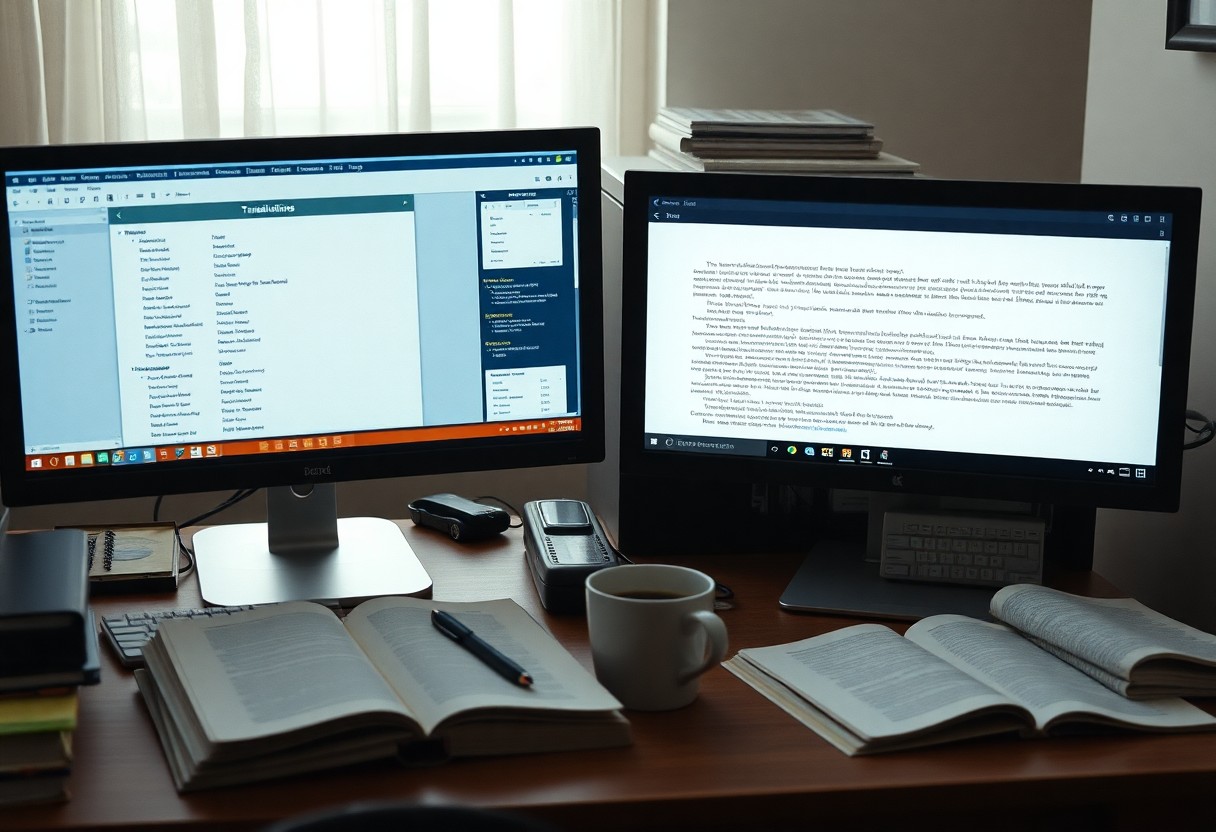
Just because you have access to translation tools doesn’t mean you’re fully leveraging their potential. Many professionals inadvertently fall into the trap of copy-pasting text without utilizing translation memories (TMs), which can enhance the efficiency and consistency of their projects. This post aims to clarify the differences between mere copy-pasting and using TMs, highlighting how the latter can improve workflow, reduce costs, and ensure higher quality translations. Join us as we explore the benefits of employing translation memories in your language projects.
The Mechanics of Translation Memories
Translation memories (TMs) operate as dynamic databases that store previously translated segments of text, often organized by source and target language pairs. Each time a translator works on a document, the TM identifies matching segments from its database. These matches can range from exact matches—where the source text appears word-for-word in the database—to fuzzy matches that closely resemble previous translations. Essentially, TMs enable a more streamlined translation process, allowing for consistency and efficiency across projects while reducing repetitive work.
How Translation Memories Work Behind the Scenes
Behind the scenes, translation memories function by using algorithms to break text into manageable segments, typically sentences or phrases. When a new text is inputted, the TM scans its stored translations and highlights any segments that align with its database. This not only accelerates the translation process but also ensures that terminology remains consistent and accurate across various documents. Many modern TMs integrate seamlessly with other translation tools, enhancing their versatility and usability.
The Benefits of Integration into Workflow
Integrating translation memories into existing workflows offers significant advantages, such as enhanced collaboration, improved quality assurance, and time savings. By allowing multiple translators to access a shared TM, organizations can maintain a unified voice across various translations while easily updating and refining terminology. Companies can leverage TMs not only to streamline their processes but also to accumulate valuable language resources over time, making future projects even more efficient and accurate.
This integration is particularly beneficial in large-scale translation projects where consistency is vital. According to a study by CSA Research, organizations that utilize translation memories can achieve up to 50% savings in translation costs, thanks in part to reduced redundancy and improved speed. Regular updates to TMs also mean that as terminology evolves, translators can quickly adapt, which is vital in fast-paced sectors like technology or medicine. Thus, the integration of TMs isn’t just about improving individual efficiency; it’s about building a smarter, more coordinated approach to translation efforts overall.
The Pitfalls of Copy-Paste Practices
Utilizing simple copy-paste methods may seem efficient at first glance, but this practice can lead to significant pitfalls that compromise quality. The ease of manually replicating text often results in the overlook of context, cultural nuances, and linguistic accuracy. Relying on this method means you risk producing inconsistent translations that fail to resonate with your target audience.
The Accuracy Dilemma of Manual Copying
Manual copying can easily introduce errors, as slight differences in syntax or punctuation can alter meaning in profound ways. A direct copy may miss subtleties that a professional translator would catch, resulting in potentially misleading messages. These inaccuracies not only hinder communication but can also damage a brand’s reputation in the global marketplace.
Consequences for Consistency and Brand Voice
Inconsistent messaging arises when different translators or tools are used for various projects, leading to disparate tones and styles. A uniform brand voice requires coherent style guidelines that copy-paste practices often neglect. Consequently, audiences may receive mixed signals about a brand’s identity, weakening customer trust and engagement.
A strong, consistent brand voice is necessary for building lasting relationships with consumers. Inconsistent language can create confusion, making it difficult for audiences to grasp a brand’s core values. For example, a tech company that switches between casual and formal language across platforms may alienate users who prefer a specific tone, ultimately affecting customer loyalty. A well-designed translation memory system ensures that the same phrases convey the same meaning and tone across all materials, helping to uphold the integrity of the brand’s voice.
Why Quality Over Speed Should Be Your Priority
Focusing on quality rather than speed may require a shift in mindset, particularly in high-stakes industries where precision is important. While rapid turnaround times might seem appealing, the lasting value of well-translated content far exceeds the temporary satisfaction of hastily produced material. Clients appreciate and rely on messages that resonate accurately across languages, which can ultimately lead to stronger brand loyalty and increased revenue. Investing in quality assurance processes today can save considerable resources in the long run, reinforcing the idea that it’s better to do things right the first time.
The Long-Term Cost of Inaccuracies
Inaccuracies can lead to miscommunications that ripple through marketing campaigns and customer service interactions. Rectifying such errors often involves more than just rewriting text; it can necessitate rebranding efforts or legal consultations, which add up significantly to costs. For instance, a poorly translated ad may not only fail to connect with the target audience but can also damage brand reputation—ultimately costing companies in lost sales and diminished consumer trust. A focus on precision ensures that messaging is not only clear but also culturally relevant, standing the test of time among diverse audiences.
Case Studies: Brands That Suffered From Shortcutting
Several brands learned the hard way that prioritizing speed over quality can have severe repercussions. For example, when a multinational company launched a product in China, they used a translation tool that inaccurately conveyed its branding message, resulting in a substantial drop in sales—up to 20%—within the first quarter. Similarly, a well-known soft drink brand faced backlash when a campaign translated as “Pepsi brings your ancestors back from the grave” in a certain market. Such slip-ups underline the significance of careful translation practices.
- Pepsi’s campaign in China led to a 20% drop in sales due to an embarrassing mistranslation.
- In 2009, United Airlines suffered a PR crisis when a poorly translated safety video aired in Spain, resulting in a 15% increase in service complaints.
- Kraft Foods lost a significant contract after a product name was mistranslated in Latin America, costing them several million dollars.
- The luxury car manufacturer Audi faced backlash in 2011 after an ad miscommunication in the Middle East, which damaged its reputation and led to a sales decline of over 10% in the region.
These examples serve as cautionary tales about the dangers of cutting corners in translation and localization work. The financial implications can be staggering, but equally important is the impact on brand integrity. Companies that forego robust translation processes may find that the reputational damage far outweighs any benefits gained from accelerating the go-to-market timeline.
Best Practices for Implementing Translation Memories
Maximizing the potential of translation memories begins with best practices that ensure seamless integration into your workflow. Aligning your translation objectives with the right strategies can enhance consistency, reduce costs, and streamline the entire translation process, ultimately delivering a better experience for both translators and clients.
Selecting the Right Tools for Your Needs
Choosing the appropriate translation management system or CAT tool directly influences the effectiveness of translation memories. Consider factors such as integration capabilities, user-friendliness, and scalability based on your specific project volume. Tools like SDL Trados, Memsource, or Smartcat each offer distinct features tailored for various types of workflows, making proper selection paramount.
Training Your Team to Utilize Resources Effectively
An informed team can significantly enhance the productivity and precision of translation efforts. Providing comprehensive training on how to best utilize translation memory technology, as well as best practices for entering and storing translations, is necessary for minimizing inconsistencies and maximizing the tool’s advantages.
Interactive workshops and ongoing support can boost understanding and confidence among team members. For instance, setting up regular sessions can facilitate discussions on common challenges and successful strategies in using translation memories. Sharing case studies that demonstrate the time and cost savings achieved through effective use of these resources can further motivate your team, showcasing the tangible benefits that translate into improved output and satisfied clients. Continuous feedback regarding the use of translation memories can also foster a culture of improvement, leading to refined practices over time.
The Future of Translation: Moving Beyond Copy-Paste
As the translation landscape evolves, reliance on basic copy-paste methods is gradually dwindling. Future advancements promise a more nuanced and effective approach to language translation that prioritizes context, cultural nuances, and subject-specific jargon. By integrating innovative technologies, businesses can enhance communication strategies, ensuring they resonate authentically across diverse audiences. The shift towards more sophisticated translation methods opens doors for richer, deeper interactions between languages and cultures.
Innovations Shaping the Translation Landscape
Numerous innovations are transforming the translation field, including the emergence of cloud-based translation platforms and collaborative tools that promote real-time editing. These technologies not only streamline workflows but also enable teams to work in a more synchronized manner, reducing the chances of errors. Enhanced linguistic databases and interactive glossaries further support translators in making informed decisions, ensuring clarity and consistency across multilingual projects.
The Role of AI and Machine Learning in Translation
Artificial Intelligence (AI) and Machine Learning (ML) are revolutionizing translation by enabling systems to learn from vast datasets, improving accuracy and fluency over time. These technologies analyze language patterns and context, assisting translators in generating more refined translations that incorporate idiomatic expressions and regional variations.
Machine learning algorithms, capable of processing thousands of sentences, continuously refine their understanding of language nuances, allowing for dynamic adaptations in translation output. For instance, neural machine translation systems use deep learning techniques to produce more human-like translations by considering entire sentences rather than breaking them down into smaller parts. This advancement facilitates not only linguistic accuracy but also a better grasp of cultural nuances, significantly enhancing user experience. As AI continues to evolve, its integration with human expertise is expected to yield even greater refinements in translation quality, moving the industry beyond mere copy-pasting into a new era of contextual communication.
Final Words
Considering all points, the distinction between using translation memories and simple copy-paste methods profoundly influences the quality and efficiency of your translation projects. While copy-pasting may seem convenient, it often lacks the consistency and context that a well-maintained translation memory provides. By leveraging translation memories, you can enhance accuracy, ensure uniformity across projects, and ultimately improve client satisfaction. Embracing this technology not only streamlines workflow but also fosters a professional approach to translation that meets the demands of today’s global market.
Q: What are Translation Memories (TMs) and how do they work?
A: Translation Memories (TMs) are databases that store previously translated segments of text, such as sentences or phrases, along with their corresponding translations. When a new text comes in for translation, translation software can search the TM for any matches or similar segments. This allows translators to maintain consistency across translations and re-use existing translations, which can save time and effort. Essentially, TMs help in building a repository of translations that can be leveraged in future projects.
Q: How does using TMs differ from simply copy-pasting text?
A: While copy-pasting involves directly taking text from one source and placing it in another without any contextual consideration, using TMs is a more systematic approach. TMs analyze the context of phrases and provide translations that not only match the words but also fit the surrounding content and terminology. This method ensures the final output is coherent and contextually appropriate as opposed to a potentially disjointed text that may arise from copy-pasting.
Q: What are the benefits of utilizing Translation Memories in a translation process?
A: Utilizing Translation Memories offers several advantages, such as improved consistency in terminology, reduced turnaround times for large projects, and cost savings over time. Since TMs store previously translated content, they facilitate the reuse of translations, making it easier to handle recurring content. Additionally, they enable translators to work more efficiently by providing immediate access to relevant translations, helping them focus on new or complex sections rather than re-translating what has already been done.