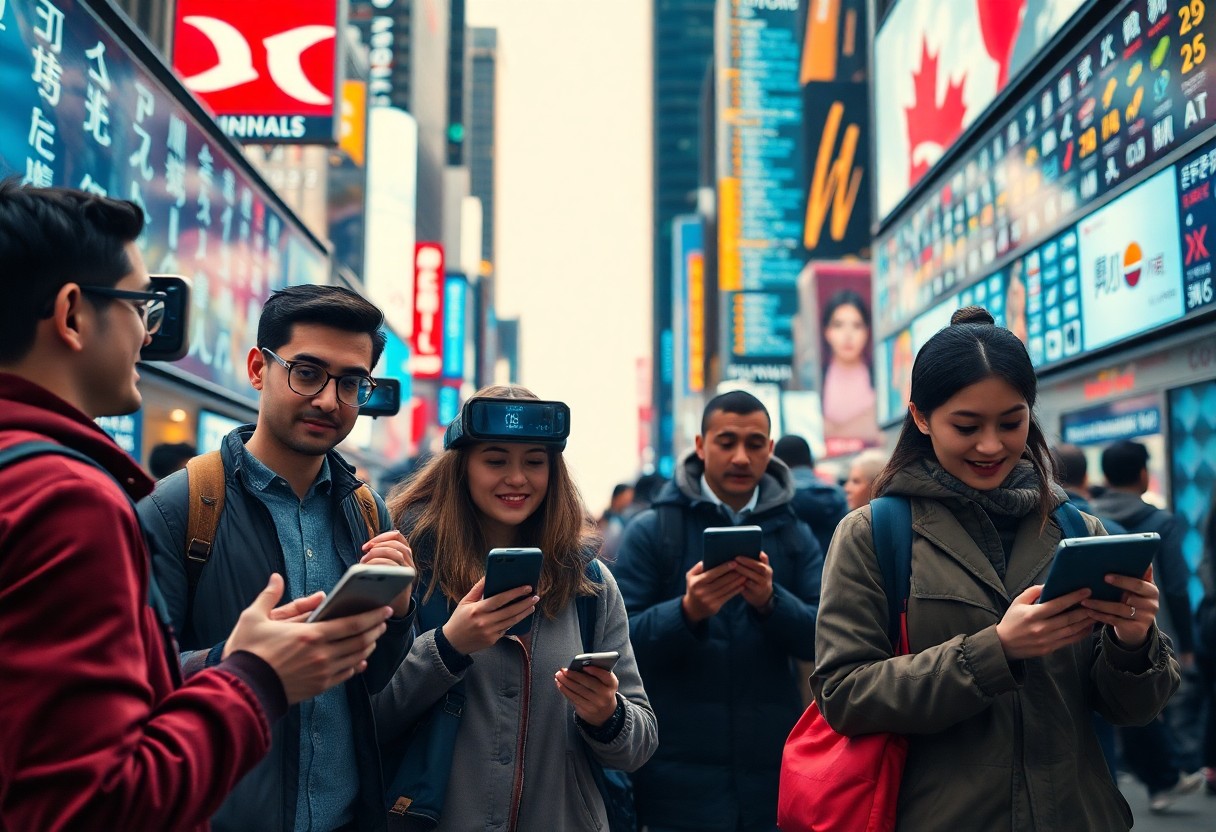
You stand on the brink of a transformative era in communication, as artificial intelligence continues to advance the field of language translation. With cutting-edge technologies like neural networks and machine learning, AI is not only enhancing the accuracy of translations but also allowing for real-time communication across language barriers. This post will explore the innovations shaping the future of AI-driven translation services, their potential applications, and the implications for global interactions. Join us as we probe into the evolving landscape of language translation powered by AI.
Current State of AI Translation Technology
The field of AI translation technology has advanced significantly in recent years, driven by the increasing need for real-time and accurate communication across various languages. AI systems are now capable of handling complex language constructs and idiomatic expressions, largely thanks to the rapid development of machine learning approaches. Businesses and individuals alike are leveraging these technologies to break language barriers, thereby facilitating smoother interactions in an increasingly globalized world. From chatbots to real-time subtitles, AI-driven translation tools are becoming indispensable to modern communication.
Neural Machine Translation Systems
Above all, neural machine translation (NMT) systems have revolutionized the industry by employing deep learning techniques to provide more nuanced translations. By utilizing neural networks, these systems can analyze entire sentences rather than translating word by word, resulting in contextually appropriate translations. Companies like Google and Microsoft have transitioned to NMT models, which have proven more effective in maintaining the semantic meaning of the original text, even in complex phrases and idiomatic expressions. However, challenges remain, particularly with low-resource languages, where data scarcity can hinder model performance.
Deep Learning Algorithms in Translation
By leveraging deep learning algorithms, AI translation systems are able to better understand the intricacies of human language. These algorithms employ techniques such as attention mechanisms, which allow the model to focus on relevant parts of the input during the translation process, enhancing accuracy. This significant leap in capability has reduced errors and improved the fluidity of translations, making AI tools increasingly useful in professional and casual settings alike. The ongoing research into enhancing these algorithms is a testament to the technology’s potential for further refinement.
Further exploration into deep learning algorithms shows that they are continually evolving to address specific challenges posed by language translation. For instance, newer models are being developed to tackle contextual awareness and cultural nuances that often escape traditional translation methods. Additionally, the integration of reinforcement learning techniques can help systems learn from user interactions, reinforcing positive outcomes and adapting to individual linguistic preferences over time. As these advancements unfold, the future of AI in language translation appears brighter and more dynamic.
Key Components of AI Translation
If we are to truly understand the future of AI in language translation, we must first examine its key components. At the forefront is Natural Language Processing (NLP), a subset of artificial intelligence that focuses on the interaction between computers and humans through natural language. This technology allows machines to understand, interpret, and generate human language in a way that is both meaningful and contextually relevant. As advancements in NLP continue to evolve, they enable more accurate and nuanced translations that account for idioms, cultural references, and the intricacies of grammar across various languages.
Natural Language Processing
About NLP’s role in AI translation cannot be overstated. By employing algorithms that analyze language structure and semantics, NLP facilitates a deeper comprehension of text and spoken language. It accomplishes this through processes such as tokenization, syntactic parsing, and semantic analysis, which allow AI systems to break down communication into manageable components and derive meaning from them. As NLP technologies improve, they are increasingly capable of handling ambiguous phrases and understanding context, making AI interpretations more reliable.
Machine Learning Models
Between traditional rule-based translation systems and current AI-driven models, machine learning has revolutionized the translation landscape. Machine learning models are trained on vast datasets containing pairs of text in different languages, learning to identify patterns and relationships between words and phrases. This process enables these models to generate translations that are not only accurate but also fluent and natural-sounding. As they are exposed to more data, these models can continually refine their outputs, increasing their overall effectiveness.
Processing changes in language and evolving communication styles is necessary for maintaining an effective translation system. Machine learning models utilize techniques like neural networks and deep learning to optimize translation accuracy significantly. They can detect and adapt to the nuances of language, cultural subtleties, and even the context in which certain phrases are used. As a result, these models are increasingly capable of delivering high-quality translations that reflect not just literal meanings but also the emotional tone and intent behind the words. Such advancements pave the way for more intelligent and user-friendly translation solutions, aiding global communication and understanding.
Challenges and Limitations
Even as AI technology advances, language translation faces several challenges that can hinder its effectiveness. One of the standout issues is the complexity of human communication, which often goes beyond mere words and grammar. Language is deeply interwoven with culture, emotion, and shared experiences; therefore, translations may fail to capture the full essence of a conversation. Misinterpretations can lead to embarrassing or even detrimental outcomes, eroding trust in automated systems designed for communication.
Additionally, the diversity of languages presents particular hurdles. There are over 7,000 languages spoken worldwide, and many languages have various dialects, idioms, and regional variations that are not easily quantifiable. While AI models can be trained on large datasets, they may still lack the subtlety required to navigate these linguistic intricacies effectively. This limitation can result in translations that, while grammatically correct, miss the mark in conveying the intended meaning, tone, or urgency of the original message.
Cultural Context and Nuances
An important aspect of language translation that AI often struggles to grasp is the cultural context and nuances that inform communication. For instance, phrases, jokes, or references that are commonplace in one culture may carry different connotations in another or may not translate well at all. Without a deep understanding of these cultural subtleties, AI may produce translations that sound unnatural, misleading, or even offensive to native speakers.
Moreover, cultural context is dynamic and can evolve over time, further complicating the challenge for AI systems that are based on historical data. Translators often rely on their knowledge of current events, societal norms, and regional dialects to produce meaningful translations, all of which may elude an algorithm. This gap can make it particularly difficult for AI to facilitate truly effective cross-cultural communication, as it often lacks the human touch required for nuanced understanding.
Technical Barriers and Accuracy Issues
At the same time, technical barriers and accuracy issues present significant limitations to the current capabilities of AI in language translation. Even the most sophisticated translation algorithms may struggle to achieve the level of accuracy that human translators can offer, especially in complex contexts or specialized fields. While progress has resulted in improvements for common languages, many less widely spoken languages still have resource gaps, lacking the necessary training data to achieve high-quality translations.
Plus, issues such as context ambiguity, slang, and jargon further hinder accuracy in translation. AI systems can sometimes misinterpret context, leading to errors that may alter the intended message significantly. Furthermore, technical challenges such as insufficient training data for niche or emerging languages can leave AI models ill-equipped to provide reliable translations. Consequently, while advancements in AI continue to push the envelope, achieving universal and seamless language translation remains a work in progress, necessitating ongoing innovation and refinement.
Industry Applications
Business and Commerce
All industries are experiencing a transformation in communication due to advancements in AI-driven language translation. Businesses are now able to engage seamlessly with global markets, breaking down language barriers that previously hampered expansion. AI-powered tools can handle large volumes of text, enabling organizations to localize their marketing materials, websites, and customer support effectively, thus enhancing customer experience and satisfaction in diverse regions.
The incorporation of AI translation technologies also optimizes supply chain management and collaboration across international teams. With real-time translation capabilities, employees from different linguistic backgrounds can communicate effortlessly, fostering a more inclusive workplace and streamlining workflows. This translates to increased efficiency, reduced miscommunication, and ultimately, better decision-making across multinational corporations.
Healthcare and Scientific Research
Scientific breakthroughs and healthcare innovations often require an exchange of information beyond linguistic confines. AI translation technologies facilitate collaboration within the global scientific community by providing accurate and rapid translations of research papers, clinical studies, and medical documentation. This ensures that critical knowledge disseminates efficiently, promoting advancements and keeping professionals informed in real-time.
Healthcare professionals can leverage AI translation tools to communicate effectively with patients from diverse linguistic backgrounds, thereby enhancing the quality of care provided. Consistent access to translated medical records and treatment plans helps minimize misunderstandings that could lead to adverse health outcomes. In clinical settings, AI can assist in translating instructions and medication labels, making it easier for both providers and patients to understand vital information. Additionally, multicentric trials can benefit from AI’s capability to provide multilingual support, ensuring that all stakeholders are well-informed and involved in research processes.
Healthcare systems that invest in AI translation technology will not only improve patient outcomes but also enhance operational efficiency. By streamlining communication between providers and patients, as well as among healthcare teams, institutions can foster a more synchronized approach to patient care and scientific discovery.
Impact on Professional Translation
Once again, the advancements in AI technology are poised to redefine the landscape of professional translation services. Initially, many viewed AI translation tools with skepticism, fearing that machines would completely replace human translators. However, the reality is far more nuanced: while AI can handle routine tasks and basic translations with impressive speed and accuracy, it cannot fully replicate the complexities of cultural nuances, idiomatic expressions, and emotional context that human translators bring to the table. This complementary relationship between humans and AI is reshaping the industry, leading to more efficient workflows and improved output quality.
Human-AI Collaboration
Across various sectors, professionals are beginning to harness the capabilities of AI to enhance their translation work. Rather than competing against AI, translators are increasingly viewing these advanced tools as partners that can assist with cumbersome tasks, allowing them to focus on more nuanced elements of language. This collaboration not only streamlines the translation process but also minimizes the potential for human error. For instance, AI can quickly generate rough drafts that human translators can refine, ensuring that the final product captures the intended message and tone more effectively than AI alone could achieve.
Changing Role of Human Translators
Among the most significant shifts in the translation industry is the evolving role of human translators. As AI takes over basic translation tasks, these professionals are being called upon to operate as language experts, cultural consultants, and quality control specialists. Their expertise will be invaluable in fine-tuning machine-generated translations and ensuring that intricate cultural elements are preserved. This transition allows translators to engage in higher-level thinking as they manage the output of AI systems and apply their linguistic skills in more complex contexts.
Plus, as the technology improves, so too will the demand for translators with specialized knowledge in fields such as legal, medical, or technical translation. With AI managing straightforward translations, human translators can investigate deeper into these specialized areas, requiring an understanding of both subject matter and cultural context. This not only enhances their professional skill set but also opens new avenues for career advancement in an evolving landscape where human expertise remains integral to successful and accurate communication across languages.
Future Developments
Keep an eye on the rapid advancements in artificial intelligence and machine learning, as these technologies are set to revolutionize the field of language translation. With the integration of neural networks and deep learning algorithms, current translation tools are becoming increasingly adept at understanding context, nuances, and cultural subtleties. The future promises even more sophisticated systems that can support real-time translation in spoken languages, enhancing global communication and collaboration.
Emerging Technologies
Above all, the development of emerging technologies such as quantum computing and edge AI is likely to accelerate the progress of language translation capabilities. Quantum computing has the potential to process vast amounts of linguistic data at unprecedented speeds, allowing for the generation of highly accurate translations in a matter of seconds. Meanwhile, edge AI will enable translation applications to function effectively on local devices without relying solely on cloud services, improving accessibility and privacy for users across the globe.
Predicted Advancements
One of the most exciting predictions for the future of AI in language translation is the rise of multimodal translation systems. These systems will not only translate text but also interpret images, audio, and video to provide context-rich translations. By harnessing deep learning techniques and large datasets, companies are anticipated to create solutions that can automatically align visuals and text, leading to an intuitive understanding of content for users across diverse languages—whether in social media, gaming, or e‑learning environments.
Also, increased focus on user interaction is expected to drive the evolution of translation tools. Future advancements may include personalized translation experiences that adapt to individual preferences, learning styles, and cultural backgrounds, ensuring that users receive translations that resonate deeply with their understanding and communication needs. As these technologies continue to evolve, we can anticipate a world where language barriers diminish significantly, fostering enhanced global connectivity and collaboration.
Summing up
Summing up, the future of AI in language translation holds immense promise as advancements continue to reshape how we understand and communicate across linguistic barriers. Techniques such as neural machine translation, coupled with deep learning algorithms, have already demonstrated significant improvements in accuracy and fluency. As AI models evolve, they are expected to incorporate greater contextual understanding and cultural nuances, allowing for even more precise translations that can cater to the subtleties of human language. Moreover, with the integration of real-time translation capabilities in various platforms, communication will become increasingly seamless in global contexts.
Furthermore, as AI tools become more accessible, we anticipate a democratization of language translation services that will empower individuals and businesses alike. Such tools are likely to transcend mere translation functionality, incorporating features that enhance localization, sentiment analysis, and idiomatic expressions. The collaborative efforts between technology developers and linguists will also play a pivotal role in refining these systems to reflect the evolving nature of language. Hence, the trajectory of AI in language translation suggests a future where language is no longer seen as a barrier but as a bridge, fostering greater understanding and connection among diverse cultures.
FAQ
Q: How will AI improve the accuracy of language translation in the future?
A: AI is expected to enhance the accuracy of language translation through advanced machine learning algorithms that can analyze context, idioms, and cultural nuances. By leveraging vast datasets and neural networks, AI can better understand the intent and meaning behind phrases, leading to more precise translations. Continued improvements in natural language processing (NLP) will allow AI to differentiate between languages that may have subtle distinctions, improving clarity and relevancy in translated texts.
Q: What role will real-time translation technology play in global communication?
A: Real-time translation technology powered by AI is set to significantly bridge communication gaps across the globe. With advancements in mobile applications and wearables, users will be able to communicate instantly in different languages. This technology will foster collaboration in international business, education, tourism, and social interactions. Furthermore, AI-driven voice recognition and translation tools will enhance the conversational flow, making conversations more natural and efficient.
Q: What challenges do developers face in creating more refined AI translation tools?
A: Developers encounter several challenges when creating more effective AI translation tools. One major challenge is tackling linguistic diversity, including regional dialects and slang, which often do not have standardized translations. Additionally, the variability in sentence structure and grammar across languages complicates accurate parsing. Another hurdle is cultural sensitivity—ensuring that translations appropriately reflect local customs and connotations. Developers must also focus on mitigating biases present in training data to provide equitable translations across various languages.