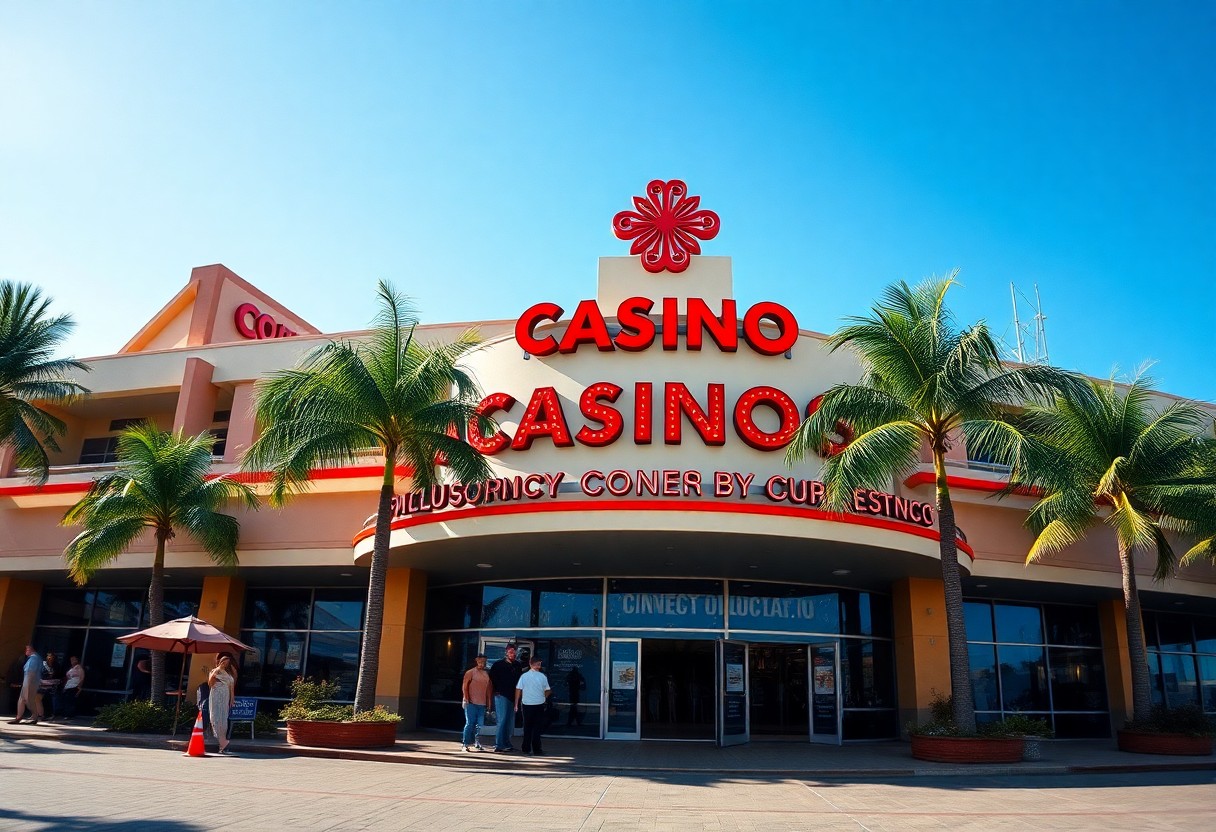
Just as the global gambling industry continues to evolve, St. Lucia presents an enticing opportunity for entrepreneurs looking to establish a gambling company in 2025. With its welcoming regulations and stunning Caribbean backdrop, the island is positioning itself as an attractive hub for gaming ventures. This blog post will guide you through the crucial steps, legal requirements, and market landscape that aspiring business owners need to navigate to successfully launch their gambling enterprise in this tropical paradise.
The Allure of St. Lucia: Why Choose This Caribbean Gem for a Gambling Venture?
Economic Stability and Growth Projections
St. Lucia has demonstrated a resilient and growing economy, showing an impressive recovery trajectory in the aftermath of the global pandemic. According to recent reports, the country’s GDP is projected to grow by approximately 5% over the next few years as tourism rebounds and new industries, including technology and renewable energy, gain traction. The government’s proactive policies to stimulate investment further enhance the economic landscape, making it an attractive environment for venture capitalists and entrepreneurs alike. Strong governmental backing and incentives tailored for startup companies, particularly in the gambling sector, underscore the national commitment to economic diversification and growth.
Investing in a gambling venture in St. Lucia not only aligns with the country’s economic growth but also presents an opportunity to tap into evolving market trends. The gaming industry is recognized as a key driver of job creation and revenue generation. Current projections indicate that the sector could see compounded annual growth rates of up to 8% globally, driven in part by increasing consumer engagement and technology advancements. St. Lucia, with its favorable business climate and strategic location, positions itself as a prime player in this expanding market.
Tourism and Its Impact on Gambling Opportunities
St. Lucia is a crown jewel in Caribbean tourism, attracting over 400,000 visitors annually, who come to experience its stunning beaches, vibrant culture, and lush landscapes. The allure of the island serves as a significant catalyst for the gambling industry, providing a steady influx of both local and international tourists with disposable income. Establishing a gambling operation in such a vibrant tourist hotspot offers businesses a unique opportunity to capitalize on the dual draw of entertainment and leisure, making it a favored destination for travelers seeking a blend of relaxation and excitement.
With the tourism sector poised for continued growth, the synergistic relationship between gambling and hospitality in St. Lucia becomes evident. Tourists are increasingly seeking diverse activities beyond traditional beach vacations, highlighting a notable trend toward immersive experiences that combine local culture and entertainment. As a result, opening a gambling establishment not only adds to the variety of attractions available to holidaymakers but also creates an engaging environment that encourages extended stays and repeat visits, ultimately benefiting both businesses and the local economy.
Navigating the Legal Landscape: Gambling Regulations in St. Lucia
Current Gambling Laws and Regulations
St. Lucia has established a regulatory framework regulating gambling activities, driven by the Gaming Control Act, which was introduced in 2014. This act governs various aspects of gambling, including casinos, sports betting, and online gambling operations. The Gaming Authority, formed under this act, oversees licensing, compliance, and enforcement, ensuring that operators adhere to the standards designed to protect consumers and promote responsible gambling. The regulations also impose strict measures against money laundering and other illegal activities, reflecting the island’s commitment to maintaining a reputable gambling industry.
Moreover, taxes on gambling revenues are structured to provide significant contributions to the national treasury. Operators are obligated to pay a percentage of their income as a tax, which is aimed at economic development initiatives. As part of the legal environment, St. Lucia promotes transparency and ethical conduct by requiring operators to submit periodic reports detailing their financial operations and compliance with the regulatory framework.
Licensing Requirements for New Operators
Securing a gambling license in St. Lucia involves a comprehensive application process that is crafted to ensure operators meet high standards of integrity and financial stability. Prospective gambling companies must provide detailed documentation, including a business plan that outlines their operational strategy, target markets, and expected revenue streams. Background checks on key personnel are mandatory to assess their qualifications and history in the gambling industry. Furthermore, financial disclosures that demonstrate funding capacity and sound fiscal management are imperative for gaining approval.
The entire licensing process typically spans several weeks to months, with fees varying by the type of gaming operation. Initial application fees cover processing, while annual renewal costs are determined based on the nature of the gambling activity. Applicants should expect to engage in thorough discussions with the Gaming Authority, as they will seek assurance that the company will adhere to all regulations and contribute positively to the local economy. Maintaining transparency and cooperation with regulatory bodies not only enhances the chances of obtaining a license but also helps in building a trustworthy brand in a highly competitive market.
Financial Foundations: Capital Requirements for Starting a Gambling Company
Estimated Startup Costs and Funding Sources
Launching a gambling company in St. Lucia will demand substantial initial capital, often ranging from $250,000 to over $5 million, depending on the scale and scope of the enterprise. This investment includes various elements such as licensing fees, which can vary significantly; for instance, a gaming license in St. Lucia can cost between $50,000 to $150,000. Additionally, costs associated with securing a physical location, building infrastructure, acquiring technology platforms, and marketing initiatives must be factored into the overall budget. Leveraging local partnerships and understanding regional market dynamics can provide opportunities to mitigate some of these expenses.
Funding sources for such ventures frequently come from a mix of personal investment, venture capital, or even crowdfunding platforms tailored for startup businesses. Collaborating with financial institutions that understand the gaming landscape can streamline the funding process, while angel investors might be attracted to the potential for high returns within the gambling industry. Establishing a clear business plan that outlines not only startup costs but also operational strategies will be key in attracting viable investment.
Financial Projections: Revenue Models and Profitability Analysis
Understanding the financial dynamics of a gambling company involves analyzing revenue models such as sports betting, casino games, and online gambling platforms. Each segment offers its unique methods of generating income, which often include commission-based earnings, house edges for games, and subscription fees for online services.
Projected revenue growth rates can vary widely based on market penetration and regulatory changes but considering an average growth rate of around 10% annually for established gambling markets can serve as a baseline for profitability projections. When forecasting, it becomes vital to utilize competitive analysis and industry benchmarks to gauge realistic performance expectations while factoring in operational costs, tax obligations, and compliance expenses to achieve a clear profitability roadmap.
In developing a comprehensive financial projection model, assessing key performance indicators (KPIs) such as customer acquisition costs, lifetime value of customers, and gross gaming revenue can provide insights into financial health. Establishing benchmarks based on industry averages will help in creating distinct revenue targets, which can provide motivation and direction throughout the growth of the company. Ultimately, the capacity to adapt to market changes and optimize the business models will significantly impact long-term sustainability and profitability in the competitive landscape of St. Lucia’s gambling industry.
Crafting a Winning Business Strategy: Key Components for Success
Market Research: Identifying Your Target Audience
Understanding the potential player base is the cornerstone of a successful gambling operation. Conducting comprehensive market research involves analyzing demographics, preferences, and behavior patterns to identify your target audience. For instance, younger adults may gravitate towards online gaming with mobile compatibility, while older generations might prefer traditional casino experiences. Incorporating surveys, focus group discussions, and competitor analyses can reveal gaps and opportunities to tailor your offerings accordingly.
Profiling your audience extends beyond basic demographics; it’s important to understand their motivations for gambling. Are they seeking leisure, social interaction, or the thrill of winning? By identifying segments within your target market, such as high-rollers versus casual gamers, you can develop more personalized marketing strategies that resonate with each group. Utilizing analytics tools to track user behaviors and preferences will provide continuous insights to refine your approach.
Unique Selling Proposition: Differentiating Your Gambling Offerings
Creating a unique selling proposition (USP) is vital to stand out in the competitive gambling landscape. With numerous casinos and online gaming platforms vying for attention, your company must offer something distinct that draws players in. This could be a unique theme for your casino, exclusive gaming options, or superior customer service that enhances the gambling experience. For example, incorporating innovative technology like virtual reality in games can engage tech-savvy players while providing an immersive experience.
Other areas to consider for differentiation include loyalty programs that reward frequent players, partnerships with popular influencers or local celebrities to enhance brand credibility, and themed events that attract new customers. By ensuring your offerings are aligned with current trends and player interests, you can cultivate a loyal customer base that returns for the uniqueness of your proposition.
When establishing a USP, take the time to analyze competitors and ask current or potential customers what they feel is missing in the market. By tapping into these insights, you’ll not only create a distinctive identity but also foster lasting relationships with players drawn to your brand’s unique attributes. Whether it’s exceptional service, cutting-edge technology, or a striking atmosphere, defining your USP could be the deciding factor that elevates your enterprise above the rest.
Technology Transformation: Choosing the Right Platform for Your Gambling Business
Online vs. Land-Based Operations: Pros and Cons
Deciding between online and land-based gambling operations involves weighing various factors that can impact your business’s success in St. Lucia. While both avenues offer unique opportunities, they also come with distinct challenges that can affect overall profitability and player experience. Online gambling allows for a broader reach; the digital landscape provides access to a global audience 24/7. However, it demands a robust technological infrastructure, ongoing security measures, and favorable regulatory compliance to function smoothly. In contrast, land-based establishments can create an immersive experience that fosters community and customer loyalty, yet they require significant capital investment and ongoing operational costs.
Pros and Cons
| Pros | Cons |
|————————————|————————————|
| Global reach and accessibility | High competition in the online space|
| Lower operating costs | Significant marketing challenges |
| 24/7 availability | Dependence on technology |
| Potential for scalable growth | Requires substantial upfront investment for land-based |
| Variety of promotional methods | Physical location limits customer base |
| Ability to track player behavior | Complex regulations and compliance issues |
| Faster payment processing | Higher employee management costs |
| No geographical boundaries | Risk of player fraud and scams |
| Flexible game offerings | Infrastructure required in land-based |
| Opportunity for innovative technologies | Higher risk of localized regulations |
Essential Technology Components: Software and Security Considerations
Building a gambling business in St. Lucia necessitates not only a captivating user experience but also a secure, reliable technology infrastructure. Software selection plays a pivotal role in defining how players interact with your platform. Opting for customizable, user-friendly systems can enhance engagement and streamline operations. For online platforms, choosing a reputable software provider that specializes in gambling solutions can facilitate compliance with local regulations, ensuring operational legitimacy. Moreover, focusing on mobile compatibility is vital, as a significant portion of players prefers accessing games via their smartphones. This adaptability can substantially boost your company’s reach and player retention.
Security considerations are equally paramount, given the sensitive nature of gambling transactions. Implementing advanced encryption protocols and secure payment gateways is non-negotiable to safeguard player data and maintain trust. Regular audits and compliance checks can help identify vulnerabilities and mitigate risks before they escalate into potential threats. Collaborating with cybersecurity experts to set up rigorous testing processes can further fortify your platform’s integrity. A reliable, secure technology framework doesn’t just meet regulatory requirements; it also fosters player confidence, encouraging them to engage and invest in your offerings.
Marketing Madness: Strategies to Launch and Promote Your Gambling Brand
Digital Marketing Techniques: SEO, Social Media, and Online Advertising
Harnessing the power of digital marketing can propel your gambling brand into a leading position within the competitive landscape. Implementing an effective SEO strategy enhances your website’s visibility on search engines, making it easier for potential customers to find your services. For instance, optimizing your site with targeted keywords related to gambling, such as “online casino St. Lucia,” can significantly increase organic traffic. Tools like Google Analytics allow operators to analyze user behavior and adjust their strategies accordingly, ensuring that visitors convert into active players.
Social media platforms serve as a dynamic environment for engagement, allowing brands to connect with an extensive audience. Leveraging visuals and short videos showcasing gameplay, promotions, and customer testimonials can build a community around your brand. Additionally, utilizing paid online advertising through platforms like Facebook and Instagram can create targeted campaigns that reach specific demographics, further establishing your gambling company’s presence. Collaborations with influencers in the gaming industry can amplify your outreach and tap into their established follower base, generating excitement and anticipation around your launch.
Traditional Marketing Approaches: Leveraging Local Media and Partnerships
A well-rounded marketing strategy for your gambling company should also include traditional methods that resonate with local audiences. Partnering with local media outlets, such as radio stations, newspapers, and magazines, can help cultivate a strong brand presence within the St. Lucia community. Consider sponsoring local events or sports teams to create goodwill and promote your brand organically. Additionally, creating promotional materials like flyers or posters to be distributed at key locations such as hotels or travel agencies can effectively reach tourists.
Participating in community events not only helps generate buzz around your brand but also builds trust and credibility with potential customers. Forming alliances with local businesses, such as restaurants or recreational venues, can create cross-promotional opportunities, where both parties benefit from shared audiences. This localized approach can contribute significantly to customer loyalty, with new players feeling more inclined to visit a brand they recognize within their community.
Building a Responsible Gambling Environment: Ethical Considerations and Practices
Importance of Player Protection and Responsible Gaming Policies
Player protection serves as the bedrock of a sustainable gambling operation. Implementing robust responsible gaming policies not only fosters customer trust but also ultimately helps in mitigating the risks associated with gambling addiction. Many successful, reputable operators employ algorithms that monitor player behavior in real-time, allowing them to identify signs of problem gambling and intervene before the situation escalates. For instance, offering self-exclusion tools, deposit limits, and time-out features enables players to enjoy a safe gambling environment, supported by the operator’s commitment to responsible practices.
Establishing age verification systems is another key element in ensuring player protection. Given that St. Lucia’s gambling sector would largely cater to tourists and locals, using advanced technology like biometrics and data analytics can efficiently validate player identities. Compliance with internationally recognized standards, such as those set by the Responsible Gambling Council, helps in setting a company apart in a competitive market while simultaneously contributing to the public welfare through promotion of safe gambling habits.
Collaborating with Local Organizations for Community Support
Partnering with local organizations that focus on addiction prevention and education strengthens the commitment to responsible gambling. By collaborating with established entities in St. Lucia, a gambling operator can facilitate community workshops, sponsor helplines, and provide training for staff on how to assist at-risk individuals.
Through such partnerships, operators can gain firsthand insights into the specific challenges within the community, developing tailored initiatives that not only provide support but also enhance their social responsibility profile. Additionally, organizations can help promote awareness campaigns about responsible gambling, employing local influencers to resonate with the audience on a personal level.
Community collaboration shouldn’t just be about mitigating risks but also fostering a positive relationship between the gambling company and local residents. By participating in civic discussions and contributing to local charities, the gambling operator can demonstrate their commitment to being a responsible member of the St. Lucian society. This proactive approach fosters goodwill and cultivates a community-centered image that benefits both the company and its stakeholders.
Navigating Human Resources: Staffing Your Gambling Business Effectively
Hiring Skilled Professionals: Profiles of Key Roles
Building a solid team starts with identifying the key roles critical for the success of your gambling operation. Typically, a licensed gambling business will require professionals such as compliance officers, gaming managers, customer service representatives, and IT specialists. Compliance officers are vital, ensuring that all operations adhere to local and international regulations, minimizing the risk of legal complications. A gaming manager plays a pivotal role in overseeing gaming activities, implementing strategies to enhance player engagement, and ensuring a safe gaming environment. Meanwhile, IT specialists will tackle the technical infrastructure, guaranteeing a seamless user experience and robust cybersecurity protocols.
Customer service representatives are often the frontline ambassadors of your brand. Their ability to handle inquiries, resolve issues, and manage player relationships influences customer retention. The gambling industry demands personnel who can maintain exceptional service standards even during peak hours. Building a diverse team with varied backgrounds and skills will significantly benefit your business, promoting innovation and a deeper understanding of different customer bases. A comprehensive hiring strategy that includes defined job descriptions and targeted recruitment channels is vital to attract the right talent.
Training and Development: Ensuring Compliance and Customer Service Excellence
Investing in workforce training ensures that your employees are not only compliant with the necessary regulations but also deliver exceptional customer service. A structured training program for staff should include comprehensive modules on responsible gaming practices, data protection regulations, and conflict resolution techniques. Regular workshops and refresher courses should keep team members updated on evolving legal requirements and industry best practices. This focus on compliance and ethical conduct not only mitigates risk but establishes a culture of integrity within the organization.
Furthermore, coupling compliance training with customer service modules can enhance the overall effectiveness of your workforce. For instance, trainees can role-play various customer interactions to better understand client needs and expectations, thereby refining their service skills. Concurrently, continuous assessment and feedback mechanisms will promote a performance-oriented atmosphere, fostering employee engagement and motivation. By setting clear expectations and providing the necessary resources, your team will be well-equipped to handle challenges with expertise and confidence, elevating the overall customer experience.
Addressing Operational Challenges: Day-to-Day Management of a Gambling Company
Managing Compliance and Risk: Strategies for Ongoing Regulation Adherence
Compliance with St. Lucia’s regulations involves continuous learning and adaptation. Implementing a robust compliance program is non-negotiable; this includes regular audits, employee training sessions, and the establishment of clear channels for reporting compliance issues. Assigning a dedicated compliance officer who is knowledgeable about local laws ensures that your business stays ahead of evolving regulations. Partnering with legal experts who specialize in gaming law can provide valuable insights and updates that allow for proactive adjustments before potential issues arise.
Utilizing technology, such as compliance management software, facilitates real-time monitoring of regulatory changes and internal processes. This digital solution can streamline reporting and help detect anomalies that may signify risk. For instance, it can track player activity, ensuring adherence to anti-money laundering (AML) regulations, which are particularly stringent in the gambling industry. Implementing regular training and refresher courses for all levels of staff further enhances a culture of compliance, ensuring that everyone plays their part in upholding the business’s integrity.
Customer Experience: Crafting Memorable Interactions and Loyalty
A vibrant customer experience is vital in fostering loyalty and repeated engagement in the gambling sector. Consider offering personalized experiences through tailored promotions and rewards programs that reflect individual player preferences. Gathering data on customer behavior can unveil insights into preferred games or playing times, allowing for targeted marketing efforts. A loyalty program that rewards players not only for gameplay but also for engagement with other features, such as social media interaction or participating in community events, can elevate the brand’s appeal.
Moreover, creating an emotional connection offers a competitive edge. This can include hosting exclusive tournaments, unique themed events, or partnering with local businesses to enhance the community aspect of gaming. The emotional engagement fosters loyalty and turns customers into brand advocates, which is invaluable in a crowded marketplace. By crafting memorable interactions, gambling companies can ensure players feel valued and entertained, leading to a more robust bottom line.
Future-Proofing Your Business: Adapting to Trends in the Gambling Industry
Emerging Technologies: Blockchain, VR, and AI in Gambling
Blockchain technology is rapidly transforming how online gambling operates, providing higher levels of transparency and security that players have come to expect. By utilizing decentralized ledgers, operators can offer provably fair gaming experiences, where players can verify the randomness of game outcomes. For instance, several online casinos have begun implementing blockchain solutions for cryptocurrency transactions, significantly reducing processing times and fees while enhancing user trust. This shift not only appeals to tech-savvy audiences but also sets a firm foundation for compliance with international regulations.
Moreover, virtual reality (VR) is redefining the online gambling landscape, allowing for immersive environments that replicate the thrill of land-based casinos. Innovative platforms are creating VR experiences that enable players to socialize and interact, resembling physical gaming venues but with the comfort of home convenience. Artificial intelligence (AI) has also become a game-changer by personalizing user experiences, optimizing gaming strategies, and even detecting fraudulent activities in real-time. Collectively, these technologies not only enhance engagement but also drive operational efficiencies, bearing significant potential for growth in the coming years.
Staying Ahead of the Competition: Monitoring Market Trends
Awareness of market trends is vital for maintaining a competitive edge in the gambling industry. Regularly evaluating consumer preferences and behavior patterns offers insights into what players most value, be it mobile gaming capabilities, live dealer options, or specific game mechanics. Tools like Google Trends and social media analytics serve as valuable resources for understanding market shifts. For example, the rise in sports betting popularity, especially post-PASPA in the United States, has forced many traditional casinos to adapt their offerings swiftly to include sports wagering options.
Building a robust feedback loop with players, through surveys and engagement metrics, empowers businesses to refine their products continuously. Keeping an eye on competitor strategies, including their marketing campaigns and new offerings, allows operators to pivot and innovate accordingly. Reports from consulting firms and industry publications can also highlight emerging trends, such as the increasing demand for gamification in gambling platforms which transforms traditional gameplay into more engaging experiences, thus improving customer retention.
Building Strong Community Relationships: Engaging with Locals and Stakeholders
The Role of Corporate Social Responsibility in Gambling
Integrating corporate social responsibility (CSR) into the operations of a gambling company in St. Lucia is not merely a strategic move; it is a vital component for long-term success. Engaging local communities through responsible gaming initiatives, educational programs, and support for local cultures plays a significant role in shaping your company’s public image. For instance, initiatives such as responsible gambling awareness campaigns can help mitigate the social issues associated with gambling, proving to the local population that the company prioritizes the well-being of its patrons and the community at large. By investing in local charities, education programs, and health initiatives, a gambling company can create a positive impact, thereby building trust and fostering goodwill within the community.
Implementing impactful CSR strategies can also enhance employee morale and retention. When local employees see their company taking active steps to benefit the community, they feel a deeper connection and commitment to their work. This was seen in 2022 when a recently launched casino in the Caribbean implemented a CSR initiative that contributed 5% of its earnings to support local schools and healthcare. As a result, employee satisfaction metrics improved significantly, driving up operational efficiency and even reflecting positively on customer interactions.
Creating Partnership Opportunities with Local Businesses
Establishing partnerships with local businesses is a mutually beneficial strategy that can significantly enhance the reputation and operational success of a gambling company. By collaborating with local vendors, restaurants, and entertainment providers, a company can offer unique experiences to its guests while simultaneously promoting the local economy. For example, partnering with a local tour operator to create bundled packages for visitors can attract tourists and provide financial support to small businesses.
The partnership approach can extend beyond mere financial transactions. Co-hosting events, such as local food festivals or art showcases, brings the community together while highlighting St. Lucia’s unique culture and attractions, further solidifying the relationship between the gambling company and its surrounding environment. The synergy created can lead to cross-promotional opportunities where local businesses receive exposure to a broader audience while visitors gain a more immersive experience of the local culture.
Insights from Industry Experts: Wisdom and Advice for New Entrants
Interviews with Successful Gambling Entrepreneurs in St. Lucia
Insights from established gambling entrepreneurs in St. Lucia underscore the significance of understanding the local market and the regulatory environment. One entrepreneur, who has successfully navigated the St. Lucian gambling landscape, emphasized how building strong relationships with local authorities can streamline operational processes and mitigate regulatory challenges. They noted that participation in local events and engagement in community initiatives not only enhance brand visibility but also foster goodwill among citizens. This entrepreneur highlighted that aligning business operations with the cultural values of the community can significantly improve customer loyalty and trust.
Another industry veteran shared their journey of launching an online gambling platform in St. Lucia, attributing their success to leveraging advanced technologies paired with a user-friendly interface. They noted the importance of market research, particularly analyzing customer preferences and behaviors, which informed their marketing strategies. By incorporating local themes and promoting community involvement through sponsorships, this entrepreneur was able to create a brand that resonated strongly with local players. Their experience reinforces that genuine engagement and innovation are key to thriving in this competitive sector.
Lessons Learned: Mistakes to Avoid When Starting Out
A common thread among industry insiders revolves around the financial pitfalls that can derail new ventures. Many entrepreneurs spoke of underestimating the initial investment required to meet both regulatory compliance and operational expenses. Collaborating with local legal experts can prevent missteps in understanding the various licenses and taxes applicable to gambling operations. Another critical mistake highlighted was neglecting customer feedback during the development phase. Early-stage companies that failed to adapt their offerings based on player preferences often found it challenging to establish a loyal customer base.
Engaging directly with customers not only helps refine products but also builds a community of advocates who will promote the business through word of mouth. Several entrepreneurs reported that implementing feedback mechanisms, such as surveys or focus groups, saved them from costly miscalculations in their offerings. Establishing an agile framework that allows for rapid modifications based on market response is crucial for maintaining competitive advantage in an ever-evolving industry. New entrants should prioritize understanding their target audience and be prepared to pivot based on both insights and trends in the gaming landscape.
The Road Ahead: Anticipating Future Changes in the Gambling Landscape
Potential Legislative Changes and Their Impacts
Shifts in legislation can significantly reshape the gambling landscape in St. Lucia. With the global trend leaning towards stricter regulations aimed at protecting consumers and ensuring fair practices, gambling operators must prepare for potential changes that could impact their operations. This might include updated age verification processes, increased taxation on revenue generated from online gaming, or enhanced funding for responsible gambling initiatives. For instance, as evidenced in various global markets, changes in responsible gambling regulations could require operators to invest more heavily in player protection mechanisms, which can ultimately affect profitability and operational practices.
Additionally, regulatory bodies may also begin to emphasize transparency and ethical marketing strategies more rigorously. This means that companies will need to ensure that their advertising practices meet increasing standards, potentially limiting promotional tactics that aim to attract vulnerable populations. Being proactive and informed about these possible legislative developments is necessary, as they can dictate necessary operational changes and influence the competitive landscape.
Global Gambling Trends to Watch in the Coming Years
The gambling industry is poised for transformation, driven by trends such as the rise of mobile gaming and the integration of advanced technologies. By 2025, mobile gaming is expected to dominate the sector, accounting for over 50% of global revenue. Operators in St. Lucia will need to optimize their platforms for mobile access, ensuring a seamless and engaging user experience to remain competitive. Additionally, the incorporation of gamification elements is anticipated to enhance user engagement, making gaming more interactive and rewarding, appealing particularly to younger demographics.
Emerging markets in Asia and Africa are also set to play a significant role in the global landscape, offering lucrative opportunities for expansion. With markets like India and Nigeria beginning to embrace regulated gambling, operators should consider strategic partnerships to leverage local expertise while navigating complex regulatory environments. Furthermore, sustainability practices will become more relevant; operators adopting eco-friendly measures could gain a competitive edge, appealing to the growing number of socially conscious consumers.
The global gambling industry is not just expanding but evolving. The anticipated impact of augmented reality and artificial intelligence innovations promises to redefine user experiences. AI algorithms can personalize player interactions, predict customer preferences, and enhance security measures, creating a more tailored and safe gambling environment. Meanwhile, augmented reality could introduce immersive gameplay experiences that blur the line between physical and virtual gambling, attracting a broader audience and changing how games are played. Staying ahead of these trends is key to shaping a successful gambling venture in St. Lucia by 2025.
Conclusion
Presently, opening a gambling company in St. Lucia in 2025 promises to be an exciting venture, given the island’s growing reputation as a favorable location for gaming enterprises. With a supportive regulatory framework and a commitment from the government to stimulate economic growth through tourism and entertainment, entrepreneurs looking to enter the gambling market can benefit from an assortment of incentives. The stunning natural beauty and vibrant culture of St. Lucia can also enhance the overall appeal to visitors, potentially increasing foot traffic and online engagement for gaming businesses.
As the landscape of legal gambling continues to evolve globally, St. Lucia presents opportunities that could be harnessed effectively with the right strategy. By offering unique gaming experiences, prioritizing customer satisfaction, and adhering to all regulatory standards, new companies can position themselves for success. Ultimately, the combination of an attractive jurisdiction, proactive governance, and innovative business practices will shape the future of the gambling industry in St. Lucia, making 2025 an important year for potential investors and stakeholders in the region.
FAQ
Q: What are the imperative steps to start a gambling company in St. Lucia in 2025?
A: To begin the process of opening a gambling company in St. Lucia, you will need to follow several important steps:
1. Understand the legal framework: Familiarize yourself with the legal requirements specific to gambling operations in St. Lucia, as regulations might change.
2. Obtain the necessary licenses: You will need to apply for a gaming license through the St. Lucia Gaming Authority. This process includes submitting a detailed business plan, financial information, and proof of suitability for key stakeholders.
3. Set up a local entity: Determine the type of business structure that best suits your needs (e.g., corporation, partnership) and register your company with the local authorities, ensuring compliance with local taxation and employee regulations.
4. Establish operational policies: Create robust operational policies, including responsible gambling practices, anti-money laundering measures, and customer protection protocols.
5. Launch marketing efforts: Develop a marketing strategy that adheres to local advertising laws, helping you reach your target audience effectively.
Q: How much capital is required to launch a gambling business in St. Lucia?
A: The startup capital needed for a gambling business in St. Lucia can vary significantly based on the type of gambling operation you wish to establish (e.g., online gaming, land-based casino, sports betting). Generally, you might need:
1. Licensing fees: Initial application fees to secure a gaming license can range from thousands to tens of thousands of dollars, depending on the scope of your business.
2. Operational costs: Budget for costs associated with setting up your physical location, purchasing equipment, and securing technology platforms for online operations.
3. Working capital: It’s recommended to have sufficient working capital to cover initial months of operation, employee salaries, marketing costs, and other unforeseen expenditures. A ballpark figure can range from USD 500,000 to several million based on the business scale.
Q: What are the challenges of starting a gambling company in St. Lucia?
A: Opening a gambling company in St. Lucia comes with its own set of challenges, including:
1. Regulatory challenges: Navigating the legal landscape can be complex, particularly since gambling regulations may change. Staying compliant with local laws and regulations is necessary to avoid penalties.
2. Competition: The gambling market can be competitive, particularly from established companies. It’s vital to develop a unique selling proposition and create a compelling business offering to attract customers.
3. Public perception: There may be societal and cultural attitudes towards gambling that could impact your business. Engaging with the local community and demonstrating a commitment to responsible gambling can help mitigate negative perceptions.
4. Operational hurdles: Setting up technology systems to support gambling operations involves significant investment, especially for online platforms. Ensuring efficiency and security in your operational processes is imperative.