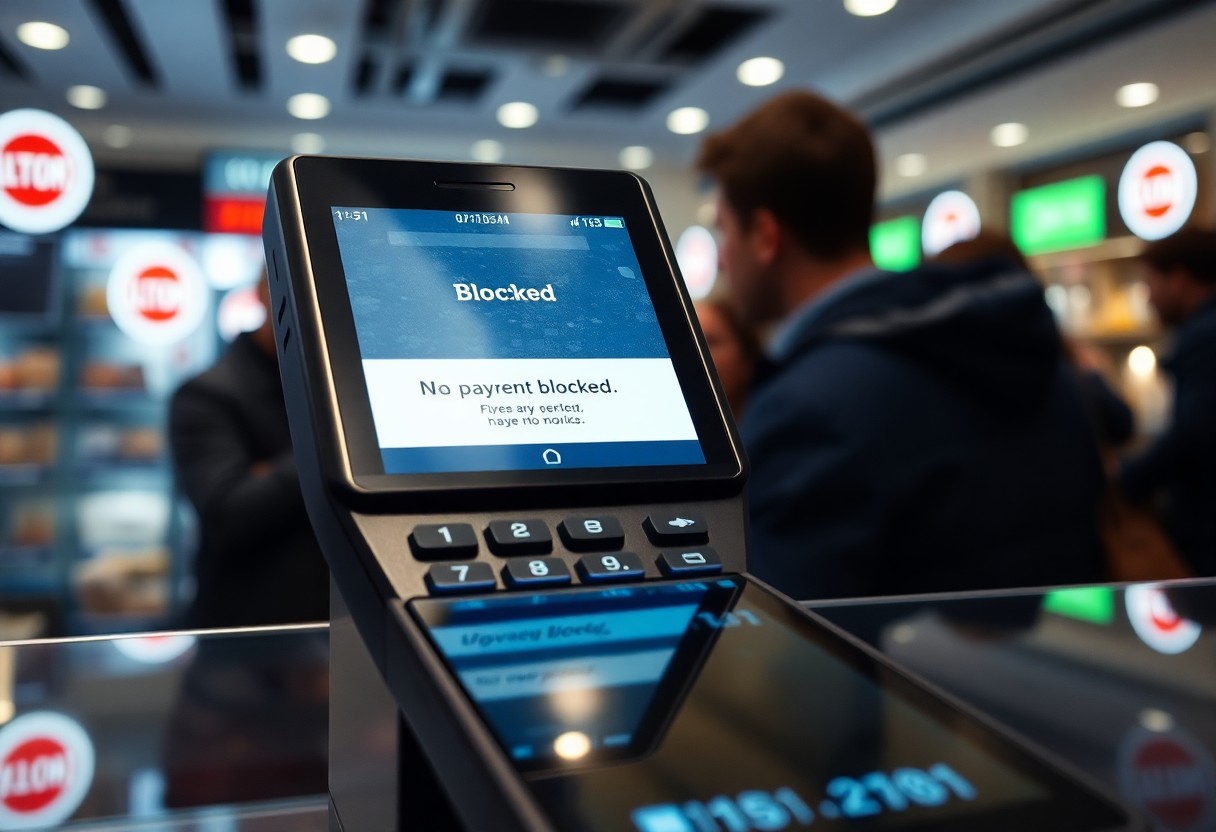
It’s important to understand the impact of payment blocking rules on mule networks, which are intricate systems used for facilitating money laundering and other illicit activities. By implementing targeted payment restrictions, financial institutions can disrupt the flow of funds within these networks, significantly hindering their operations. This post will explore how payment blocking mechanisms function, the types of transactions typically affected, and the broader implications for financial crime prevention. The rise of Mule networks also highlights the need for vigilance.
The Infrastructure of Mule Networks
Historical Context of Payment Systems
Understanding the Role of Mule Networks
Payment systems have evolved significantly since the introduction of currency, transitioning from barter systems to paper money and, eventually, to digital transactions. In the 20th century, the rise of electronic banking and credit cards revolutionized how consumers conduct transactions. The advent of the internet further fueled this transformation, leading to the emergence of blockchain technology and decentralized financial systems that challenged traditional models, laying the groundwork for today’s interconnected Mule networks.
Mule networks have evolved alongside technology, adapting to new payment systems and regulations. The implications for financial security and compliance are vast, as Mule networks continue to redefine the landscape of financial transactions.
Interconnectivity and Vulnerability
Mule networks exhibit a high degree of interconnectivity, enabling seamless transaction flows across various platforms and services. However, this intricate web also creates vulnerabilities, as systemic risks can cascade through the network. A disruption in one node can lead to widespread consequences, affecting multiple stakeholders. Instances of large-scale network failures illustrate how a single point of failure can paralyze transactions across entire regions, exposing the need for robust risk management strategies.
Recent cases highlight significant vulnerabilities within interlinked payment systems. For example, a 2021 incident involving a major payment processor led to a temporary halt of services across hundreds of merchants, showcasing how interconnectedness can exacerbate the impact of disruptions. Regulatory bodies have noted that as Mule networks expand, so does the necessity for comprehensive oversight. Integrating real-time monitoring and response capabilities within payment architectures can mitigate these risks, improving overall resilience against future disruptions.
Moreover, as Mule networks expand globally, the threat they pose to financial integrity requires ongoing attention. Effective management of Mule networks is essential to prevent further complications in transaction processing.
Dissecting Payment Blocking Rules
Definition and Purpose of Payment Blocking
Payment blocking rules are protocols designed to prevent unauthorized or non-compliant transactions within a financial network. Their primary purpose is to safeguard the integrity of monetary exchanges by ensuring that only transactions meeting specific criteria proceed. By establishing parameters such as transaction amounts, geographical locations, and compliance statuses, organizations can effectively reduce fraud risk and enhance regulatory adherence.
By understanding Mule networks, organizations can better implement payment blocking rules that address the unique challenges posed by these systems.
How Blocking Rules are Implemented
Implementing payment blocking rules involves a combination of automated systems and manual oversight. These systems analyze transaction data in real-time, flagging any that do not align with established parameters. By utilizing advanced algorithms and machine learning models, organizations can refine their blocking criteria based on historical transaction patterns.
For instance, a financial institution may leverage payment blocking rules configured to reject transactions exceeding a particular dollar threshold from high-risk countries. This can be accomplished through integration with API-driven platforms, allowing seamless data exchange for immediate blocking action. Furthermore, periodic reviews of transaction logs help refine these rules, adapting them to emerging threats and market changes, thus ensuring optimal effectiveness.
The Rationale Behind Payment Disruption Strategies
The interplay between regulatory measures and Mule networks is a critical area of focus for compliance officers and financial institutions alike.
Regulatory Compliance and Legal Implications
Payment disruption strategies often emerge from the necessity to comply with various regulations, such as Anti-Money Laundering (AML) and Counter-Terrorism Financing (CTF) laws. Financial institutions face significant penalties for non-compliance, prompting them to implement stringent payment blocking measures. For instance, the Financial Crimes Enforcement Network (FinCEN) in the U.S. emphasizes the need for banks to monitor and report suspicious activities, thereby shaping the frameworks within which these institutions operate.
Financial Institutions’ Risk Management Practices
Risk management in financial institutions involves a multi-faceted approach, incorporating strategies to mitigate potential losses associated with payment processing. These practices often include the adoption of robust transaction monitoring systems designed to identify and block fraudulent activities in real-time. Institutions assess payment patterns using advanced analytics to detect anomalies, enabling firms to prevent losses before they escalate. Such proactive measures not only protect the institution’s assets but also safeguard customer trust.
The implementation of comprehensive risk management practices is further evidenced by case studies from leading banks, which have invested heavily in technology to enhance their operational frameworks. For instance, JP Morgan Chase allocated over $600 million to bolster its compliance and risk management systems in recent years. This investment underscores the proactive stance financial institutions are adopting, aligning their operational strategies with evolving regulatory demands and providing greater security within their payment infrastructures.
The Economic Impact of Payment Blocking
Understanding how payment blocking affects Mule networks can guide businesses in developing strategies to mitigate risks associated with revenue losses.
Analyzing Revenue Losses for Businesses
Payment blocking can lead to significant revenue losses for businesses operating within the Mule network. Affected companies may experience a downturn of up to 20% in transaction volumes, severely impacting cash flow and profitability. Many small to medium enterprises, which rely heavily on consistent payment processing, find it challenging to recover from such disruptions. For instance, a study showed that merchants who faced payment blocks saw customer conversion rates drop dramatically, resulting in potential losses exceeding millions annually.
Additionally, the impact of payment blocking on Mule networks can be profound, leading to shifts in consumer behavior that businesses must navigate carefully.
Long-Term Consequences for Consumer Trust
Consumer trust begins to erode when payment disruptions become frequent, as customers lose confidence in the reliability of transactions. Brands viewed as unreliable may face long-lasting reputational damage, making recovery difficult. Many shoppers will turn to competitors, favoring those with established consistency in payment processing. This shift not only affects immediate sales but can create a perception of instability in the Mule network, leading to decreased customer loyalty and engagement over time.
The implications of trust erosion in the context of Mule networks highlight the need for effective communication strategies from businesses.
Over time, as customers encounter repeated payment failures or blocks, their willingness to engage with affected brands diminishes. Research indicates that 70% of consumers are less likely to return to a business after a negative payment experience. Brands that once enjoyed loyal followings may find themselves struggling to regain ground, as new market entrants capitalize on these gaps. Marketing efforts intended to rebuild trust can cost significantly more than maintaining steady, reliable service, creating a cycle that hampers business growth for years to come.
The Role of Cryptocurrency in Payment Disruption
Borderless Transactions and Anonymity
Cryptocurrency facilitates borderless transactions by leveraging blockchain technology, allowing users to send and receive funds without geographic restrictions. This decentralized nature not only eliminates the need for intermediaries but also provides a level of anonymity, appealing to those wary of traditional banking systems. Users can transact with minimal personal information, significantly reducing the risk of exposure to payment blocking strategies enacted by centralized financial institutions.
Evasion of Traditional Payment Blocking
Many individuals and businesses turn to cryptocurrency as a method to evade traditional payment blocking mechanisms. These digital assets enable users to bypass restrictions imposed by banks and payment processors, allowing access to services and products denied due to compliance regulations or political reasons. As a result, cryptocurrency becomes an alternative means to facilitate transactions, often negating the risks of payment interruption common in conventional financial systems.
The choice to engage with cryptocurrency as a means of bypassing traditional payment systems further complicates the landscape of Mule networks.
This evasion is particularly evident in jurisdictions with stringent regulations where citizens face difficulties accessing foreign goods or services. For instance, a customer in a country facing sanctions can use cryptocurrency to purchase products online that would otherwise be blocked through traditional payment methods. A growing number of merchants now accept cryptocurrencies, providing a viable pathway for users to engage in commerce without interference. Additionally, platforms built on decentralized finance (DeFi) are expanding transactional capabilities, further enhancing the potential of cryptocurrencies to challenge established payment systems.
Case Examples: Successful Blocking Campaigns
The successes and challenges faced in the blocking of Mule networks provide valuable lessons for future campaigns.
High-Profile Instances of Payment Disruption
Several high-profile instances have highlighted the effectiveness of payment blocking rules. In 2021, a coordinated campaign against a major online payment processor led to more than $2 million in transaction freezes, significantly impacting the operation of various merchants reliant on this service. Similar disruptions occurred during the protests against environmental degradation, where activist groups successfully blocked payments to firms linked to harmful practices, showing how targeted campaigns can leverage payment networks to exert pressure.
Lessons Learned from Past Events
Historical payment blocking campaigns illustrate valuable strategies and pitfalls for future efforts. Success often hinges on clear messaging, strong community support, and precise targeting of financial institutions complicit in undesirable activities. On the flip side, overreach can lead to backlash, harming the campaigns’ credibility and goals.
The experiences of past campaigns reveal that establishing strong coalitions among activist groups amplifies impact, while utilizing social media for awareness helps to mobilize support. Effective communication with consumers regarding the reasons for the block can garner public sympathy. Additionally, analyzing prior technical flaws in payment systems can lead to stronger defenses against similar disruptions, providing insight into how networks might respond and helping to inform future strategies for those seeking to replicate successful actions.
The Technological Arms Race: Adaptations to Blocking
Innovations in Payment Tech Post-Disruption
As payment blocking becomes more prevalent, companies are innovating rapidly to develop alternative payment methods. Digital wallets, cryptocurrencies, and decentralized finance solutions are gaining traction, allowing brands to circumvent traditional pathways hampered by blocking. For instance, the rise of blockchain technology has enabled autonomous transactions that are less susceptible to interference, encouraging a shift toward more secure and resilient payment infrastructures.
Strategies Employed by Merchants
Merchants are adapting to the constraints of payment blocking through a variety of strategies. Diversifying payment options, leveraging blockchain technologies, and enhancing customer relationships through loyalty programs are prevalent tactics. E‑commerce platforms are increasingly offering multiple payment integrations, enabling consumers to choose alternatives, while some merchants are partnering with fintech companies to streamline transaction processes, ensuring they stay competitive despite regulatory challenges.
To mitigate the effects of payment blocking, many merchants are investing in advanced fraud detection and customer engagement tools. Enhanced analytics allow for real-time monitoring of transaction patterns, helping identify potential disruptions before they escalate. Additionally, partnerships with fintech solutions offer merchants flexible payment gateways that can swiftly adjust to changing regulatory environments. By fostering direct communication with customers about payment issues, merchants not only build brand loyalty but also encourage alternative payment usage, effectively lessening the impact of external disruptions.
Regulatory Responses to Payment Blocking Activities
Legislative Initiatives and Policy Changes
Governments worldwide are beginning to introduce legislation targeting payment blocking activities in response to the growing threat to financial ecosystems. Recent initiatives in the EU and the U.S. focus on enhancing transparency within payment processing systems. These laws aim to protect consumers and businesses from unfair practices while fostering competition among payment service providers. The proposed regulations include stricter reporting requirements and fines for companies that engage in unfair blocking behaviors.
The Balancing Act: Regulation vs. Innovation
Striking a balance between regulation and innovation remains a challenge for policymakers. Regulations must safeguard against payment blocking without stifling the agility and creativity that drive sector advancements. Over-regulation risks hindering the development of new technologies, which could inadvertently reduce competition and innovation. An approach that encourages collaboration between regulatory bodies and tech firms can yield frameworks that protect consumers while still fostering an environment ripe for technological advancements.
For instance, the establishment of sandbox environments has proven effective in the UK, allowing fintech companies to innovate under regulatory oversight. This model enables regulators to observe new technologies in action, assess risks, and adapt regulations accordingly. As payment systems evolve, ongoing dialogue between regulators and industry leaders is important. This collaboration can lead to more responsive policies that adapt to rapid technological changes, ultimately benefiting consumers and fostering a healthier market landscape.
The Psychological Effects of Payment Disruptions on Consumers
The psychological implications of payment disruptions extend to Mule networks, affecting consumer perceptions and behaviors.
Trust Erosion and Its Profile
Payment disruptions can severely undermine consumer trust in payment systems and the businesses that use them. When consumers experience unexpected transaction failures or inconsistent payment processing, a sense of vulnerability emerges. This feeling can lead to a long-term impact on their loyalty, as they might opt to seek alternative services or transactions, reinforcing distrust not just towards individual companies but the entire industry.
Altered Consumer Behavior Post-Disruption
Changes in consumer behavior following payment disruptions are often marked by increased caution and skepticism. Consumers may avoid digital payments, opting instead for cash transactions to mitigate future frustrations. This shift can alter spending habits, potentially leading to reduced sales for businesses reliant on electronic payment systems.
Research supports this behavioral transformation, revealing that after encountering payment disruptions, 60% of consumers express a willingness to switch providers or revert to traditional payment methods. Additionally, many report increased scrutiny of payment security measures and a tendency to share negative experiences on social media, amplifying the reputational risks for businesses. As trust diminishes, brands face growing challenges in regaining customer confidence, which may require enhanced communication and improved service reliability to restore a sense of security in their payment processes.
Future Trends in Payment Systems and Blocking Rules
The future of payment systems and Mule networks will likely involve a balance between technological advancements and regulatory compliance.
Predicting the Evolution of Payment Technologies
The payment landscape is rapidly evolving, with emerging technologies such as blockchain and AI reshaping transaction processes. The rise of cryptocurrencies is likely to challenge traditional banking systems, while machine learning algorithms enhance fraud detection, enabling more efficient blocking rules to target specific threats in real time. Biometric authentication and digital currencies are expected to become mainstream, further altering how payments are processed and monitored.
Proactive Measures Against Payment Disruptions
Financial institutions must implement proactive measures, such as advanced analytics and adaptive payment protocols, to mitigate disruptions caused by blocking rules. By monitoring transaction behaviors using AI, they can identify anomalies and adjust rules dynamically. Moreover, establishing clear communication channels with clients ensures that users are informed about potential outages or payment delays, fostering customer trust and reducing dissatisfaction.
In practice, proactive measures include integrating real-time monitoring systems that track transaction patterns and can adapt blocking rules instantly. For example, a bank may employ machine learning to scrutinize transactions, allowing it to automatically lift payment restrictions if they match established user behavior. Additionally, regular reviews of payment processes and user feedback can highlight pain points, enabling institutions to refine their strategies and enhance overall transaction integrity. Such a forward-thinking approach helps minimize disruptions and retains customer confidence in payment systems while adapting to evolving threats.
The Ethical Dimensions of Blocking and Censorship
The Debate Between Security and Freedom
The conflict between maintaining security and preserving individual freedoms often takes center stage in discussions around payment blocking rules. Proponents argue that stringent measures prevent fraud, money laundering, and support for illicit activities, thereby protecting the broader economy. Conversely, opponents contend that such measures can lead to excessive surveillance and diminished personal liberties, creating an environment ripe for authoritarian practices and the erosion of trust in digital financial systems.
Stakeholder Perspectives: Governments, Businesses, and Users
Governments, businesses, and users each offer unique perspectives on payment blocking rules, shaping the discourse surrounding ethical considerations. While governments see blocking as a tool for regulation and control to combat crime, businesses often grapple with the implications for customer relations and operational transparency. Users, on the other hand, tend to prioritize their rights and ease of access, expressing concerns over potential misuse and overreach.
Governments prioritize national security and regulatory compliance, viewing payment blocking as vital to thwart illegal activities. They justify restrictive practices based on the need to protect citizens and financial integrity. Businesses frequently advocate for a balanced approach, citing the potential for lost revenue and reputational damage when transactions are blocked without clear justification. Users emphasize the right to access financial services without undue restrictions, raising alarms about transparency and accountability in blocking practices. This triad of perspectives reveals a complex interplay between security imperatives, economic realities, and individual freedoms, demanding nuanced dialogues among all stakeholders involved.
Preventing and Mitigating Network Disruption
Best Practices for Businesses
Implementing robust compliance measures is vital for businesses to navigate and minimize disruptions caused by payment blocking rules. Regular audits of payment processes, employee training on compliance standards, and establishing clear communication with payment network providers can enhance resilience. Utilizing technologies like AI and machine learning to monitor transaction patterns can also help in identifying potential issues before they escalate, ensuring smoother operations across payment systems.
By implementing these best practices, businesses can better navigate the complexities introduced by Mule networks.
Recommendations for Policymakers
Policymakers play a vital role in shaping frameworks that safeguard payment networks from disruption. Establishing guidelines that promote transparency in payment processing, as well as ensuring fair competition among providers, can mitigate the negative impacts of blocking rules. Incentivizing innovation in payment technologies can also drive improvements that enhance transaction security while maintaining system integrity.
Collaboration between regulators and industry stakeholders is vital for developing effective frameworks. Jurisdictions that have adopted open banking initiatives, like those in the EU, have seen benefits in innovation and customer choice. Policymakers should focus on creating adaptive regulations that respond to emerging threats while fostering a competitive environment. By engaging with tech companies and financial institutions, they can better understand industry challenges, leading to more tailored solutions that protect users and sustain network fluidity.
The Case for Transparency in Payment Processing
Towards achieving transparency in payment processing, addressing the role of Mule networks is vital for fostering consumer trust.
Building Trust Through Openness
Openness in payment processing fosters trust among stakeholders, including consumers, businesses, and financial institutions. Transparency ensures that users understand the payment mechanisms and the rules governing transactions, leading to increased confidence in the system. For instance, companies that openly communicate their transaction policies and operational procedures often enjoy higher customer loyalty and reduced disputes. Such practices enable users to make informed decisions, aligning their expectations with actual service delivery.
The Role of Auditing and Regulation
Auditing and regulation serve as cornerstones of a transparent payment processing ecosystem, where compliance with standards is regularly monitored. Independent audits help to verify that payment mechanisms operate fairly and meet established guidelines. Moreover, regulations provide a framework that protects consumers against fraud and abuse, ensuring a level playing field for all participants in the payment landscape.
Recent studies indicate that companies with rigorous auditing processes report fewer incidences of fraud, mitigating risks associated with payment disruptions. For example, the implementation of the Payment Card Industry Data Security Standard (PCI DSS) has significantly reduced data breaches across the retail sector. Furthermore, regulatory bodies like the Financial Conduct Authority (FCA) impose strict guidelines that ensure financial institutions adhere to ethical practices, safeguarding consumer interests while enhancing overall system integrity. These measures collectively build a framework where transparency is not only valued but enforced, promoting a healthier payment processing environment.
Summing up
With this in mind, the disruption of the Mule network through payment blocking rules highlights the significant impact of regulatory measures on digital asset transactions. Such rules can limit user access and hinder the seamless operation of decentralized platforms, raising concerns about operational transparency and the need for compliance. The evolving landscape of payment regulations necessitates that stakeholders remain vigilant and adaptable, ensuring that the integrity and functionality of networks like Mule are preserved while navigating the complex interplay of legality and blockchain innovation. Furthermore, businesses must understand how to adapt to the unique challenges posed by Mule networks.