Just as you begin on enhancing your networking skills on the global stage, understanding the nuances of German business etiquette will position you for success. In Germany, professionalism, punctuality, and direct communication are not merely appreciated; they are foundational to establishing trust and credibility. This guide will help you navigate cultural expectations and interpersonal interactions, ensuring your business engagements are as effective and respectful as possible. Equip yourself with the knowledge needed to confidently connect with German counterparts and expand your international network.
Understanding German Business Culture
A deep understanding of German business culture will greatly enhance your networking success in Germany and beyond. This culture is shaped by its historical roots and key values that emphasize direct communication, punctuality, and structured processes, which can significantly influence your interactions in the business realm.
Historical Influences on Business Practices
Historical factors, such as Germany’s industrial revolution and its position as an economic powerhouse in Europe, have cemented a distinctive business culture characterized by precision, thoroughness, and an emphasis on planning. These influences have created a framework within which German businesses operate today.
Key Cultural Values: Punctuality, Directness, and Structure
Above all, you should be aware that punctuality, directness, and structure are at the heart of the German business ethos. Arriving on time is seen as a sign of respect, while clear and honest communication fosters trust and efficiency.
In fact, being late to a meeting can be viewed as disrespectful, and vague language might lead to misunderstandings. You will find that Germans appreciate a well-organized agenda, and they prefer discussions that are to the point, ensuring that everyone is on the same page and there is no ambiguity.
The Role of Hierarchy in German Business Environments
For effective networking, it is important to understand the role of hierarchy in German businesses. Organizations typically operate within clearly defined structures, and decision-making processes can be significantly top-down.
For instance, you may notice that senior leaders are often the ones who set the agenda and make final decisions, which can influence how you approach conversations in networking situations. Acknowledging this hierarchy can be beneficial, as showing respect for those in higher positions can enhance your professional relationships and may open doors within the organization.
Preparing for Networking in Germany
While entering the German business landscape, preparation is key for a successful networking experience. It’s crucial to understand the nuances and expectations that accompany professional interactions in Germany to establish rapport and make lasting connections.
Researching Potential Connections
Against a backdrop of a structured business environment, researching potential connections is vital. Familiarize yourself with their background, role, and achievements, allowing you to engage meaningfully and demonstrate genuine interest during your conversations.
Understanding Industry Norms and Trends
Before plunging into networking, it’s important to gain insights into the specific industry you are targeting. Understanding current trends, key players, and market dynamics provides you with the knowledge to engage in relevant discussions that resonate with your counterparts.
Industry standards and practices can significantly influence networking dynamics. By keeping abreast of recent developments, you position yourself as informed and credible, making it easier to connect with local professionals and show that you value their time and expertise.
Tailoring Your Approach for Different Sectors
Approach varies significantly depending on the sector you are engaging with. Each industry has its own unique culture and expectations, so adjusting your networking style accordingly can enhance your effectiveness in building connections.
Indeed, recognizing the differences between sectors enables you to tailor your communication and approach. For example, while technology professionals may appreciate a more casual and innovative dialogue, those in finance may value formality and structured exchanges. Adapting to these nuances ensures your efforts are well-received, fostering an environment conducive to successful networking.
Communication Styles in German Business
To effectively navigate German business environments, understanding the communication styles is vital. Germans value directness, clarity, and efficiency in their interactions, which can significantly impact your networking success. Familiarizing yourself with their verbal and non-verbal cues will help you build stronger connections and foster trust among your German counterparts.
Verbal Communication: Language and Tone
Beside speaking the German language, it’s imperative to adopt a respectful and formal tone during conversations. Germans appreciate straightforwardness and expect clear articulation of thoughts. It’s advisable to avoid jargon and filler phrases, focusing instead on concise message delivery.
Non-Verbal Communication: Body Language and Gestures
Between verbal exchanges, non-verbal communication plays a substantial role in German culture. Your body language, eye contact, and facial expressions significantly influence how your message is received and can either enhance or detract from your credibility.
Due to the emphasis on professionalism, maintain an upright posture and steady eye contact when engaging with German colleagues. Be cautious with gestures; certain signs may carry different meanings, and excessive movements might be perceived as unprofessional. A firm handshake is customary when greeting, signifying confidence and respect.
The Importance of Clarity and Precision in Dialogue
Tone and structure in your conversation are paramount; Germans prefer conversations that are organized and direct. Clarity ensures that your intentions are understood, avoiding misunderstandings that can hinder relationships.
Hence, when discussing business matters, use clear and precise language. Avoid ambiguity by presenting facts and figures to support your arguments. This approach not only reflects your seriousness but also respects the efficiency that Germans value in their professional engagements. A well-structured dialogue fosters trust and paves the way for successful networking opportunities.
Building Rapport with German Professionals
Importance of Initial Introductions
Keep your initial introductions clear and succinct. Germans value direct communication, so introducing yourself with your name, position, and purpose will set a positive tone for your interaction. A firm handshake and maintaining eye contact during introductions reflects confidence and sincerity, key traits that resonate well in the German business landscape.
Fostering Trust and Credibility
One effective way to build rapport is by focusing on fostering trust and credibility. Establishing a professional reputation reinforces your reliability in the eyes of your German colleagues.
German professionals often rely on proven track records and experiences; therefore, sharing relevant accomplishments and providing references can enhance your credibility. Consistency in your communications and actions solidifies trust, encouraging productive relationships based on mutual respect.
Networking Events and Their Significance
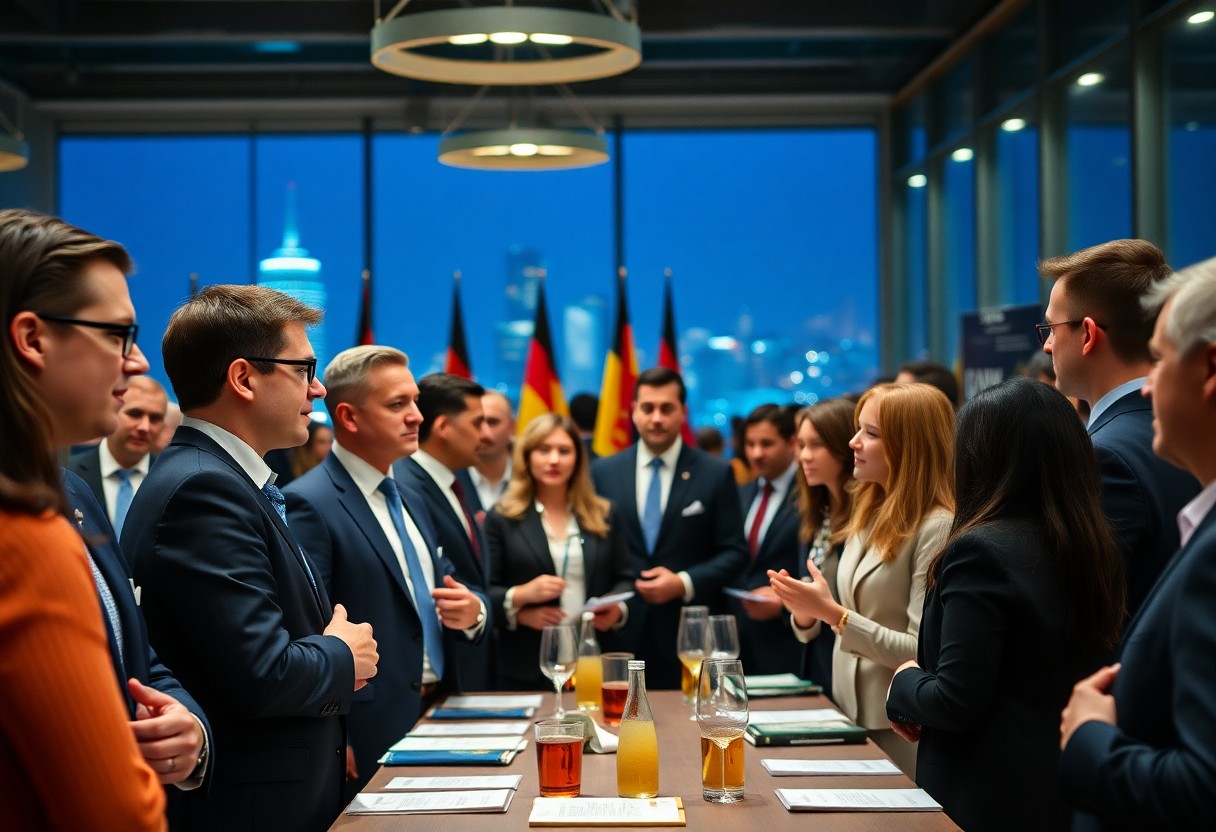
With Germany hosting numerous networking events, you should take advantage of these opportunities to connect with professionals in your industry. Engaging in discussions can deepen your understanding of the local business culture while showcasing your expertise.
Credibility is often built through informal interactions at networking gatherings, where you can showcase your knowledge and interpersonal skills. These events allow you to bond with your peers, providing a platform to share insights and expand your professional network effectively.
The Art of Business Meetings
Despite the complexity of international networking, mastering the art of business meetings can greatly enhance your professional relationships in Germany. Effective communication and proper etiquette are necessary to foster trust and collaboration.
Structuring Effective Meetings
Meetings should be concise and well-structured. Begin by setting a clear agenda that outlines the topics to be discussed, along with time allocations for each item. This helps keep discussions focused and ensures that all relevant issues are addressed, ultimately leading to productive outcomes.
Etiquette Before, During, and After Meetings
Any successful meeting begins long before you gather around the table. Prepare thoroughly by researching your attendees and their backgrounds. During the meeting, be punctual, listen actively, and make your contributions impactful. Afterward, follow up with a summary of key points discussed and action items agreed upon.
Business meetings in Germany are often characterized by their formality and directness. Arrive on time to show respect for your counterparts. Engaging actively showcases your interest, while following up afterwards with a thank-you message or meeting notes emphasizes professionalism and commitment to the discussions held.
The Role of Decision-Makers in Discussions
By inviting the right people to the table, you enhance the potential for successful outcomes. In German business culture, it’s common for decision-makers to be present during meetings, which underscores the importance of clarity and efficiency in discussions.
After identifying decision-makers in your meetings, adjust your conversation style to accommodate their preferences and communication styles. Being concise while providing necessary details can help you capture their attention and build a persuasive case, ultimately leading to stronger partnerships and impactful agreements.
Dress Code and Professional Appearance
Many professionals overlook the importance of understanding dress codes when engaging in international networking. In Germany, business attire norms can vary significantly based on the industry and the occasion. Typically, you can expect a preference for conservative, tailored clothing. Men’s suits are expected to be dark, and women usually opt for well-fitted dresses or suits. Pay attention to local cues, and when in doubt, err on the side of formality to make a positive first impression.
Understanding Business Attire Norms
Business attire in Germany is generally formal and polished. In most corporate settings, you will find that suits, dress shirts, and polished shoes are the standard for both genders. Avoid overly casual attire such as jeans and sneakers, especially in initial meetings or networking events. A neat and professional outfit signals respect and seriousness about your business engagements.
Dressing for Formal vs. Casual Networking Events
Any networking event in Germany can have varying expectations regarding dress. Formal events, such as conferences or company dinners, require you to dress in suits or formal wear. In contrast, casual gatherings may allow for business casual attire. However, it’s advisable to still keep your look polished and put-together, as first impressions are paramount in German business culture.
Consequently, choosing the right outfit for these different networking occasions can influence how you are perceived. For formal events, opt for a conservative suit, elegant ties for men, or chic dresses for women. If you are attending a more relaxed event, you might select a smart blazer paired with dress trousers. The key is to always project a respectful and professional image, regardless of the event’s formality.
Maintaining a Professional Image
Behind every thriving networking opportunity lies the importance of maintaining a professional image. Your appearance reflects your approach to business, and a well-groomed appearance can foster trust and confidence among your peers. Invest time in selecting clothing that fits well and is appropriate for the setting, as this will reinforce your credibility as a professional.
For instance, making sure your attire is clean, ironed, and free of any distracting elements can help you maintain your professional image. Attention to grooming details, such as neat hair and minimal accessories, can further enhance your presence at networking events. Create a lasting impression by presenting yourself as someone who takes their professional image seriously.
Gift-Giving Etiquette
Unlike many cultures, gift-giving in Germany is approached with a blend of formality and thoughtfulness. When networking in a business context, gifts can help strengthen relationships but must be chosen carefully to align with local customs and expectations.
Appropriate Gifts for Business Contexts
Etiquette dictates that gifts should be modest and practical in business settings. Consider items such as quality pens, gourmet chocolates, or regional specialties that reflect your home country. Avoid extravagant gifts, as they may be seen as inappropriate or even bribery. The key is to present something that conveys appreciation and respect.
When to Give Gifts and How They Are Received
Among the best opportunities to present a gift in Germany are during the holiday season or at the conclusion of a successful business deal. Gifts should be offered with both hands as a sign of respect, and it’s vital to wait until the appropriate time, such as after a meeting or during a celebratory event, to give your gift.
But it’s important to note that gifts are not always expected, especially in initial meetings. When you choose to give a gift, do so with discretion and awareness of your professional relationship. It’s best to understand the dynamics of your connection before presenting a token of appreciation to avoid any misinterpretations.
Cultural Significance of Gifts
Around Germany, gifts embody deeper meanings of trust and connection. They symbolize a willingness to invest in business relationships, thus fostering goodwill and mutual respect in your professional interactions.
This cultural significance is also tied to the values of diligence and sincerity prevalent in German society. By thoughtfully selecting a gift, you demonstrate your seriousness about the relationship and a commitment to building a lasting partnership, which is highly regarded in business circles. Understanding this context enhances your networking success and opens doors to fruitful collaborations.
Navigating Corporate Communication Channels
Now, mastering the communication channels in a German business context is crucial for building strong professional relationships. Understanding the emphasis on clear and direct communication will help you navigate print, digital, and interpersonal channels effectively.
Email Etiquette and Professional Correspondence
By adhering to proper email etiquette, you enhance your professional image. This includes using formal salutations, being concise while providing all necessary information, and closing with appropriate sign-offs. A well-structured email can significantly improve your chances of a positive response.
The Importance of Formal Communication Styles
To succeed in the German business landscape, you should adopt formal communication styles as they reflect professionalism and respect. This often includes using titles and last names, particularly in initial encounters, to show your recognition of hierarchy and seniority in the corporate world.
Channels of communication can also vary greatly, but maintaining a formal approach demonstrates your understanding of the German culture. It’s advisable to keep the tone professional to ensure that your message is taken seriously, reinforcing your credibility in various business situations.
Utilizing Social Media and Networking Platforms
Networking effectively online involves understanding the nuances of social media platforms popular in Germany. Utilizing professional networks such as LinkedIn can enhance your visibility and facilitate valuable connections.
In fact, leveraging social media not only allows you to showcase your expertise, but it also enables you to engage with industry professionals and organizations. By participating in relevant discussions and sharing content, you can build a solid online reputation that supports your networking goals. Keep it professional while genuinely contributing to conversations within your field.
Engaging with Local and International Networks
Your success in building a presence in Germany’s business landscape will heavily depend on how well you engage with local and international networks. Understanding and utilizing these connections effectively can significantly enhance your opportunities for growth and collaboration.
Leveraging Chamber of Commerce and Professional Associations
The German Chamber of Commerce and industry-specific professional associations serve as powerful platforms for networking. By joining these organizations, you gain access to vital resources, industry insights, and key contacts that can help you navigate the local business environment and potentially connect you with international partners.
Joining Networking Groups and Events
Leveraging networking groups and events is crucial for expanding your professional circle. In Germany, these gatherings offer an opportunity to meet like-minded professionals, exchange ideas, and learn about industry trends. You can participate in various events, such as conferences, workshops, or meet-ups, where you can showcase your expertise and engage with potential clients or collaborators.
Collaborating with Local Entrepreneurs and Businesses
After establishing connections, consider collaborating with local entrepreneurs and businesses to strengthen your presence. Working alongside established local entities can provide valuable insights into the market and help foster trust among potential clients and partners.
Groups of local entrepreneurs often host events or initiatives that encourage collaboration and innovation. Engaging with these groups not only allows you to learn from their experiences but also opens avenues for you to contribute your unique skills and perspectives. Forming these partnerships can lead to mutual growth and a more extensive professional network in Germany.
Understanding Business Etiquette in Social Settings
Not all business interactions are confined to offices and meetings; social settings play a significant role in networking. By understanding the nuances of German business etiquette in these environments, you can foster stronger relationships, enhance your reputation, and create lasting connections that transcend borders.
Proper Conduct at Meals and Social Gatherings
Behind the inviting atmosphere of meals and social gatherings in Germany lies a strict adherence to etiquette. You should always wait for the host to initiate the meal, and keep your hands on the table (but not your elbows). It’s polite to engage in conversation, but be mindful of discussing business subjects until after a few drinks or courses.
The Role of Alcohol in Networking Events
With alcohol often playing a significant role in networking events, it’s important to understand how to navigate this cultural aspect responsibly. Germans value moderation; while it’s typical to raise a glass and enjoy a drink, excessive consumption can be seen as unprofessional. Keeping your intake in check will maintain your credibility and foster positive connections.
Even within the casual atmosphere that alcohol can create, it’s advisable to maintain your professionalism. Start with a toast, a friendly gesture that reflects camaraderie, and opt for light drinks during the initial social interactions. You may find that beer or wine is common; just ensure you enjoy them in moderation to avoid jeopardizing opportunities for future collaborations.
Engaging in Small Talk and Light Conversation
Any successful networking event includes engaging in small talk and light conversation. You should be prepared to discuss a range of topics, from local culture to current events, but steer clear of sensitive subjects such as politics or religion. Show genuine interest in others, and actively listen to build rapport.
But while small talk serves as an excellent icebreaker, avoid lengthy discussions that may appear intrusive or overly personal. Instead, focus on creating a comfortable environment where everyone can contribute. This will help you establish mutual respect and understanding, paving the way for deeper professional relationships as conversations progress.
Language Considerations in Networking
All international business interactions require careful attention to language nuances, especially when networking in Germany. Understanding key German phrases can greatly enhance your rapport with local professionals and demonstrate your commitment to building connections.
Importance of Learning Basic German Phrases
Beside the advantage of effective communication, learning basic German phrases shows respect for the local culture. Phrases such as “Guten Morgen” (Good Morning) or “Danke” (Thank You) can break the ice and create a friendly atmosphere, making networking more productive.
Navigating Language Barriers during Interactions
German is the official business language in Germany, and many professionals may not be fluent in English. Alongside this, local dialects might pose additional challenges. You can make connections more meaningful when you actively work to address any language barriers.
Navigating language barriers effectively involves being patient and adaptable. Speak clearly and at a measured pace, giving your contacts time to grasp what you are conveying. It is often helpful to ask if they prefer to communicate in German or English, allowing you to gauge their comfort level and proceed accordingly. This flexibility will enhance your networking experience and help in establishing lasting professional relationships.
Utilizing Translators and Language Tools
Utilizing technology can significantly aid you when language limitations arise. Numerous translation applications and services can assist in bridging the gap, ensuring smoother conversations during your networking pursuits.
And while digital tools are beneficial, it’s best to approach them with caution. Automatic translators may not always capture the nuances of context or cultural subtleties. When using these solutions, consider confirming key points in a follow-up conversation to ensure clarity and understanding. This added step can strengthen your professional relationships and demonstrate your commitment to effective communication.
Dealing with Cultural Differences
After immersing yourself in the global business landscape, you will encounter a variety of cultural norms that shape networking interactions. Recognizing these differences is vital to fostering respectful relationships and enhancing your professional reputation abroad. By being aware of how cultural backgrounds influence communication styles, decision-making processes, and negotiation tactics, you can establish stronger connections and navigate complex situations more effectively.
Recognizing and Respecting Diverse Business Cultures
After acknowledging that different cultures have unique customs and traditions, you will better appreciate the nuanced behaviors that can affect business interactions. Embracing the diversity in communication styles and workplace etiquette will empower you to engage more effectively with your international counterparts, building trust and collaboration along the way.
Handling Misunderstandings Professionally
Behind every misunderstanding lies an opportunity for growth. When miscommunications occur, they can lead to frustration or strained relationships. Approaching these situations with patience and a solution-oriented mindset allows you to demonstrate your commitment to overcoming challenges and maintaining professional ties, regardless of cultural contexts.
Hence, handling misunderstandings professionally is imperative in a global business environment. You should strive to clarify your intentions and ensure that your counterparts understand your perspective. Open dialogue and active listening can help diffuse tension while fostering mutual respect. Your ability to navigate these moments with grace will reflect positively on your professional persona.
Strategies for Adaptation and Flexibility
The dynamic nature of international business calls for agility in your communication and interaction styles. Adapting your approach to fit the cultural norms of your peers not only enhances your networking endeavors but also improves your overall experience in foreign environments. Flexibility enables you to connect on various levels, fostering deeper relationships that can span borders.
Cultural sensitivity is at the heart of effective adaptation. You should invest time in researching the business etiquette typical to the countries you’re engaging with. This includes understanding social norms regarding hierarchy, punctuality, and decision-making. By being flexible in your approach and tailoring your communication techniques, you can effectively bridge the cultural divide, forging meaningful connections that lead to networking success.
Success Stories and Case Studies
Once again, examining real-life examples sheds light on the impact of effective networking in navigating German business etiquette. Here is a detailed list featuring case studies that highlight successful networking experiences in Germany:
- Company A: Increased market presence by 40% within one year after establishing connections at a prominent trade fair in Frankfurt.
- Entrepreneur B: Secured a partnership with a local firm, leading to a 30% increase in sales, through effective follow-up after an initial meeting.
- Start-up C: Attracted €1 million in investment by networking with investors at industry conferences, ultimately opening new avenues for growth.
- Business D: Expanded to three additional European markets within six months, leveraging a professional network built during a German business symposium.
- Consultant E: Doubled client base in one year by cultivating relationships through regular attendance at networking events and workshops.
Profiles of Successful International Entrepreneurs in Germany
For those looking to find inspiration, numerous international entrepreneurs thrive by immersing themselves in German business culture. They often emphasize punctuality, direct communication, and building trust over time. These successful figures highlight how one’s adaptability and respect for local customs can lead to fruitful network connections.
Lessons Learned from Networking Achievements
After studying various success stories, it becomes clear that consistency and genuine engagement are key elements to successful networking in Germany. Understanding the nuances of communication and demonstrating reliability can significantly enhance your relationships.
International networking experiences reveal that building long-term relationships is often more beneficial than chasing immediate results. Entrepreneurs who prioritize follow-ups and nurture connections tend to discover unexpected opportunities, paving the way for stronger collaborations and business expansions.
Common Missteps and How to Avoid Them
Learned from observing pitfalls in networking, it’s important to steer clear of superficial connections and rushed communication styles. Neglecting to adapt to the cultural context might hinder your progress in building valuable networks.
Studies show that many individuals underestimate the importance of patience in German business culture, which can lead to misunderstandings. Approaching networking with intentions of long-term relationship building, rather than short-term gains, will position you for success in navigating the intricacies of German business etiquette.
Final Words
Now that you’re equipped with insights on German business etiquette, you’re ready to enhance your networking success internationally. By embracing punctuality, formality, and direct communication, you can foster meaningful connections in the German business landscape. Cultivating a solid understanding of cultural nuances will not only elevate your professionalism but also pave the way for advantageous partnerships. Approach every interaction with cultural sensitivity and confidence, and you will undoubtedly leave a positive impression that can open doors for future opportunities.
FAQ
Q: What are the key aspects of German business etiquette to keep in mind when networking?
A: When networking in Germany, it’s important to observe punctuality, as being on time is seen as a sign of respect. Formal greetings such as a firm handshake and addressing individuals by their title and last name are customary. Additionally, maintaining a professional demeanor during conversations and avoiding overly personal topics is advisable. Lastly, be prepared for direct communication, as Germans value honesty and clarity in business exchanges.
Q: How should I approach introductions in a business networking setting in Germany?
A: When making introductions in a German business context, ensure you address individuals with their appropriate titles, such as “Herr” for Mr. and “Frau” for Mrs. or Ms., followed by their last name. It’s best to introduce the person of higher status or age first. When networking in larger settings, consider making brief introductions and allowing conversations to flow naturally thereafter.
Q: What role does formal attire play in German business networking?
A: In Germany, formal attire is generally expected in professional settings, especially during networking events. Men should opt for a business suit with a tie, while women should wear dresses or tailored suits that exude professionalism. Choosing conservative colors and styles is advisable to align with the cultural norm. First impressions are significant, and appropriate dressing showcases seriousness and respect for the business context.
Q: How can I effectively follow up after networking in Germany?
A: Following up after networking is imperative in Germany. Sending a personalized thank-you email within 24–48 hours is an effective way to express appreciation for the interaction. Mention specific points from your discussion to highlight your attentiveness and maintain a connection. Be sure to ask relevant questions or suggest further discussions to foster a meaningful professional relationship. It’s a great way to reinforce a lasting impression.
Q: Are there any cultural nuances I should be aware of when engaging in small talk while networking in Germany?
A: When engaging in small talk, it’s best to steer clear of overly personal topics such as family, politics, or finances, as these may be considered intrusive. Instead, focus on neutral subjects such as industry trends, technology, or travel within Germany. Humor can be appreciated, but ensure it is appropriate and not overly casual. A balanced approach to small talk can help in building rapport while maintaining professionalism.