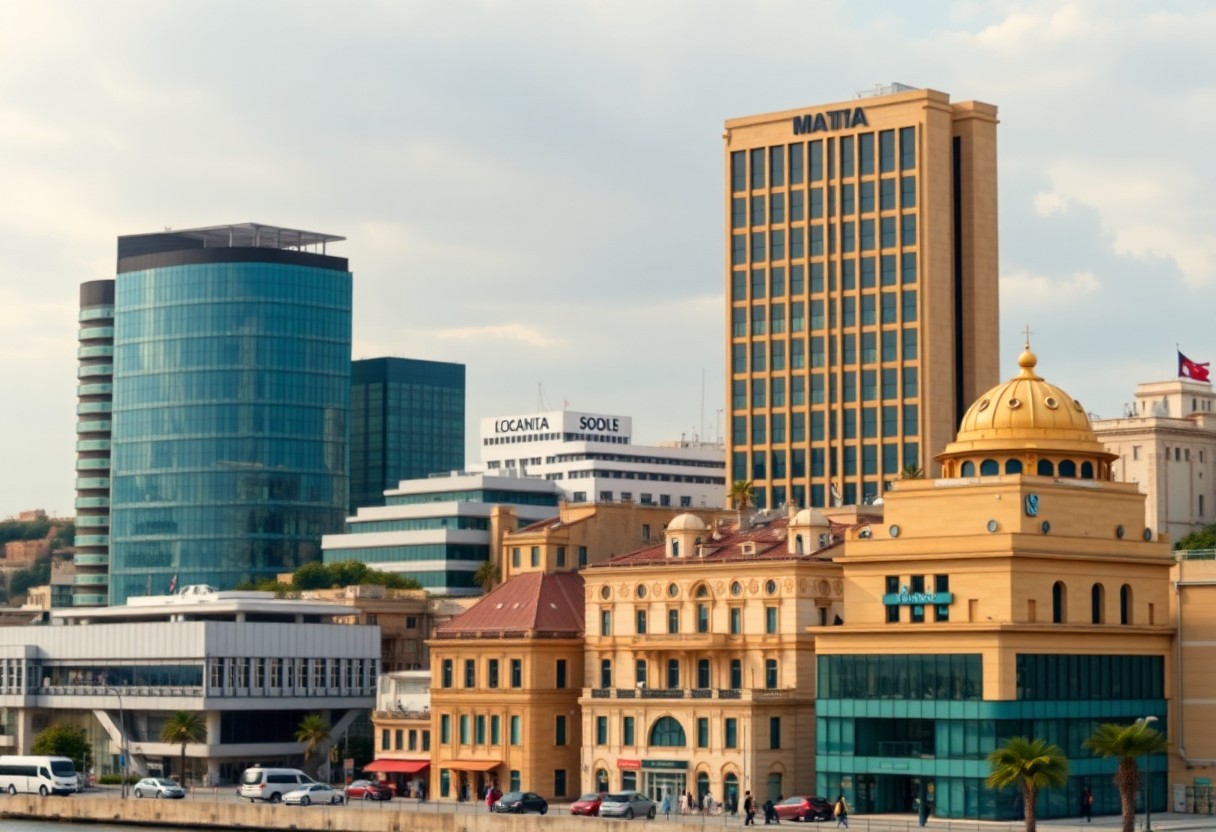
With its strategic geographic location and favorable regulatory framework, Malta has emerged as an crucial dual identity, functioning simultaneously as a media hub and a corporate centre. This unique positioning not only fosters economic growth but also enhances its appeal to international businesses and content creators. By leveraging its robust legal infrastructure, Malta attracts diverse industries, thus driving innovation and collaboration across sectors. Understanding this dual identity is vital for recognizing Malta’s significant role in the global market landscape.
Key Takeaways:
- Malta’s strategic location enhances its appeal as a media hub, attracting international companies and talent.
- The dual identity supports a robust economy, fostering innovation and diverse business opportunities.
- Regulatory frameworks in Malta encourage foreign investments, solidifying its status as a corporate center.
The Rise of Malta as a Media Hub
Malta’s ascent as a media hub has garnered attention in recent years, driven by its vibrant creative industries and favorable regulatory environment. The island’s combination of modern infrastructure, skilled workforce, and strategic location within Europe has positioned it as a go-to destination for content creation, digital marketing, and broadcasting services. Companies are increasingly choosing Malta to establish regional offices, thanks to its accessibility and the growth of innovative media startups.
Historical Context
Malta’s media evolution traces back to its colonial past, where early journalism laid the groundwork for the industry. With the introduction of television in the 1970s, Malta’s media landscape began to diversify, leading to the growth of local production capabilities. Over the past two decades, regulatory reforms have stimulated investment, enabling the island to embrace new technologies and attract foreign media companies.
Key Players in the Media Landscape
The media landscape in Malta is characterized by a mix of traditional and digital players, including local television broadcasters, news agencies, and international media firms. Notable entities include PBS (Public Broadcasting Services) and the digital-first news platform Lovin Malta. These organizations contribute significantly to the country’s media output, fostering a competitive environment that encourages innovation and quality content production.
PBS is the primary public broadcaster, offering diverse programming that caters to various audience segments while promoting Maltese culture. Lovin Malta, on the other hand, has rapidly gained traction as a leading digital news platform, leveraging social media amplification to reach younger demographics. Additionally, companies such as Chetcuti Cauchi Advocates and Casanova Communications play vital roles in shaping Malta’s media policies and public relations strategies. Together, these players not only enhance Malta’s media profile but also create a collaborative ecosystem that supports growth and innovation in the industry.
Corporate Landscape in Malta
Malta’s corporate landscape has evolved significantly, attracting a diverse array of international firms, especially in finance, technology, and gaming. The strategic location and English-speaking workforce make it an attractive destination for businesses seeking to establish a European presence. As of 2022, over 80,000 companies are registered in Malta, highlighting its burgeoning role as a corporate center. This growth is bolstered by the nation’s favorable business environment and a robust support system for startups and established companies alike.
Tax Incentives and Regulatory Framework
The Maltese government offers compelling tax incentives for corporations, including a highly competitive corporate tax rate of 35%, which can be effectively reduced to 5% for qualifying companies through refunds. Furthermore, the regulatory framework is streamlined, allowing for rapid company registration and compliance processes. The Malta Financial Services Authority provides clear guidelines, fostering a business-friendly atmosphere that attracts foreign investment.
Impact on Business Growth and Innovation
This dynamic environment has catalyzed business growth and innovation, with many companies leveraging Malta’s infrastructure to experiment and launch new products. The presence of tech hubs and incubators, along with government-backed initiatives, fosters a culture of creativity and entrepreneurship. For instance, in 2021, Malta’s technology sector saw a 9% increase in startups, underscoring the effectiveness of the support mechanisms in place.
Businesses in Malta are driving innovation across various sectors, particularly in blockchain, fintech, and e‑sports. The introduction of innovative elements such as the Malta Digital Innovation Authority has positioned the island as a leader in regulating emerging technologies. Success stories like those of gaming companies, which achieved remarkable growth due to the favorable regulatory landscape, demonstrate how Malta’s corporate environment fosters creativity and ambitious projects, contributing to the nation’s robust economic development.
Intersection of Media and Corporate Interests
The convergence of media and corporate interests in Malta fosters an environment ripe for synergy, leveraging the strengths of both sectors. This intersection enhances the visibility of corporate brands through strategic media partnerships while simultaneously providing content creators with valuable insights from the business world. Major companies are increasingly investing in media initiatives, collaborating on projects that not only serve their marketing objectives but also enrich the local cultural landscape, thereby reinforcing Malta’s position as a dynamic marketplace for innovation.
Collaborative Opportunities
Collaborations between media and corporate sectors in Malta often result in innovative projects that amplify brand narratives and consumer engagement. For instance, media organizations work with technology firms to create immersive storytelling experiences, harnessing virtual and augmented reality to redefine advertising standards. These partnerships not only benefit companies in reaching wider audiences but also stimulate local talent and creativity, positioning Malta as a frontrunner in the European media landscape.
Challenges and Ethical Considerations
Despite promising collaborations, the intersection of media and corporate interests poses challenges, particularly concerning ethical standards. Issues such as transparency, content integrity, and potential conflicts of interest remain prominent. Companies might prioritize profit over responsible content dissemination, jeopardizing journalistic values. To navigate these waters, both sectors must establish clear guidelines that maintain ethical journalism while encouraging corporate involvement, ensuring that media integrity is preserved amid financial motivations.
Addressing challenges and ethical considerations requires a concerted effort from both industries. Stakeholders need to create frameworks that promote transparency and uphold journalistic integrity, especially as the lines between content creation and marketing blur. Regular dialogue, ethical training for corporate partnerships, and accountability measures can serve to mitigate potential conflicts. A proactive approach, which prioritizes the collective trust of audiences, will be necessary in maintaining the credibility of the media landscape while fostering productive corporate collaborations in Malta.
The Role of Digital Transformation
Digital transformation in Malta is reshaping the media and corporate landscape, enabling businesses to leverage new tools for enhanced efficiency and innovation. As organizations adopt cloud computing, big data analytics, and artificial intelligence, they are able to create more dynamic and responsive operational models. This shift not only improves productivity but also attracts foreign investment, enriching Malta’s dual identity as a vibrant media hub and robust corporate center.
Advancements in Technology
Technological advancements in Malta, such as the rollout of 5G networks and increased broadband coverage, facilitate seamless communication and collaboration across industries. The integration of virtual and augmented reality within media also enhances content delivery, offering more engaging experiences for audiences. These improvements position Malta as an attractive destination for tech-savvy companies and media innovators alike.
Shaping Malta’s Future as a Media and Corporate Center
The ongoing evolution of Malta’s media and corporate sectors through digital transformation positions the island as a formidable player on the global stage. By fostering a culture of innovation, Malta is attracting startups and established corporations focused on digital solutions. This environment encourages collaboration between media professionals and corporate entities, leading to the development of hybrid business models that optimize resources and outcomes.
Comparative Analysis with Other Global Hubs
| Global Hub | Characteristics |
|---|---|
| Singapore | Robust legal framework, strong tech presence, low taxes. |
| London | Financial powerhouse, diverse talent pool, high living costs. |
| Dubai | Strategic location, zero income tax, business-friendly regulations. |
| Berlin | Innovative startup scene, cultural hub, affordable living. |
Strengths and Weaknesses
Malta’s strengths as a media hub include its English-speaking workforce, favorable regulatory environment, and competitive tax incentives. However, challenges such as a limited talent pool and infrastructural constraints can impede its growth compared to larger global hubs.
Lessons Learned from International Examples
Examining successful media and corporate centers reveals insights into scalability, innovation, and public-private partnerships. These examples illustrate the significance of adaptability in regulatory frameworks to foster a thriving business ecosystem.
For instance, Singapore’s investment in technology and infrastructure has bolstered its status as a media and finance hub. Their strategy includes continuous upskilling of the workforce and engaging in international collaborations, which creates a dynamic environment for business. Similarly, Berlin’s emphasis on nurturing startups through mentorship programs and community-driven initiatives showcases how fostering local talent can enhance regional appeal. Such lessons are pivotal for Malta as it fine-tunes its dual identity and strives for global relevance.
Future Prospects for Malta’s Dual Identity
The dual identity of Malta as both a media hub and corporate center is poised for significant evolution in coming years. As global demand for digital content grows, Malta’s strategic position and regulatory flexibility will likely attract more international firms and media organizations. Increased investment in technology and talent development will enhance the Island’s competitive edge, making it a linchpin for innovation in Europe and beyond.
Trends to Watch
Anticipated trends include a rise in content creation and distribution platforms, driving demand for local talent and expertise. Additionally, Malta’s potential role as a blockchain and fintech nucleus will likely foster partnerships between tech startups and established corporations, further embedding Malta’s significance on the global stage.
Potential Policy Developments
Policy developments will play a vital role in shaping Malta’s future as a dual identity hub. Governments are expected to craft frameworks that not only attract foreign direct investment but also streamline regulations for digital enterprises, enhancing overall operational efficiency.
Regulatory adjustments may include the introduction of tax incentives aimed at technology firms, creating a more favorable investment environment. Efforts to foster collaboration between the media and corporate sectors through public-private partnerships could be on the horizon, facilitating innovation. Malta could also implement initiatives to enhance cybersecurity protocols, ensuring that both media and corporate entities operate in a safe digital ecosystem. Such measures would not only solidify Malta’s status as a business-friendly locale but also bolster its appeal as a progressive media center, harmonizing growth across both sectors.
Conclusion
With this in mind, Malta’s dual identity as a media hub and corporate centre positions it as a strategic player in the global landscape. This synergy enhances economic growth and fosters innovation, making Malta an attractive destination for businesses and media operations alike. The integration of these sectors amplifies Malta’s global influence while providing a supportive environment for entrepreneurship and creativity. Ultimately, this unique combination not only benefits local industries but also contributes significantly to the broader European and international markets.
FAQ
Q: Why is Malta considered a media hub?
A: Malta’s strategic location in the Mediterranean, robust infrastructure, and favorable regulatory environment position it as a prominent media hub. The country offers tax incentives, a skilled workforce, and a supportive legal framework that attract media companies and promote growth in digital content creation and distribution.
Q: What benefits does Malta provide to corporate entities?
A: Malta provides various benefits to corporate entities, including a favorable tax regime, efficient company registration processes, and political stability. This combination makes Malta an attractive destination for international businesses looking to establish a European base, particularly in sectors like gaming, finance, and technology.
Q: How does Malta’s dual identity enhance its economy?
A: Malta’s dual identity as both a media hub and a corporate center enhances its economy by diversifying revenue streams. The interaction between media companies and corporate entities fosters innovation, encourages investment, and creates employment opportunities, which collectively contribute to economic stability and growth.
Q: What role does regulation play in Malta’s success as a media and corporate center?
A: Regulation plays a vital role in Malta’s success by establishing a clear framework that promotes transparency and protects intellectual property rights. This regulatory environment, combined with compliance standards, builds trust with international investors and media firms, further solidifying Malta’s position in both sectors.
Q: How does Malta’s media sector impact global content distribution?
A: Malta’s media sector significantly impacts global content distribution by serving as a base for production and broadcasting across Europe, Africa, and the Middle East. The availability of advanced technology, coupled with skilled professionals, enables efficient content creation and dissemination, thus enhancing Malta’s global media presence.