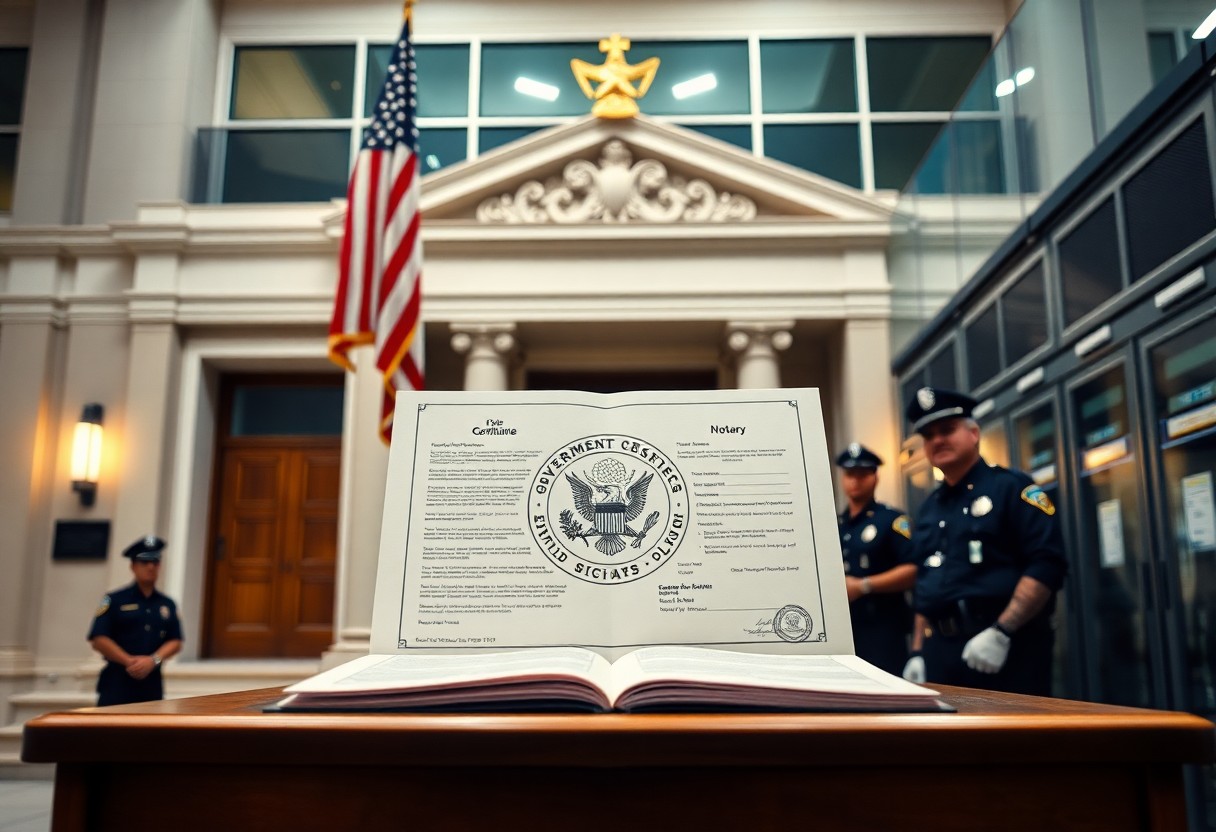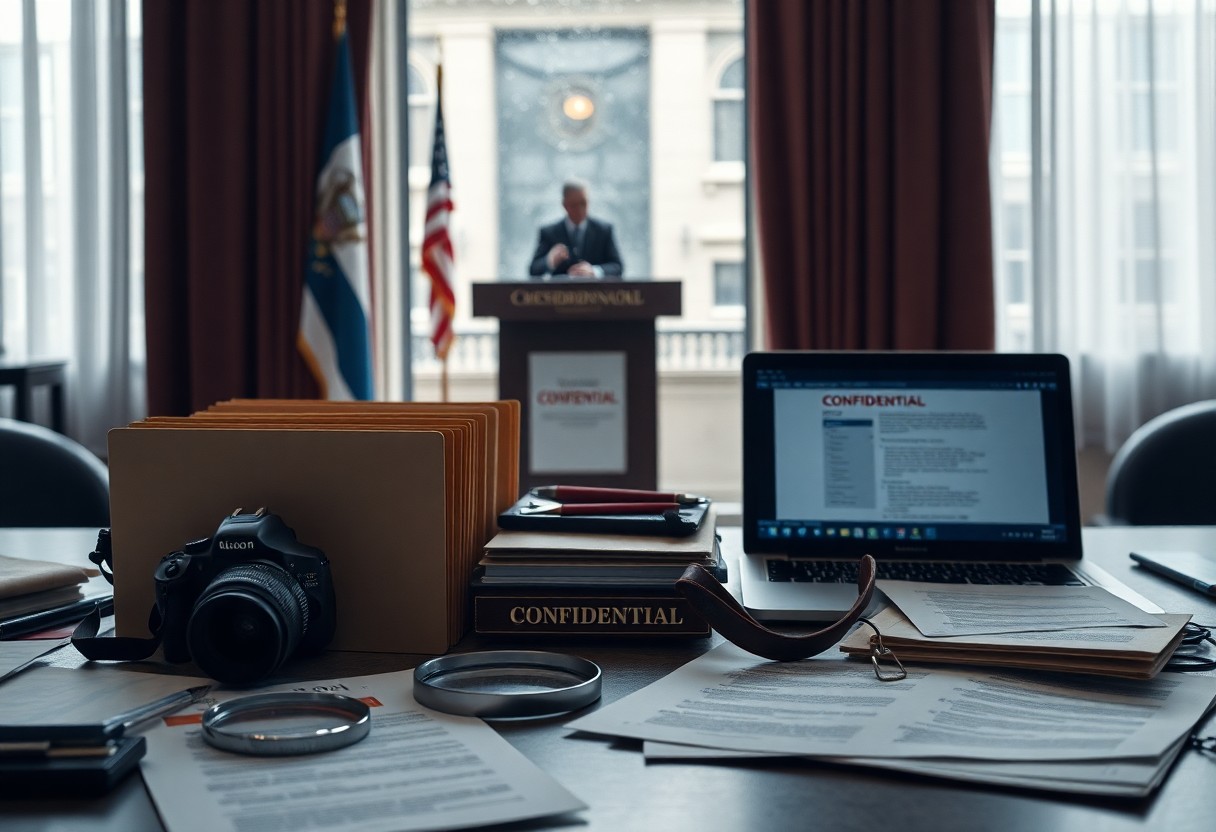
It’s important to question the stories presented to us as truth, including the Official Narrative. By seeking alternative perspectives and digging deeper, you can uncover layers of information that may challenge your understanding of events, allowing for a more nuanced view of reality.
By questioning the Official Narrative, you can start to discern the layers of complexity in every story told.
The Machinery of Public Agreement
Understanding the Official Narrative is essential to analyzing the broader context of public discourse.
Manufacturing Consent through Repetition
Repetition shapes perceptions, often leading you to accept information without question. News outlets and social media platforms continually broadcast specific narratives, cementing them in public consciousness. This circular reinforcement is designed to create a consensus, influencing your beliefs and attitudes toward certain issues.
Propaganda thrives on constant reiteration of key messages. You may find that familiar phrases and themes resonate with you, making it easier to overlook contradictory information. This process doesn’t just create acceptance; it breeds complacency, stifling critical thinking and genuine discourse.
This behavior reinforces the Official Narrative, often sidelining alternative viewpoints that deserve consideration.
The Role of State-Aligned Information
Governments often collaborate with media outlets to present a unified narrative. This alignment allows public opinion to be molded in ways that support state interests. I recognize that this strategic partnership can sometimes mask important truths, leading you to accept a skewed version of events.
Such collaborations can shape the Official Narrative, emphasizing the need for critical engagement with all information presented.
Credibility is a powerful tool; state-aligned information often carries an implicit authority. You might be swayed by this endorsement, feeling secure in the knowledge that it’s backed by official sources. However, this creates a narrow lens, where alternative viewpoints are marginalized or dismissed outright.
The alliance between state interests and media messaging can create an echo chamber, shaping your worldview in ways that align with government agendas. I often consider how this collaboration influences the narratives you encounter daily. By understanding this dynamic, you can begin to seek out alternative sources of information that challenge the predominant storylines and provide a more nuanced understanding of current events.
By recognizing the manipulation behind the Official Narrative, you can begin to seek a more balanced perspective.
The Corruption of Political Language
Euphemisms and Modern Doublespeak
Language manipulation often surfaces through euphemisms, transforming harsh realities into palatable phrases. I find that political discourse frequently employs terms like “collateral damage” instead of acknowledging civilian casualties. This shielded language allows governments to sidestep accountability while softening the impact of their actions.
These euphemisms often serve to uphold the Official Narrative, making it critical to dissect language used in political discourse.
Increasingly, doublespeak clouds the truth, rendering direct communication obsolete. When I hear phrases designed to mislead, such as “enhanced interrogation techniques,” I recognize an intentional obfuscation that risks undermining public trust. Clarity takes a backseat to political agendas, making it vital for citizens to question what lies beneath the surface.
Rebranding Inconvenient Realities
Deceptive rebranding alters perceptions of controversial policies. I notice how terms like “tax reform” often conceal increased taxation on the middle class. Politicians craft narratives to disguise unappealing truths, aiming to reshape public opinion while maintaining their positions of power.
They often craft the Official Narrative to avoid backlash while maintaining their positions of power.
Your perspective shifts when you examine how language is weaponized to create new realities. Campaigns frequently redefine policies that might initially seem negative, presenting them in a more favorable light. This manipulation not only distracts from genuine issues but also influences voters’ understanding and decisions.
Rebranding creates a sanitized version of contentious policies, prompting a reevaluation of what we deem acceptable. Politicians utilize strategic language intending to withdraw focus from negative consequences, leading us to inadvertently accept harmful realities as necessary. This practice complicates our ability to critically analyze the implications of enacted policies, demanding a closer look at the meanings buried beneath the rhetoric.
This leads to a sanitized Official Narrative that obscures the true implications of policies.
The Art of Strategic Silence
Selective Memory in Official Records
Official records often reflect a version of events that aligns with prevailing narratives. I find that certain details conveniently disappear, leaving behind a sanitized recounting of history. This selective memory shapes public perception, allowing for the acceptance of incomplete truths.
Such records can create a misleading Official Narrative that shapes public perception.
Your interpretation of historical events may become skewed as a result of this curated narrative. By recognizing the absence of specific facts, you can better analyze the motivations behind the documentation. A more nuanced understanding invites deeper questioning of accepted histories.
The Suppression of Uncomfortable Facts
When uncomfortable facts challenge the Official Narrative, there is often a concerted effort to suppress them.
Powerful entities frequently suppress facts that challenge their narratives. I see this suppression as a strategic move to maintain control over the discourse. When uncomfortable truths surface, they can disrupt the established order, prompting a concerted effort to bury them.
Controlling information not only shapes public perception but also marginalizes dissenting voices. Those uncomfortable facts can provoke critical thinking, yet they often remain unacknowledged in favor of a more palatable story. Engaging with these suppressed truths enhances your ability to think critically about the narratives you’re presented with.
The Psychology of Orthodoxy
The psychology behind adhering to the Official Narrative can create barriers to questioning established beliefs.
The Comfort of Collective Delusion
Comfort arises from shared beliefs that mask uncomfortable truths. By adhering to these collective narratives, you find security in numbers, often silencing inner doubts. Engaging with the familiar can feel safer than challenging the status quo.
Minds often cling to accepted truths to avoid the anxiety of uncertainty. This tendency creates an echo chamber where alternative views are dismissed, fostering an environment that prioritizes collective comfort over individual thought.
Penalties for Intellectual Non-Conformity
Such penalties reinforce the Official Narrative, discouraging open discourse.
Speaking out against prevailing beliefs often invites backlash. Dissenters risk social ostracism, which can manifest through ridicule or isolation. Navigating these penalties requires a strong sense of self and conviction.
People frequently silence themselves out of fear of the repercussions that can come from questioning the norm. This self-censorship not only stifles personal growth, but it also inhibits broader societal progress as innovative ideas struggle to surface.
Addressing penalties for intellectual non-conformity highlights a significant barrier to genuine discourse. The fear of social reprisal often leads individuals to conform outwardly while suppressing their true thoughts. Such a climate discourages diverse perspectives, ultimately weakening the fabric of informed debate.
Motives Behind the Curtain
These motives can distort the Official Narrative, benefiting those in power at the expense of truth.
Economic Interests in Narrative Control
Corporations often benefit from shaping the narrative around their industries. When I examine the messages pushed by powerful entities, it becomes clear that profit maximization fuels their motives. You may find that advertising campaigns and media coverage align seamlessly with corporate interests, masking inconvenient truths about products or practices. Observing this trend reveals a concerted effort to maintain a favorable public image while steering conversations in a profitable direction.
Power Preservation via Managed Perception
Entities seeking to maintain authority frequently manipulate public perception. In my research, I encounter multiple instances where misinformation is strategically used to reinforce existing power structures. You will notice how leaders craft their narratives to manage the way they are viewed, often diverting public scrutiny from their actions. This calculated management of perception allows them to remain unchallenged while maintaining control over societal discourse.
Through the lens of managed perception, I see a continuous loop of influence where public opinion is shaped to support those in power. You may not realize it, but the narratives you consume are often filtered through a lens designed to serve the interests of a select few. By understanding this manipulation, you empower yourself to seek out independent sources and challenge the prevailing narratives that support the status quo.
Recognizing this helps you to challenge the Official Narrative effectively.
Reclaiming the Individual Perspective
Deconstructing Rhetorical Fallacies
Recognizing rhetorical fallacies helps you critically assess arguments presented to you. Overlooked tactics like appeal to emotion or straw man arguments often mask the truth. By identifying these missteps, I encourage you to question their validity and the intent behind them.
This critical engagement is essential for dissecting the Official Narrative.
Many voices dominate public discourse, leading to the acceptance of flawed reasoning. Personal experiences offer a unique lens to evaluate these narratives. You might find that stepping back can reveal deeper insights that challenge the mainstream perspective.
The Necessity of Empirical Observation
Empirical observation fosters a more nuanced understanding of events. Relying solely on second-hand accounts or popular opinion can skew your perception. Engaging in firsthand observation allows you to capture details overlooked by others.
Understanding events requires looking beyond the Official Narrative and engaging with facts.
As I gather data and conduct observations, I prioritize accuracy over bias. This commitment strengthens my arguments and informs my conclusions. Empirical evidence anchors individual perspectives, ensuring they’re grounded in reality rather than speculation.
Too often, conclusions are drawn from anecdotal evidence rather than direct observation. Observational data not only enhances credibility but also deepens your understanding of complex situations. Harnessing this approach invites clarity, allowing you to challenge prevailing narratives effectively.
Final Words
Taking this into account, I believe that questioning the official narrative is crucial for a well-rounded understanding of any issue. I encourage you to explore various sources and perspectives to uncover the complexities often omitted from mainstream discourse.
Ultimately, this exploration allows you to challenge the Official Narrative and contribute to more nuanced dialogues.
Your perspective can change dramatically when you examine the underlying motives, biases, and contexts that shape reported events. Engaging critically with information allows you to form more informed opinions and encourages a more nuanced dialogue in your circles.
Q: What does “looking beyond the official narrative” mean?
Questioning the Official Narrative is a critical step in fostering informed debate.
A: This phrase refers to the practice of questioning and seeking alternative explanations or viewpoints that differ from what is commonly accepted or presented by authorities. It encourages critical thinking and exploration of diverse perspectives.
Q: Why is it important to look beyond official narratives?
A: Examining various sources and viewpoints helps uncover biases, inaccuracies, or hidden agendas. This practice fosters a more nuanced understanding of events and issues, leading to informed opinions and decisions.
Q: How can one effectively look beyond the official narrative?
A: Engaging with independent media, researching multiple viewpoints, and analyzing primary sources can help. Discussions with knowledgeable individuals and critical evaluation of information also contribute to a broader understanding.