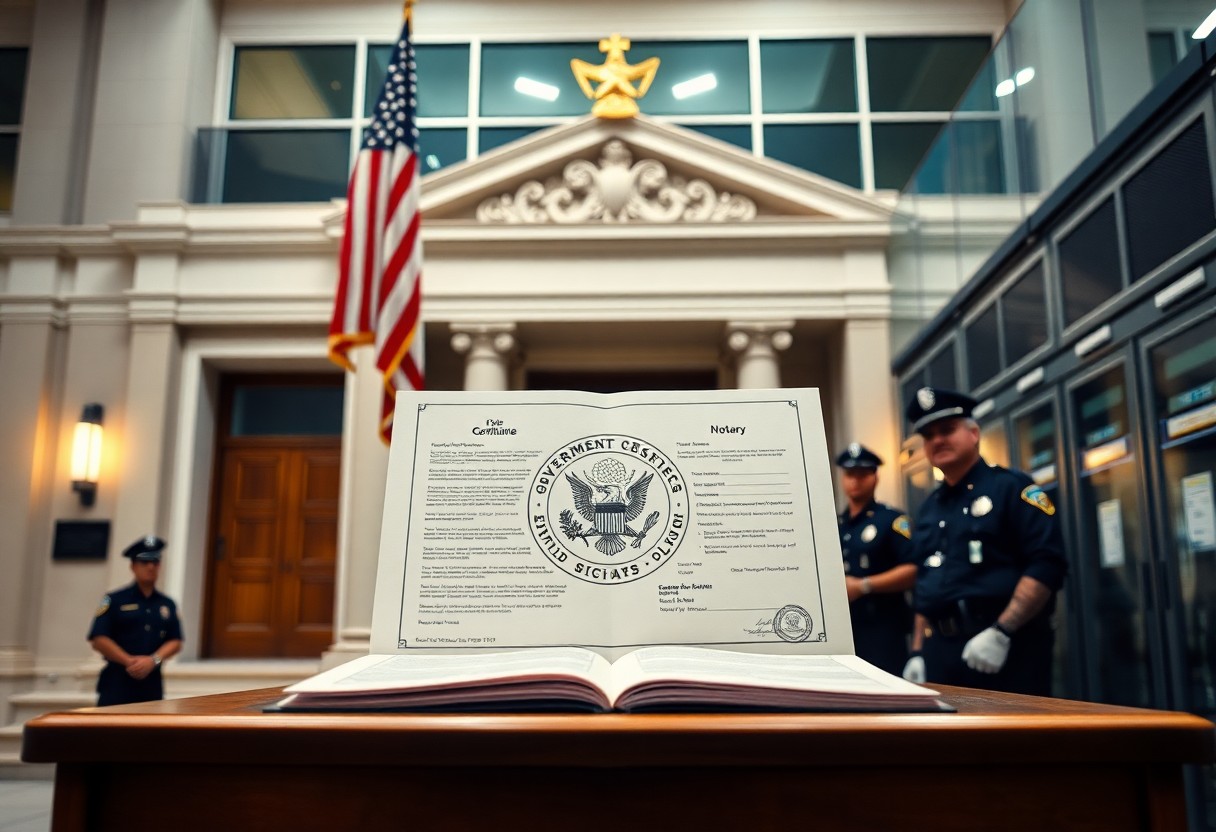
Whistleblowers play a vital role in uncovering misconduct, yet their protection during sensitive investigations is often inadequate. This guide outlines effective strategies to safeguard these individuals, ensuring their security and encouraging transparency within organizations. By implementing robust policies, fostering a supportive culture, and adhering to legal frameworks, organizations can create a safe environment for whistleblowers to voice their concerns without fear of retaliation or exposure.
Key Takeaways:
- Establish clear policies and procedures to ensure confidentiality and protection for whistleblowers throughout the investigation process.
- Provide training for staff on the importance of whistleblower protections and the legal ramifications of retaliation.
- Implement a secure reporting mechanism that allows whistleblowers to report concerns anonymously if desired.
Understanding Whistleblower Protections
Whistleblower protections are designed to safeguard individuals who expose wrongdoing within organizations. These protections encourage transparency and accountability, ensuring that potential whistleblowers feel secure in coming forward without fear of retaliation. Such measures are critical for maintaining ethical standards in various fields, including corporate, healthcare, and government sectors, where unethical practices may thrive in silence.
Importance of Protecting Whistleblowers
Protecting whistleblowers is important for fostering a culture of integrity. Without robust protections, employees may hesitate to report misconduct, allowing unethical behaviors to persist. Research shows that organizations with strong whistleblower policies often experience a decrease in fraud and misconduct, leading to a more trustworthy and productive work environment.
Legal Framework and Regulations
The legal framework for whistleblower protections varies across jurisdictions but generally includes federal and state laws aimed at shielding individuals from retaliation. The Whistleblower Protection Act (WPA) in the United States, for example, offers protections for federal employees who disclose evidence of illegal or improper activities. Various sectors, such as healthcare and finance, have additional regulations to enforce these protections more rigorously.
Many laws, including the Sarbanes-Oxley Act and the Dodd-Frank Act, broaden protections for whistleblowers, particularly in the corporate context. Under these laws, whistleblowers can report violations of securities laws without fear of retaliation and may even be eligible for financial rewards if their information leads to successful enforcement actions. Likewise, state laws often provide supplementary protections, reflecting an increased recognition of the vital role whistleblowers play in promoting ethical conduct and safeguarding the public interest. Awareness of these legal frameworks is important for organizations aiming to create effective reporting mechanisms and support systems for whistleblowers.
Key Factors to Consider
Protecting whistleblowers requires careful consideration of several key factors that can impact their safety and the integrity of the investigation. These include:
- Anonymity and confidentiality measures
- Robust organizational support systems
- Clear communication protocols
- Regular training on ethics and reporting procedures
The effectiveness of these elements can significantly influence whistleblower participation and the success of investigations.
Anonymity and Confidentiality
Ensuring anonymity and confidentiality is paramount for whistleblowers, as it protects them from retaliation and fosters trust in the reporting process. Implementing secure reporting channels, such as anonymous hotlines or third-party platforms, can encourage individuals to disclose information without fear. These measures not only safeguard identities but also improve the overall credibility of the whistleblower claims.
Organizational Support Systems
Establishing comprehensive organizational support systems is vital in facilitating an environment where whistleblowers feel safe to report misconduct. Support systems should include dedicated resources, such as employee assistance programs, whistleblower protection officers, and legal advice for those who come forward. Cultivating a positive organizational culture that values transparency and ethical behavior is crucial in encouraging employees to speak out.
For example, many corporations adopt policies that actively encourage reporting through regular training sessions, emphasizing the importance of ethical standards and whistleblower protections. Case studies have shown that companies with robust support systems experience a higher rate of internal reporting and often uncover issues more efficiently. The implementation of these systems not only reassures potential whistleblowers but also strengthens the integrity of the organization as a whole.
How to Create a Safe Environment for Whistleblowers
Creating a safe environment for whistleblowers begins with fostering a culture that values transparency and integrity. Anonymity and protection from retaliation must be central to the organizational ethos, supported by strong leadership that demonstrates commitment to ethical practices. Training sessions and clear messaging about the importance of speaking up can empower individuals to come forward without fear. Organizations should regularly assess their climate to ensure ongoing support for employees who dare to disclose unethical activities.
Encouraging Open Communication
Encouraging open communication entails establishing channels where employees feel comfortable sharing concerns without hesitation. Regular forums, anonymous surveys, and feedback mechanisms can enhance dialogue. Additionally, leadership must actively listen and respond to issues raised, demonstrating that concerns are taken seriously. This open exchange fosters trust, making individuals more likely to report wrongdoing without fearing repercussions.
Establishing Clear Reporting Procedures
Clear reporting procedures remove ambiguity and empower whistleblowers to act confidently. These procedures should outline the steps for reporting misconduct, specifying whom to contact and the preferred methods, be it in-person, online, or through a hotline. Accessibility is key; all employees must know these pathways and feel they can utilize them without hesitation. Regular updates and training help keep everyone informed, reinforcing that the organization prioritizes the protection of whistleblowers.
To effectively establish clear reporting procedures, organizations should adopt a standardized framework that outlines each step in detail. Providing multiple reporting avenues—such as hotlines, email, and designated personnel—can cater to varying comfort levels among employees. Each procedure must include assurance of confidentiality and a commitment to investigate complaints thoroughly while protecting the whistleblower’s anonymity. Examples from organizations with effective reporting systems show higher reporting rates and better overall workplace morale, underscoring the significance of clarity and accessibility in the reporting process.
Tips for Investigators
- Establish clear communication channels.
- Provide confidentiality assurances.
- Offer support resources for whistleblowers.
- Document all interactions meticulously.
- Engage in active listening.
Recognizing the importance of these elements can enhance the safety and effectiveness of sensitive investigations.
Conducting Sensitive Interviews
When conducting sensitive interviews, investigators should prioritize the comfort and security of the whistleblower. This involves selecting a neutral location, ensuring privacy, and allowing the whistleblower to share their narrative without interruption. Open-ended questions encourage detailed responses, fostering an atmosphere of trust where individuals feel safe disclosing critical information.
Maintaining Neutrality and Trustworthiness
Maintaining neutrality and trustworthiness is crucial for effective investigations. Investigators must approach each case without bias, ensuring that all parties feel heard and respected. This includes refraining from expressing personal opinions and focusing solely on the facts presented. Consistent behavior, confidentiality, and transparency regarding the process further help in establishing credibility and fostering a trustworthy environment.
Building trust involves actively demonstrating impartiality throughout the investigation. For example, sharing the investigator’s methodology, timelines, and any potential conflicts of interest increases transparency. Additionally, regular updates on the investigation’s progress reassure whistleblowers that their concerns are taken seriously and handled appropriately. Such practices not only protect whistleblowers but also enhance the integrity of the entire investigative process.
Best Practices for Follow-Up
Effective follow-up is key to ensuring that whistleblowers feel valued and protected throughout the investigation process. Organizations should implement structured follow-up protocols that keep whistleblowers informed of the investigation’s progress, while also maintaining confidentiality. This can involve periodic check-ins that assess the whistleblower’s well-being and verify that no retaliatory actions are occurring. Establishing a routine for follow-up communications not only reassures whistleblowers but also reinforces the organization’s commitment to transparency and ethical practices.
Providing Feedback and Updates
Timely feedback and updates can significantly enhance a whistleblower’s sense of security and trust in the process. Organizations should commit to delivering regular communications regarding the status of the investigation, citing specific actions taken and any outcomes achieved. By offering feedback, organizations demonstrate that they take the concerns seriously, which can foster engagement and bolster confidence in the system.
Addressing Concerns Post-Investigation
Once an investigation concludes, addressing any lingering concerns is crucial for maintaining trust with the whistleblower. Organizations should openly discuss the investigation results, ensuring the whistleblower understands the findings and the rationale behind decisions made. This transparency can alleviate any fears of retaliation or ongoing harassment, reinforcing a supportive environment for future disclosures.
Addressing concerns post-investigation involves a structured approach. Organizations should schedule debrief meetings with whistleblowers to provide detailed insights into the findings and outcomes. This also offers a critical opportunity to gather feedback on the whistleblower’s experience throughout the process. Engaging in dialogue helps identify potential areas for improvement in the reporting mechanisms and ensures that whistleblowers feel heard and validated. By proactively managing their concerns, organizations can foster a culture of openness and trust, encouraging more individuals to come forward with information in the future.
Training and Education
Empowering employees through training and education is vital in fostering a culture of integrity and trust. Comprehensive training programs should cover aspects of whistleblower protection, legal rights, and the organization’s reporting procedures. Implementing regular workshops and seminars can enhance understanding, reduce fear of retaliation, and encourage transparency. By incorporating real-life scenarios and role-playing exercises, organizations can prepare employees to recognize unethical behavior and feel confident in coming forward.
Raising Awareness Among Employees
Raising awareness among employees creates an environment where reporting misconduct is seen as a shared responsibility. Organizations should utilize newsletters, posters, and e‑learning modules to keep whistleblower policies at the forefront. Interactive sessions or Q&A opportunities help clarify policies and encourage open discussions. Regularly sharing success stories of protected whistleblowers reinforces that such actions contribute to the overall health of the organization.
Continuous Improvement of Policies
Ongoing review and refinement of whistleblower policies ensure that they remain effective and relevant. Organizations should be proactive in soliciting feedback from employees about the effectiveness of existing policies and areas for improvement. Utilizing anonymous surveys can highlight gaps in understanding or areas where policies may need clarification. Regular benchmarking against industry standards and legal developments ensures that the organization not only complies with laws but also aligns with best practices.
This commitment to continuous improvement fosters a responsive culture that adapts to changing circumstances and employee needs. For example, incorporating annual reviews of policies and procedures can reveal trends in employee concerns, leading to adjustments that better address specific issues. Additionally, establishing a dedicated committee to oversee policy implementation and effectiveness can further enhance accountability, thereby reassuring employees that their concerns will be taken seriously and addressed appropriately. A cycle of regular training, feedback, and policy revision enhances the overall trust in the whistleblower system.
To wrap up
Drawing together best practices for protecting whistleblowers in sensitive investigations emphasizes the need for robust legal frameworks, confidential reporting channels, and supportive organizational cultures. Ensuring anonymity and providing resources for psychological support are vital to encourage disclosures without fear of retaliation. Furthermore, training staff and management on whistleblower rights fosters an environment where concerns can be raised constructively, ultimately bolstering organizational integrity and accountability.
FAQ
Q: What steps can organizations take to ensure the confidentiality of whistleblowers?
A: Organizations should establish clear reporting procedures that prioritize confidentiality. Utilize secure communication channels for reporting and ensure that only authorized personnel have access to the information. Regular training on confidentiality practices should also be provided to all employees.
Q: How can employers prevent retaliation against whistleblowers?
A: Employers can create anti-retaliation policies that prohibit any form of punishment for whistleblowing. It is imperative to enforce these policies consistently and provide a safe avenue for reporting retaliation. Regular reviews of workplace culture and anonymous surveys can help in assessing employee concerns.
Q: What role does legislation play in protecting whistleblowers?
A: Various laws and regulations exist to protect whistleblowers from retaliation, such as the Whistleblower Protection Act. Organizations should familiarize themselves with relevant laws and integrate them into their policies and training programs to ensure compliance and enhance protection for individuals who report misconduct.
Q: How can organizations support whistleblowers during an investigation?
A: Organizations should maintain open communication with whistleblowers, assuring them of their safety and wellbeing. Providing access to counseling services and legal advice during the investigation can further support their emotional and legal needs.
Q: What impact does a strong whistleblower policy have on the workplace?
A: A robust whistleblower policy fosters a culture of transparency and accountability, encouraging employees to report unethical behavior without fear. This can lead to a healthier work environment, enhanced employee morale, and a reduced risk of misconduct occurring within the organization.