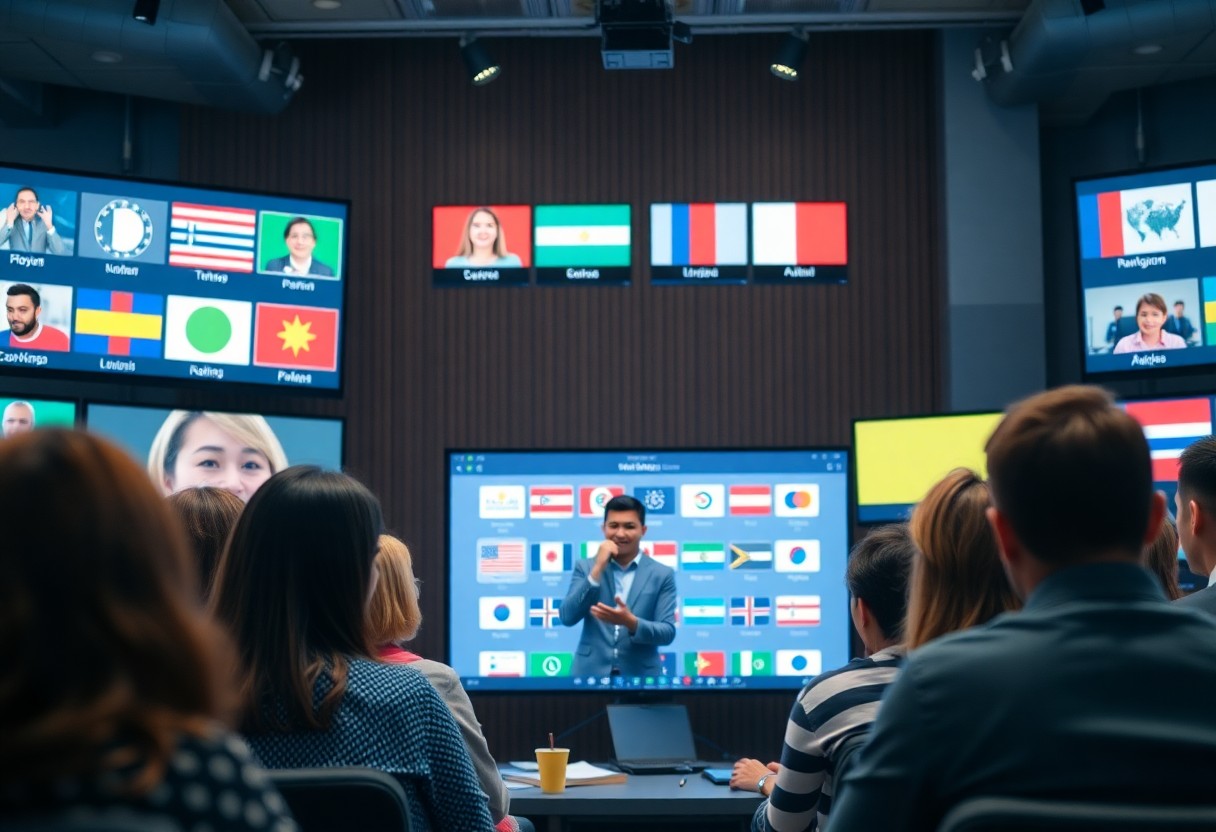
Over the past few years, the digital landscape has evolved, presenting you with unprecedented opportunities to reach diverse audiences worldwide. By incorporating multilingual webinars and online events into your strategy, you can tap into new markets, engage with varied demographic groups, and enhance your brand’s global presence. This post will guide you through effective techniques to create inclusive events that resonate with participants in their native languages, empowering you to expand your reach and foster meaningful connections.
Understanding the Importance of Multilingual Webinars
For your online events to reach a wider audience, embracing multilingual webinars is vital. By offering content in multiple languages, you not only expand your audience base, but also create an inclusive environment that welcomes diverse participants. This strategy opens the door for richer interactions and a more extensive network, increasing your brand’s visibility across different cultural landscapes.
Global Reach and Accessibility
Understanding the global nature of today’s market allows you to effectively leverage multilingual webinars for broader accessibility. By providing content in various languages, you dismantle barriers that may prevent potential attendees from participating, ensuring your message resonates around the world.
Enhancing Engagement Through Language
With multilingual webinars, you provide participants with the opportunity to engage more deeply with the content, as language plays a vital role in communication. Tailoring your message to different linguistic audiences not only boosts comprehension but also fosters a stronger sense of connection with attendees.
For instance, when you deliver a webinar in a participant’s native language, it enhances their understanding and allows them to express their thoughts more freely. This tailored experience leads to higher levels of interaction, encouraging questions, discussions, and active participation, which ultimately enriches the event for everyone involved.
Cultural Relevance in Communication
Accessibility in communication extends beyond words; it encompasses cultural nuances that shape how your message is received. When you consider the cultural context of your audience, you ensure that your webinars resonate on a deeper level, making your content relatable and impactful.
Enhancing cultural relevance means incorporating local customs, idioms, and examples that align with your audience’s experiences. By doing so, you not only demonstrate respect for their background but also create an authentic connection that fosters loyalty and engagement. This thoughtful approach transforms your webinars into meaningful experiences that encourage ongoing participation and dialogue.
Identifying Your Target Audience
Any effective marketing strategy begins with a clear understanding of your target audience. In multilingual webinars and online events, identifying who you aim to reach will help you tailor your content to suit their needs and preferences, ultimately leading to a more engaged audience.
Demographic Analysis
Analysis of demographics provides insights into the age, gender, income, education, and location of your potential audience. By gauging these factors, you can design your webinars to resonate with specific groups, ensuring that your messaging aligns with their interests and cultural nuances.
Language Preferences
Identifying the language preferences of your audience is necessary for creating an inclusive environment. This means understanding not only the primary language spoken by your audience but also any secondary languages they may be proficient in. You can use surveys or website analytics to discern these preferences, which will allow you to make informed choices when offering multilingual support during your events.
Behavioral Insights
Audience behavioral insights involve examining how your target demographic engages with your content. This can include their online activity patterns, event attendance history, and preferred channels of communication. Understanding these behaviors enables you to optimize your outreach strategies and create content that resonates with their specific interests and habits.
Insights into audience behavior can help you tailor your approach to meet their expectations better. For example, knowing which platforms your audience frequents can guide your promotional tactics, while understanding their preferred formats—such as video, text, or interactive polls—can shape the structure of your webinars. This deep explore behavioral data ensures that your events are not just seen, but also valued by participants.
Choosing the Right Languages for Your Webinar
Once again, selecting the most appropriate languages for your multilingual webinar can significantly enhance audience engagement and participation. Understanding your market and audience demographics is vital in making informed decisions that cater to their needs.
Market Research and Data Analysis
Above all, conducting thorough market research and data analysis will provide insights into the languages spoken by your target audience. Leverage tools like surveys, social media analytics, and language preferences in your existing customer database to gauge which languages to prioritize for maximum impact.
Prioritizing Languages Based on Audience Size
Any language selection process should prioritize those spoken by the largest segments of your audience. By focusing on languages with a significant number of speakers within your target market, you ensure that your content reaches the widest audience possible.
It’s important to analyze your audience demographics and consider the size of various linguistic groups in your target regions. Identifying the most prevalent languages can guide you toward selecting the most relevant options for your webinars, ultimately leading to increased attendance and interaction.
Evaluating Language Proficiency Levels
After you identify potential languages, evaluating the language proficiency levels of your audience is vital. Understanding how comfortable your audience is with certain languages can help you tailor your content appropriately.
A thoughtful assessment of language proficiency allows you to adapt the complexity of your content. This ensures that while you cater to a diverse audience, you also maintain clarity and comprehension, maximizing the overall effectiveness of your webinar.
Selecting the Appropriate Webinar Platform
Your choice of webinar platform can significantly impact the effectiveness of your multilingual online events. To ensure your webinars cater to a diverse audience, you’ll need a platform that supports various languages and translation options, ensuring smooth communication and engagement throughout your sessions.
Features to Consider for Multilingual Support
By focusing on specific features, you can select a platform that enhances your multilingual events. Look for options like real-time translation, multi-language chat support, subtitle capabilities, and customizable interfaces that can be easily adapted for different languages.
Comparison of Popular Platforms
Support for different languages and translation services varies among platforms, which is important when selecting the right one for your needs. Below is a comparison of some leading platforms:
| Platform | Multilingual Features |
|---|---|
| Zoom | Language interpretation, live translations, and subtitles |
| Webex | Real-time translation and subtitle options |
| GoToWebinar | Limited language support, no built-in translation |
| Microsoft Teams | Subtitles and translations available in multiple languages |
Indeed, before settling on a platform, assess their individual strengths and weaknesses based on your specific needs. Consider pilot testing each platform with a small audience to evaluate the user experience and the functionality of multilingual features before making a commitment.
Integration with Translation Services
Any effective webinar platform should allow integration with reliable translation services. This feature enhances your ability to communicate with a global audience, ensuring that language barriers do not hinder participation or understanding.
Features of the webinar platform can streamline the integration with professional translation services, providing automated solutions or access to experts for real-time interpretation. This capability not only expands your audience reach but also elevates the professionalism of your webinars, enhancing engagement and satisfaction among your participants.
Developing Multilingual Content
For anyone looking to expand their reach through multilingual webinars, developing content that resonates with diverse audiences is vital. A well-crafted presentation can bridge cultural gaps, allowing you to connect authentically with participants regardless of their language. This involves not just translating words but adapting your messaging and visuals to accommodate different cultural contexts and preferences.
Crafting Presentations for Diverse Audiences
About creating presentations for a global audience, it’s important to utilize visuals and examples that speak to various cultures. Tailoring your content to meet the values and interests of your audience enhances engagement and helps convey your message more effectively. Consider local customs and references that might resonate better with your multilingual participants.
Simplifying Language Without Losing Meaning
Above all, simplifying your language is fundamental when creating multilingual content. You want to ensure that each participant, regardless of their proficiency, fully grasps your key points. Strive for clarity while maintaining the depth of your ideas to keep your audience engaged and informed.
Developing a clear and concise vocabulary aids in inclusivity. When you avoid jargon and overly complex sentences, you enable non-native speakers to follow along easily, allowing them to absorb the essence of your message. This approach helps foster a welcoming environment, encouraging participation and interaction from your global audience.
Best Practices for Translation and Adaptation
Meaning is key when it comes to effective translation and adaptation of your content. Utilizing professional translators familiar with your industry will ensure that nuances and context are preserved while translating your webinars, helping you maintain your core message across different languages.
For instance, investing in quality translation teams who understand cultural sensitivities can significantly enhance your audience’s experience. They can help you navigate language intricacies, idioms, and humor that might not directly translate, ensuring your content resonates with each unique group while still reflecting your brand’s voice and intentions. This commitment to clarity and relevance not only builds trust but also encourages a more engaged audience.
Engaging Multilingual Speakers
Unlike traditional webinars, engaging multilingual speakers allows you to connect with diverse audiences. Offering events in multiple languages not only broadens your reach but also enhances the inclusivity of your offerings. However, it’s vital to find the right hosts who can facilitate these discussions seamlessly.
Finding Bilingual or Multilingual Hosts
The key to successful multilingual webinars is identifying bilingual or multilingual hosts who can engage seamlessly with your audience. Look for individuals with strong communication skills and a background in the subject matter to ensure they can connect effectively across languages.
Training for Language Consistency and Clarity
Engaging your hosts in training can significantly enhance the quality of your multilingual events. Focus on developing their ability to articulate key messages consistently in different languages, which will help in maintaining clarity and coherence throughout the presentation.
Training should emphasize techniques for clear pronunciation, the use of appropriate terminology, and adaptation to different cultural contexts. By equipping your hosts with these necessary skills, you can ensure a smoother flow of information, which will enhance the overall participant experience.
Encouraging Interactive Roles for Participants
Multilingual webinars thrive on audience interaction, so it’s necessary to encourage participants to engage in their preferred language. Provide options such as chat functions or breakout sessions where attendees can express themselves comfortably and contribute to discussions.
Clarity in communication is vital when fostering interactive roles during your events. By offering translations or language support and encouraging participants to ask questions or share insights, you create a more dynamic and engaging atmosphere. This approach not only enriches the conversation but also fosters a sense of community among your diverse audience.
Utilizing Technology for Translation and Interpretation
Despite the challenges of language differences, technology offers innovative solutions that can bridge communication gaps during multilingual webinars and online events. By leveraging the right tools, you can ensure that all participants feel included and engaged, no matter their language preference.
Real-Time Translation Tools
Below are various real-time translation tools designed to facilitate seamless communication. These platforms automatically convert spoken language into text in different languages, allowing participants to follow along and engage in real-time without delay. Such tools enhance the overall experience, making it easier for everyone to participate actively.
Automated vs. Human Interpretation
Translation technology can be divided into automated and human interpretation methods. While automated tools offer speed and efficiency, human interpreters bring contextual understanding and nuanced expressions that machines often miss. You must weigh the importance of immediacy against the depth of communication to decide the best option for your event.
RealTime technologies have advanced significantly, but they may not capture cultural subtleties and emotional tones as effectively as human interpreters. If your event involves complex topics or sensitive discussions, consider using human interpretation to foster genuine interactions and connections among participants. This choice can significantly impact how your audience perceives the information shared.
Ensuring Quality and Accuracy
Behind every successful translation and interpretation is a focus on quality and accuracy. You’ll want to select a reliable technology partner or professional to help maintain the integrity of the information being conveyed. This commitment directly influences your audience’s understanding and engagement during your event.
At the heart of ensuring quality and accuracy is ongoing evaluation and feedback regarding your translation methods. Implementing quality checks, such as reviewing the output of automated tools or conducting post-event surveys about interpretation services, allows you to refine your approach continuously. This proactive strategy ensures that you provide a top-notch experience that resonates well with your multilingual audience.
Marketing Your Multilingual Webinar
Once again, effective marketing strategies are key to ensuring your multilingual webinar reaches its intended audience. The success of your event doesn’t solely depend on its content quality; how you promote it plays a significant role. By using targeted outreach and promotion techniques, you can connect with diverse participants who will benefit from your offering.
Targeted Outreach and Promotion
Beside utilizing general marketing channels, you should focus on targeted outreach to specific demographics. This means identifying the groups most likely to be interested in your topic and leveraging emails, newsletters, and community forums that cater to those audiences. Your messaging should be translated appropriately, ensuring that it resonates with each unique culture.
Leveraging Social Media Channels
Marketing your multilingual webinar through social media channels can greatly expand your reach. Utilize platforms like Facebook, Instagram, LinkedIn, and Twitter to share engaging content that promotes your event. Tailor your posts in different languages to capture the attention of multilingual audiences and encourage shares within their networks.
Webinar promotion on social media should include eye-catching visuals, short video teasers, and countdown reminders to create anticipation. Make sure to use hashtags relevant to each language and culture, as this can enhance discoverability. Running targeted ads in various languages can also attract participants who might not have heard about your event otherwise.
Collaborating with Local Influencers
At times, partnering with local influencers who speak the languages relevant to your audience can significantly elevate your outreach. These individuals already have the trust of their followers, allowing you to tap into established communities that may be interested in your webinar.
To effectively collaborate, seek out influencers who align with your values and audience interests. Engage them to share promotional content about your webinar, or even invite them to participate as guest speakers. This partnership not only broadens your reach but also enhances your credibility in those multilingual markets.
Hosting the Webinar: Best Practices
To ensure your multilingual webinar runs smoothly, focus on the technical setup. Begin by selecting a reliable platform that supports simultaneous interpretation and has a user-friendly interface. Test your audio and video equipment beforehand, prioritizing high-quality microphones and cameras. Additionally, prepare a backup plan for internet connectivity issues to minimize disruptions and maintain a seamless experience for your attendees.
Setting Up for Technical Success
Hosting a multilingual webinar requires meticulous planning and preparation. Ensure that your team understands the platform’s features, including how to manage language channels and engage with participants. Conduct trial runs to troubleshoot any potential issues and give your presenters a chance to familiarize themselves with the technical aspects.
Managing Multiple Languages During the Event
Languages can pose a challenge in a multilingual webinar, but effective management is key to ensuring that all participants feel included. Utilize professional interpreters or advanced translation tools to provide real-time translation. Clearly communicate with your audience about how to switch language channels and encourage them to engage with the interpreters during the presentation.
To ensure a cohesive experience, brief your interpreters in advance on the content and provide them with any necessary materials. This preparation allows them to deliver translations effectively and ensures that your message resonates with all attendees, regardless of their language preference.
Encouraging Audience Participation
Best practices for engaging your audience during a multilingual webinar include using interactive tools such as polls, Q&A sessions, and chat features. These methods not only promote participation but also help you gauge understanding across different language groups. Be attentive to the flow of questions and feedback, and consider rotating between languages to provide opportunities for everyone to contribute.
This engagement fosters a sense of community, making participants feel valued and involved. By inviting questions and encouraging discussions, you enhance the overall learning experience and build stronger connections with your audience across diverse backgrounds.
Post-Webinar Follow-Up and Engagement
Keep the momentum from your multilingual webinar going strong by focusing on post-event engagement. Effective follow-up strategies will not only enhance the learning experience for your audience but also encourage them to participate in future events. Engaging your attendees after the webinar is key to building lasting relationships and expanding your reach.
Multilingual Resource Distribution
Below is the opportunity to distribute multilingual resources to your attendees. Providing access to translated materials such as slides, transcripts, and summaries allows participants to revisit the content in their preferred language, reinforcing their understanding and connection to the topics discussed.
Gathering Feedback in Various Languages
Gathering feedback is important to improving future webinars and ensuring your audience feels valued. By soliciting responses in multiple languages, you can obtain diverse insights and perspectives that reflect your global audience’s preferences and requirements.
With feedback collected in various languages, you are better equipped to identify specific areas for improvement relevant to each language group. This tailored approach not only demonstrates your commitment to inclusivity but also enhances the engagement and satisfaction of your broader audience. Your willingness to understand their unique experiences fosters a strong community around your events.
Analyzing Audience Engagement and Reach
Behind the scenes, analyzing audience engagement and reach enables you to measure the success of your multilingual webinars. Understanding who attended, their interaction levels, and their geographical representation will provide insights that drive future strategies.
Also, by examining metrics such as attendance rates, participant feedback, and engagement during the event, you can uncover trends related to different language communities. This analysis allows you to refine your approach and maximize impact across diverse audience segments, ultimately enhancing the quality of your online events.
Case Studies of Successful Multilingual Webinars
Many organizations have embraced multilingual webinars and online events, successfully expanding their reach and audience engagement. Here are some notable case studies showcasing the impact of multilingual strategies:
- Company A (Technology Sector): Hosted a multilingual webinar series in five languages, resulting in a 150% increase in attendance compared to previous English-only events. Over 1,000 participants engaged, with 40% of attendees providing positive feedback on language accessibility.
- Company B (Education Sector): Offered a bilingual webinar for educators, attracting 800 attendees from different regions. Participants reported a 70% satisfaction rate, and 50% of the audience took follow-up courses in their preferred language.
- Company C (Health Sector): Conducted a series of webinars in three languages, leading to a 200% increase in registrations. Post-event surveys revealed that 60% of attendees felt more informed about health issues relevant to their demographic.
- Company D (Finance Sector): Launched a multilingual online event that catered to a diverse audience, achieving a 300% higher engagement rate across social media platforms. They reported a 45% increase in service inquiries following the event.
Examples from Different Industries
Studies across various industries highlight the versatility of multilingual webinars. For instance, technology companies have seen substantial growth by engaging developers and IT professionals in their native languages, while healthcare organizations have improved patient outreach by communicating complex medical topics in accessible formats. Each industry can leverage multilingual events to connect with diverse audiences effectively.
Lessons Learned and Key Takeaways
Between these case studies, several valuable insights emerge. First, proactive language support is important in creating an inclusive environment. Second, feedback mechanisms play a significant role in improving future webinars and ensuring audience needs are met effectively. Lastly, proactive marketing in multiple languages promotes wider participation.
Due to the emphasis on audience feedback, organizations have refined their approach to multilingual engagement. They discovered that optimizing content with localized nuances and cultural considerations enhances relatability. Matching language support to audience preference not only increases participation but also strengthens community ties, fostering loyalty and brand affinity.
Applying Success Stories to Future Events
After evaluating these successful case studies, you can apply their strategies to your future events. Use audience analytics to determine language preferences and customize presentations accordingly. Ensure to incorporate local customs in your marketing material to promote a stronger connection.
The key takeaway is that you should always seek to innovate based on previous successes. By systematically analyzing what worked well in past events, you can iterate and enhance your approach, facilitating a more engaging and impactful experience for your audience and paving the way for broader international reach.
Challenges and Limitations of Multilingual Webinars
All effective communication comes with its own set of challenges, and multilingual webinars are no different. You might encounter various hurdles related to language proficiency, technology, and engagement for your diverse audience. Understanding these challenges can help you implement strategies that enhance your presentation and connect better with participants from different linguistic backgrounds.
Overcoming Language Barriers
Beside the obvious language differences, cultural nuances can also impact how your message is received. To navigate through these barriers, consider offering real-time translation services or hiring bilingual moderators. Engaging with your audience in their native language fosters a more inclusive environment and helps in conveying your message more effectively.
Technical Issues and Solutions
The technical side of hosting multilingual webinars can pose significant challenges. You may face issues with audio delays, freezing screens, or compatibility with various devices. Addressing these concerns requires diligent testing and high-quality streaming platforms that support different languages and subtitles.
Language compatibility is important; however, technical issues like buffering or poor video quality can disrupt the experience. To avoid such problems, invest in reliable software that can handle multiple languages seamlessly and ensure that your internet connection is stable. Running rehearsals will also help you troubleshoot potential issues before the live event.
Balancing Quality and Accessibility
Technical considerations are crucial when you aim for both quality and accessibility in multilingual webinars. Striking the right balance can be challenging, particularly when you want to provide comprehensive content while ensuring everyone can engage with it.
Due to the demand for high-quality content in various languages, you may struggle with finding the right resources. Creating polished presentations and ensuring accurate translations can require significant time and effort. It’s beneficial to prioritize crucial content while also incorporating accessible formats like transcripts or recorded sessions for those who need them, ensuring that all participants feel included without sacrificing quality.
Building a Community Around Multilingual Engagement
Unlike traditional webinars that often cater to a single language audience, multilingual webinars create a vibrant tapestry of diverse perspectives. This unique approach not only amplifies your reach but also fosters a stronger sense of community among participants from various linguistic backgrounds.
Creating Continuous Dialogue in Multiple Languages
Before hosting your multilingual webinar, consider establishing channels for ongoing interaction. Engage your audience through social media groups, discussion forums, or chat platforms that support multiple languages. This creates an environment where participants feel comfortable sharing their ideas and feedback, leading to enriched conversations and deeper connections.
Sustaining Interest Beyond the Webinar
To keep your audience engaged after the event, send follow-up emails containing additional resources, highlights from the webinar, and links to recorded sessions in several languages. This encourages ongoing participation and shows that you value their contribution.
Also, consider hosting follow-up sessions to examine deeper into specific topics introduced during the webinar. By creating a series of interconnected events, you can maintain a steady flow of engagement, ensuring that your audience remains interested and involved long after the initial event has concluded.
Establishing a Global Network
Beyond individual events, focus on building an expansive network that connects participants across borders. Encourage attendees to share their experiences and insights, forming a robust online community that thrives on multilingual engagement.
Due to the diverse backgrounds of your attendees, this network will enrich discussions and provide unique opportunities for collaboration. By nurturing these connections, you create a supportive environment where knowledge sharing transcends language barriers, leading to innovative ideas and mutual growth for all members involved.
Future Trends in Multilingual Webinars
Now is the time to consider how future trends will shape multilingual webinars and online events. The landscape is evolving, with innovative approaches to language access and audience engagement emerging as key components to your success.
Emerging Technologies in Language Access
The rise of artificial intelligence and machine learning is revolutionizing language translation in real-time. These technologies are becoming increasingly sophisticated, enabling seamless communication across different languages, allowing you to connect with a broader audience without language barriers.
Evolving Audience Expectations
After the shift to online platforms, audiences now have heightened expectations for inclusive experiences. They desire not only content but also engagement in their preferred language, flexibility, and personalized interaction that acknowledges their diverse backgrounds.
Even as audiences become more multicultural, they seek meaningful connections and real-time interactions during webinars. Your ability to adapt to these evolving tastes will enhance viewer retention and encourage active participation, ultimately driving your content’s success and reach.
Strategic Adaptations for Global Competitiveness
Above all, your strategic adaptability in offering multilingual options will position you as a leader in a competitive market. Emphasizing localization and cultural relevance in your content will empower you to resonate with diverse audiences across the globe.
Global engagement is becoming more critical as businesses and individuals strive for an international presence. By adjusting your approach to meet local preferences and languages, you can not only increase your audience but also foster loyalty and long-term relationships that keep you ahead in a dynamic environment.
Conclusion
Presently, expanding your audience through multilingual webinars and online events presents a unique opportunity for growth and outreach. By embracing diverse languages, you can effectively engage with varied demographics, enhance your brand visibility, and foster deeper connections with participants. This approach not only broadens your market but also enriches the content and discussions you can facilitate. As you implement these strategies, you position yourself as a leader in inclusivity, bolstering your impact and influence in the digital landscape.
FAQ
Q: How can multilingual webinars expand my audience reach?
A: Multilingual webinars cater to a diverse audience by providing content in multiple languages. This inclusivity allows you to engage with non-English speakers, helping you tap into new markets and demographics. By breaking language barriers, you can increase participation, enhance user experience, and boost overall audience engagement.
Q: What are the best practices for creating effective multilingual webinars?
A: To create effective multilingual webinars, consider the following practices:
1. Start with thorough audience research to understand the languages spoken by your target audience.
2. Invest in professional translation services for your content and live interpretation during the event.
3. Promote in various languages to ensure your marketing reaches the intended audience.
4. Use localized content that resonates with cultural nuances.
5. Provide recordings with subtitles in different languages for on-demand access.
Q: How can I handle technical issues during a multilingual online event?
A: To minimize technical difficulties during a multilingual webinar, ensure you have reliable technology in place with support for multiple languages. Conduct thorough testing before the event to address potential issues. Additionally, prepare a contingency plan, such as backup interpreters or platforms, to handle unforeseen problems. Having a tech support team available during the event can also help troubleshoot any immediate concerns.
Q: What promotional strategies work best for multilingual webinars?
A: Effective promotional strategies for multilingual webinars include:
1. Tailoring your messaging in the native languages of your target audience across different channels, such as social media, email, and blogs.
2. Collaborating with bilingual influencers or community leaders who can help promote your event within their networks.
3. Using targeted advertising that aligns with language preferences.
4. Creating engaging content such as teaser videos or infographics in multiple languages to generate interest.
5. Adding language options to your registration forms to capture participants’ preferences early on.
Q: Can I use automated tools for translation in my webinars, and are they reliable?
A: While automated translation tools can be useful for some aspects of multilingual webinars, they may not always provide the most accurate or nuanced translations, especially for complex topics. It’s recommended to use these tools in combination with human interpreters or to hire professional translation services for key content, ensuring clarity and cultural appropriateness. If you choose to use automated tools, be sure to test their output thoroughly before the event.