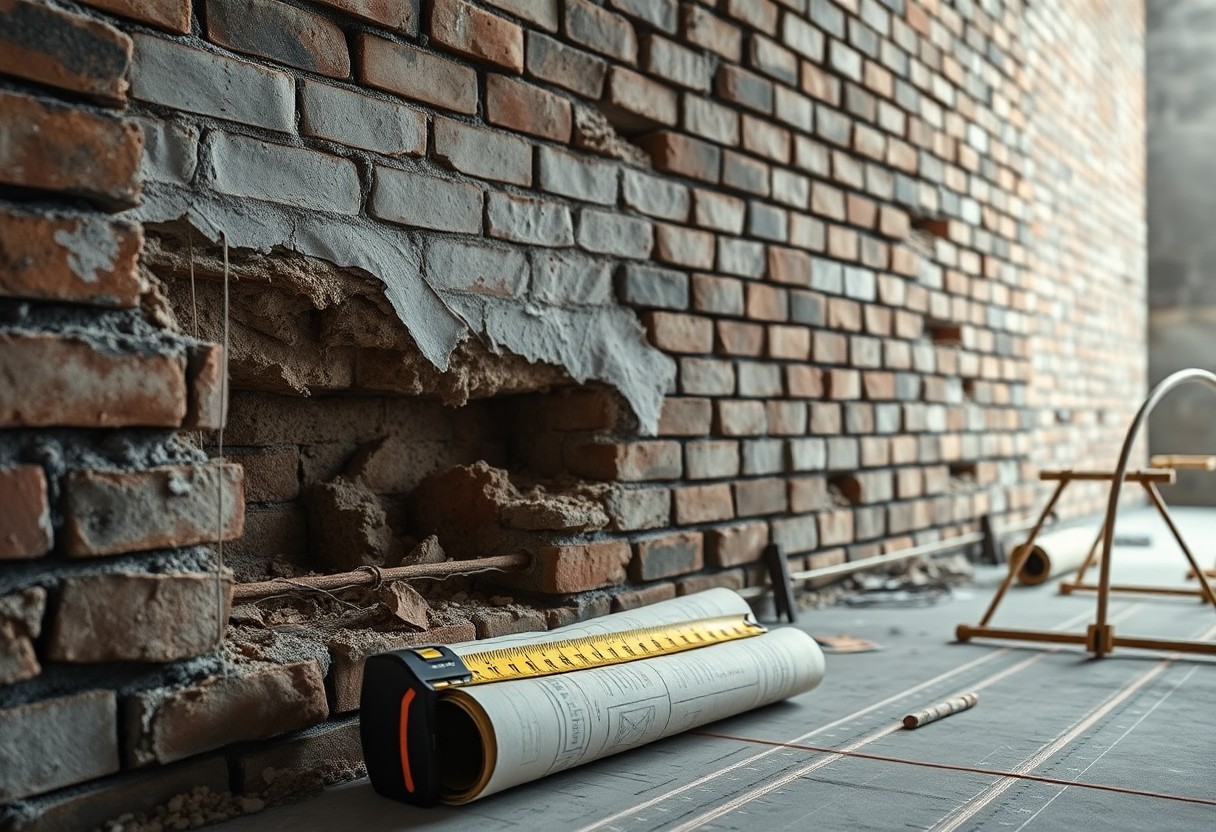
Just as a detective gathers evidence, every building offers its secrets through design, materials, and placement. I aim to help you uncover these clues, revealing the stories behind structures that shape our environment, enhancing your understanding of architecture and its impact on your daily life.
The Silent Testimony of Stone
Weathering as a Chronological Record
Over time, weathering processes etch stories into stone, revealing the passage of years or even centuries. Each layer of erosion or discoloration acts as a timestamp, documenting environmental conditions that shaped the material.
Your observations of these changes can guide you in understanding the age and history of a structure. Tiny fissures or sleek surfaces reflect not just time, but the influences of climate-be it freeze-thaw cycles or relentless sunlight.
The Intentionality of Load-Bearing Walls
Load-bearing walls are designed with purpose, reflecting the architectural intentions and practical needs of their time. Their thickness and placement indicate careful planning for stability and support, showcasing a balance between function and aesthetic appeal.
Your examination of these walls reveals more than just a structure; they communicate an understanding of materials and engineering principles that guided their construction. Each aspect invites you to consider the conversations of builders with their environment and community.
Load-bearing walls not only support the weight above but also stabilize the spaces within. Their strategic placements often highlight how ancient builders anticipated future needs and challenges. By observing these walls, you uncover narratives of human ingenuity and adaptability, demonstrating how structures evolve to meet the demands of their occupants and environment.
Decoding the Blueprint of Intent
Material Selection as Cultural Fingerprint
Your choice of materials reveals much about cultural values and technological advancements. Different societies prioritize various elements based on resources, climate, and aesthetics. For instance, traditional Japanese architecture often utilizes wood for its natural beauty and adaptability to seismic activity.
Examining the materials in your building can unveil historical ties and preferences. From the durability of stone in ancient structures to modern glass facades, each selection symbolizes a unique narrative that contributes to the overall identity of the structure.
Structural Anomalies and Hidden Chambers
Anomalies in design frequently indicate underlying stories waiting to be uncovered. Unusual shapes or configurations can signal attempts to adapt to specific challenges or constraints. Such quirks often correspond to historical events that impacted construction methods.
Hidden chambers or unexpected features draw intrigue. You might find concealed spaces that hint at clandestine activities, storage solutions, or even secrets kept by the original builders, revealing layers of history that enrich your understanding of the structure.
Exploring these anomalies captivates curiosity and drives deeper investigation. You’ll often find these quirks not only enhance architectural interest but also represent practical solutions to environmental or societal issues, adding depth to the narrative of the building. Each hidden aspect brings forth a glimpse into the lives of those who shaped its existence.
The Geometry of Human Habit
Erosion Patterns in High-Traffic Corridors
Erosion in high-traffic areas reveals much about human behavior. You can observe worn paths and scuffed surfaces as indicators of frequent footfall, guiding you to understand how certain routes become favored over time. These patterns inform not only the design of urban spaces but also the natural tendencies of pedestrians.
Modification Layers Through the Decades
Over time, structures accumulate layers of modification reflecting changing needs. I often notice renovations and adaptations as buildings evolve to suit contemporary demands, showcasing a timeline of human ingenuity. These alterations may include expansions, internal redesigns, or updates to materials and technology.
Aspects like architectural style and function shift, making it clear how societal values change. Each layer tells a story about priorities and innovations, revealing your community’s history and evolution through the years.
Looking closely at these modification layers, you can discern the intentions behind past decisions, whether driven by technological advancements or shifts in lifestyle. Each adjustment speaks to necessity and aspiration, allowing you to appreciate not only the building itself but also the people who shaped it across the decades.
Forensic Architecture and the Unseen Hand
Trace Evidence within the Foundation
Foundations hold stories waiting to be unearthed. I examine layers of soil, debris, and structural materials to reveal past events. Each component can indicate whether a site has been altered or abandoned, offering hints about its history.
Excavating such evidence can unveil hidden relationships between a structure’s use and its environment. You might find remnants of tools or living conditions that outline human interaction with the space, providing vital context for understanding its purpose.
The Physics of Collapse and Survival
Analyzing how structures collapse informs us about their design and the events leading up to their demise. I study the stress points and material weaknesses that contribute to failure, illuminating the unseen forces at play during disasters.
Understanding the physics involved isn’t just academic; it has real-world implications for future construction and safety practices. You learn that not all collapses are random; many follow predictable patterns based on how materials interact under pressure.
The intricate relationship between force and material resilience demonstrates why some parts of a building withstand disaster while others crumble. I assess these dynamics to provide insights into not only what happened, but how future structures can be designed to mitigate similar failures.
Echoes of the Master Builder
Mathematical Ratios as Stylistic Signatures
Analyzing structures reveals how mathematical ratios act as stylistic signatures. Architects often employ simple proportions like the golden ratio to create harmony and beauty. You might notice these principles manifest in everything from ancient temples to modern skyscrapers.
Your observations can extend beyond aesthetics. Ratios also influence structural integrity, linking form with function. I find it fascinating how these mathematical nuances contribute to the character of each building.
The Influence of Local Resource Constraints
Local resource constraints shape architectural decisions in profound ways. Builders often adapt their designs based on what materials are readily available, leading to a unique vernacular style. Craftsmen within specific regions develop techniques that suit the local environment and resources.
Incorporating indigenous materials doesn’t merely accommodate practical challenges; it also embodies cultural identity. You can see how resource availability influences everything from the texture of walls to the color palette of roofs, enriching the architectural narrative.
To wrap up
From above, every structure embodies a narrative waiting to be discovered. I observe lines, materials, and designs that speak volumes about their origins and purposes. Each element contributes to a greater understanding of the cultural and historical context in which it was created.
Your ability to analyze these details transforms your perspective on architecture. You uncover stories hidden within walls and foundations, connecting with the intentions of those who built them. Engaging with structures in this way provides a richer appreciation for the spaces we inhabit.
Q: What does it mean when we say “every structure leaves clues”?
A: The phrase implies that each architectural creation, whether a building or a bridge, tells a story through its design, materials, and location. These clues can reveal historical, cultural, or social contexts that inform us about the time and people who built it.
Q: How can structures provide insights into past civilizations?
A: Structures exhibit distinctive characteristics influenced by technological advancements and cultural practices of their era. Analysis of architectural styles, construction techniques, and layout can help archaeologists and historians reconstruct societal norms and behaviors of ancient communities.
Q: What types of clues can be found in modern structures?
A: Modern structures can reflect contemporary societal values, technological progress, and environmental considerations. Elements like sustainable materials, design for inclusivity, and innovative engineering all signal shifts in cultural priorities and advancements in design thinking.