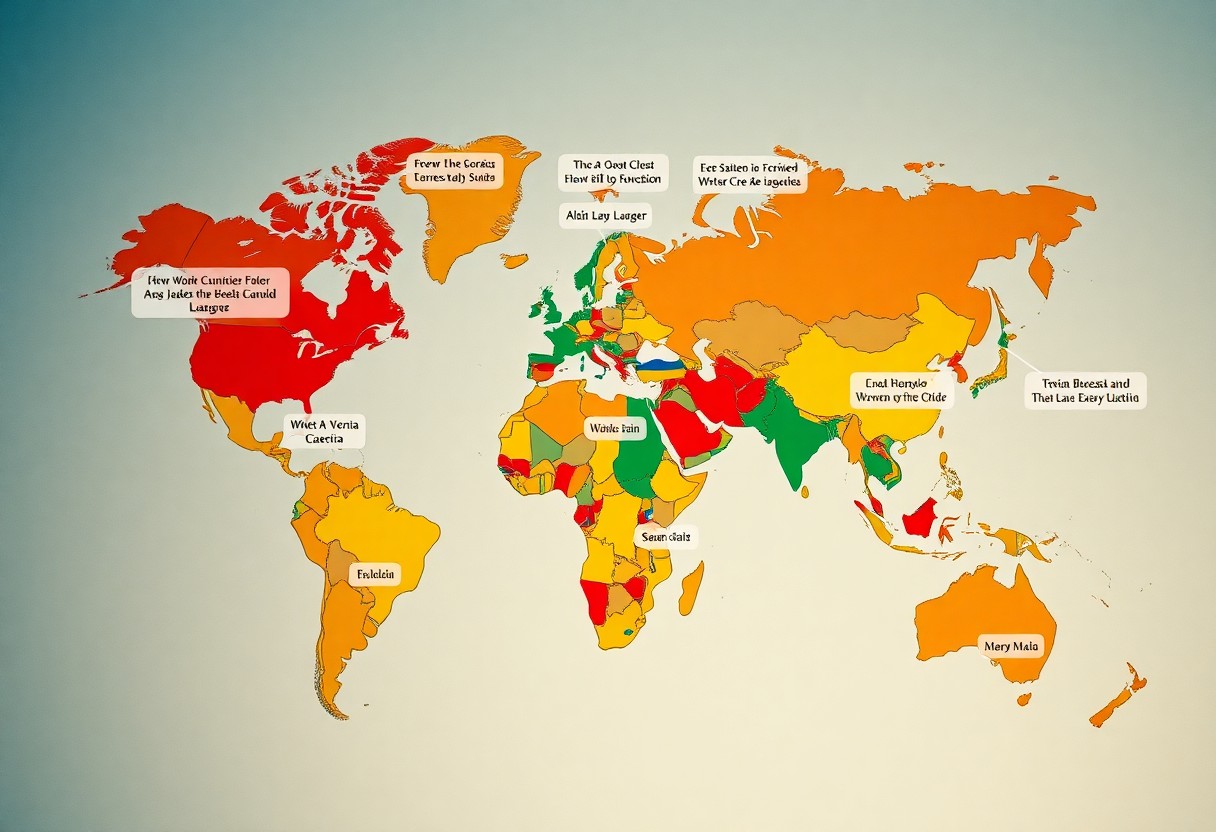
You may not realize it, but the distinction between tagging content by country versus language plays a vital role in effective communication and audience engagement. Understanding the nuances of both approaches can significantly enhance how your content is received by diverse audiences. While language indicates the linguistic framework, country tags provide insights into cultural context and relevance. This blog post explores the implications of these tagging strategies and why making informed choices can optimize your content’s impact across global markets.
The Power of Language in Digital Contexts
Language serves as a foundational pillar in digital interactions, influencing how content is consumed and understood. Global digital platforms must navigate the nuances of language to foster genuine connections with diverse audiences. For instance, a 2021 survey revealed that 75% of online shoppers prefer to buy products in their native language, highlighting the importance of linguistically tailored experiences in driving engagement and conversion rates.
How Language Shapes User Experience
User experience dramatically improves when content resonates in the user’s preferred language. This familiarity leads to enhanced comprehension, thereby increasing trust and satisfaction. Websites and applications that prioritize language localization often witness a boost in user retention and a decrease in bounce rates, demonstrating the profound impact language has on digital interactions.
The Role of Language in Global Branding
Branding on a global scale hinges on the careful consideration of language at each touchpoint. Multinational companies often invest heavily in localization strategies to ensure their messaging aligns with cultural contexts and resonates with local audiences. Successful brands, such as Coca-Cola and McDonald’s, demonstrate that adjusting language can make products more appealing, driving deeper connections and loyalty worldwide.
The effectiveness of language in global branding is evidenced by the campaigns of brands like Dove, which localizes its messaging to celebrate diverse beauty standards across cultures. This not only enhances relatability but also fosters an emotional bond with consumers. Moreover, studies have shown that brands using culturally relevant language can increase market penetration and consumer engagement, making it clear that language is not just a communication tool—it’s a strategic asset in building a strong global brand presence.
Unpacking Country Tagging and Its Implications
Country tagging serves as a pivotal mechanism in understanding the geographical distribution of content consumption, providing insights into user demographics and aiding marketing strategies. By ensuring content is correctly tagged by country, companies can curate and deliver region-specific experiences, enhancing engagement and relevance. This localization fosters trust and satisfaction among users who expect products and services tailored to their specific region, improving retention and conversion rates effectively.
The Geographic Relevance: Why Location Matters
Location directly influences user preferences, cultural values, and purchasing behavior. For instance, a product marketed in the U.S. may not resonate with customers in Japan due to differing cultural contexts and societal norms. As such, recognizing geographic relevance allows businesses to adapt their offerings, avoid potential misunderstandings, and ultimately drive sales in diverse markets.
Cultural Nuances Embedded in Country Tags
Cultural nuances are intricately linked to country tagging, reflecting regional attitudes, languages, and societal norms. For example, humor accepted in American advertising might be perceived as inappropriate in conservative cultures. By utilizing country tags, marketers can align content with local values, ensuring it resonates more deeply with target audiences. These nuances extend beyond mere language, influencing visual aesthetics, messaging tone, and even product design.
Deeply understanding cultural nuances allows brands to navigate complex social dynamics and articulate messages that align with local sentiments. For instance, during the launch of a new line of beauty products in France, brands often highlight French heritage and cultural ideals regarding beauty. Conversely, in markets where sustainability is a priority, emphasizing eco-friendliness could resonate more deeply. Thus, nuanced country tagging not only enhances the relatability of content but can significantly influence brand perception and loyalty across different regions.
The Interplay Between Country and Language Tagging
The relationship between country and language tagging is intricate and often overlapping. For instance, a piece of content tagged as “Japanese” might be relevant to audiences in Japan, but it could also reach Japanese speakers living in the United States or Brazil. Misunderstanding this relationship can lead to content being improperly categorized, limiting its potential reach. By recognizing how these tags interact, content creators can optimize not just visibility, but also audience engagement across different demographics.
The Risks of Ignoring One for the Other
Neglecting either country or language tagging can result in significant missed opportunities. If a website only emphasizes language without acknowledging country, it risks alienating distinct national audiences that may share the same language but have different cultural nuances. Conversely, focusing solely on country tags can narrow the tagging strategy and omit important language distinctions, possibly leading to misunderstandings in tone and context. Both facets are important for effective audience targeting.
How Tagging Strategy Influences Searchability
Effective tagging strategy directly impacts how content surfaces in search engines and various platforms. When content correctly integrates both country and language tags, it aligns more closely with users’ search queries, enhancing its visibility. For example, a blog post tagged with ‘French’ alongside ‘Canada’ stands a better chance of appearing in localized searches by French-speaking Canadians, thus attracting a targeted reader base. This dual approach also improves the content’s relevance score in algorithms, further boosting its ranking in search results.
Searchability is markedly enhanced through thoughtful tagging strategies that embrace the nuances of both country and language. Consider an e‑commerce site that sells fashion products; if it categorizes items by both the primary language spoken (such as Spanish) and country (such as Mexico), it maximizes exposure to local consumers searching in their native tongue. This intentional mix of tags not only aligns product offerings with user intent but also appeals to local cultural trends, enhancing the chance for higher conversion rates. Brands that capitalize on these insights often witness improved engagement metrics, demonstrating the effectiveness of a robust dual-tagging approach.
Implementing Effective Tagging Strategies
Effective tagging strategies encompass well-defined guidelines and procedures that ensure both country and language tags are applied consistently. By creating a standard operating procedure, organizations can better manage their content, enhance user experience, and improve search engine optimization. It’s crucial to regularly audit existing tags, realign with language dialects, and adapt to new geopolitical changes to keep the tagging system relevant and functional.
Best Practices for Language and Country Tagging
Adopting best practices in language and country tagging can greatly enhance content management. Clear differentiation between languages, including regional variants, is key—using ISO standards can guide this. Additionally, when tagging for countries, it’s imperative to consider cultural contexts, as a one-size-fits-all approach may alienate users. Regular training and updates are necessary to keep the tagging team aligned with evolving market needs and language usage.
Tools and Technologies to Streamline the Process
Leveraging automation tools can significantly optimize the tagging process. Natural language processing (NLP) software, for instance, can automatically detect linguistic nuances and apply corresponding tags across vast databases. Content management systems (CMS) with built-in tagging features also enhance efficiency, allowing for quick categorization based on user location and preferred language.
Tools such as Google Cloud Translation API can help manage language tagging by providing real-time translation and language detection capabilities. Additionally, tagging software like Taggun allows users to create automated tagging workflows that integrate seamlessly with existing content databases. Incorporating analytics platforms can also offer insights into tag performance, further refining tagging strategies while ensuring content reaches its desired audience effectively. The right combination of these technologies can dramatically improve tagging accuracy and speed, ultimately supporting better content discoverability and user engagement.
The Future of Tagging in a Globalized World
As globalization continues to blur geographic boundaries, the future of tagging will increasingly rely on dynamic frameworks that adapt to shifting cultural landscapes. Enhanced AI tools will analyze user behavior, contextual nuances, and regional trends to optimize content classification, ensuring that language and country contexts align with diverse audience needs. Organizations must embrace agile methodologies to stay ahead of these changes, fostering continuous improvement in tagging strategies that resonate worldwide.
Predictions on the Evolution of Language and Country Contexts
The evolution of language and country contexts is expected to reflect greater hybridization, with regional dialects and slang merging with global languages. This fusion will necessitate tagging systems that not only consider primary languages but also regional variations and cultural references, allowing for richer and more relevant audience engagement in an interconnected digital environment.
Preparing for Changes: Adapting to Emerging Markets
Adapting tagging strategies to emerging markets involves recognizing linguistic diversity and cultural significance within these regions. Businesses will need to invest in local expertise to navigate the nuances of language variations and socio-economic contexts that shape user experiences. By understanding these dynamics, companies can create more impactful tagging systems and develop culturally relevant content that truly resonates with target markets.
This requires leveraging localized data analytics to inform tagging decisions based on specific consumer needs and preferences within emerging markets. For example, tapping into urban vs. rural language differences can refine digital content strategies, making them more appealing to distinct demographic groups. Businesses should consider collaborations with local influencers to gauge sentiment and usage patterns accurately. Moreover, investing in scalable technology solutions that can accommodate language updates and variations will be imperative for future success. All these elements together pave the way for effective brand positioning in a rapidly evolving global landscape.
To wrap up
Presently, understanding the distinction between tagging by country versus language is necessary for effectively reaching diverse audiences in our increasingly globalized world. Correctly categorizing content enables tailored communication strategies, enhancing user engagement and accessibility. By recognizing the unique implications of each tagging method, businesses and organizations can optimize their outreach efforts, ensuring that they resonate with cultural contexts and linguistic nuances. This strategic approach not only improves user experience but also fosters inclusivity and relevance in content delivery.
FAQ
Q: What is the significance of tagging content by country versus language?
A: Tagging content by country helps to localize it based on cultural, legal, and market differences that may exist in various regions. It enables businesses to tailor their marketing strategies to align with local preferences and regulations. On the other hand, tagging by language allows content to be accessible to a broader audience who speak that language, regardless of their geographic location. Combining both tags can enhance user experience by ensuring that content is relevant to the user’s location and language proficiency.
Q: How does tagging by country impact SEO and online visibility?
A: Tagging by country plays a vital role in search engine optimization (SEO) as it helps search engines understand the target audience for specific content. By indicating the geographical relevance of content, businesses can improve their organic search rankings in specific countries, leading to better visibility among local users. This also means that businesses can potentially decrease competition by targeting niche audiences in specific regions, which might not be the case if they only optimized for language.
Q: What are the challenges of tagging content by country and language?
A: One of the main challenges of tagging content by country and language is ensuring accurate representation and avoiding confusion that can arise from regional dialects and variations. For example, the same language can have different nuances and colloquialisms in different countries. Additionally, technical challenges may arise in managing and maintaining databases that store this tagged content, as well as keeping the tags updated with changes in regulations or preferences within different regions. Businesses need to regularly evaluate their tagging strategy to ensure it aligns with the ever-changing landscape of global communication.