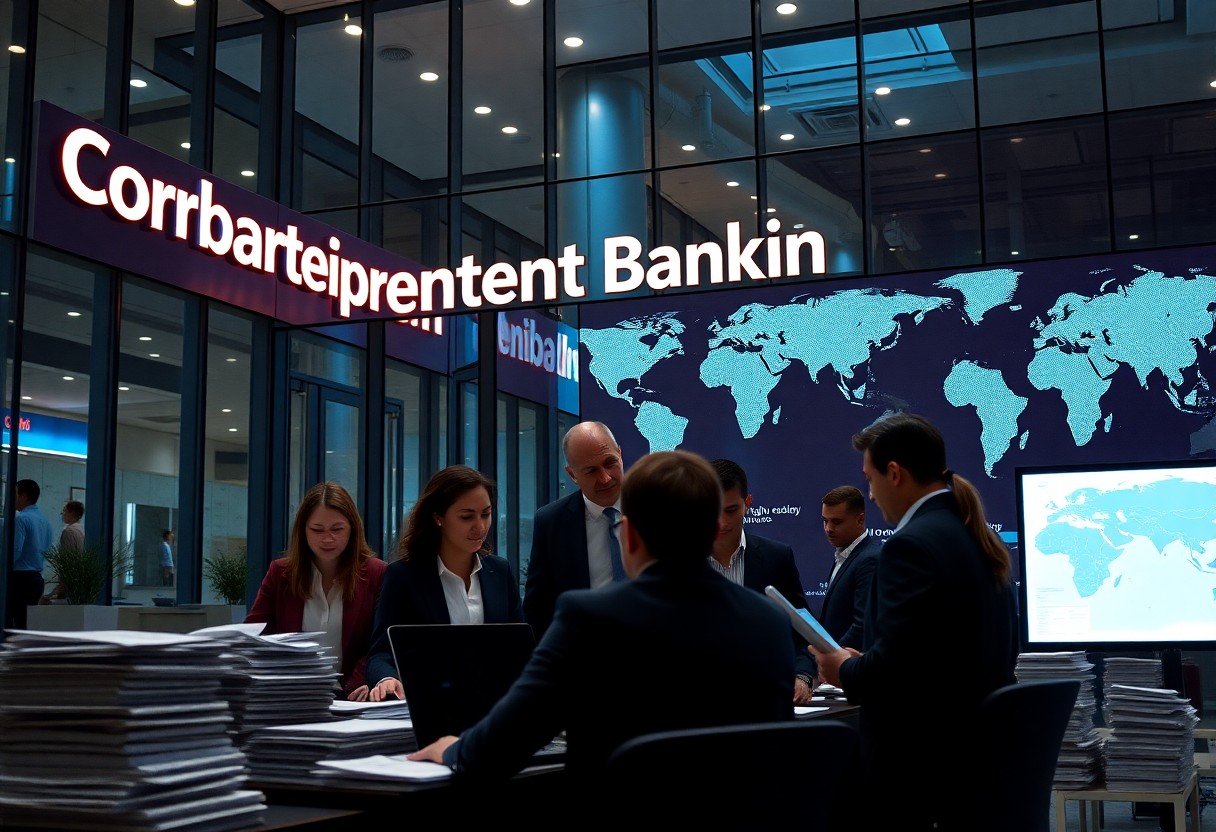
Over recent years, correspondent banking has emerged as a vital service for high-risk merchants navigating complex financial landscapes. These merchants often face challenges in accessing traditional banking services due to perceived risk factors, such as industry type or geographical location. This blog post explores the intricacies and benefits of correspondent banking, outlining how it enables high-risk merchants to establish vital banking relationships and facilitate cross-border transactions. Understanding this banking framework can empower high-risk businesses to operate smoothly while mitigating financial risks associated with their operations.
The Catalyst Behind High-Risk Merchant Banking
Defining High-Risk Merchants
High-risk merchants operate in industries with increased potential for chargebacks, fraud, or regulatory scrutiny. These sectors often include online gaming, adult entertainment, nutraceuticals, and cryptocurrency, where financial institutions perceive heightened risk levels due to the nature of their transactions and customer bases.
The Business Landscape That Fuels Risk
Rapid technological advancements and a shift towards e‑commerce have created an environment ripe for high-risk merchant growth. As traditional banking systems struggle to adapt, businesses operating in sectors like virtual currencies and online gambling face substantial hurdles in securing payment processing solutions, placing them in a high-risk category.
The increasing prevalence of digital transactions has transformed the business landscape, with some estimates indicating that e‑commerce sales will reach $6.4 trillion by 2024. The nature of these transactions, especially in high-risk industries, often leads to unforeseen chargebacks and fraudulent activities. Moreover, regulatory changes, such as stricter AML and KYC regulations, compel financial institutions to approach these sectors with caution, further complicating access to imperative banking services for high-risk merchants.
The Anatomy of Correspondent Banking
How Correspondent Banking Operates
Correspondent banking operates through a network of financial institutions that facilitate cross-border transactions. Banks establish relationships, known as correspondent accounts, allowing them to conduct operations on behalf of other banks. These accounts enable the movement of funds, exchange of currencies, and settlement of payments without requiring a direct relationship between every bank involved. In high-risk scenarios, these partnerships help streamline access to global markets despite heightened scrutiny and compliance requirements.
The Role of Correspondent Banks in International Transactions
Correspondent banks play a pivotal role in international transactions by providing access to financial networks and services. They serve as intermediaries for banks that lack a physical presence in foreign markets, ensuring that payments can be processed smoothly and efficiently. This becomes especially significant for high-risk merchants, who often face challenges in securing direct banking relationships due to regulatory pressures. Through correspondent banking, these merchants can still engage in global commerce.
For instance, a merchant operating in a high-risk sector, such as online gaming or forex trading, may lack access to traditional banking channels. By leveraging correspondent banks, they can facilitate transactions using established networks. This enables them to receive payments from international customers and remit funds seamlessly, while adhering to compliance requirements set forth by both local and international regulatory bodies. Correspondent banks not only provide financial access but also enhance risk management through due diligence and monitoring practices.
Why High-Risk Merchants Turn to Correspondent Banking
Access to Critical Financial Services
High-risk merchants often struggle to find traditional banking solutions due to regulatory scrutiny and increased compliance requirements. Correspondent banking provides access to crucial financial services, including international wire transfers, which are vital for businesses engaged in cross-border transactions. By partnering with banks that already have established networks, these merchants can overcome barriers that might otherwise prevent them from accessing the global financial system.
Facilitating Global Market Participation
Correspondent banking allows high-risk merchants to participate in global markets that would otherwise remain out of reach. This access empowers businesses in industries such as gaming, adult entertainment, or CBD products to engage with foreign customers and suppliers, driving revenue growth and expansion opportunities. With correspondent banks handling the intricate regulatory requirements of different jurisdictions, merchants can focus on scaling their operations without the burden of navigating complex banking laws.
For instance, a high-risk online casino seeking to operate in Europe may face significant challenges in securing a traditional banking partner. By utilizing correspondent banking, the casino can access necessary payment gateways and facilitate transactions without getting bogged down by local compliance issues. This arrangement not only streamlines operations but also enhances the casino’s ability to serve a diverse, international customer base, ultimately leading to sustained financial viability in competitive markets.
The Regulatory Framework Governing High-Risk Transactions
Key Legislative Acts Impacting Correspondent Banking
Several legislative acts shape the landscape of correspondent banking for high-risk merchants. The Bank Secrecy Act (BSA) mandates financial institutions to implement anti-money laundering (AML) procedures. The USA PATRIOT Act expanded the BSA requirements to enhance vigilance against terrorism financing. Furthermore, the EU’s Fourth Anti-Money Laundering Directive emphasizes due diligence and risk assessment, directly affecting correspondent banking relationships, especially in high-risk jurisdictions.
Compliance Best Practices for High-Risk Merchants
High-risk merchants must adopt rigorous compliance best practices to mitigate risks associated with correspondent banking. Implementing comprehensive Know Your Customer (KYC) protocols and conducting thorough risk assessments are fundamental. Regular audits ensure adherence to policies, while employee training on AML regulations fosters a culture of compliance. Staying abreast of evolving legislation and integrating advanced monitoring systems can further enhance transaction oversight.
Establishing a clear compliance framework involves developing specific policies tailored to the nature of high-risk activities. For instance, high-risk merchants should utilize technology solutions such as machine learning algorithms for transaction monitoring that can detect anomalies in real-time. Engaging with legal experts and participating in industry forums can provide insights into emerging risks and legal interpretations, ensuring that merchant practices align with current regulatory expectations. Additionally, fostering transparent relationships with correspondent banks enables better communication regarding compliance requirements and potential red flags, further mitigating risks of penalization or account closure.
Risk Assessment in Correspondent Banking Relationships
Evaluating Merchant Profiles
Merchant profiles form the foundation of risk assessment in correspondent banking. Analyzing aspects such as the merchant’s industry, transaction volume, history of compliance, and geographical location provides insights into potential risks. For instance, a payment processor dealing with online gambling may require closer scrutiny due to regulatory variances across jurisdictions. Up-to-date information from due diligence checks enhances understanding and allows banks to tailor their risk strategies effectively.
Mitigating Financial and Reputational Risks
Implementing robust risk mitigation strategies safeguards financial institutions against exposure from high-risk merchants. Comprehensive Know Your Customer (KYC) protocols, transaction monitoring tools, and regular audits are vital in identifying suspicious activities quickly. Engaging with industry experts for insights on best practices can further enhance the effectiveness of risk management approaches.
Monitoring transactions in real-time and establishing clear thresholds for alerts ensures that banks can act swiftly against potential fraud. For example, a spike in transaction volume from a merchant with a previously steady pattern may trigger an immediate investigation. Additionally, regular training for staff on identifying red flags improves awareness and preparedness, reducing the likelihood of engaging with merchants that could tarnish the institution’s reputation.
Navigating the Challenges of High-Risk Banking
Relationship Management with Correspondent Banks
Building a solid relationship with correspondent banks is vital for high-risk merchants. This involves regular communication and transparency about business operations, risk profiles, and transaction patterns. Establishing trust can lead to more favorable terms and increased flexibility in transaction processing. Proactive engagement in discussions about compliance and risk management further strengthens this relationship, ensuring both parties feel secure in their partnership.
Dealing with Increased Due Diligence Scrutiny
Heightened due diligence is a common experience for high-risk merchants, driven by regulatory pressures and compliance mandates. Banks often require extensive documentation, including proof of identity, detailed business plans, and transaction histories that verify the legitimacy of operations. Being prepared with comprehensive and organized documentation streamlines the review process and minimizes disruptions to banking services.
Due diligence reviews can be overwhelming, especially for merchants in industries like gaming or adult entertainment, which often face stricter regulations. A well-prepared merchant might provide thorough insights into operational workflows, financial transactions, and customer identities, demonstrating an understanding of AML (Anti-Money Laundering) protocols. Engaging a compliance consultant can also help navigate these complexities, ensuring alignment with regulatory expectations and reducing the risk of account closures or transaction freezes.
Technological Innovations Shaping Correspondent Banking
Fintech Solutions for High-Risk Merchants
Fintech companies are developing tailored solutions for high-risk merchants, enhancing their access to banking services. These solutions often include better risk assessment algorithms and more flexible payment processing systems. For instance, companies like Payza and BitPay enable high-risk businesses to operate within regulatory frameworks while ensuring efficient transaction flows, thereby mitigating traditional banking constraints.
The Impact of Blockchain on Transaction Speed and Security
Blockchain technology revolutionizes correspondent banking by significantly enhancing transaction speed and security. Traditional banking systems often involve multiple intermediaries, causing delays and increasing the risk of errors or fraud. With blockchain, transactions occur in real-time, leveraging decentralized ledgers that ensure transparency and accountability, ultimately decreasing reconciliation time from days to mere minutes.
Blockchain’s decentralized nature eliminates reliance on centralized institutions, reducing both transaction fees and the chances of fraud. For instance, Ripple’s network has been known to expedite cross-border transactions, processing them in seconds, compared to the standard 3 to 5 days with traditional systems. Furthermore, because each transaction is recorded on a public ledger, it becomes far more difficult for illicit activities to go unnoticed, providing an added layer of security that benefits high-risk merchants in particular.
Building Trust in High-Risk Merchant Transactions
The Importance of Transparency and Communication
Transparency in transactions fosters trust between high-risk merchants and correspondent banks. Open lines of communication, detailing business operations and risk management strategies, allow banks to better understand the merchant’s activities. Regular reporting on transaction volumes and patterns, as well as prompt disclosure of any anomalies, builds confidence and mitigates potential concerns regarding compliance and risk exposure.
Strategies for Establishing Credibility with Correspondent Banks
Establishing credibility involves demonstrating robust compliance practices, maintaining clear financial records, and providing comprehensive business information. Developing a detailed risk management framework that outlines strategies for mitigating potential fraud and ensuring regulatory adherence is necessary. Engaging third-party audits can also validate the merchant’s claims and improve perceived reliability.
For example, high-risk merchants can implement Know Your Customer (KYC) procedures, ensuring thorough vetting of all clients. Providing auditors’ reports or transparency reports to correspondent banks can further enhance trust. Regularly updating banks on changes in business models or compliance controls maintains an ongoing dialogue, reinforcing the merchant’s reliability. Presenting data-driven insights into transaction patterns and risk exposure demonstrates proactive management, which can significantly elevate a high-risk merchant’s standing with banks.
The Future of Correspondent Banking for High-Risk Merchants
Trends in Risk Management and Regulatory Compliance
Enhanced risk management practices are emerging as high-risk merchants navigate increasingly stringent regulatory landscapes. Banks are leveraging advanced analytics and machine learning to assess risk profiles more dynamically, allowing for tailored compliance strategies. This shift emphasizes the importance of real-time monitoring and the integration of data-sharing systems among financial institutions, ensuring that high-risk transactions are effectively scrutinized without impeding legitimate business operations.
Predictions for the Evolving Financial Landscape
The financial landscape is set to undergo significant transformations driven by technological advancements and evolving regulatory frameworks. As digital currencies and blockchain technology gain traction, correspondent banking will likely adapt to facilitate these innovations while maintaining compliance standards vital for high-risk merchants.
Future predictions highlight a rise in collaboration between traditional banks and fintech startups, fostering an environment that prioritizes innovation while addressing compliance concerns. The integration of artificial intelligence in risk assessment is expected to streamline processes and enhance decision-making capabilities. Furthermore, as regulators’ scrutiny intensifies, a more standardized approach to risk management may emerge across jurisdictions, enabling high-risk merchants to access banking services with greater ease and security. This evolution will likely create opportunities for new entrants in the banking sector, fostering a diverse ecosystem that can effectively service high-risk clientele while balancing risk mitigation and growth.
Lessons from Successful High-Risk Merchant Operations
Best Practices from Industry Leaders
Top high-risk merchants leverage compliance-focused strategies, ensuring robust documentation and transparency in all transactions. Companies like Payza have thrived by establishing clear communication channels with correspondent banks, fostering trust and reducing misunderstanding. Additionally, implementing risk management frameworks that integrate real-time transaction monitoring has proven effective in mitigating risks associated with unauthorized transactions.
Avoiding Common Pitfalls in Correspondent Relationships
Establishing effective correspondent banking relationships requires an understanding of regulatory compliance and risk assessment. High-risk merchants often falter by failing to communicate transparently with their banking partners, which can result in account closures or increased scrutiny. Regular audits and compliance checks can help maintain alignment with banking expectations, ensuring smoother operations.
In high-risk banking, one common pitfall is inadequate due diligence on correspondent banks, which can lead to partnerships with institutions that lack the experience or willingness to support high-risk activities. High-risk merchants should offer thorough documentation about their business practices and maintain ongoing dialogue about compliance changes. Creating a proactive feedback loop ensures that both parties are aligned on operational norms, significantly reducing the potential for conflicts or disruptions.
Ethical Considerations in High-Risk Banking
The Dilemma of Financial Inclusion vs. Risk Management
Financial inclusion aims to provide access to banking services for underserved populations, yet high-risk merchants often face discrimination due to potential compliance issues and illicit activity concerns. This creates a paradox where efforts to foster economic growth conflict with the necessity of safeguarding the financial system. Striking a balance between allowing businesses to flourish and mitigating risks is critical for maintaining stability.
Balancing Profitability and Corporate Responsibility
Profitability in banking often hinges on managing risk while adhering to ethical standards and social responsibilities. High-risk merchants present significant profit opportunities, yet the ethical implications of servicing these clients require banks to navigate a complex landscape. Stakeholders increasingly demand transparency and ethical practices, pushing banks to reevaluate their strategies in the context of corporate responsibility.
Successful banks leverage ethical frameworks to align profitability with responsibility. Engaging in active risk assessment and promoting compliance initiatives not only protects the institution but enhances brand reputation. By adopting social impact strategies, such as responsible lending practices or support for underserved communities, banks can create sustainable business models that resonate with both customers and regulators, ultimately fostering loyalty and long-term success.
Geographic Variations in Correspondent Banking Practices
Regional Regulatory Differences Impacting High-Risk Merchants
Regulatory landscapes vary significantly across regions, affecting how high-risk merchants engage with correspondent banking. In the European Union, stringent AML (Anti-Money Laundering) regulations demand enhanced due diligence, often complicating transactions for these merchants. Conversely, in certain jurisdictions with less rigorous oversight, banks might adopt more lenient practices, allowing faster access to services, although potentially at the risk of regulatory scrutiny. Such disparities exemplify the challenges merchants face in navigating differing standards and balancing compliance with operational needs.
Cultural Considerations in International Banking Relationships
Understanding cultural nuances is vital in establishing effective international banking relationships, particularly for high-risk merchants. Different regions prioritize trust, communication styles, and relationship-building practices, influencing how banks assess and interact with clients. For instance, in Asian markets, personal relationships can drive business decisions, while Western markets may place more emphasis on regulatory compliance and transactional efficiency. Acknowledging these cultural dynamics can lead to more effective negotiations and stronger partnerships.
Deepening the understanding of cultural considerations requires awareness of local customs and business practices. In Latin America, for example, personal connections might be a deciding factor in securing a correspondent banking relationship, whereas in Scandinavian countries, transparency and regulatory adherence take precedence. Fostering relationships that align with cultural expectations can enhance trust and collaboration, ultimately improving the chances of successful banking partnerships for high-risk merchants. As different cultural contexts shape expectations and interactions, adaptability becomes necessary for effective engagement in the international banking landscape.
The Role of International Organizations and Standards
Contributions from the FATF and Other Bodies
The Financial Action Task Force (FATF) plays a pivotal role in establishing guidelines that combat money laundering and terrorist financing, providing members with strategies to mitigate risks associated with high-risk merchants. Its recommendations shape national policies and global banking practices, ensuring that correspondent banking operates within a secure framework. Other organizations, such as the Basel Committee on Banking Supervision, contribute additional guidelines that influence the operational standards across various jurisdictions, creating a collective response to emerging financial crimes.
The Importance of Global Cooperation in Banking Standards
Global cooperation fosters consistency in banking standards, reducing the vulnerabilities of correspondent banking networks. Collaborative efforts among nations help orchestrate responses to shared challenges, ensuring that no single country acts in isolation. The interconnected nature of financial systems amplifies the risks posed by high-risk merchants, making international alignment necessary to uphold integrity and trust in banking practices.
Countries facing differing regulatory approaches may inadvertently create loopholes that can be exploited by high-risk merchants. For instance, a merchant might operate in a jurisdiction with lax regulations while utilizing the robust compliance mechanisms of a correspondent bank in a more stringent country, thereby endangering the latter’s reputation. By harmonizing standards and sharing intelligence, international organizations can fortify the global banking system, allowing for preemptive measures against financial crimes. This collective vigilance is vital not only for protecting individual institutions but also for maintaining the integrity of the entire financial landscape worldwide.
Final Words
As a reminder, correspondent banking serves as a vital mechanism for high-risk merchants, enabling access to global financial networks while managing regulatory compliance. These institutions facilitate transactions across borders, allowing merchants in high-risk sectors to proceed with their business dealings. However, efficient due diligence and risk assessments are necessary to mitigate potential pitfalls. By understanding the dynamics of correspondent banking, high-risk merchants can strategically navigate complex financial landscapes and leverage opportunities for growth, all while adhering to compliance standards set by financial authorities.