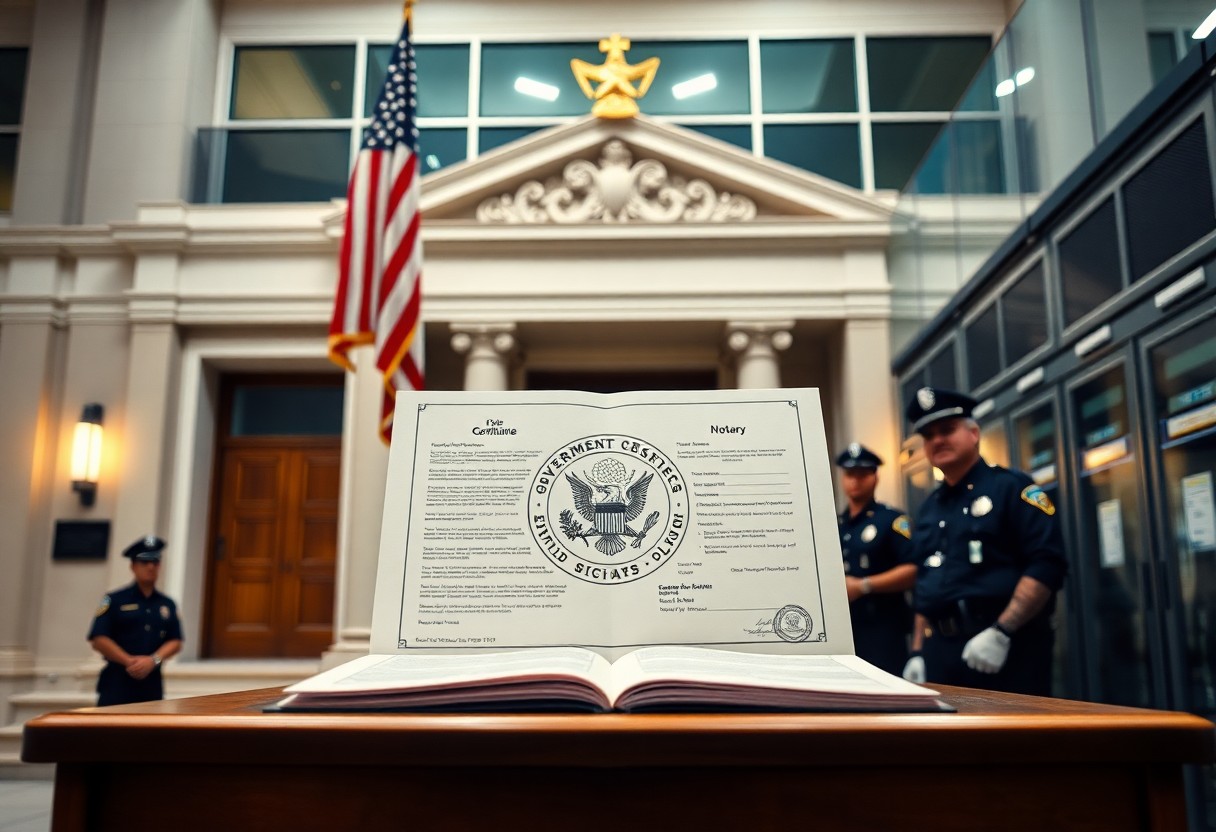
Over time, the disparity between public claims and the underlying contractual terms has become more evident, highlighting the complexities often hidden in agreements. While companies may project a certain narrative through public statements, the specifics within contracts can expose their true intentions, obligations, and risks. Analyzing these terms provides deeper insight into the dynamics of business relationships, revealing what parties are truly committing to and the potential implications of their claims. Understanding this distinction is vital for stakeholders looking to navigate the realities behind corporate communications.
Key Takeaways:
- Contractual terms provide clear, enforceable obligations that clarify the intentions of parties beyond mere public statements.
- Public claims can be influenced by marketing or reputation management, while contracts reflect the true negotiation outcomes and agreements.
- Analyzing contractual terms can uncover discrepancies between public representations and actual commitments, leading to greater transparency.
Understanding Contractual Terms
Contractual terms define the specific obligations, rights, and responsibilities of parties within an agreement. They provide clarity, ensuring that all parties have a mutual understanding of expectations, thereby reducing the potential for disputes. Well-drafted contractual terms can serve as legal safeguards, making them integral to successful business transactions.
Historical Evolution of Contractual Agreements
The concept of contracts dates back to ancient civilizations, where written agreements were created to facilitate trade. Over centuries, legal frameworks evolved, leading to standardized contracts that addressed specific needs of commerce, culminating in modern contract law that governs business operations today.
From the Code of Hammurabi in Babylon to Roman legal principles, early contracts were often oral and informal. As commerce grew, so did the complexity of agreements, leading to the introduction of written contracts in the Middle Ages. The rise of trade guilds and the formation of mercantile law further shaped contractual structures, establishing rules for fairness and enforceability. The Industrial Revolution marked a significant shift, as contracts needed to accommodate larger, more intricate transactions, solidifying their role in economic systems worldwide.
The Role of Contractual Language in Business Transactions
Contractual language serves as the foundation for establishing clear and precise agreements in business transactions. By utilizing specific terminology and structured clauses, parties can articulate their intentions and expectations, mitigating misunderstandings and legal conflicts.
In business transactions, the choice of words can profoundly impact the execution and enforcement of an agreement. For instance, terms like “must,” “shall,” and “may” create distinct obligations and permissions, influencing how contractual duties are interpreted. Moreover, incorporating industry-specific jargon can enhance understanding among parties familiar with particular sectors. Failing to use precise language can lead to ambiguities, resulting in disputes that could have been avoided through careful drafting and attention to detail.
Contractual Terms vs. Public Claims
Distinctions Between Public Claims and Contractual Obligations
Public claims often reflect broad promises or marketing statements, lacking the specificity and enforceability of contractual obligations. In contrast, contractual terms detail explicit duties, rights, and responsibilities defined by the parties involved. This disparity means that while public claims can foster understanding and trust, they do not carry the same legal weight or detail as the formal agreements binding the parties.
Legal Implications of Misinterpretation
Misunderstanding or misrepresenting contractual terms can lead to significant legal consequences, including breach of contract claims or disputes over liability. A party relying solely on public claims may find themselves unprotected when disagreements arise, as courts typically uphold written agreements over oral statements. Consequently, ensuring clarity and accuracy in contracts can prevent costly litigation and preserve business relationships.
Failure to properly interpret contractual language can result in misunderstandings that escalate into legal battles, particularly when discrepancies between public claims and formal terms are identified. Courts often lean towards the written contract’s terms, even dismissing public assertions that conflict with this documentation. Disputes stemming from these inconsistencies can lead to financial losses, reputational damage, and prolonged legal proceedings, highlighting the importance of accurate communication in contractual agreements.
Case Studies Illustrating Contrasts
Several case studies highlight the differences between public claims and signed contracts, illuminating potential pitfalls. For instance, in a construction dispute, a contractor claimed power efficiency through public marketing, but the contract specified different performance standards. Another case involved a tech company promoting its software’s capabilities publicly, while the contract imposed limitations on potential liability for failures. Here are some detailed examples:
- Construction Dispute: $500,000 in damages due to performance discrepancies.
- Tech Company Liability: $1 million lawsuit dismissed as claims contradicted contract terms.
- Retail Promotions: 20% off promotions led to confusion, revealing no enforceable guarantees in the contracts.
- Safety Standards: A $750,000 settlement after injury claims were unsupported by public safety assurances.
Exploring these case studies reveals that mere reliance on public statements can lead to severe repercussions. The construction contractor’s inaccurate public claims contributed to a $500,000 financial setback due to failure to meet contract stipulations. Similarly, the tech company’s promotion led to a $1 million lawsuit, illustrating the critical importance of aligning public messaging with contractual commitments. Such examples emphasize that clarity in contractual terms protects against potential misinterpretations and legal disputes.
The Transparency of Contractual Terms
Accessibility of Contractual Documents
Contractual documents are increasingly accessible, often available online through company websites or public registries. This openness enables stakeholders to review terms, conditions, and obligations easily, fostering a culture of clarity. Such accessibility benefits consumers and businesses alike, paving the way for informed decision-making and reducing misunderstandings about contractual responsibilities.
The Push for Standardization and Clarity
Efforts toward standardization in contractual language aim to simplify legal jargon and ensure consistency across industries. By promoting clear and understandable terms, stakeholders can more readily grasp their commitments and rights. This movement not only aids in comprehending contracts but also minimizes disputes that arise from unclear language.
Industry groups and legal experts advocate for a universal framework of contractual terms that can be tailored to various sectors. Initiatives like the use of plain language, boilerplate terms, and standard templates are gaining traction, helping both parties in a negotiation to reach agreements more efficiently. These measures reduce ambiguity, enabling businesses and individuals to enter contracts with greater confidence and fewer legal entanglements.
The Impact of Transparency on Trust
Enhanced transparency in contractual terms significantly boosts trust between parties. When stakeholders can access and understand the obligations outlined in contracts, it builds confidence in the integrity of the relationships formed. This level of transparency diminishes suspicions and fosters a cooperative environment.
Furthermore, trust is deepened when organizations openly share prior contract performance data and outcomes. A record of fair dealings showcases accountability and reliability, reassuring parties that agreements are respected. The ripple effect of trust extends to customers, investors, and the broader community, leading to more positive engagements and strengthening industry reputations.
Implications of Ambiguity in Contracts
Legal Consequences of Ambiguous Language
Ambiguous language in contracts can lead to significant legal disputes, as courts may interpret unclear terms in favor of the party that did not draft the contract. This principle, known as contra proferentem, places the burden on the drafting party to ensure clarity. Consequently, poorly defined obligations or rights may result in unfavorable outcomes, including financial losses or breach of contract claims. Inconsistent interpretations of ambiguous terms can also foster prolonged litigation, draining resources and undermining relationships.
Strategies for Clarity in Contract Drafting
Effective contract drafting requires a focus on precision and clarity to mitigate risks associated with ambiguous language. Utilizing plain language, defining terms explicitly, and structuring agreements logically can help ensure that all parties share a clear understanding of their obligations. Incorporating examples or scenarios may also serve to clarify intent, reducing the potential for disputes. Regularly revising and updating templates based on feedback from previous agreements can further enhance clarity.
Incorporating structured formatting-such as numbered clauses and headings-enhances readability and navigability, allowing parties to easily reference specific terms. Consistent terminology throughout the document, paired with clear definitions at the outset, eliminates ambiguity. Involving legal professionals in the drafting process ensures adherence to best practices and minimizes oversight. Training teams on effective communication and contract management also promotes a culture of clarity, leading to more efficient negotiations and fewer misunderstandings.
The Role of Jurisprudence in Interpreting Ambiguities
Jurisprudence plays a vital role in addressing ambiguities in contracts, as courts often rely on established legal principles and precedents to interpret unclear language. Judges assess the intent of the contracting parties, looking for evidence of meaning within the context of the contract and relevant laws. They may also use external factors-such as negotiations that led to the agreement-to discern the intent behind ambiguous terms, thereby influencing judicial outcomes.
Judicial interpretations frequently reflect broader principles of fairness and reasonableness. For instance, cases like *Pacific Gas and Electric Co. v. G.W. Thomas Drayage & Rigging Co.* demonstrate how courts utilize established guidelines to interpret contract ambiguity, reinforcing the importance of context and intent. Additionally, evolving case law may clarify specific ambiguities over time, providing ongoing guidance for contract drafters. Thus, understanding jurisprudence allows parties to foresee potential interpretations and tailor contracts to mitigate risks of misunderstanding.
The Role of Negotiation in Shaping Contractual Terms
The Process of Negotiating Contracts
Negotiating contracts involves back-and-forth discussions where parties articulate their needs, identify mutual interests, and propose terms that align with their objectives. Each negotiation progresses through stages, including preparation, offer and counteroffer exchanges, and the final agreement, often influenced by the strategies and tactics employed by both sides.
Factors Influencing Negotiation Outcomes
Numerous factors impact the outcomes of contract negotiations, including power dynamics, market conditions, and the relationship between the parties involved. Each factor plays a vital role in shaping the direction of the discussion and the terms ultimately agreed upon.
- Power balance between the negotiating parties
- Market conditions and economic factors
- Prior relationships and trust levels
- Preparation and knowledge of the subject matter
- Time constraints faced by the parties
Any given negotiation may also be influenced by cultural factors, emotional intelligence, and negotiation styles. Success often hinges on adaptability and the ability to anticipate potential objections or points of compromise.
- Cultural differences affecting negotiation styles
- Emotional intelligence in understanding needs
- Negotiation style of each party
- Flexibility in terms and conditions
- Communication skills to foster understanding
Case Examples of Noteworthy Negotiation Strategies
Several high-profile negotiations exemplify effective strategies that shaped contractual terms significantly. These examples illustrate how specific approaches can lead to favorable outcomes despite challenging circumstances.
For instance, the negotiation tactics used by major tech companies during mergers often involve creating a sense of urgency and leveraging expert input to refine terms. In one notable case, the integration of creative incentive structures led to enhanced collaboration post-agreement, underscoring the importance of strategic planning in negotiations. Such strategies can set industry benchmarks and influence future contract terms across sectors.
The Impact of Cultural Context on Contractual Interpretation
Variations in Contractual Practices Across Cultures
Contractual practices differ significantly across cultures, with some cultures favoring formal, written agreements while others rely on verbal understanding and trust. For example, in Japan, the concept of “wa,” or harmony, influences contracts which may embody a more flexible interpretation, contrasting with the rigid stipulations favored in Western cultures. The preference for consensus in countries like Sweden often leads to contracts that prioritize long-term relationships over strict adherence to terms.
The Influence of Cultural Norms on Contractual Language
Cultural norms shape the language used in contracts, impacting communication style, tone, and formality. For instance, cultures with high-context communication, such as those in the Middle East, often embed more implicit meanings in contractual language. Conversely, low-context cultures, like those in Germany, typically favor precise, direct language to minimize ambiguity. They influence how parties perceive obligations, expectations, and the overall intent of contractual provisions.
In high-context cultures, contracts serve as a starting point for relationship-building rather than definitive agreements. This approach can lead to misunderstandings for parties from low-context backgrounds, who may read the contract literally. For example, a provision that seems straightforward to a German firm may hold layers of implicit expectations for a Japanese counterpart, leading to differing views on compliance and enforcement.
Cross-Cultural Disputes: Lessons Learned
Cross-cultural disputes often stem from misinterpretations of contractual language, leading to legal conflicts that reveal deeper cultural divides. Such issues can arise from differing approaches to negotiation, trust, and formality in contract execution, underscoring the need for cultural sensitivity in international agreements.
Learning from past disputes is vital for effective cross-cultural interactions. For instance, the arbitration case between U.S. and Chinese companies highlighted the pitfalls of assuming mutual understanding when cultural contexts diverged. The resolution emphasized the importance of employing culturally knowledgeable intermediaries who can navigate language and cultural nuances, thus preventing future miscommunications and fostering smoother international relations.
Corporate Governance and Contractual Terms
The Role of Governance in Contractual Relationships
Corporate governance frameworks significantly influence how contractual relationships are structured and enforced. Effective governance ensures that contractual obligations are aligned with the organization’s strategic goals and stakeholder interests, facilitating transparency and accountability. Strong governance mechanisms promote compliance and ethical behavior while reducing the risk of disputes or misinterpretations of terms.
Ethical Considerations in When Drafting Contracts
Drafting contracts involves ethical responsibilities to ensure fairness, clarity, and equity among parties. It’s vital to avoid ambiguity and include comprehensive clauses that reflect an honest interpretation of intentions and obligations, fostering trust and collaborative relationships between stakeholders.
Ethical considerations extend to ensuring that contracts do not exploit power imbalances or obscure vital information. For instance, in a merger agreement, clauses should be detailed enough to protect minority shareholders without cloaking significant risks that may lead to future disputes. Upholding integrity in contract language has lasting implications for the organization’s reputation and stakeholder relationships.
Stakeholder Perspectives on Contractual Clarity
Clarity in contractual terms is paramount for maintaining stakeholder trust and engagement. When all parties have a comprehensive understanding of the contract, it minimizes conflicts and enhances cooperation. For instance, clear definitions of roles, responsibilities, and expectations can significantly affect project outcomes and stakeholder satisfaction.
From investors to employees, stakeholders benefit from transparent contractual terms that delineate rights and obligations. An example can be found in labor contracts where clear salary structures and performance metrics lead to improved employee morale and retention. When stakeholders feel informed and respected in contractual matters, it fosters a more harmonious business environment and paves the way for successful partnerships.
Risk Management and Contractual Terms
Identifying Risks Through Contractual Clauses
Contractual clauses serve as a fundamental framework for identifying potential risks in any agreement. For instance, warranties, indemnities, and limitation of liability clauses specifically outline who bears responsibility in various scenarios, allowing parties to anticipate and plan for adverse events. By analyzing these clauses, organizations can pinpoint vulnerabilities that may lead to financial or operational setbacks, ensuring a proactive approach to risk management.
Mitigation Strategies Embedded in Contractual Terms
Embedding mitigation strategies within contractual terms helps to address known risks effectively. These strategies may include insurance requirements, performance guarantees, and clear escalation procedures, which provide structured responses to potential issues. Such provisions are designed not only to manage liability but also strengthen relationships by fostering trust between parties.
For example, requiring a contractor to maintain specific insurance coverage can significantly reduce the financial impact of unforeseen circumstances, such as accidents or property damage. Additionally, performance bonds can guarantee that projects meet quality standards, protecting stakeholders from the risk of poor workmanship. These embedded strategies enhance risk resilience and contribute to smoother project execution.
The Importance of Review and Compliance Mechanisms
Regular review and compliance mechanisms within contracts ensure that the agreed terms are followed, thereby mitigating risks effectively. Implementing audit processes or compliance checks can uncover discrepancies and promote accountability. This ongoing oversight is vital for maintaining the integrity of the contractual relationship and minimizing risks associated with non-compliance.
For instance, a recent case study on a large construction project revealed that regular audits led to early detection of contract breaches and subsequent corrective actions. This proactive approach not only saved significant costs but also fostered a transparent relationship between the parties involved. Ensuring compliance can thus transform contractual agreements from mere formalities into dynamic tools for managing risk effectively.
Digital Contracts and Technology’s Impact
The Rise of Smart Contracts
Smart contracts automate the execution of agreements through blockchain technology, minimizing the need for intermediaries. By utilizing pre-defined code, they automatically enforce contractual terms when conditions are met, significantly enhancing efficiency and reducing the potential for disputes. Industries like finance and supply chain are increasingly adopting smart contracts to streamline operations, with a projected market growth to reach $346 million by 2026.
Implications of E‑signatures for Legality
E‑signatures have revolutionized the signing process, enabling parties to enter agreements remotely and efficiently. Legally recognized in many jurisdictions, e‑signatures offer the same enforceability as traditional handwritten signatures, with some businesses witnessing a 80% reduction in contract execution time. Compliance with regulations, such as the ESIGN Act in the U.S., safeguards their validity.
The legal validity of e‑signatures stems from their adherence to principles of consent and intent in contractual agreements. They eliminate the need for physical presence, allowing for faster transactions while maintaining security protocols through encryption. Various platforms ensure biometric verification and audit trails, providing a robust framework for both authentication and dispute resolution, which is especially important in high-stakes contracts.
The Future of Contractual Agreements in a Digital World
As digital transformation progresses, contractual agreements are evolving towards more integrated, transparent, and accessible models. The increasing adoption of artificial intelligence and blockchain technology anticipates a landscape where contracts are not only self-executing but also capable of intelligent analysis and modification based on contextual data.
Future contractual agreements are likely to embrace decentralized technologies, enabling peer-to-peer transactions without intermediaries. This shift could also lead to next-generation metrics for contract performance and compliance, driven by real-time data analytics. The potential for an interconnected contract ecosystem suggests not only enhanced efficiency but also greater adaptability to changing legal standards and market conditions, fundamentally reshaping how businesses operate globally.
Case Law and Precedents Shaping Contractual Interpretation
Notable Court Cases and Their Impact
Cases such as Hadley v. Baxendale and United States v. Winstar Corp. have significantly influenced how courts interpret contractual obligations. In Hadley v. Baxendale, the court established the principle of foreseeability in damages, while Winstar expanded notions of contractual expectation in the context of government agreements. These decisions foster a deeper understanding of how courts view contract enforceability and liability, shaping the landscape of contractual interpretation.
The Role of Precedents in Shaping Future Contracts
Precedent plays a vital role in the evolution of contract law. Courts often rely on established rulings to guide their decisions in new cases, ensuring consistency while addressing novel circumstances. This reliance on past judgments not only reinforces principles of fairness and predictability but also encourages contracting parties to align their terms with judicial expectations. In turn, this leads to more meticulously crafted agreements, reflecting lessons learned from previous litigation.
Analyzing Trends in Judicial Decisions
Examining judicial decisions over time reveals patterns that influence contract drafting and enforcement. Increasingly, courts are favoring interpretations that prioritize equitable outcomes and the intention of contracting parties. Trends indicate a shift towards a more holistic view of agreements, where external factors, such as industry standards and contextual elements, are given greater weight. This evolution prompts legal practitioners to adapt contract language proactively, ensuring alignment with contemporary judicial perspectives.
The Role of Legal Advisers in Contractual Clarity
The Duty of Legal Advisees in Contract Drafting
Legal advisers are tasked with ensuring that contracts are clearly defined, legally enforceable, and reflective of the parties’ intentions. Their expertise allows them to anticipate potential disputes and incorporate preventative measures into the contract language, safeguarding their clients from unforeseen liabilities and misunderstandings.
Tools and Resources Available for Legal Experts
Legal experts have access to a variety of tools and resources that enhance contract drafting and analysis. These include legal software, extensive databases of precedent contracts, and industry-specific guidelines that help in crafting clear and comprehensive agreements.
Utilizing advanced legal software can streamline contract drafting processes, allowing for automatic clause generation and compliance checks. Resources such as Westlaw or LexisNexis provide access to vast libraries of case law and legal precedents, enabling lawyers to draw from historical contexts, while benchmarking their contracts against industry standards ensures that they remain competitive and relevant.
Red Flags Legal Experts Identify in Contracts
Legal professionals are equipped to spot red flags in contracts that may indicate potential issues, such as vague language, unclear obligations, or imbalanced terms. Recognizing these pitfalls early can prevent costly disputes down the road and ensure that all parties are adequately protected.
Examples of red flags include clauses that lack specifics on performance timelines or payment obligations, which can lead to significant misunderstandings. Additionally, overly broad indemnification clauses may expose clients to unexpected liabilities, highlighting the need for meticulous review and revisions to uphold contractual integrity.
Contractual Terms and Consumer Protection
Legislative Framework for Consumer Contracts
Consumer contracts are governed by a range of laws aimed at protecting consumers from unfair practices. Regulations such as the Consumer Rights Act 2015 in the UK establish baseline rights regarding goods and services, ensuring transparency and fairness in agreements. Furthermore, directives from the European Union, such as the Unfair Commercial Practices Directive, provide additional safeguards, reinforcing the importance of protecting consumer interests in contractual relationships.
The Role of Fairness in Contractual Agreements
Fairness is a fundamental principle in consumer contracts, ensuring that terms are not overly burdensome or disadvantageous to consumers. Legislation often requires that contracts be written in plain language, allowing consumers to understand their rights and obligations. This commitment to fairness helps maintain trust between consumers and businesses, necessary in fostering a competitive market.
Unfair terms can lead to significant imbalances, prompting regulatory bodies to scrutinize agreements closely. For example, unfair exclusion clauses, which limit liability disproportionately in favor of businesses, may be challenged through consumer protection laws. Additionally, many jurisdictions now embrace notions of “good faith” and “reasonableness” in contract enforcement, emphasizing that agreements should reflect a balanced approach to the interests of both parties.
Consumer Rights and Corporate Transparency
Consumer rights are intrinsically linked to corporate transparency, with businesses expected to disclose necessary information to avoid misleading practices. Transparency safeguards consumers by ensuring they have access to accurate and comprehensive details about products and services before entering agreements. This openness not only enhances consumer trust but also promotes corporate accountability in upholding contractual terms.
In an era of heightened awareness about consumer rights, organizations that prioritize transparency often see improved customer loyalty and satisfaction. Studies have shown that businesses that clearly outline terms and conditions, including any potential risks or limitations, are more likely to retain customers against those obscured by complicated legal jargon or hidden fees. This proactive stance reduces disputes, reinforcing adherence to fair contractual practices while benefiting the company’s reputation.
International Contracts: Challenges and Insights
Understanding Jurisdiction and Applicable Law
Jurisdiction and applicable law are fundamental aspects of international contracts, shaping the legal framework governing disputes. Parties often face challenges in determining which court has authority and which laws apply, particularly when jurisdictions have differing legal principles. For instance, a contract between a U.S. company and a European firm may invoke both U.S. and EU regulations, necessitating careful analysis and clear stipulations within the contract to prevent unexpected legal outcomes.
Cultural Considerations in International Contracts
Cultural differences significantly influence negotiation styles, communication, and contract enforcement globally, highlighting the need for sensitivity in international agreements.
Understanding cultural nuances can facilitate smoother negotiations and prevent misunderstandings. For instance, in collectivist cultures, group consensus is paramount, while in individualistic societies, assertiveness is often valued. Language barriers may also obscure intentions, making clarity in drafting all the more vital. Moreover, symbols and gestures meaningful in one culture may be perceived differently in another, potentially impacting contract interpretation and relationship dynamics, thus emphasizing the necessity for thorough cross-cultural training for negotiators.
Dispute Resolution in Cross-Border Contracts
Effective dispute resolution mechanisms are necessary in cross-border contracts, where litigation can be complex and costly. As parties often operate under different legal systems, alternative dispute resolution (ADR) methods, such as arbitration and mediation, are frequently favored for their flexibility and efficiency.
Integrating ADR into cross-border contracts can save time and costs while providing a neutral ground for resolution. For instance, the International Chamber of Commerce’s arbitration rules are widely recognized for their efficacy in resolving international disputes, allowing parties to avoid the uncertainty of local courts. Tailoring dispute resolution clauses to reflect the specific needs and circumstances of the parties can significantly enhance outcomes and foster ongoing business relationships, illustrating the pivotal role of foresight in contractual design.
To wrap up
Considering all points, contractual terms often provide a more accurate reflection of the intentions and obligations of the parties involved than public claims, which can be influenced by marketing or public image. These terms delineate specific responsibilities and expectations, thereby reducing ambiguity and potential disputes. By examining the fine print, stakeholders can gain deeper insights into the real commitments and risks that may not be apparent from public statements. Ultimately, a thorough understanding of contractual language is vital for effective risk management and informed decision-making.
FAQ
Q: Why do contractual terms provide more clarity than public claims?
A: Contractual terms are legally binding and detail the specific obligations and rights of each party. Unlike public claims, which may be vague or promotional, contracts outline precise conditions, enabling a better understanding of the commitments involved.
Q: How can contractual terms protect parties involved in an agreement?
A: Contractual terms create legal protections by clearly stating the responsibilities and liabilities of each party. This reduces ambiguity, ensuring that all parties are aware of their duties and what to expect in case of non-compliance.
Q: What role does specificity play in assessing the validity of a claim?
A: Specificity in contractual terms allows for easier evaluation of claims made by parties. Clearly defined terms provide measurable benchmarks against which performance can be evaluated, making it easier to identify breaches or failures to meet obligations.
Q: In what ways can public claims be misleading compared to contractual terms?
A: Public claims may be designed for marketing purposes and can prioritize persuasive language over facts. In contrast, contractual terms are legally enforceable and typically include necessary details that clarify the actual nature of the agreement, minimizing the risk of misunderstandings.
Q: How do contractual terms support dispute resolution?
A: Contractual terms often include dispute resolution mechanisms, such as arbitration or mediation clauses. These predetermined processes can expedite resolutions and provide a structured approach for handling conflicts, in contrast to disputes arising from vague public claims.