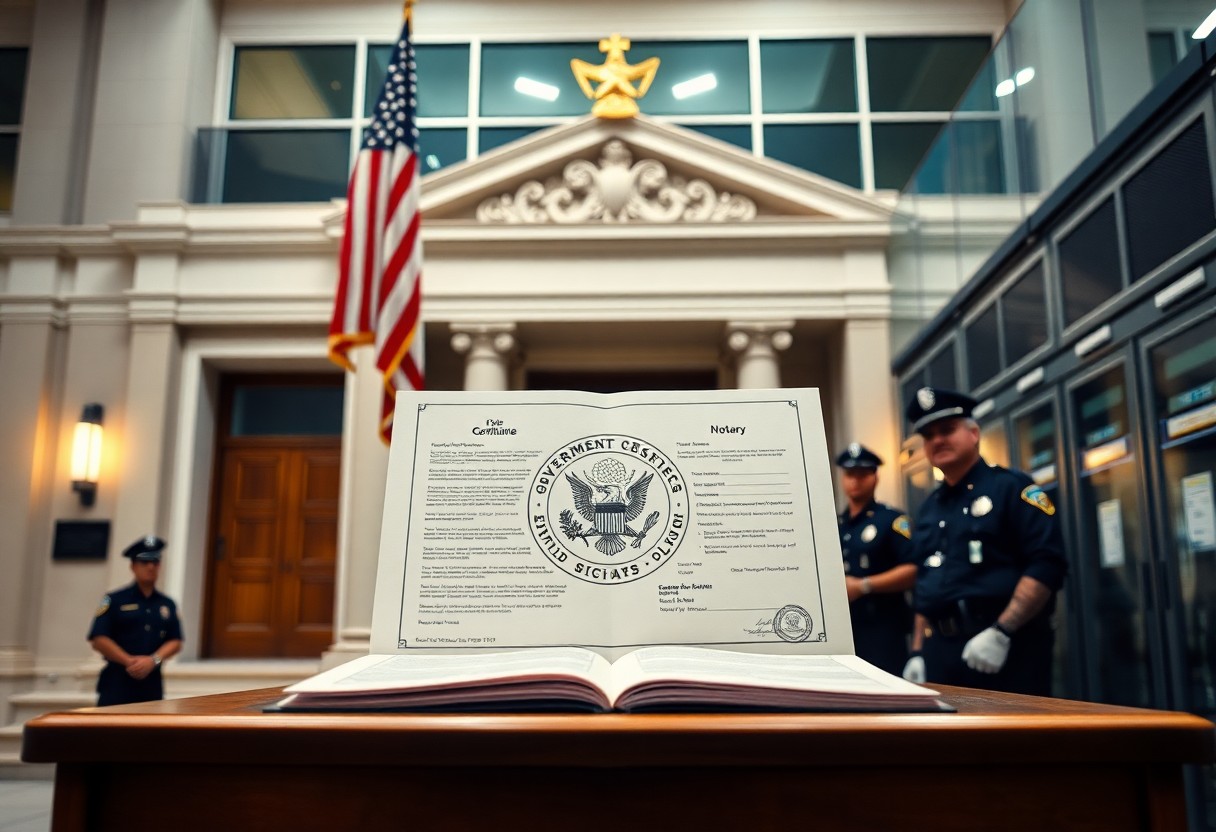
With increasing scrutiny on corporate behavior, the question of whether public interest can justify the investigation of private companies has garnered substantial attention. This discussion centers on the balance between protecting individual privacy rights and the need for transparency in business practices. Understanding the legal frameworks and ethical implications surrounding this issue can shed light on how public interests can sometimes outweigh the autonomy of private enterprises.
Key Takeaways:
- Public interest can outweigh private interests in certain circumstances, justifying investigations into private companies.
- The balance between transparency, accountability, and protection of corporate privacy is a critical factor in determining the legitimacy of such investigations.
- Legal frameworks and ethical guidelines shape the boundaries of investigating private companies in the context of public interest.
The Concept of Public Interest
Understanding public interest is fundamental when assessing the justification for investigating private companies. This concept encompasses the welfare and well-being of the general population, often weighing the balance between corporate activities and societal impacts. Investigations driven by public interest aim to uncover malpractices that can potentially harm consumers, the environment, or the economy, highlighting the need for transparency and accountability in corporate governance.
Definition and Scope
Public interest refers to the collective benefits and welfare of society, encompassing various dimensions such as health, safety, environmental protection, and economic stability. It extends beyond mere profit motives, seeking to ensure that private companies operate within ethical boundaries and adhere to regulations that protect the populace and support sustainable development.
Legal Framework
The legal framework governing public interest in corporate investigations varies by jurisdiction and includes statutes, regulations, and case law. For instance, laws like the Whistleblower Protection Act in the U.S. encourage reporting of corporate misconduct that poses dangers to public safety or breaches ethical norms. Regulatory agencies, such as the SEC, also play a significant role by enforcing compliance and investigating potential abuses within the private sector.
This legal framework is crucial as it provides the mechanisms through which public interest can compel investigations into private companies. Laws such as the Freedom of Information Act allow citizens access to corporate information typically shielded from scrutiny, promoting transparency. Additionally, various environmental protection statutes give authorities the power to investigate companies whose operations may adversely affect public health or the environment, exemplifying how legal provisions directly support public interest initiatives. Enforcement agencies often rely on these laws to act decisively, reinforcing societal trust and ethical standards in business practices.
Balancing Privacy and Transparency
Striking a balance between privacy rights of individuals and the transparency expected from private companies is vital. Organizations often hold sensitive information that, if disclosed without proper justification, could violate privacy norms. Yet, there are situations where public interest mandates a level of transparency that necessitates revealing certain operational aspects of these companies, especially when their practices may harm consumers or society at large.
Ethical Considerations
When considering whether to investigate private companies, ethical implications must be navigated carefully. These include weighing the potential harm to individual privacy against the benefits to public welfare. Additionally, the motivation behind the investigation must be scrutinized—whether it is genuinely in the interest of the public or serves an ulterior motive, such as political gain or financial advantage.
Case Studies
Case studies reveal the complexities involved in justifying investigations into private companies. Notable instances illustrate both the successes and failures of these inquiries, often highlighting the fine line between protecting public interests and infringing on the rights of businesses and individuals alike. These examples can serve as informative benchmarks for future discussions on corporate ethics and accountability.
- Uber’s Greyball Program (2017): Uber used software to evade law enforcement in cities where its service faced restrictions. Resulted in investigations, legal fines of over $20 million, and increased calls for regulatory oversight.
- Facebook-Cambridge Analytica Scandal (2018): Data misuse affected 87 million users. Public outcry led to significant investigations, resulting in a $5 billion FTC fine against Facebook.
- Wells Fargo Fake Accounts Scandal (2016): Uncovered 3.5 million unauthorized accounts. The fallout included $3 billion in fines and a mandate for greater transparency in corporate governance.
- Volkswagen Emissions Scandal (2015): Deceptive emissions testing led to a $37 billion loss in market value and increased scrutiny on corporate practices regarding environmental regulations.
These case studies not only illuminate pertinent ethical dilemmas but also emphasize the outcomes of investigative actions. They illustrate how regulatory measures can lead to significant corporate accountability while simultaneously reflecting on the importance of safeguarding private information. Each case provides insight into the necessity of establishing clear guidelines for actions justified by public interest, ensuring that both privacy and transparency are respected.
Regulatory Agencies and Their Role
Regulatory agencies play a vital role in overseeing private companies, tasked with ensuring compliance with laws designed to protect public interest. These agencies, like the Federal Trade Commission (FTC) in the U.S. or the Financial Conduct Authority (FCA) in the U.K., monitor company practices, assess their economic impact, and enforce regulations that address market failures. Their mandate involves investigating potential wrongdoing, whether it involves consumer protection, financial regulations, or market competition, ultimately aiming to foster accountability and integrity within the corporate landscape.
Oversight Mechanisms
Oversight mechanisms employed by regulatory agencies include routine audits, investigations into specific complaints, and the enforcement of transparency requirements. These measures help ensure that private companies adhere to established laws and ethical standards. For instance, the Sarbanes-Oxley Act mandates rigorous financial reporting for publicly traded companies, deterring fraudulent practices and enhancing corporate governance.
Limitations and Challenges
Despite their authority, regulatory agencies face limitations that can hinder their effectiveness. Resource constraints, lack of comprehensive data, and the ever-evolving tactics of private companies can complicate oversight efforts. Additionally, the influence of lobbying and political pressures may affect decision-making, leading to inconsistencies in enforcement and sometimes prioritizing corporate interests over public welfare.
Further exploring the limitations and challenges, regulatory agencies often operate within budgetary confines that restrict the breadth and depth of their investigations. As compliance becomes more complex, particularly with globalization and technological advancements, these agencies must adapt quickly to emerging issues while fighting against sophisticated corporate lobbying efforts. This tug-of-war can result in diluted regulations or delayed responses, prompting ongoing debate about the effectiveness of the regulatory framework in protecting public interests in an evolving market landscape.
The Impact of Investigating Private Companies
Investigating private companies shapes not only the corporate landscape but also public perception and market dynamics. As regulatory scrutiny increases, companies may alter practices to ensure compliance, leading to changes in operational transparency and ethical standards. These investigations can reveal malpractice, prompting significant shifts in industry behavior, reinvigorating stakeholder activism, and fostering a culture of accountability that benefits consumers and the broader market.
Economic Consequences
Economic repercussions arise from investigations into private companies, often resulting in financial instability, loss of investor confidence, and potential layoffs. The costs associated with legal battles and compliance adjustments can burden a company’s finances, while sanctions or penalties may lead to reduced market share. Additionally, negative public perception can deter customers, compounding financial losses and altering local job markets.
Public Trust and Corporate Accountability
Public trust hinges on perceptions of corporate accountability, heavily influenced by investigative scrutiny. When companies are held responsible for unethical practices, it reinforces consumer confidence and encourages fair competition. The visibility of investigations can act as a deterrent against misconduct, fostering a corporate environment where ethical practices are prioritized. This dynamic not only enhances brand loyalty but also sparks a broader commitment to integrity across industries.
Moreover, the relationship between public trust and corporate accountability is intricate; investigations serve as a litmus test for transparency and ethical conduct. High-profile cases, such as the fallout from corporate scandals like Enron or Volkswagen’s emissions scandal, echo through communities and influence regulatory approaches. As companies face scrutiny, they are compelled to adopt more sustainable practices and engage in corporate social responsibility initiatives, ultimately aligning their objectives with societal values and public expectations.
Arguments For Investigating Private Companies
Public interest serves as a compelling framework for justifying the investigation of private companies, offering a balance between corporate freedom and societal accountability. Such scrutiny can uncover hidden issues that affect consumers, workers, and the environment, promoting transparency and ethical behavior. Enhanced oversight ensures that companies adhere to the laws governing their operations, fostering trust in the marketplace and protecting the interests of all stakeholders involved.
Social Responsibility
Private companies have a profound obligation to act in socially responsible ways, particularly when their activities directly impact the community. Investigating these entities can shed light on their contributions to social welfare and their adherence to ethical business practices, thus holding them accountable for their actions and prioritizing the public good over profit.
Preventing Malpractice
Investigating private companies helps prevent malpractice by identifying and addressing unethical practices before they escalate. When regulatory agencies carry out thorough investigations, they can detect financial fraud, labor violations, and environmental harm, ensuring that companies are held accountable for their actions. This oversight not only protects consumers but also promotes fair competition and increases corporate responsibility in the marketplace.
Documented cases, such as the revelations surrounding the Enron scandal, demonstrate how the absence of scrutiny led to extensive malpractice that harmed thousands of employees and investors. By implementing regular investigations into private companies, regulators can catch potential wrongdoing early, deterring corporations from engaging in deceitful practices that could have wide-ranging consequences. In sectors like pharmaceuticals, where consumer safety is paramount, the consequences of malpractice become even more pronounced, underscoring the necessity for vigilant oversight. Such proactive measures ultimately safeguard public trust and encourage adherence to ethical standards across industries.
Arguments Against Investigating Private Companies
Critics of investigating private companies highlight significant drawbacks, arguing that such inquiries can lead to the abuse of power, inhibit innovation, and create an environment of distrust. These concerns emphasize the potential for overreach by regulatory bodies and the detrimental effects investigations may have on the economy and technological advancement.
Risk of Abuse of Power
The risk of abuse of power looms large when governments or regulatory agencies investigate private companies. When these entities overstep their boundaries, it can lead to harassment or politically motivated actions against organizations that may merely disagree with the prevailing narrative. Such abuses can create a chilling effect, where companies stifle innovation or avoid transparency for fear of retribution.
Undermining Innovation
Investigations into private companies can stifle innovation by diverting resources away from research and development toward compliance and legal matters. When firms fear scrutiny, they may hesitate to pursue bold new ideas or enter emerging markets, ultimately hindering their ability to compete on a global scale. This lack of boldness stunts growth not just for the companies involved, but also for the entire industry, leading to slower technological advancements and fewer groundbreaking products entering the market.
For instance, during the investigations of various tech giants over data privacy, many smaller firms reported reduced investment because potential backers exhibited caution amid the uncertainty. A pronounced focus on regulatory compliance can preoccupy leadership, leading to a strategic retreat from risk-taking endeavors crucial for breakthroughs. In industries where rapid innovation defines success, this hesitance may incentivize established firms to focus on protecting existing assets rather than pioneering new solutions, ultimately stifling the dynamic evolution critical to progress.
Final Words
With this in mind, the justification for investigating private companies in the public interest hinges on a delicate balance between accountability and privacy. While the need for transparency in corporate practices is undeniable, it must be weighed against the rights of individuals and organizations to operate without unwarranted intrusion. Ultimately, public interest can serve as a vital rationale for such investigations, provided there are clear legal frameworks and ethical guidelines to ensure that the pursuit of justice does not compromise fundamental freedoms.
FAQ
Q: What is the public interest in the context of investigating private companies?
A: Public interest refers to the welfare or well-being of the general public. It encompasses concerns like consumer safety, environmental protection, and fair market practices, which may justify investigating private entities if they impact these areas.
Q: What legal frameworks allow for the investigation of private companies in the name of public interest?
A: Various laws, including antitrust laws, consumer protection statutes, and environmental regulations, empower government agencies to investigate private companies when their actions may violate public interest standards.
Q: How does the concept of public interest balance with corporate privacy?
A: While private companies have rights to confidentiality and privacy, these rights can be outweighed by the need to protect public health, safety, or economic stability, prompting investigations when necessary.
Q: What are some examples where public interest justified investigations into private companies?
A: Examples include investigations into pharmaceutical companies for safety violations, tech firms for data privacy breaches, and environmental audits of manufacturing companies for pollution noncompliance.
Q: How can the findings from public interest investigations impact a private company?
A: Findings can lead to regulatory actions, fines, legal liabilities, and mandatory changes in practices, ultimately influencing a company’s operations, reputation, and financial standing.