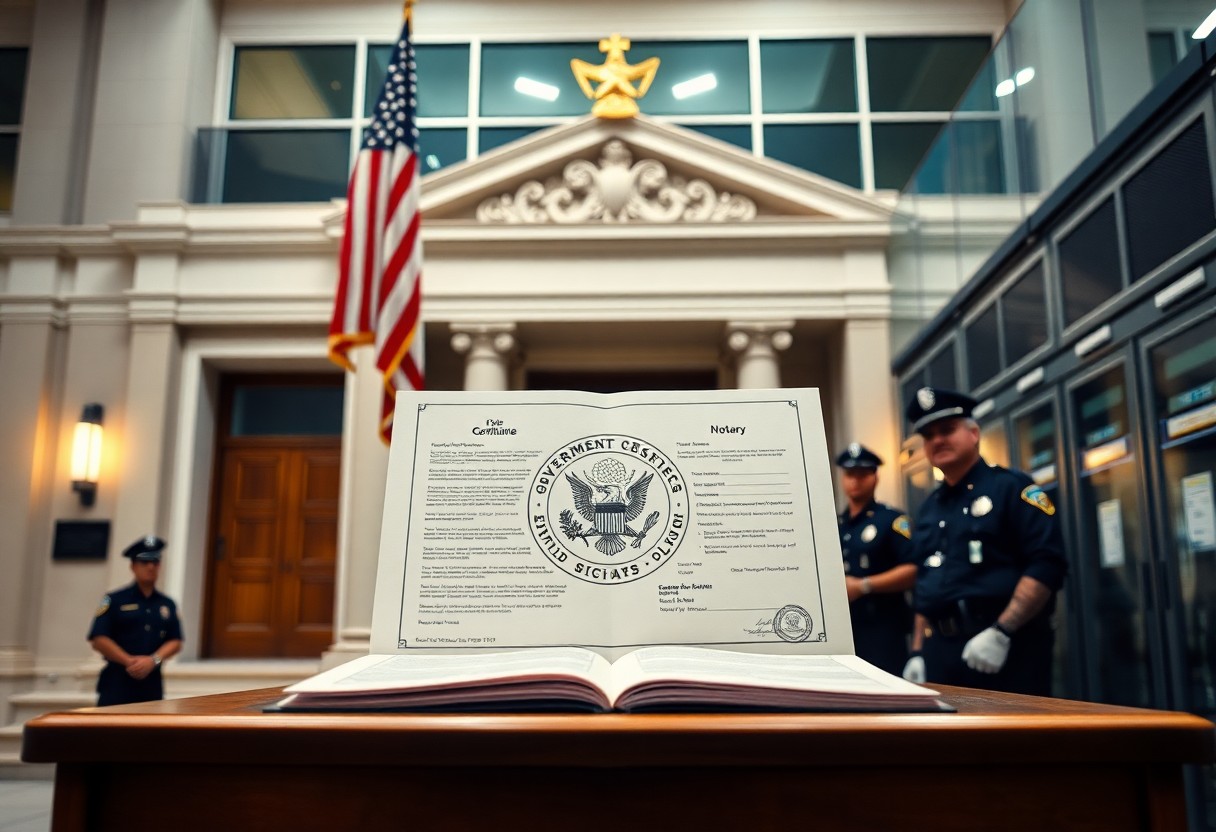
Neutrality in investigations is necessary for ensuring unbiased outcomes, yet external pressures can challenge this objectivity. Factors such as public opinion, media scrutiny, and organizational interests often create environments where impartiality is difficult to maintain. This blog post explores the complexities investigators face when striving to uphold neutrality, the impact of external influences, and strategies that can be employed to safeguard the integrity of the investigative process. Understanding these dynamics is vital for anyone involved in or affected by investigations, as it shapes perceptions and trust in the findings presented.
Key Takeaways:
- Investigators face significant challenges in maintaining neutrality due to external pressures from stakeholders.
- Implementation of clear protocols and guidelines can help uphold objectivity during investigations.
- Training in conflict resolution and ethical decision-making is crucial for investigators to navigate biases effectively.
Understanding Investigative Neutrality
Definition of Neutrality in Investigations
Neutrality in investigations refers to the unbiased stance taken by investigators, ensuring that their findings are based solely on evidence rather than personal beliefs or external influences. This objective approach is vital for maintaining integrity throughout the investigative process.
Importance of Neutrality for Credibility
Establishing neutrality is imperative for the credibility of an investigation. When stakeholders perceive an investigation as impartial, it reinforces trust in the findings and conclusions drawn. Credibility empowers investigators to present their results with greater weight and authority.
Without a foundation of neutrality, the outcomes of investigations may be questioned, undermining their impact. For instance, a police investigation swayed by public opinion can lead to unjust outcomes, fostering doubt among community members about law enforcement’s motives and methodologies. Consequently, fostering an environment where neutrality is prioritized strengthens the legitimacy of the investigative process and enhances public confidence in the system’s capability to deliver justice.
Challenges to Maintaining Neutrality
The pursuit of neutrality is fraught with challenges, including pressure from various stakeholders, organizational biases, and conflicting interests that may influence an investigator’s judgment. Factors such as media scrutiny or community expectations can further complicate the investigative landscape.
High-profile cases often illustrate how easily neutrality can be compromised. For example, media coverage can create a ‘trial by media’ effect, pressuring investigators to align their findings with public sentiment rather than sticking to the facts. Additionally, internal politics within organizations can skew an investigator’s approach, especially if outcomes could potentially affect funding or reputation. Thus, awareness of these challenges is imperative to mitigate their impact and safeguard the neutrality of the investigative process.
The Pressures Affecting Investigative Integrity
External Pressures from Media and Public Opinion
Media scrutiny and public sentiment can heavily influence the direction and perception of investigations. When high-profile cases arise, the race for headlines can lead journalists to demand swift action from investigative bodies, often prioritizing sensationalism over objective fact-finding. This external pressure creates an environment where investigators may feel forced to conform to public expectations rather than adhering strictly to their methodology.
Internal Pressures from Organizations and Stakeholders
Organizations and stakeholders often impose their own expectations and demands on investigative processes, which can complicate the pursuit of objectivity. Leadership may push for quick resolutions that align with their interests, causing investigators to compromise on thoroughness for the sake of expediency.
Internal influences can take various forms, including directives from upper management, financial backers demanding favorable outcomes, or even departmental peers urging alignment with specific narratives. When investigations become intertwined with organizational objectives, the risk of biased outcomes escalates, blurring the lines between integrity and influence. For instance, cases where corporate entities seek to mitigate liability can lead investigators to become more aligned with company interests rather than impartial truth-seeking.
Psychological Pressures on Investigators
Investigators also face psychological pressures that can impair their decision-making abilities. The weight of expectations, fear of failure, and personal investment in cases can lead to stress, anxiety, and even burnout, impacting their overall performance.
The long-term ramifications of psychological stress for investigators cannot be overlooked. The persistent burden of workload and emotional toll can distort their judgment, potentially resulting in tunnel vision where they focus solely on outcomes aligned with external pressures. In high-stakes environments, investigators may subconsciously adapt their strategies to mitigate perceived risks or to meet the expectations of those around them, ultimately undermining the principles of neutrality critical for effective investigative outcomes.
Historical Cases of Compromised Investigations
Examination of High-Profile Investigative Breaches
Numerous high-profile cases have spotlighted the fracturing of investigative integrity, notably the 2016 FBI investigation into Hillary Clinton’s email usage. The intervention affected perceptions and raised questions about impartiality, demonstrating how external pressures can skew focus and outcomes. Similar instances, including the 1994 O.J. Simpson trial, reveal how media narratives and public expectations can compromise the neutrality of the investigation process.
Lessons Learned from Historical Precedents
Historical precedents highlight the necessity for rigorous protocols to safeguard investigative integrity. The aftermath of notable cases often leads to calls for reform and recommendations to distance investigations from external influences, showcasing both failures and pathways for improvement. Transparency and consistency emerge as vital components in learning from past mistakes.
For instance, the Duke lacrosse case revealed how rushes to judgment, fueled by media sensationalism, led to devastating repercussions for the accused. Following this, a reevaluation of investigative practices focused on greater oversight and procedural fairness has been prioritized in discussions surrounding judicial reforms. These lessons underscore the pressing need for systems that foster unbiased inquiries and bolster public trust.
The Role of Accountability in Past Investigations
Accountability has proven imperative in addressing past investigative failures, as seen with the Baltimore Police Department’s consent decree following the 2015 Freddie Gray incident. This framework enforced measures to restore public confidence while establishing mechanisms for oversight, illustrating the shift toward greater responsibility in law enforcement operations.
The emphasis on accountability in cases like the FBI’s handling of the Clinton investigation is paramount; as unforeseen circumstances arise, holding investigators accountable can prevent further erosion of public trust. Learning from these occurrences involves not just reactionary measures but proactive strategies, ensuring that investigative bodies operate under both scrutiny and ethical commitments to maintain integrity going forward.
Strategies for Maintaining Neutrality
Developing Robust Investigative Protocols
Establishing comprehensive investigative protocols is imperative for maintaining neutrality. These protocols should outline clear procedures for evidence collection, witness interviews, and reporting, minimizing personal biases and ensuring consistency. For example, utilizing standardized interview techniques can help reduce variability in witness accounts and foster objective analysis. Regular reviews and updates to these protocols ensure they adapt to evolving best practices in the field.
Training and Education on Bias Awareness
Training and education specifically focused on bias awareness enhance the ability of investigators to recognize their own prejudices and the impact these biases can have on their work. This training should incorporate real-world scenarios and case studies to highlight potential pitfalls, promoting a culture of introspection and impartiality.
In-depth workshops on bias awareness might include interactive elements, such as role-playing or group discussions, to better engage participants. By presenting statistics showing the prevalence of unconscious bias in decision-making, these sessions can solidify understanding and encourage proactive measures to mitigate bias. Continuous education on this topic can further reinforce the importance of an unbiased investigative approach.
Implementing Neutral Oversight Mechanisms
Neutral oversight mechanisms, such as independent review boards or external auditing, are pivotal in safeguarding against bias throughout the investigative process. These structures help ensure that investigations are subjected to unbiased assessments, creating an additional layer of accountability.
The implementation of oversight committees composed of diverse professionals can provide varied perspectives during investigations. For instance, an independent committee might analyze the evidence and procedures used, offering feedback or corrections when necessary. This external scrutiny not only enhances the credibility of the investigation but also reassures stakeholders that the process is fair and impartial, thereby preserving the integrity of the findings. Regular audits of investigative outcomes by these mechanisms can identify trends or recurring biases, aiding in future training and protocol adjustments.
Role of Ethics in Investigative Practices
Ethical Frameworks for Investigators
Ethical frameworks serve as guiding principles for investigators, ensuring that they navigate complex scenarios with integrity. These frameworks often include codes of conduct from professional bodies, such as the Association of Certified Fraud Examiners (ACFE), which emphasizes honesty, objectivity, and transparency. By adhering to established ethical standards, investigators can maintain credibility and ensure that their findings are respected and actionable.
Conflicts of Interest and Their Management
Conflicts of interest can undermine the integrity of any investigation, leading to biased findings and loss of credibility. Effective management involves clear disclosure of any potential conflicts and implementing protocols to address them, such as recusing oneself from certain decisions or employing third-party inspectors to enhance objectivity.
When conflicts of interest arise, transparency and proactive measures are necessary in preserving the integrity of the investigative process. For example, in corporate investigations, companies often implement strict guidelines that require investigators to disclose relationships that may influence their findings. Regular training on identifying and managing potential conflicts ensures that investigators remain vigilant and ethically responsible. By taking these steps, organizations can enhance the credibility of their investigations and maintain trust with stakeholders.
The Impact of Ethics on Public Trust
The ethical conduct of investigators plays a significant role in shaping public trust, as transparency and accountability foster confidence in the outcomes. When the public perceives investigations as unbiased and ethically sound, the legitimacy of the findings is upheld, which is vital for societal compliance and cooperation.
Public trust hinges on the ethical transparency of investigative practices. High-profile cases, such as those involving law enforcement or government actions, illustrate how unethical behavior can erode public confidence rapidly. A study from the Pew Research Center revealed that 73% of Americans believe ethics in investigations is a key factor in their trust of public institutions. Conversely, instances of perceived impropriety, such as investigative misconduct or lack of accountability, can significantly diminish this trust, proving that ethical adherence is not just a moral obligation but a necessity for maintaining societal order and confidence in investigative outcomes.
Technology’s Impact on Investigative Neutrality
Use of Technology in Modern Investigations
Modern investigations increasingly leverage technology, such as artificial intelligence, big data analytics, and advanced forensic tools, to gather evidence and analyze information. These technologies enhance efficiency and accuracy, enabling investigators to sift through vast amounts of data quickly. However, their reliance may press investigators to align findings with the expectations of stakeholders rather than adhering to impartiality. This tension raises the question of whether technological advancements fortify or undermine neutrality within investigative practices.
The Dual-Edged Sword of Social Media
While social media provides invaluable resources for gathering information, it also poses significant challenges to maintaining neutrality in investigations. Investigators must navigate the vast ocean of often biased or misleading content, which can easily influence public perception and pressure investigative outcomes.
Investigators frequently encounter the risk of echo chambers on social media platforms, where narratives can quickly gain traction and alter public sentiment. For instance, high-profile cases often attract viral attention, with online discussions shaping opinions before investigations conclude. This external scrutiny can lead investigators to adjust their approaches in response to social media dynamics, risking the objectivity crucial for valid conclusions. Balancing the benefits of real-time information against the threats of misinformation becomes pivotal to safeguarding neutrality.
Data Privacy and Its Implications on Neutrality
The integration of technology in investigations raises pressing data privacy concerns that directly influence an investigator’s impartiality. The collection and use of personal data must be handled with great caution to avoid biases that stem from ethical dilemmas surrounding privacy invasion.
As data access expands, the fine line between effective investigation and privacy violation becomes increasingly blurred. For example, accessing social media accounts or personal data without consent can compromise the integrity of the investigation and lead to public backlash. The challenge lies in maintaining a balance where data is utilized to uncover facts while respecting individuals’ rights, as any misstep can derail neutrality and discredit the investigation’s findings.
The Role of Law in Investigative Neutrality
Legal Standards for Investigative Practices
Investigative practices are governed by a framework of legal standards designed to uphold fairness and objectivity. Laws such as the Fourth Amendment protect against unreasonable searches and seizures, establishing boundaries that investigators must adhere to in gathering evidence. Compliance with statutes and regulations, including the guidelines set forth by entities like the Federal Bureau of Investigation, serves to standardize practices, ensuring that investigations remain transparent and accountable.
The Intersection of Law and Ethics
Legal norms and ethical guidelines often overlap but can diverge, leading to complex dilemmas for investigators. While laws dictate what actions are permissible, ethics provide a moral compass that guides behavior in situations where legality alone may not suffice. For instance, the pressure to obtain evidence might encourage tactics that border on coercive, raising ethical concerns despite following legal protocols.
This intersection raises significant questions about the integrity of investigative practices. Consider a case where investigators, while legally permitted to employ deceptive tactics, face ethical scrutiny for doing so. The challenge lies in balancing legal compliance with ethical standards, as investigators navigate situations where their obligations to the law may conflict with the fundamental principles of integrity and fairness in their work.
Implications of Legal Pressure on Investigators
Legal pressures can significantly impact the decision-making processes of investigators, influencing their approach and methodologies. When there’s a heightened scrutiny from legal entities or public opinion, investigators may feel compelled to prioritize speed and results over thoroughness and impartiality, potentially jeopardizing the integrity of their findings.
For example, in high-profile criminal cases, intense media scrutiny can create an environment where investigators rush to conclusions to satisfy public demand, risking the exclusion of key evidence or overlooking critical details. This dynamic undermines the crucial neutrality required for a fair investigation, as the pressure may lead to biased methods or compromised ethics. Ultimately, the ramifications can extend beyond individual cases, eroding public trust in the investigative process as a whole.
Case Studies: Successful Neutral Investigations
- Case Study 1: An internal investigation by Company X into alleged misconduct revealed zero bias after analyzing 250 employee interviews, which led to a culture change and 40% increase in employee satisfaction.
- Case Study 2: The Department of Justice conducted a probe into police practices in City Y, utilizing independent experts to assess data from over 10,000 traffic stops, resulting in improved community relations and a 30% reduction in complaints.
- Case Study 3: A public health investigation of an outbreak in Region Z processed 5,000 reported cases. Objective data collection led to a targeted response strategy that decreased infection rates by 25% within three months.
- Case Study 4: A corporate whistleblower investigation involving over 300 documents and emails concluded its findings with an impartial report, helping to recover $10 million in misallocated funds.
Analysis of Investigations that Maintained Neutrality
These investigations illustrate how neutrality can foster trust and maintain the integrity of findings. By employing independent experts and employing structured methodologies, each case successfully navigated potential biases, resulting in outcomes that benefitted both the organizations and the communities involved.
Factors Contributing to Their Success
Several key elements contributed to the successes of these investigations. These included clear protocols, transparency throughout the process, and stakeholder involvement. Each case showed that when investigations are approached methodically, outcomes align more closely with objectives.
- Defined frameworks enabled systematic data collection.
- Utilizing third-party experts minimized internal biases.
- Facilitated communication with stakeholders encouraged open dialogue.
- Comprehensive training improved investigator objectivity.
- Any attempts at manipulation were swiftly addressed and documented.
Investigations fostered success by adhering to structured protocols. Independence in oversight assisted in upholding confidence in findings, while continuous engagement with stakeholders ensured the process remained transparent and accountable. These factors highlighted the importance of proactive measures in achieving neutrality.
- Independent audits verified procedural adherence.
- Timely reporting kept all parties informed of developments.
- Clearly defined roles helped mitigate conflicts of interest.
- Regular updates encouraged ongoing stakeholder participation.
- Any deviations from the planned approach were thoroughly investigated.
Implications for Future Investigative Practices
The successful outcomes of these neutral investigations highlight the need for best practices to be established across various sectors. Future investigations can benefit from these methodologies, increasing their effectiveness and credibility while mitigating pressures that might bias the findings.
As investigations evolve, the incorporation of lessons learned from these case studies can reshape standard practices. Recognizing the value of neutrality will drive institutions toward more rigorous frameworks that address biases proactively. Enhanced training programs and structured methodologies can reinforce the objectivity needed to conduct fair investigations, ultimately promoting trust across sectors.
The Effect of Public Perception on Investigative Efforts
How Public Opinion Influences Investigative Outcomes
Public opinion plays a significant role in shaping the direction and outcomes of investigations. High-profile cases often invite intense scrutiny, leading to pressure on investigators to align with prevailing public sentiments. This can result in biased conclusions or rushed decisions, as stakeholders may prioritize appeasing public expectations over thorough and impartial inquiries.
Case Studies of Public Reaction During Investigations
Various investigations illustrate the impact of public reaction on outcomes. Public sentiment can catalyze or hinder investigations, demonstrating the necessity for due diligence amidst societal pressure.
- Case Study 1: The 2016 United States Presidential Election Investigation — Public outcry and media coverage shaped the investigation’s timelines, resulting in significant policy changes within the FBI.
- Case Study 2: The #MeToo Movement (2017) — Companies faced immense public backlash leading to swift investigations that often neglected established protocols.
- Case Study 3: The Flint Water Crisis (2014–2016) — Ongoing public demonstrations pressured investigators to expedite findings, impacting the integrity of initial reports.
- Case Study 4: The George Floyd Case (2020) — Global protests demanded immediate accountability from law enforcement, influencing the investigation’s expedited nature and public statements.
These case studies reflect how public sentiment can compel organizations and authorities to adapt their investigative processes. Social media’s role amplifies public opinion, driving organizations to respond swiftly, which may compromise neutrality if not managed carefully.
Ways to Manage Public Perception
Managing public perception is necessary for maintaining the integrity of investigations. Effective communication strategies, transparency, and consistent updates can mitigate the risk of misinformation and reliance on public sentiment, allowing for a balanced approach to investigative neutrality.
Implementing comprehensive stakeholder communication plans, coupled with regular updates, fosters a cooperative atmosphere. Educating the public on investigative timelines and processes can help temper expectations and reduce speculative narratives, thus preserving investigative integrity while addressing public concerns.
Building a Culture of Neutrality within Organizations
Instilling Neutral Values in Investigative Teams
Embedding neutral values within investigative teams requires a commitment to training and awareness. Teams must prioritize objectivity through workshops that emphasize the importance of impartiality and critical thinking. Regular scenario-based exercises can help members navigate potential biases, reinforcing a shared understanding of ethical standards and procedures.
Leadership’s Role in Fostering an Ethical Environment
Leaders must actively model neutrality, setting the tone for the entire organization. By demonstrating transparency in decision-making and encouraging open dialogue, they foster an environment where team members feel safe to express concerns without fear of retribution.
Through initiatives like implementing transparent reporting mechanisms and maintaining an open-door policy, leaders can deepen trust. Committing to ethical practices, such as regular audits of investigative processes, also reinforces the expectation of neutrality. Leaders should showcase real-world examples where ethical conduct benefited the organization, thereby illustrating the tangible advantages of maintaining an unbiased approach.
Continuous Improvement and Reflection
To ensure lasting neutrality, organizations must embrace a culture of ongoing improvement and self-reflection. Structured feedback mechanisms like anonymous surveys can illuminate areas needing enhancement and foster a growth mindset within teams.
By conducting periodic reviews of investigation outcomes and methodologies, organizations can identify patterns that signal bias or undue influence. Moreover, incorporating lessons learned from past investigations into future training can help address weaknesses and elevate the overall integrity of the investigative process, creating a sustainable framework for neutrality that evolves with emerging challenges.
Future Trends in Investigative Neutrality
Predictions for the Future of Investigative Practices
As the landscape of investigative practices evolves, a greater emphasis will be placed on technological integration, particularly artificial intelligence and data analytics, to enhance objectivity. Predictive analytics will guide investigators in identifying patterns without bias, while automated systems may assist in maintaining transparency in information collection. This shift promises to redefine traditional methods and align investigative efforts closer to impartiality.
Emerging Challenges in Maintaining Neutrality
New pressures, such as increasing political polarization and the influence of social media, threaten the neutrality of investigations. Investigators face scrutiny from various stakeholders, which often leads to compromised objectivity and increased bias in reporting. The prevalence of misinformation complicates the challenge, pushing investigators to navigate a labyrinth of public perceptions while striving to uphold their intended neutrality.
Investigators now find themselves navigating an environment where every detail of their work can be scrutinized, often leading to premature conclusions by the public or stakeholders. The rise of social media exacerbates these issues as narratives can quickly shift based on unverified information. Additionally, with heightened activism around various causes, there’s pressure to align with specific societal narratives, making it difficult to maintain that imperative investigative neutrality and integrity.
Innovative Solutions for Upholding Integrity
To counteract these challenges, organizations are developing new strategies such as employing independent oversight boards and establishing clear, transparent investigation protocols. These measures aim to bolster trust and reduce biases in investigative outcomes. Training programs focused on ethical decision-making and bias recognition also play an imperative role in nurturing a culture of integrity within investigative teams.
Innovative solutions involve implementing rigorous training programs that educate investigators on the impact of cognitive biases and the importance of neutrality. Technologies like blockchain are being explored for audit trails to ensure transparency in evidence handling. Additionally, fostering partnerships with external entities that provide objective reviews can help to validate findings and reinforce the credibility of investigative practices, paving the way for more impartial outcomes in future investigations.
The Role of Journalism in Ensuring Neutral Investigations
The Journalist’s Responsibility in Investigative Reporting
Journalists play a pivotal role in investigative reporting by maintaining objectivity and rigor in their approach. They must adhere to high standards of fact-checking and seek multiple sources to present a balanced view. The pressure to produce compelling stories should not compromise their commitment to uncovering truth. Reporters often face challenges, yet it is crucial for them to resist external influences to uphold the integrity of their findings.
Ethical Journalism and Its Impact on Investigative Neutrality
Ethical journalism fosters an environment where neutrality thrives. By adhering to principles such as accuracy, fairness, and accountability, journalists contribute to the public’s trust in investigative processes. Ethical guidelines, such as those established by the Society of Professional Journalists, emphasize the importance of independent reporting, which safeguards investigations from bias and sensationalism.
When journalists commit to ethical practices, their reporting reflects a commitment to comprehensive storytelling. This approach not only enhances the accuracy of information but also encourages deeper public discourse. According to a study by the Pew Research Center, 70% of Americans believe that credible reporting enhances transparency in investigations. By prioritizing ethics, journalists can effectively challenge narratives that threaten neutrality and ensure that critical issues are addressed with clarity and precision.
Media Literacy as a Tool for Public Engagement
Media literacy equips the public with the skills needed to critically analyze news sources and investigate claims independently. An informed audience can discern biases in reporting and advocate for greater accountability from media outlets. Educational initiatives focusing on media literacy help foster a society well-versed in navigating complex information landscapes, ultimately holding journalists to higher standards.
As media consumption becomes increasingly digital and varied, promoting media literacy is crucial. According to the National Association for Media Literacy Education, 96% of educators believe that media literacy is vitally important for student success. Programs aimed at enhancing media literacy empower individuals to question narratives and seek multifaceted perspectives. By doing so, society cultivates an environment where neutral investigations thrive, fostering a culture that demands transparency and accuracy from journalists and media organizations alike.
Comparative Analysis: Investigative Neutrality Across Cultures
| Culture | Approach to Investigative Neutrality |
|---|---|
| North America | Emphasis on legal frameworks and individual rights, often prioritizing transparency. |
| Europe | Variety of approaches; some countries focus on privacy laws impacting neutrality. |
| Asia | Collectivist values often lead to investigations shaped by social harmony concerns. |
| Africa | Community perspectives frequently influence investigative priorities and methods. |
| Latin America | Historical context of corruption may compromise neutrality, challenging investigation integrity. |
Differences in Investigative Practices Worldwide
Investigative practices vary widely across cultures, significantly affecting neutrality. In North America, the legal system often guides investigations, prioritizing rights and transparency. Contrarily, in Asia and Africa, community considerations may dominate, leading to differing definitions of what constitutes a neutral investigation.
Cultural Influences on Neutrality in Investigations
Cultural context plays a significant role in shaping perceptions of neutrality in investigations. In collectivist societies, where communal values take precedence, investigators may prioritize group harmony over individual truths, affecting the impartiality of their findings.
In collectivist societies, such as those found in many parts of Asia, expectations to conform to societal norms can overshadow the pursuit of objective truth. Investigators often face pressure to align their findings with community values, creating a complex interplay between personal beliefs and professional integrity. This tug-of-war can lead to investigations that favor consensus over impartiality, potentially skewing the outcomes to reflect communal ideals rather than factual accuracy.
Global Perspectives on Maintaining Credibility
Conclusion
With these considerations, it becomes evident that maintaining neutrality in investigations is challenging, particularly under external pressures. Investigators must navigate various influences, including public opinion, emotional responses, and political ramifications, which can compromise objectivity. Ensuring adherence to rigorous methodological standards and ethical guidelines is imperative to uphold the integrity of the investigation. Ultimately, fostering a culture of accountability and transparency will be indispensable in preserving neutral outcomes, even in the most pressured environments.
FAQ
Q: Can investigations maintain neutrality when external pressures are applied?
A: Investigations can face challenges to neutrality due to external pressures such as public opinion, media scrutiny, or political influence. Maintaining an objective stance requires strong protocols and commitment to evidence-based conclusions.
Q: What factors can compromise the neutrality of an investigation?
A: Factors include biases from investigators, conflicts of interest, demands from stakeholders, and sensational media coverage, which may lead to altered perceptions of the investigation’s integrity.
Q: How can an investigation ensure its findings remain unbiased?
A: Implementing standardized procedures, engaging independent experts, utilizing oversight committees, and prioritizing transparency can enhance objectivity and reduce bias during investigations.
Q: What role does documentation play in maintaining investigation neutrality?
A: Thorough documentation provides a clear record of procedures, decisions, and evidence, which supports the investigation’s credibility and helps demonstrate adherence to neutrality amidst external pressures.
Q: Are there best practices for investigators to uphold neutrality under pressure?
A: Best practices include regular training on ethical standards, establishing clear communication protocols, ensuring a diverse investigation team, and developing a strategic response plan for dealing with pressure.