Bonjour! As a bilingual web designer and content creator, I navigate a dynamic landscape where creativity meets technical skill. In this post, I’ll take you through my typical day, sharing insights into how I blend language and design to create compelling digital experiences for diverse audiences. From brainstorming concepts to coding websites and crafting engaging content, my role is multifaceted and ever-evolving. Join me as I explore the unique challenges and rewards of working in two languages while harnessing my passion for design and storytelling.
The Role of a Bilingual Web Designer
Definition of a Bilingual Web Designer
About being a bilingual web designer; it means having the ability to create websites and digital content in at least two languages. This role requires not only technical design skills but also fluency in language nuances, cultural contexts, and effective communication with diverse audiences. As a bilingual designer, I cater to a wider range of clients and their specific needs, making my work more relevant and impactful.
Importance of Bilingualism in Web Design
At a time when the digital landscape is expanding globally, being bilingual in web design is increasingly important. It allows me to communicate more effectively and engage directly with users from different linguistic backgrounds. This not only enhances user experience but also expands market reach for businesses, making bilingual design a valuable asset for any web project.
Bilingual web design opens doors to a broader audience. When creating websites that cater to both English and Spanish speakers, for example, I can ensure that content resonates culturally and linguistically. This dual approach not only improves the user experience by making it more inclusive but also boosts SEO, as it allows my clients to reach potential customers in multiple languages, thereby driving more traffic and conversions.
Skills Required for a Bilingual Web Designer
Designer skills for a bilingual web designer typically include proficiency in graphic design tools, web development languages, and a strong grasp of two or more languages. Additionally, cultural sensitivity and an understanding of different user experiences are also necessary to create effective and appealing designs for diverse audiences.
Further, I recognize that simply being bilingual isn’t enough. I need to stay updated on the latest design trends and technology to ensure that my work remains relevant. Strong project management skills and the ability to adapt designs based on feedback from different cultural perspectives are also imperative. By integrating these skills, I can produce websites that not only look great but also function effectively for bilingual users.
Daily Responsibilities
Clearly, my day as a bilingual web designer and content creator is both structured and dynamic. Each morning is an opportunity to align my goals and set the tone for a productive day.
Morning Routines and Setup
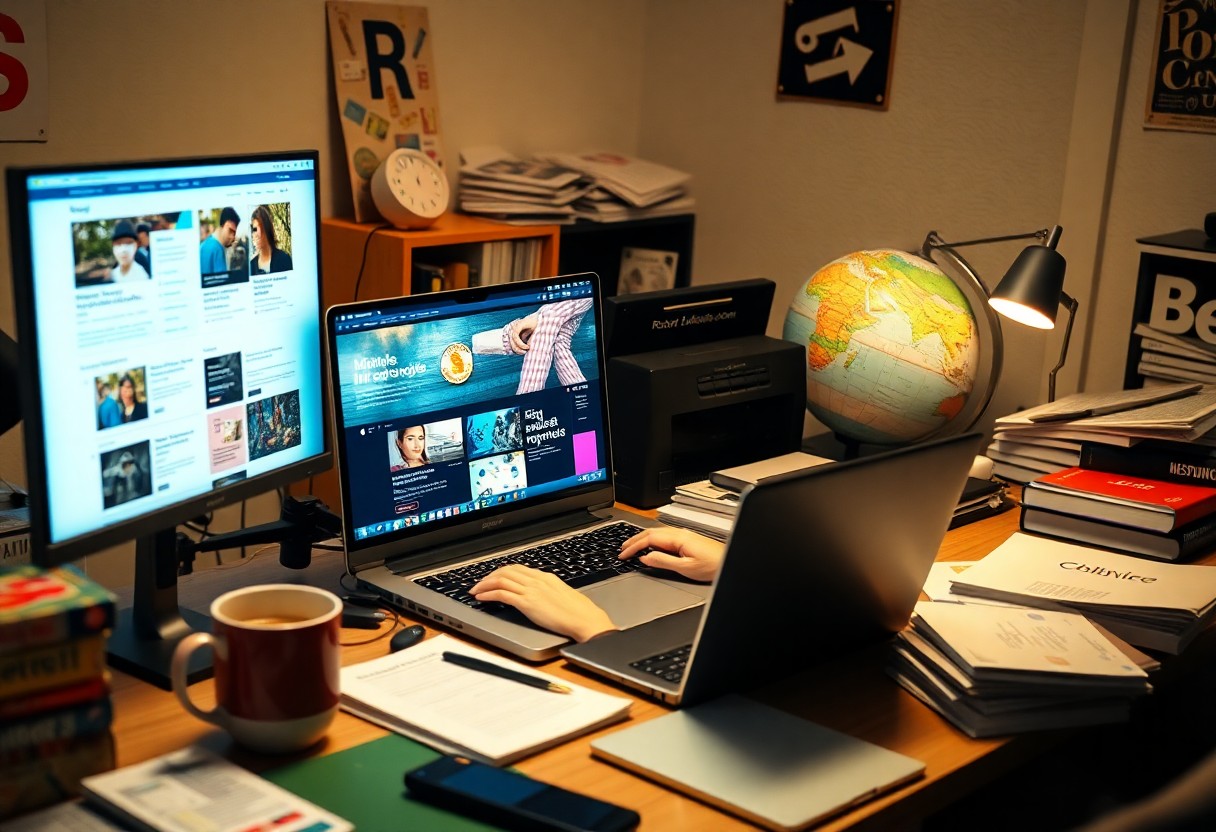
Any successful day starts with a routine that nurtures my creativity and focus. I typically kick off my mornings with a cup of coffee, followed by organizing my workspace, checking my agenda, and grabbing inspiration from the latest design trends.
Client Communication and Meetings
Setup is paramount in my role as I frequently engage with clients to ensure their needs are met. I opt for video calls or messaging platforms to maintain a clear line of communication, discussing project updates and feedback.
Indeed, effective client communication involves not just discussing current projects but also understanding the client’s long-term vision. Following up promptly on video calls and emails helps in building a relationship based on trust and collaboration, which ultimately leads to successful project outcomes.
Research and Inspiration Gathering
Gathering inspiration is a key part of my creative process. I spend time exploring various design platforms and websites to fuel my ideas for both new projects and improving existing ones.
Research plays a pivotal role in my work, as it allows me to continuously evolve my skills and stay updated with industry standards. By analyzing trends and gathering visual references, I can create designs that are not only appealing but also functional and user-oriented.
Design and Development Tasks
Behind the scenes, my design and development tasks are where I bring ideas to life. I shift between wireframing, designing, and coding, ensuring each element aligns with the project vision while also meeting usability standards.
Morning hours typically see me deeply focused on these tasks, as it’s when my mind is most alert. I find that tackling design challenges head-on during this time leads to greater efficiency and creativity, ultimately enhancing the quality of my work.
Content Creation Process
To create engaging bilingual content, I follow a well-defined process that begins with understanding my target audiences. This step ensures that I can tailor my messaging appropriately for different language speakers.
Understanding Target Audiences
Audiences vary widely in preferences and needs, so I conduct thorough research to identify their demographics, interests, and pain points. This insight allows me to craft messages that resonate deeply and effectively connect with each language group.
Crafting Bilingual Content Strategies
Around these insights, I develop content strategies that align with both cultural nuances and language preferences. By incorporating local idioms and culturally relevant examples, I ensure that my content feels authentic and relatable to each audience.
To implement this, I create distinct outlines for each language version of my content. This not only helps me avoid direct translation pitfalls but also allows me to focus on crafting unique narratives that cater to cultural contexts. I also consider the style and tone appropriate for each audience, which enhances the effectiveness of my strategies.
Tools and Technologies for Content Creation
Among the various tools I use, content management systems, design software, and collaborative platforms play a significant role. These technologies streamline my workflow and help me maintain high-quality content across multiple languages.
Content creation is further enhanced by software like Adobe Creative Suite and platforms such as WordPress. These tools allow for seamless integration of multimedia elements and facilitate easy updates. I also utilize analytics tools to gauge audience engagement, ensuring that I adapt my approach based on real-time data.
Collaborating with Translation Services
At times, I partner with translation services to ensure the highest quality translations. This collaboration is vital for maintaining accuracy and cultural relevance, especially in specialized content areas.
Creation of bilingual content doesn’t stop at just writing; it involves a thoughtful review process. When working with translation services, I provide context and guidelines to ensure that the essence of the message is preserved. This collaboration allows me to expand my reach while still delivering captivating content that adheres to both linguistic and cultural standards.
Overcoming Challenges
Now that I’ve shared a glimpse into my daily routine, it’s evident that being a bilingual web designer and content creator comes with its own set of challenges. However, each obstacle presents an opportunity for growth and learning.
Balancing Design and Content Needs
Against the backdrop of my passion for design and writing, I often find myself juggling the visual elements with the textual content. Striking that perfect harmony is imperative, as each component must complement the other to create a cohesive user experience.
Managing Time Effectively
Behind every project lies the challenge of managing my time wisely to ensure that deadlines are met without sacrificing quality.
To tackle this, I prioritize my tasks based on urgency and importance. I set clear, achievable goals for each day, which helps me maintain focus and ensure that both design and content receive the attention they deserve. I also incorporate tools and techniques like time-blocking to segment my work hours, allowing for uninterrupted creative flow.
Addressing Language Nuances
To effectively communicate with diverse audiences, I must navigate the subtleties of language that can easily be lost in translation.
Considering that some phrases or idioms may not carry the same connotation in another language, I take the time to research and understand these nuances. This helps ensure that my content resonates with each audience authentically. I’m often engaged in the practice of revising my wording to better reflect cultural understandings, which allows for deeper connections with readers.
Navigating Cultural Sensitivities
Above all, I strive to be aware of the varying cultural sensitivities that exist within my audience.
Understanding the diverse backgrounds of my readers makes it imperative for me to approach design and content creation with care. By researching cultural references and avoiding assumptions, I ensure that my work respects the traditions and values of each community. This not only enhances engagement but also fosters trust and connection with my audience, making them feel seen and valued.
Building a Portfolio
All effective web designers and content creators understand the significance of a well-structured portfolio. It is not just a collection of projects; it’s a narrative that displays my skills, creativity, and versatility. By focusing on my journey, I can present a compelling story through my work that resonates with potential clients and employers.
Curating Bilingual Projects
Among the key strategies I employ in building my portfolio is the curation of bilingual projects that highlight my language proficiency. By showcasing my best work across different languages, I am able to appeal to a wider audience and demonstrate my ability to cater to diverse needs.
Showcasing Skills and Creativity
Showcasing my skills and creativity is an imperative aspect of portfolio building. Each project is a testament to my unique style and technical prowess, which helps me stand out in a competitive market.
Creativity is at the heart of my design philosophy. I strive to push boundaries and explore new ideas, integrating innovative solutions that not only meet client expectations but also inspire and engage users. This creative approach is evident in each polished project included in my portfolio, offering a glimpse into my artistic vision and problem-solving techniques.
Utilizing Online Platforms for Exposure
At present, online platforms play a significant role in expanding my reach and visibility. I leverage various websites and social media channels to showcase my portfolio and attract clients, ensuring my work gains the exposure it deserves.
Platforms like Behance, Dribbble, and LinkedIn are invaluable in my portfolio-building process. They allow me to share my projects and connect with other professionals, all while receiving constructive feedback. Additionally, these platforms help me stay current with industry trends and draw inspiration from the work of others, ultimately elevating my own practice.
Seeking Client Testimonials
Bilingualism gives me an edge when it comes to seeking client testimonials, as I can effectively communicate with clients from different linguistic backgrounds. This not only builds rapport but also encourages positive feedback that enhances my credibility.
With each completed project, I make it a priority to ask clients for testimonials. Their words not only validate my work but also provide prospective clients with insights into my professionalism and the quality of my services. Collecting these testimonials enriches my portfolio, giving it a personal touch that speaks volumes about my ability to meet client needs and foster positive collaborations.
Staying Current in the Industry
Despite the rapid changes in web design and content creation, I find that staying updated is vital for delivering quality work. The industry is continuously evolving, and I prioritize staying informed about the latest trends, tools, and best practices to remain competitive.
Continuous Learning and Development
Below are various platforms where I engage in continuous learning, from online courses to webinars. Investing time in strengthening my skills not only enhances my technical abilities but also boosts my confidence when tackling new projects.
Networking with Other Professionals
Across my journey, I have found that networking is invaluable. Building connections with fellow professionals allows me to exchange ideas, share experiences, and gain insights into trends I might not be aware of otherwise.
And whether through local meetups or online forums, these interactions make a significant difference in my understanding of the field. Each conversation sparks inspiration and may lead to collaboration opportunities that help me grow further as a designer and content creator.
Attending Workshops and Conferences
Current industry events, such as workshops and conferences, serve as fantastic opportunities to learn alongside like-minded individuals. I actively seek out events where I can immerse myself in new topics, discover innovative techniques, and meet others who share my passion.
Further, these gatherings not only enhance my knowledge but also open doors to industry leaders who share their insights. The hands-on experience gained at workshops is something I cherish, as it allows me to implement what I’ve learned right away in my projects.
Following Industry Trends and Innovations
Trends influence the direction of design and content, so I make it a point to follow the latest developments. Keeping track of emerging technologies and design philosophies helps me maintain a fresh perspective on my work.
Other resources I utilize include newsletters, industry blogs, and social media channels. By staying engaged with these materials, I can adapt my skills and approaches to align with current expectations and drive my projects toward success.
Summing up
Ultimately, my day as a bilingual web designer and content creator is a blend of creativity and functionality. I navigate between design principles, content strategy, and linguistic nuances, ensuring your messages resonate with diverse audiences. This role demands not just technical skills but also an understanding of cultural contexts, allowing me to bring unique perspectives to each project. By leveraging my bilingual abilities, I enrich the user experience and drive engagement across different markets, proving that effective communication knows no language barriers.
FAQ
Q: What does a typical day look like for a bilingual web designer and content creator?
A: A typical day for a bilingual web designer and content creator often starts with reviewing emails and project updates in both languages. The morning may involve sketching out design ideas or layouts, followed by creating visual content or graphics using software like Adobe Creative Suite. Midday tasks often include writing and editing content, ensuring it’s optimized for SEO in both languages. Afternoon meetings with clients or team members help align expectations and updates. The day usually wraps up with finalizing projects and planning tasks for the next day.
Q: How does being bilingual enhance the work of a web designer and content creator?
A: Being bilingual allows a web designer and content creator to connect with a broader audience, ensuring that content resonates culturally in different markets. It enables effective communication with clients and stakeholders who speak different languages, leading to more precise project requirements and better collaboration. Moreover, this skill also facilitates the creation of localized content, which can significantly enhance user experience and engagement across diverse user bases.
Q: What tools and technologies are commonly used by bilingual web designers?
A: Bilingual web designers typically utilize a range of tools such as Adobe XD or Figma for web design, and WordPress or Webflow for content management. For content creation, applications like Canva and Adobe Spark can be imperative. Additionally, tools like Google Translate or localization platforms help in ensuring accuracy and cultural relevance when creating bilingual content. SEO tools such as SEMrush or Moz are also important for optimizing content in multiple languages.
Q: What challenges do bilingual web designers face in their work?
A: One of the main challenges is maintaining consistency in messaging and brand voice across languages. Additionally, cultural nuances can make it difficult to ensure that designs and content resonate equally well in different markets. Time management can also be a concern, as balancing design tasks with content creation while catering to multiple languages often leads to a heavier workload. Continuous learning and staying updated on web trends is also imperative, as these can differ greatly between language markets.
Q: What skills are imperative for someone in this profession?
A: Essential skills for a bilingual web designer and content creator include proficiency in design software, strong writing abilities in both languages, and a good understanding of UX/UI principles. Creativity and problem-solving skills are vital for designing engaging interfaces that work well for diverse audiences. Being organized and possessing project management skills can help in juggling multiple tasks efficiently. Additionally, an understanding of marketing strategies and SEO practices is beneficial for creating effective content.