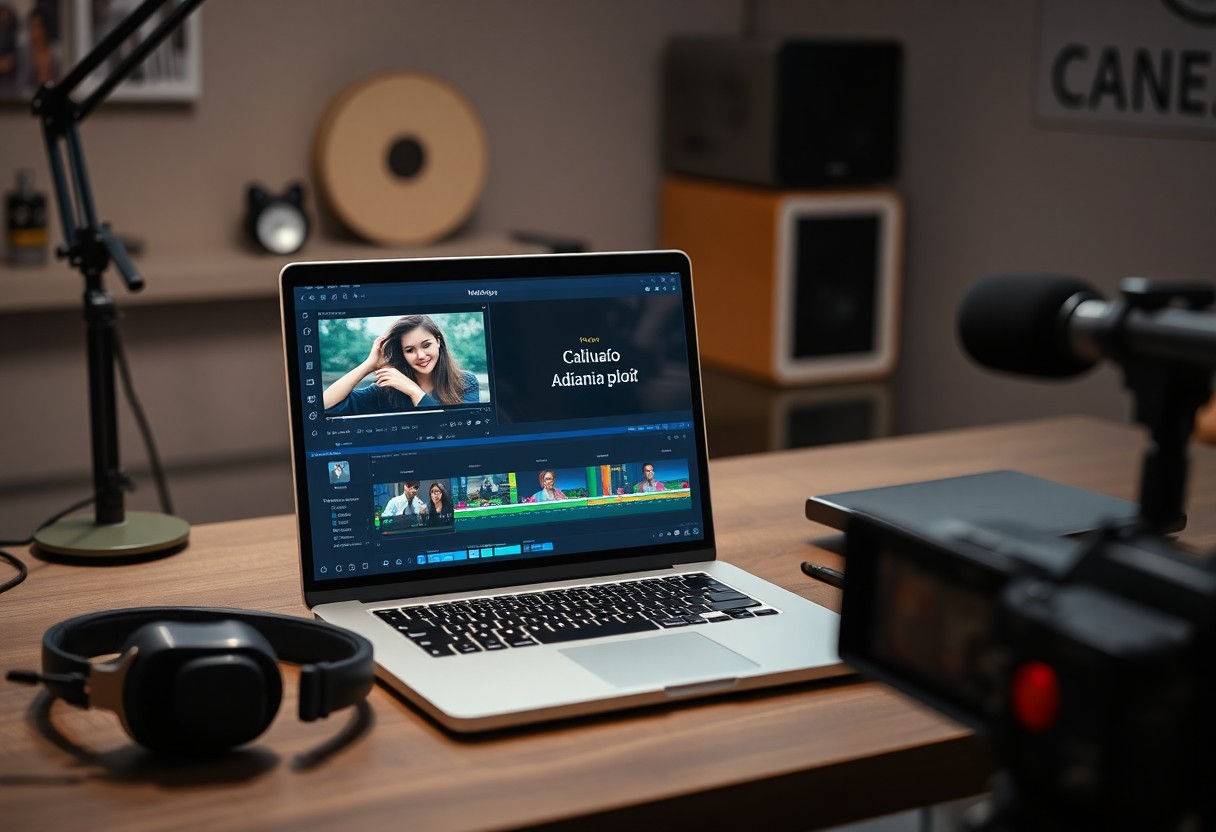
Most content creators and marketers today find themselves reaching diverse audiences across multiple languages, making effective video editing tools vital in your toolkit. This blog post will guide you through some of the best video editing software that caters specifically to multilingual content, ensuring your message is communicated clearly and professionally. Whether you’re creating subtitles, audio tracks, or localized visuals, these tools will help you enhance your videos and streamline your workflow, allowing you to connect with your audience no matter the language they speak.
The Importance of Video Editing for Multilingual Content
To effectively reach diverse audiences, video editing is imperative for multilingual content. When you tailor your videos with high-quality edits, you can adapt your message to resonate with viewers from various linguistic backgrounds, enhancing your overall appeal.
Expanding Global Reach
For content creators and marketers, expanding your global reach means creating videos that speak to people in their native languages. With video editing, you can integrate subtitles, voiceovers, and localized graphics that foster a connection with viewers worldwide.
Enhancing User Engagement
Global audiences have distinct preferences and cultural contexts. By using video editing tools, you can create customized, engaging content that reflects these differences, resulting in higher viewer retention and interaction.
Plus, enhancing user engagement through strategic video editing allows you to incorporate elements that appeal specifically to different cultures. This may involve tailoring your storytelling approach, visual aesthetics, or even the pacing of your content, ensuring that you effectively capture and maintain audience interest across varying demographics.
Building Brand Identity Across Languages
Global branding becomes easier when you utilize video editing to present a unified yet adaptable identity. By maintaining consistency in style, messaging, and quality, you can establish your brand as credible and relatable in multiple languages.
Another important aspect is understanding that brand identity transcends mere translation. Through thoughtful video editing, you can reinforce your brand voice while aligning it with the cultural nuances of each market. This alignment fosters a deeper connection with your audience, ensuring that your brand remains relevant and appealing, no matter the language.
Key Features to Look for in Video Editing Tools
Some of the vital features to consider when selecting video editing tools for multilingual content creation include:
- Multilingual Support
- User-Friendly Interface
- Advanced Editing Features
- Collaboration Tools
- Flexible Formats and Resolutions
- Cloud Integration and Storage
- Export Options
- Built-in Stock Libraries
Assume that these features will enhance your workflow and help you connect more effectively with your audience.
Multilingual Support
By ensuring your video editing software provides multilingual support, you can easily localize your content for various regions. Look for features that allow you to add subtitles, voiceovers, and different audio tracks. This will help you reach a broader audience without sacrificing professionalism.
User-Friendly Interface
Behind every great video is an intuitive user interface that simplifies the editing process. You want tools that are easy to navigate, allowing you to focus on your creativity rather than struggling with complicated menus.
Interface design plays a significant role in how efficiently you can create and edit videos. A user-friendly interface typically has a clean layout, customizable workspaces, and easy access to all vital tools. This allows you to spend more time on the creative aspects of your project, making the editing experience fluid and enjoyable.
Advanced Editing Features
About advanced editing features, the right video editing tool should offer capabilities that elevate your content. Features such as motion tracking and color grading can significantly impact your video quality and viewer engagement. Explore the following advanced editing functionalities:
- Keyframing for animations
- Multi-cam editing
- Audio mixing and enhancements
- Integrated video effects and transitions
Advanced Editing Features Details
| Keyframing | Allows you to animate objects or effects over time. |
| Multi-cam Editing | Enables seamless switching between multiple camera angles during editing. |
| Audio Mixing | Facilitates adjustments for balance, levels, and effects of audio layers. |
| Integrated Effects | Provides easy access to various visual effects and stylish transitions. |
Multilingual content creators benefit significantly from advanced features, as they allow for more polished presentations that resonate with diverse audiences.
Collaboration Tools
Around your projects, collaboration tools can streamline teamwork. Whether you’re working with other editors, voiceover artists, or marketers, these tools make it easy to share resources and feedback in real time.
Indeed, collaboration tools enhance your editing experience by enabling seamless communication and project management. Look for features that allow for shared access to projects, commenting directly on the video timeline, and version control. These functionalities ensure that everyone involved in the project is on the same page, contributing to a more cohesive final product.
Overview of Popular Video Editing Tools
After exploring the importance of video editing for multilingual content creators and marketers, it’s vital to understand the tools that can effectively support your projects. The right software can enhance your capabilities, streamline your workflow, and help you engage your audience in diverse languages. Here are some of the most popular video editing tools available today.
Adobe Premiere Pro
To create stunning videos, Adobe Premiere Pro stands out as a professional choice among content creators. Its versatile features allow you to edit videos seamlessly, supporting various formats, making it ideal for multilingual projects.
Final Cut Pro
Community-driven creativity fuels Final Cut Pro’s appeal. Known for its user-friendly interface, this software enables you to edit quickly and efficiently while offering powerful tools that cater to multilingual video editing needs.
Adobe Premiere Pro and Final Cut Pro both have strong user communities that provide support and resources. Final Cut Pro especially thrives on its integration with other Apple products, offering features like magnetic timelines and advanced color grading, which can elevate your editing experience and output quality. You’ll find a wealth of tutorials and plugins designed to enhance your projects further, making it easier to reach a global audience.
DaVinci Resolve
After transitioning from basic editing tools, you’ll discover that DaVinci Resolve offers a comprehensive solution for professional video editing. Its advanced color correction features make it particularly appealing for creators focused on quality visuals.
Final aspects of DaVinci Resolve include its powerful collaborative features that allow multiple users to work simultaneously on projects. This is especially useful for multilingual content, as you can collaborate with translators and editors in real-time, ensuring that every language version maintains the same high quality. Additionally, the free version provides robust capabilities, making it accessible to creators at any skill level.
Filmora
Around a diverse range of editing needs, Filmora caters specifically to beginners and intermediate users. Its intuitive design and readily available templates assist you in creating engaging videos without a steep learning curve.
Consequently, Filmora provides an excellent platform for multilingual content creators who need to produce videos quickly and efficiently. The extensive library of built-in music, sound effects, and titles allows you to add diverse cultural elements to your projects. Moreover, its easy export options enable you to publish your videos in multiple formats, ensuring compatibility across various platforms and devices. This flexibility allows you to reach a wider audience with your multilingual content.
Specialized Software for Multilingual Video Editing
Unlike generic video editing software, specialized tools for multilingual video editing cater to the unique needs of creators and marketers working in diverse languages. These applications come equipped with features designed to streamline the process of creating localized content, making it easier for you to engage audiences across various regions.
Camtasia
On the surface, Camtasia is known for its screen recording capabilities, but it also offers robust editing features that make it suitable for multilingual projects. You can easily add subtitles, annotations, and voiceovers in different languages to reach a wider audience.
Kinemaster
Below, Kinemaster stands out as a powerful mobile editing tool that supports multiple languages. You can create professional-quality videos on your smartphone or tablet while utilizing features like multi-layer editing for text and audio, allowing for seamless language integration.
And with Kinemaster’s user-friendly interface, you can efficiently manage your multilingual projects. The intuitive design helps you clip, trim, and overlay audio tracks in various languages, facilitating a smooth editing experience even when working on the go.
Kapwing
Video editing with Kapwing is simple and effective for multilingual content creators. This cloud-based platform allows you to add subtitles and translate video scripts efficiently, ensuring your content resonates with global audiences.
Hence, Kapwing’s collaborative features enable teams to work together on multilingual projects in real-time. You can easily invite colleagues to edit and provide feedback, making it easier to create high-quality content that meets the needs of diverse viewers without the hassle of traditional editing software.
Best Practices for Editing Multilingual Videos
Now that you understand the tools at your disposal, it’s time to explore best practices for editing multilingual videos. These techniques will help you create engaging content that resonates with diverse audiences, ensuring that your message is effectively communicated regardless of language or culture.
Optimizing Video Content for Cultural Relevance
Across different cultures, certain visuals, phrases, and humor can carry varied meanings or impact. It’s imperative to tailor your video content to reflect cultural nuances, local traditions, and preferences. By doing so, you enhance relatability, making it easier for viewers to connect with your message and feel valued.
Managing Subtitles and Translations Effectively
Any translation effort hinges on the management of subtitles. To cater to a multilingual audience, you should ensure that subtitles are accurate, culturally relevant, and synchronized properly with the video. This attention to detail enhances the viewing experience and eliminates confusion.
Optimizing your subtitles and translations involves working with professional translators who understand your brand voice. Use tools that allow for easy integration of subtitle files, and consider creating separate versions of your videos for different language groups. Regularly update your translations as your content evolves to maintain relevance.
Incorporating Localized Sound and Music
Multilingual content can be significantly enhanced through the use of localized sound and music. By selecting audio that resonates with your specific audience, you not only elevate the emotional tone of your video but also forge a deeper connection with viewers.
Content creators should explore local music styles, sounds, and instruments that reflect the cultural heritage of their target audience. This approach helps create an immersive experience—drawing viewers in and making them feel as though the content was designed just for them. Adapting sound elements is as important as adjusting visual content, ensuring that every aspect of your video aligns with your audience’s expectations.
Integrating Graphics and Animations for Multilingual Content
Not every animation fits every audience. Choosing the right animations is important for effectively communicating your message across diverse languages and cultures. By ensuring that your animations are culturally appropriate and relevant, you can enhance comprehension and emotional engagement. This increases the likelihood that your audience will connect with your content and take action.
Choosing the Right Animations
Content that incorporates well-selected animations can breathe life into your storytelling. The key is to align your animation style with your audience’s preferences and cultural nuances. Doing so allows you to deliver a more relatable and engaging experience, guiding viewers through your narrative in a visually compelling way.
Graphics that Resonate with Global Audiences
At the heart of successful multilingual content lies the importance of graphics that resonate with global audiences. Visuals can transcend language barriers, but they must be universally understood and culturally relevant to each region you target. Your graphics should embody shared experiences and emotions, ensuring that your message translates effectively, no matter the language.
Understanding cultural differences and remote perceptions is paramount when designing your visuals. Some colors, symbols, or images may carry different meanings in various cultures, so taking time to research these aspects helps you avoid misunderstandings or misinterpretations. By focusing on common themes and global contexts, you can create designs that speak universally, enhancing the connection between you and your audience.
Tools for Creating Custom Graphics
Creating custom graphics tailored for your audience can significantly improve the appeal of your multilingual content. Utilizing the right design tools allows you to produce versatile visuals that can be easily adapted to different languages and cultural contexts. This customization can serve your brand and message well across various markets.
Consequently, platforms like Adobe Illustrator, Canva, or Affinity Designer provide you with the flexibility to create and modify graphics efficiently. Many tools come with templates and assets that cater to diverse cultural aesthetics, making it easier for you to produce graphics that are both visually appealing and relevant to your audience. Investing time in familiarizing yourself with these tools ensures that your multilingual marketing efforts effectively resonate with viewers across the globe.
The Role of AI in Multilingual Video Editing
Keep in mind that artificial intelligence is transforming multilingual video editing, making the process significantly more efficient. AI-powered tools can streamline tasks that would traditionally require extensive time and effort, enabling you to focus on the creative aspects of your projects.
AI-Powered Automatic Subtitling
Along with improving accessibility, AI-powered automatic subtitling allows you to generate captions in multiple languages quickly. This feature eliminates the manual work of transcription, so you can enhance your content’s reach to diverse audiences effortlessly.
Language Detection and Translation
Behind the scenes, AI technologies enable accurate language detection and real-time translation. This means you can automatically adapt your videos based on audience demographics and preferences, creating a more personalized viewing experience.
Due to advancements in machine learning algorithms, AI-driven tools have become increasingly effective in comprehending context, idiomatic expressions, and nuances across languages. You can ensure that your translated content resonates with different cultures, fostering greater engagement and connection with your audience.
Future Trends in AI-Driven Video Editing
Around the corner, we can expect further innovations in AI-driven video editing that will reshape how you create and distribute multilingual content. Emerging technologies promise even more seamless integration of editing tools, analytics, and user behavior insights, allowing you to tailor your videos for specific markets.
Video editing will evolve to incorporate more sophisticated AI capabilities, such as predictive analytics that can anticipate audience reactions or preferences. As these tools become increasingly advanced, you’ll be empowered to create highly customized content that not only appeals to diverse audiences but also drives higher engagement and conversion rates.
Collaboration Tools for Multilingual Teams
Once again, effective collaboration is crucial for multilingual content creators and marketers. The right collaboration tools can significantly enhance your workflow and ensure that all team members, regardless of location or language, stay aligned throughout the video editing process. From real-time editing to seamless feedback loops, these tools facilitate efficient teamwork, making it easier to produce high-quality multilingual content.
Real-Time Editing and Sharing
Tools that enable real-time editing and sharing allow you to collaborate instantly with your team. By utilizing cloud-based platforms, you can work simultaneously with colleagues from different linguistic backgrounds. This ensures everyone can contribute to the project at any time, reducing the wait for feedback and making the editing process more dynamic.
Feedback and Approval Processes
Before finalizing your video projects, having a streamlined feedback and approval process is vital. Enabling your team to provide input efficiently ensures that everyone’s insights are considered, resulting in a more refined final product. These processes should facilitate quick reviews and revisions to save you time and effort.
Sharing your work with stakeholders or clients for approval can be simplified by using dedicated platforms. With features like version tracking and comment functionality, you can gather necessary insights from your team without losing track of changes. This organization streamlines communication and allows for swift refinements based on collective input, enhancing the quality of your final content.
Cross-Platform Compatibility
Behind the scenes, cross-platform compatibility plays a significant role in ensuring that all your team members can access and work on video projects, regardless of their device or operating system. Opt for tools that support multiple formats to ensure a smooth experience for everyone you collaborate with.
Plus, when your collaboration tools are compatible across platforms, you eliminate potential barriers that could slow down your project. Whether your team members are using Windows, macOS, or even mobile devices, consistent functionality allows for fewer disruptions and aids in maintaining productivity. This flexibility is especially important for teams working across different time zones and locations.
Challenges in Multilingual Video Editing
Despite the numerous benefits of creating multilingual content, video editing for diverse audiences presents unique challenges that can complicate your workflow. You might encounter issues related to time zone differences, cultural nuances, and technical limitations that can affect the quality and efficiency of your projects.
Time Zone Differences
Before you begin collaborating with team members or clients in various regions, you should consider how time zone differences can impact project timelines. Scheduling meetings and coordinating feedback can become tricky, leading to delays that may hinder your editing process.
Cultural Sensitivity
After you have considered the logistics of working across time zones, it’s important to recognize the significance of cultural sensitivity in your multilingual video projects. Your audience’s cultural background can influence how they perceive your content, and a lack of attention to these nuances can lead to misunderstandings or backlash.
This may involve adjusting language, imagery, and even humor to align with cultural expectations and norms. Ensuring that your videos resonate positively with diverse audiences is necessary for maintaining brand integrity and fostering audience engagement.
Technical Limitations and Software Bugs
Multilingual video editing can also be hampered by technical limitations and software bugs that arise when working with different languages. You might find that certain tools do not support specific characters or fonts, which can detract from your video’s visual impact.
Consequently, these technical issues can lead to frustration, wasted time, and the need for additional resources. Understanding the limitations of your chosen video editing software and staying updated with the latest patches will help you navigate these challenges more effectively and ensure a smoother editing experience.
Case Studies of Successful Multilingual Video Campaigns
For any content creator or marketer venturing into multilingual video campaigns, examining successful case studies provides valuable insights and inspiration. Here are some notable examples along with key metrics that highlight their effectiveness:
- Brand A: Generated a 120% increase in engagement rates across targeted regions by localizing their video content in five languages.
- Brand B: Achieved a 70% increase in viewer retention when they adapted their messaging for their audience, producing videos in ten different languages.
- Brand C: Saw a 50% uplift in conversion rates as a result of providing subtitled versions of their promotional videos in four key languages.
- Brand D: Expanded their reach to 3 million viewers globally, thanks to multi-lingual video campaigns tailored for regional markets.
Brand A: Global Marketing Success
At Brand A, the strategy of localizing marketing videos into multiple languages yielded exceptional results. By carefully analyzing their target demographics and utilizing culturally relevant themes, they not only engaged customers but also fostered brand loyalty across diverse markets.
Brand B: Engagement Through Diverse Content
At Brand B, producing video content in ten languages resulted in impressive audience engagement. The brand recognized the importance of tailoring their message to resonate with various cultural backgrounds, leading to higher viewer retention and interaction rates.
Further analyzing Brand B’s campaigns reveals how they leveraged local influencers to amplify their message. By integrating culturally relevant narratives and using engaging visuals that spoke directly to diverse audiences, they successfully cultivated a community around their brand, enabling them to foster deeper connections and achieve robust engagement metrics.
Lessons Learned: What Works in Multilingual Video
Content creators and marketers can glean significant insights from various successful campaigns that underscore the importance of personalization and cultural sensitivity in multilingual video marketing. These elements help establish trust and connections with diverse audiences, ultimately driving success.
To enhance your multilingual video campaigns, focus on researching your target markets thoroughly. Understanding cultural nuances, preferences, and local trends will allow you to create content that resonates more deeply with viewers. Additionally, consider collaborations with regional influencers to promote authenticity and boost engagement rates, ensuring your strategies are as effective as possible.
Future Trends in Video Editing for Multilingual Markets
After exploring the current tools available, it’s important to understand the future trends shaping video editing for multilingual content creators and marketers. Staying ahead of these trends will position you favorably in a competitive landscape, allowing your content to resonate with diverse audiences more effectively.
Advances in Editing Technology
Among the advances in editing technology, artificial intelligence is becoming a game changer. AI-driven tools can automate mundane tasks such as transcription and subtitle generation, freeing up your time for more creative aspects of video production. This not only enhances your efficiency but also improves the overall quality of your multilingual content.
Increasing Demand for Inclusive Content
Editing for inclusivity has gained significant traction as audiences become more diverse and vocal about their needs. You need to consider how your content reflects different cultures, languages, and perspectives. This shift has led to a heightened focus on providing subtitles, dubbing, and accessible formats, ensuring your content is approachable for everyone.
Also, evolving audience expectations mean that incorporating inclusive elements in your videos is becoming crucial. By prioritizing cultural sensitivities and representation, you not only expand your audience but also cultivate a loyal community that feels seen and heard. Your choice of visuals, language, and even music should reflect this inclusivity to create an authentic connection with your viewers.
The Shift Towards Interactive Video Formats
Content creation is moving towards interactive formats that encourage viewer engagement. Interactive videos allow you to offer personalized experiences, such as branching scenarios or quizzes that adapt to viewer choices, making your content more memorable. This trend aligns well with the multilingual landscape, as you can tailor interactions to different languages and cultures.
It is vital to embrace this shift in your video strategy. By integrating interactive elements, you can create a richer, more engaging experience that resonates with audiences across various backgrounds. This approach not only enhances retention rates but also encourages a deeper connection with your brand, ultimately leading to better results in your multilingual campaigns.
Educational Resources for Aspiring Video Editors
Keep in mind that learning is an ongoing process, and the more resources you leverage, the better equipped you’ll be as a video editor.
Online Courses and Certifications
Any aspiring video editor should consider enrolling in structured online courses that offer certification. Platforms like Coursera and Udemy provide a range of options, from beginner to advanced levels, allowing you to learn at your own pace while gaining valuable credentials that can enhance your portfolio.
Tutorials and Webinars
At your disposal are numerous tutorials and webinars that explain various video editing techniques and software functionalities. These resources can be particularly useful for mastering the tools of the trade, providing you insights straight from industry experts.
Courses often cover a broad spectrum of topics, such as cutting-edge editing software, color grading, and sound design, helping you to hone your skills effectively. Making the most of these resources can lead to significant improvements in your editing style and efficiency, equipping you with practical knowledge you can apply immediately.
Communities and Forums for Support
Between online forums and specialized communities, you’ll find a vibrant network of fellow video editors ready to share tips and feedback. Websites like Reddit and dedicated video editing forums provide the perfect platform for you to connect with others who are on a similar journey.
In addition to gaining technical advice, these communities can offer emotional support and motivation. Engaging with peers allows you to ask questions, receive constructive criticism, and celebrate your wins. The collaborative environment can significantly boost your learning experience and keep you inspired on your path to becoming a proficient video editor.
Tips for Marketing Videos to Multilingual Audiences
Many marketers face challenges when creating videos for a multilingual audience. Here are some important tips to help you connect with viewers across different languages:
- Use clear language and simple visuals.
- Incorporate multilingual subtitles and captions.
- Localize your content to resonate with specific cultures.
- Engage with local influencers to expand your reach.
- Test your videos with native speakers before launch.
Thou must adapt your strategies to ensure maximum impact.
Understanding Your Target Audience
The first step to effective video marketing is understanding your target audience’s preferences and cultural nuances. Research the specific languages your viewers speak, their interests, and the platforms they use. This knowledge will guide your content creation and ensure it resonates with diverse audiences.
Effective Social Media Strategies
Media plays a pivotal role in reaching your multilingual audience. Tailoring your social media approach can enhance engagement and drive conversions. Utilize language-specific hashtags, post during optimal times for different regions, and engage with comments in the native tongue of your audience.
Videos that resonate with your multilingual viewers can enhance your brand’s presence on social media platforms. Consider creating venue-specific content that addresses issues relevant to different language speakers. Additionally, using visual storytelling techniques can transcend language barriers, allowing you to connect with diverse audiences effectively.
Metrics to Track Success
Videos are a powerful tool for measuring the effectiveness of your marketing efforts. Track metrics such as view counts, engagement rates, and conversion statistics to assess how well your content performs across different languages. This data will inform your future marketing strategies.
Considering metrics like retention rates and viewer demographics will provide insightful feedback on the success of your multilingual video campaigns. Analyzing how different language audiences respond will enable you to refine your approach, ensuring that your content aligns with their preferences while maximizing reach and impact.
To wrap up
Ultimately, choosing the right video editing tools can enhance your content creation and marketing efforts, especially as a multilingual professional. By leveraging these top tools tailored for diverse audiences, you can effectively edit, translate, and optimize your videos, ensuring they resonate with viewers from different linguistic backgrounds. Your ability to create engaging, polished videos will not only elevate your brand but also broaden your reach in the global market. Take the time to explore these options and find the ones that best align with your unique needs.
FAQ
Q: What are the top video editing tools suitable for multilingual content creators?
A: Some of the top video editing tools that cater specifically to multilingual content creators include Adobe Premiere Pro, Final Cut Pro, DaVinci Resolve, Camtasia, and Filmora. Each of these platforms supports multiple languages for both interface and subtitle creation, making them versatile options for a global audience.
Q: How can video editing tools help in creating multilingual content?
A: Video editing tools provide features such as multi-language subtitle support, audio track options for different languages, and intuitive text editing capabilities. This allows content creators to produce videos that can reach diverse audiences by including subtitles and voiceovers in various languages, enhancing engagement and accessibility.
Q: Is there any video editing tool that offers automatic translation features?
A: Yes, some video editing tools, like Kapwing and Descript, incorporate features that allow for automatic subtitle generation and translation. They can transcribe audio to text in multiple languages, enabling creators to quickly add translations and make adjustments as needed, streamlining the editing process for multilingual content.
Q: What should content creators consider when selecting a video editing tool for multilingual projects?
A: Creators should consider features such as ease of use, language support for the interface, availability of translation and subtitle options, and compatibility with various file formats. Additionally, assessing whether the tool integrates well with other software used for content creation can enhance workflow efficiency.
Q: Are there any budget-friendly video editing tools for multilingual content creation?
A: Yes, there are several budget-friendly options available, including Shotcut, Lightworks, and OpenShot. These tools offer basic video editing capabilities and support for multiple languages, making them accessible for creators looking to work within a budget while still catering to a multilingual audience.