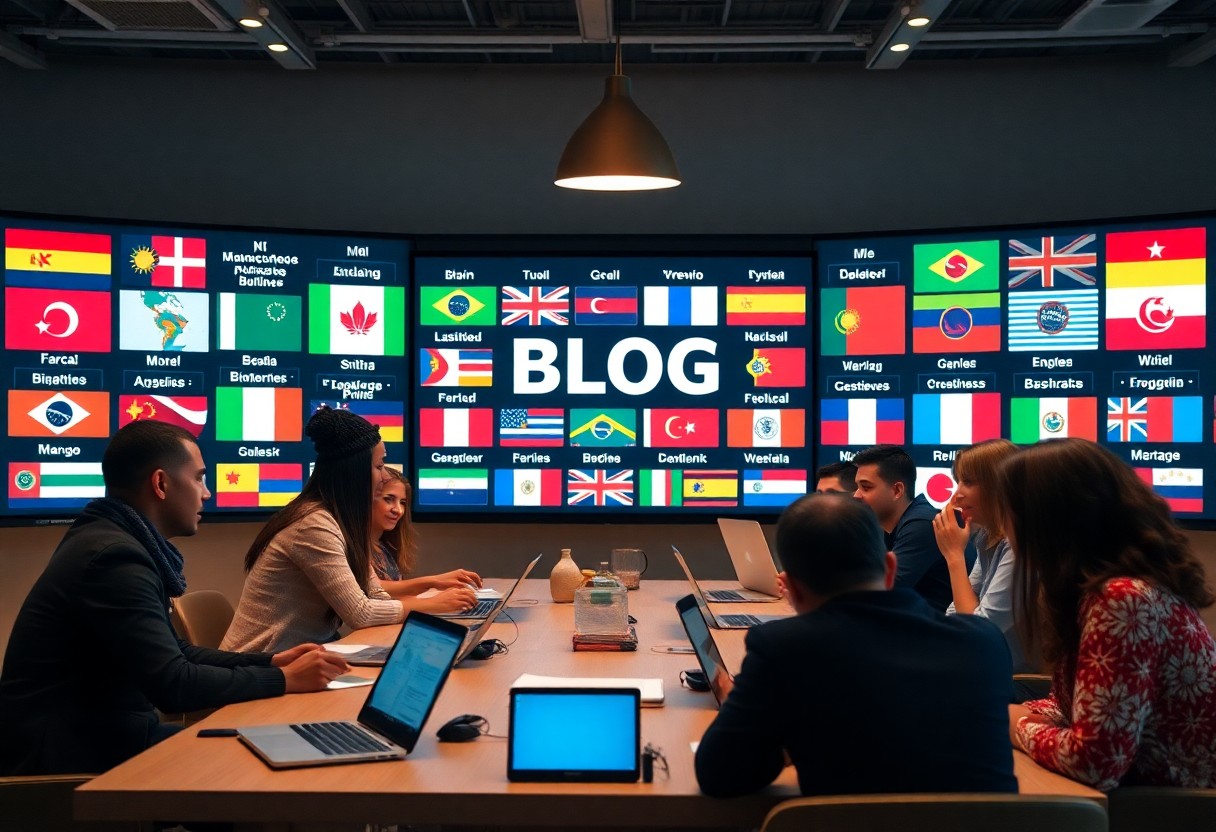
There’s a growing demand for multilingual content as businesses expand their reach across the globe. In this guide, I will walk you through the necessarys of creating content that resonates in various languages and cultures. You’ll learn best practices, tips for effective translation, and strategies for engaging diverse audiences. Whether you’re a seasoned writer or just starting out, this guide will equip you with the knowledge to broaden your content’s impact and appeal. Let’s examine the world of multilingual writing together!
Factors to Consider Before Writing Multilingual Content
All writers should be aware that creating multilingual content requires thoughtful consideration of various factors that can affect the effectiveness and reach of your message. Whether you’re translating an existing text or composing original content, here are some key points to keep in mind:
- Target Audience
- Cultural Nuances
- Language Proficiency Levels
Target Audience
To successfully create multilingual content, it is vital to have a clear understanding of your target audience. Who are they? What languages do they speak? Knowing the demographics of your audience helps tailor your content to meet their expectations and needs. Understanding their preferences will also inform the tone, style, and complexity of the language you choose to use.
Additionally, segmentation is vital. Different audience segments may have diverse cultural backgrounds, interests, and values. Therefore, identifying whether you are addressing a local audience or a broader international one can significantly influence your content strategy. Focus on delivering your message in a manner that resonates with your readers, enhancing engagement and comprehension. Thou must always prioritize your audience’s needs.
Cultural Nuances
You must consider the cultural nuances of the languages you are targeting. Language is deeply intertwined with culture, and the same words or phrases can have different meanings depending on cultural contexts. Failing to recognize these differences could lead to misinterpretation and even offense. That’s why it’s vital to research and understand not only the language but also the cultural subtleties that shape how messages are received.
For instance, idiomatic expressions or humor that works in one language may not translate well into another, necessitating a rework of your content to maintain impact. It’s also important to think about local customs, values, and taboos that could resonate or clash with your content, ensuring you create a respectful and relatable narrative across different cultures.
Language Proficiency Levels
An important aspect to consider is the varying language proficiency levels of your audience. While some readers may be fluent in the language in which your content is written, others may have limited proficiency. This variance can influence how complex or straightforward your language should be. Tailoring your content to cater to a diverse audience allows for a wider reach and better comprehension.
Consider implementing simplified language or glossaries for technical terms that may confuse less proficient readers. By accommodating different levels of language skills, you can ensure that your message effectively reaches and engages a broader audience. The goal is not just to communicate, but to connect with your readers on an individual level.
Step-by-Step Guide to Writing Multilingual Content
Not all writing translates seamlessly, especially when you’re trying to reach a diverse audience. Therefore, I’ve compiled a step-by-step guide to help you create effective multilingual content that resonates with speakers of different languages.
| Step | Action |
| 1 | Research Your Target Languages |
| 2 | Crafting the Original Content |
| 3 | Translation and Localization Processes |
Researching Your Target Languages
For any multilingual content project, the cornerstone is in the research phase. I start by identifying the languages relevant to my target audience. Finding out what languages your audience speaks helps me tailor messages that align better with cultural nuances and preferences.
I also pay close attention to dialects and variations within languages, as these can significantly affect how your content is perceived. Researching online forums, social media, and local publications can provide valuable insights into the linguistic landscape of your markets.
Crafting the Original Content
Target your audience from the very beginning by creating content that speaks to their needs and interests. I draft the original text with the knowledge that it will eventually be translated, ensuring clarity and coherence to facilitate the translation process. It helps to use simple structures and clear language that can easily adapt without losing the intended message.
Understanding the original content is foundational for any successful multilingual project. I focus on maintaining a consistent tone and voice throughout the piece, even though it will be translated into multiple languages. The effectiveness of your message can hinge on how well your core ideas are articulated in the original language.
Translation and Localization Processes
Step by step, I approach the translation and localization processes with a detailed plan. I begin by selecting qualified translators who are native speakers of the target languages. This ensures that the idiomatic expressions, cultural references, and local contexts are accurately portrayed in the translations. Additionally, I collaborate closely with translators to clarify any nuances needed for the specific audience.
I also focus on the localization aspect, which goes beyond mere translation. This means adjusting elements such as currency, dates, and cultural references that may not resonate with the audience. I strive to ensure that the translated content feels like it was originally written in that language rather than a mere translation of my initial draft.
Crafting effective multilingual content requires meticulous attention to detail. By following these structured steps, I ensure that every piece speaks directly to my audience, regardless of the language they speak. Taking the time to craft both the original and translated content carefully can make a significant difference in your engagement and reach.
Tips for Effective Multilingual Writing
After entering into the world of multilingual content, you’ll find that crafting engaging pieces requires a thoughtful approach. Here are several tips to keep in mind that will help you effectively write for a diverse audience:
- Use Simple Language
- Avoid Idiomatic Expressions
- Collaborate with Native Speakers
- Be Consistent with Style and Tone
- Proofread or Seek Professional Assistance
This will make your writing more approachable and easier to understand for speakers of various languages.
Use Simple Language
Little do many writers realize, the complexity of language can hinder communication across multilingual audiences. Using simple language allows you to maintain clarity while ensuring that all readers can grasp your message without unnecessary confusion. I recommend employing straightforward vocabulary and sentence structures to cater to non-native speakers, who may struggle with nuanced translations.
Additionally, it’s beneficial to choose universally recognized terms and avoid jargon that might not be familiar to all readers. This ensures your content remains inclusive, allowing it to resonate across varied cultural backgrounds. This could enhance audience engagement and drive your message home.
Avoid Idiomatic Expressions
The use of idiomatic expressions can significantly complicate communication in multilingual writing. These phrases often rely on cultural context that may not translate well, leaving your readers confused. I suggest steering clear of colloquial language to prevent misunderstandings and instead focusing on clear and direct wording.
It’s vital to acknowledge that idioms can have different meanings or may not exist in other languages. For instance, saying “it’s raining cats and dogs” doesn’t translate to another language literally and can confuse non-native speakers. By employing straightforward expressions, you’ll enhance comprehension, allowing readers from varying backgrounds to connect with your content effortlessly.
Collaborate with Native Speakers
With multilingual content, one of the best practices I’ve found is to collaborate with native speakers. Engaging individuals who are fluent in the language you are writing for can provide invaluable insights that can elevate your content. They can offer suggestions on cultural nuances, tone, and even local customs that may enhance your writing’s effectiveness.
A native speaker can also help in revising phrases or word choices that might seem correct but could be better expressed in a way that resonates more deeply with the target audience. Their input not only enriches your work but also fosters a relationship that allows you to grow as a writer in the multilingual landscape.
Tools and Software for Multilingual Content Creation
Your journey into writing multilingual content is significantly enhanced by utilizing the right tools and software. As I began my own experience, I discovered that having efficient systems in place helped streamline the writing, translation, and localization processes, allowing me to focus more on the quality of the content itself. In this section, I’ll cover several critical types of tools that can assist you in your multilingual endeavors.
Translation Management Systems
Any professional writer focusing on multilingual content should consider integrating a Translation Management System (TMS) into their workflow. These systems are designed to manage the entire translation process, from project initiation to the final launch. They provide collaboration tools that allow translators and editors to work together seamlessly, ensuring consistency and accuracy in translations across different languages.
Moreover, TMS platforms typically come equipped with features like translation memory and glossaries. These can significantly reduce workloads by storing previously translated phrases and terms, making them readily accessible for future projects. When I started using a TMS, I noticed a marked increase in efficiency and organization during the translation process.
Language Translation Tools
Now, let’s explore the various Language Translation Tools that can aid you in creating multilingual content. These tools, often powered by artificial intelligence, provide immediate translations and are particularly handy for quick drafts or initial content development. While these tools can be convenient, it’s important to approach their outputs with a critical eye, as they are not always perfect and may require further editing to ensure cultural and contextual appropriateness.
With the abundance of language translation tools available, you have the flexibility to choose platforms that align with your specific requirements. Popular options like Google Translate and DeepL offer user-friendly interfaces and support multiple languages, making them suitable for beginners. However, incorporating professional translators for final reviews can significantly improve the quality of your content, ensuring that nuances and subtleties specific to each language are conveyed appropriately.
Content Management Systems
Systems that integrate Content Management Systems (CMS) are vital for organizing and managing your multilingual content effectively. A robust CMS enables you to easily publish, edit, and update content across different languages from a centralized platform. These systems allow for straightforward content duplication, which can then be localized according to the target audience’s preferences and cultural contexts.
Understanding the features of a good CMS can further optimize your workflow. Many CMS options include integration capabilities with translation management systems, making it easier to sync new translations and updates. When I transitioned to using a CMS for my multilingual projects, I found that it reduced the hassle of managing multiple files and versions, streamlining my entire content creation process.
Pros and Cons of Multilingual Content
To understand the value of multilingual content, it’s necessary to weigh its advantages and disadvantages. Below is a summary that outlines these factors for your consideration.
| Pros | Cons |
|---|---|
| Broadens your audience reach | Higher costs for translation and localization |
| Enhances user experience for non-native speakers | Requires more time for content creation |
| Improves SEO across multiple languages | Complexity in managing different language versions |
| Boosts brand credibility and trust | Potential for cultural misinterpretation |
| Increases engagement and conversion rates | Requires ongoing updates and maintenance |
Advantages of Multilingual Content
One significant benefit of multilingual content is its ability to broaden your audience reach. By providing information in various languages, you can tap into markets that would otherwise be inaccessible. This can result in a notable increase in website traffic, as well as new customers who appreciate your effort to communicate in their native languages.
Another advantage is the enhanced user experience for non-native speakers. When users can engage with your content in their language, it fosters a sense of inclusivity and boosts overall satisfaction. This connection not only solidifies their trust in your brand but can also lead to higher engagement and loyalty over time.
Disadvantages of Multilingual Content
One downside of multilingual content is the higher costs associated with translation and localization. These expenses can accumulate quickly, particularly if you are catering to multiple languages and dialects. Allocating a budget for quality translation services is necessary, as poor translations can harm your brand’s reputation.
Additionally, the complexity of managing different language versions can become overwhelming. Keeping track of updates in multiple languages requires meticulous organization and can lead to inconsistencies if not managed properly. It’s necessary to have a solid plan in place to ensure that all your content remains synchronized across different languages.
Multilingual content demands continuous maintenance, which means you must stay proactive, ensuring that all versions of your content are up to date and relevant. If your product or service evolves, translating those changes accurately across multiple languages takes significant effort and can be a logistical challenge.
Long-term ROI of Multilingual Strategies
While the initial investment in multilingual content may seem daunting, the long-term return on investment (ROI) can be substantial. By catering to a diverse audience, you open up opportunities for revenue growth that can far outweigh the costs incurred during the translation process. Over time, an expanded customer base can lead to increased sales and stronger brand recognition in various markets.
Moreover, the benefits of multilingual content extend beyond immediate financial returns. As you build your presence in global markets, you enhance your brand’s credibility and authority, which can lead to partnerships, collaborations, and new business ventures that may not have been possible otherwise.
Content strategy plays a vital role in achieving long-term ROI when you implement multilingual tactics. By consistently delivering high-quality, localized content, you can establish a loyal audience that values your brand’s commitment to inclusivity. This loyalty translates into sustained engagement and growth, ensuring that your multilingual efforts yield benefits that compound over time.
Quality Assurance in Multilingual Content
Despite the complexities involved in creating multilingual content, quality assurance is vital to ensure that your message resonates across different languages and cultures. The integrity of your content is important for building trust and engagement with your audience, regardless of their linguistic background. Implementing effective quality assurance measures can make a significant difference in how your content is perceived and its overall effectiveness.
Editing and Proofreading Strategies
Any content you produce must go through rigorous editing and proofreading processes, particularly when dealing with multiple languages. I recommend working with native speakers who not only understand the language but also the nuances and idiomatic expressions unique to that culture. This step will help you catch mistakes and improve the overall quality of your content. A bilingual editor can also provide insights that might escape your attention, ensuring that the tone and message align with the target audience.
Additionally, I find that having a checklist for editing and proofreading can streamline the process significantly. This list can include aspects such as grammar, punctuation, cultural references, and format consistency. By working systematically through this list, I can enhance both the quality and clarity of my multilingual content, ultimately delivering a polished final product.
Beta Testing with Target Audiences
To ensure that your multilingual content resonates with your intended audience, conducting beta testing is an effective strategy. I suggest that you gather a group representative of your target audience and ask for their feedback on the content you’ve created. This approach not only helps identify areas that need improvement but also gives valuable insights into cultural perceptions and preferences. Engaging your audience in this manner can also foster a sense of inclusivity and connection, leading to better content outcomes.
Assurance comes when you actively involve your target audience in the evaluation process. By leveraging their feedback, you can make necessary adjustments to enhance your content’s effectiveness and relevance. This feedback loop will help you refine your approach for future projects, ensuring that your multilingual content continues to meet the expectations of your audience.
Feedback Loops and Continuous Improvement
If you want to achieve sustained quality in your multilingual content, establishing feedback loops is vital. I regularly solicit feedback from users, editors, and translators to gather diverse perspectives on how my content is being received. This input not only highlights any shortcomings but also identifies strengths you may not have been aware of. By continuously evaluating and acting on this feedback, I can ensure that my content remains relevant and engaging over time.
Another advantage of implementing feedback loops is that they encourage a culture of continuous improvement. Assuring your audience that you value their input not only builds trust but also can lead to higher engagement rates. Frequent iterations of your multilingual content based on this feedback ensure that your messaging stays fresh and aligned with the evolving needs of your audience.
Audiences appreciate when their opinions matter. By actively seeking their feedback and implementing their suggestions, you create a collaborative environment that fosters loyalty and engagement with your brand. In my experience, this leads to a more meaningful connection with your audience and a stronger overall impact of your multilingual content.
SEO Best Practices for Multilingual Content
Unlike standard content, writing multilingual content requires you to consider the unique aspects of different languages and cultures. This is particularly important when optimizing your content for search engines. The aim is to ensure that your content is not only relevant but also discoverable by your target audience in their preferred language. In this section, I’ll walk you through some crucial SEO best practices that will help you elevate your multilingual content strategy.
Keyword Research in Multiple Languages
Some may think that a simple translation of keywords from one language to another is sufficient. However, it’s imperative to conduct thorough keyword research in each target language. This means understanding local nuances, colloquialisms, and regional preferences that may differ significantly from the original language. Tools such as Google Keyword Planner or SEMrush can assist you in identifying relevant keywords in various languages while providing insights into search volume and competition.
Additionally, varying search intent is another factor to consider. You will often find that users in different regions may use different search terms for the same products or services. By acknowledging this, you can create a more tailored approach that meets the specific needs of each audience segment. This attention to localized keyword nuances can significantly improve your content’s visibility in search results.
Meta Tags and Localized SEO
Any effective SEO strategy must include optimized meta tags that are tailored for each language version of your site. This means not only translating your title tags and meta descriptions but also ensuring that they resonate with the local audience. For instance, a compelling title in English may not have the same impact when translated literally into another language. Crafting unique descriptions that speak to the cultural context of your audience can enhance click-through rates and user engagement.
Plus, placing the correct hreflang tags is fundamental for properly indicating to search engines which language and region your content is targeting. This directive helps Google serve the right version of your content to the right audience, reducing bounce rates and improving user satisfaction. It is crucial that you review your site’s structure to ensure it supports these tags seamlessly.
Building Multilingual Backlinks
To establish a robust online presence for your multilingual content, building high-quality backlinks in each target language is vital. This means connecting with local influencers, bloggers, or businesses that operate within your target markets. By creating valuable partnerships, you can significantly enhance your website’s authority and reliability among those specific audiences. This process involves identifying relevant websites and reaching out for guest posting opportunities or collaborations that are mutually beneficial.
With each language having its unique cultural and business landscapes, you can tailor your outreach methods accordingly. For example, some regions may respond positively to direct emails, while others might engage better through social media. Understanding these preferences will maximize your chances of securing quality backlinks that can drive traffic and improve your search engine rankings.
Measuring the Success of Multilingual Content
For anyone creating multilingual content, evaluating its success is an vital step towards continuous improvement and optimization. Without effective measurement, it can be difficult to determine whether your efforts are resonating with your target audience. In this segment, I’ll outline some effective methods to quantify the performance of your content across different languages and cultures.
Key Performance Indicators (KPIs)
KPIs are valuable metrics that can help you assess the effectiveness of your multilingual content. I focus on a few core indicators, such as traffic volume from different language pages, conversion rates, and user engagement metrics. These indicators provide a comprehensive overview of how well your content is performing in diverse linguistic markets. By monitoring these KPIs, you can gain insights into which languages or regions are driving more engagement and revenue.
Moreover, it’s vital to look at bounce rates and average session duration for your multilingual pages. If a particular language version has high bounce rates, it could indicate that the content is not resonating with the audience or perhaps needs localization adjustments. Regularly reviewing these indicators allows you to make data-driven decisions to optimize content and strategy.
Analyzing Audience Engagement
Some techniques I use for analyzing audience engagement include tracking social shares, comments, and feedback for different language versions of your content. Understanding how users interact with your content can provide insights into their preferences and cultural nuances. This approach helps you tailor your content to create a deeper connection with your diverse audience.
For instance, if I notice that articles in a particular language receive significantly more shares or comments, I take that as a sign to research deeper into the themes or topics that are appealing to that audience. Analyzing the audience engagement metrics not only helps me refine my current content but also informs my future topics and strategies.
Tools for Tracking Multilingual Content Performance
For effective tracking of multilingual content performance, I utilize various analytics tools that offer detailed metrics. Google Analytics is a popular choice for many, as it allows you to segment data by language and region. This way, I can easily track how different linguistic versions of my content perform in terms of user behavior, traffic sources, and conversion rates. Utilizing these tools helps me understand the effectiveness of my multilingual strategies and where improvements can be made.
It’s also beneficial to explore specialized tools designed for multilingual SEO. They can provide additional insights into keyword effectiveness, local search trends, and other vital engagement metrics. Using a combination of these tools equips me with a comprehensive understanding of how my content is performing on a global scale, enabling me to continuously adapt my approach for better results.
Future Trends in Multilingual Content Writing
Many trends are shaping the future of multilingual content writing, making it an exciting time for content creators. As global communication continues to expand, the demand for high-quality, multilingual content increases. Understanding these trends can set you apart in the ever-evolving landscape of digital marketing and content creation.
The Rise of AI in Translation
If you’ve observed advancements in technology, you’ll likely note the significant role AI is playing in translation services. Machine learning algorithms are becoming proficient in translating complex texts, often providing quick and accurate results. As creators, we can leverage these tools to enhance our workflows, but it’s also important to understand their limitations. While AI can efficiently translate basic phrases and vocabulary, it may not fully grasp cultural nuances, which could impact the overall effectiveness of your content.
Moreover, as AI continues to evolve, I foresee a future where human oversight will be increasingly necessary to ensure that translations capture the intended tone and context. Therefore, while AI can streamline the writing process, your expertise and personal touch remain irreplaceable when it comes to crafting meaningful multilingual content.
Increasing Importance of Cultural Sensitivity
On a similar note, cultural sensitivity is emerging as a key factor in multilingual content writing. As the global audience grows, it becomes ever more vital for content creators like you to understand and respect the cultural contexts in which your content will be consumed. This sensitivity not only enhances the relevance of your message but also strengthens relationships with diverse audiences.
It is crucial to research and understand the cultural nuances, idiomatic expressions, and preferences of your target demographic. A savvy writer will be aware that what works in one region may not resonate in another. By putting the effort into culturally aware writing, you not only enrich your content but also foster trust and relatability with your audience.
The Future of Localization Technologies
You might find it fascinating to learn about the innovative developments in localization technologies that are shaping the future of multilingual content. With advancements in tools and platforms designed for localization, the process of adapting content for different languages and cultures is becoming more streamlined and accessible. These technologies not only enhance the efficiency of content creation but also improve the adaptability of your messaging to diverse audiences.
As these technologies evolve, you can expect to see more sophisticated solutions that incorporate elements like real-time updates and user-generated content. This means that the future holds an exciting potential for creating more personalized and relevant experiences for users across different markets, ultimately ensuring the effectiveness of your multilingual efforts.
With these upcoming trends, it’s crucial to stay informed and adaptive. As your capabilities in leveraging localization technologies grow, so too will your ability to connect meaningfully with an increasingly global audience.
FAQ
Q: What is multilingual content, and why is it important for businesses?
A: Multilingual content refers to written material that is available in multiple languages. It is important for businesses because it allows them to reach a wider audience by catering to non-native speakers, enhances customer experience, and improves overall engagement. By providing content in various languages, businesses can better connect with diverse cultural backgrounds and meet the needs of different market segments.
Q: How can I determine which languages to target for multilingual content?
A: To determine which languages to target, analyze your customer demographics, website analytics, and sales data. Look for markets where you have existing customers or potential growth opportunities. Conduct surveys or research to understand the language preferences of your audience. Additionally, consider the global reach of your products or services and identify regions where localization may provide a competitive advantage.
Q: What best practices should I follow when creating multilingual content?
A: When creating multilingual content, consider the following best practices: 1) Always hire professional translators who are native speakers of the target language to ensure cultural nuances and context are accurately conveyed. 2) Use a consistent tone and style across all translations to maintain brand identity. 3) Implement SEO strategies that cater to each language, including keyword research and localized meta tags. 4) Consider cultural differences in marketing messages and design to better resonate with each audience. 5) Regularly review and update content to keep it relevant and accurate.
Q: What role does technology play in writing multilingual content?
A: Technology plays a significant role in writing multilingual content by providing tools that streamline the translation process. Computer-assisted translation (CAT) tools can help translators work more efficiently and maintain consistency across different languages. Additionally, translation management systems (TMS) can help organize and manage multilingual projects effectively. Machine translation (MT) can be utilized for quick drafts, but it is imperative to have human oversight to ensure quality and coherence.
Q: How can I measure the effectiveness of my multilingual content?
A: To measure the effectiveness of multilingual content, track several key performance indicators (KPIs) such as website traffic, engagement rates, conversion rates, and customer feedback from different language regions. Use analytics tools to analyze user behavior and preferences for each language version of your content. Conduct A/B testing to compare different content approaches and continuously gather feedback to improve future multilingual efforts. Regular assessment will help you refine your strategy and enhance overall performance.