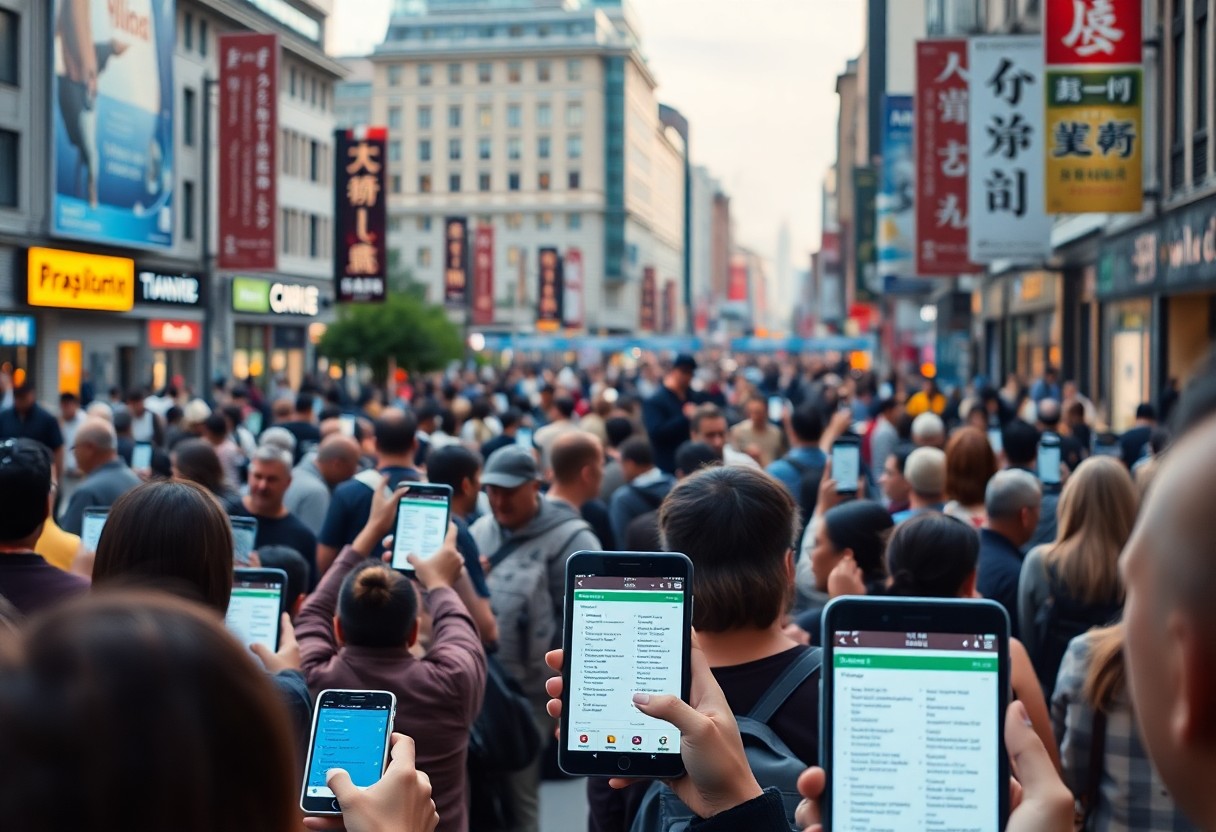
Translation tools powered by artificial intelligence are rapidly evolving, promising to break down language barriers and enhance global communication. With advanced algorithms and neural networks, these tools can provide translations that are increasingly contextually relevant and linguistically accurate. However, the effectiveness of AI translation tools in producing reliable public-facing content remains a topic of debate. This post explores their capabilities, limitations, and the implications for businesses and organizations that rely on translated materials for international audiences.
Assessing the Current Capabilities of AI Translation
The capabilities of AI translation tools have advanced significantly in recent years, driven by improvements in deep learning algorithms and access to vast multilingual datasets. While these tools have become highly proficient in translating everyday language and common phrases, challenges persist in handling context, idiomatic expressions, and specialized terminology. For public-facing content, ensuring translations maintain the original tone and clarity is paramount, as even minor inaccuracies can lead to misinterpretation and brand reputation risks.
Technological Advancements in Natural Language Processing
Recent technological advancements in Natural Language Processing (NLP) have transformed how AI translation tools operate. Neural machine translation (NMT) has enabled these tools to leverage vast contextual data, resulting in translations that are more coherent and contextually appropriate. Techniques such as transfer learning and attention mechanisms have further enhanced the fluency of translations, making them sound more natural. Nevertheless, ongoing research is required to improve performance in nuanced and culturally specific content.
Comparison of Major AI Translation Tools
Popular AI translation tools vary significantly in their performance, usability, and integration capabilities. Tools such as Google Translate, DeepL, and Microsoft Translator each possess unique strengths and weaknesses. Google Translate offers extensive language support and ease of use, while DeepL is recognized for its superior linguistic accuracy in certain language pairs. Microsoft Translator excels in business integrations, especially in professional settings. Choosing the right tool should therefore depend on specific needs, use cases, and languages involved.
Comparison of Major AI Translation Tools
| Tool | Key Features |
|---|---|
| Google Translate | Supports over 100 languages, user-friendly interface, and document translation features. |
| DeepL | Highly accurate translations for select languages, ability to refine output with suggested changes. |
| Microsoft Translator | Robust business integration, real-time translation, and collaboration tools for teams. |
The choice between these tools can significantly impact translation quality for public-facing content. Google Translate’s extensive language options make it ideal for general use, while DeepL is preferred by professionals seeking high-quality translations in fewer languages. Meanwhile, Microsoft Translator offers strong collaborative features, catering well to businesses needing seamless communication across teams. Evaluating specific needs will guide users toward the most suitable translation tool for their objectives.
The Critical Role of Context in Language Translation
Context serves as the backbone of effective language translation. AI translation tools often struggle to interpret idiomatic expressions, cultural references, and the intended emotional tone that differs widely between languages. For instance, the phrase “kick the bucket” translates differently based on the understanding of the idiom versus a literal interpretation. Without the ability to grasp context, nuances can be lost, leading to misinterpretations that may confuse or mislead the audience. Accuracy in translation thus relies heavily on contextual awareness, which remains a challenge for AI technologies.
Nuances of Cultural Relevance
Every culture has its unique set of values, customs, and expressions that shape language. A phrase that is humorous in one culture may hold a different connotation in another, leading to potential misunderstandings when translated directly. For example, references to specific holidays, regional customs, or even local slang can create hurdles for AI, which may lack the insight to navigate these subtleties effectively. Human translators, deeply entrenched in their cultural narrative, can adapt language to resonate with the target audience, ensuring that the message stays relevant and engaging.
Identifying and Addressing Ambiguities
Ambiguities in language pose a significant challenge for AI translation tools. Words or phrases with multiple meanings, like “run” (to jog or to operate), can lead to translation errors if the tool fails to determine the intended meaning from context. For example, in legal or technical documents, precision is imperative, as even minor misinterpretations can have serious implications. Human translators leverage their expertise to assess context and clarify ambiguities, providing more accurate translations, while AI continues to refine algorithms to better discern intent based on contextual clues.
Addressing these ambiguities often involves not just the translation of words but also an understanding of the larger narrative or purpose behind them. For instance, legal disclaimers may use specific terminology that requires a nuanced understanding of both the source and target legal frameworks. Misinterpretations caused by overlooking a single ambiguous term can result in significant liability issues. Through a combination of advanced machine learning techniques and human oversight, it is possible to improve AI’s ability to identify and mitigate these ambiguities, but achieving complete reliability remains an ongoing endeavor.
Real-World Applications: Successes and Challenges
AI translation tools are making waves across various sectors, showcasing both their strengths and the hurdles they face. From real-time customer support in e‑commerce to multilingual content creation for global marketing campaigns, these technologies have expanded their reach and capabilities. However, the effectiveness of these tools can vary widely depending on context, industry, and the language pair involved, revealing a landscape of both profound success stories and significant challenges.
Industries Utilizing AI Translation Effectively
Many industries have embraced AI translation, particularly e‑commerce, tourism, and education. Companies like Amazon utilize these tools for instant translations of product listings, ensuring a seamless shopping experience for diverse consumers. The travel sector relies on AI for restaurant menus and destination guides, enhancing travelers’ experiences abroad. Meanwhile, educational institutions employ AI translation in online courses, making content accessible to international students.
Common Shortcomings and Failure Cases
Despite their advantages, AI translation tools can falter in areas requiring nuanced understanding, idiomatic expressions, or specialized jargon. For instance, a 2020 study highlighted that machine translations for legal documents often miss critical terms, leading to potentially costly misunderstandings. Additionally, a major airline’s automated customer service chatbots faced backlash after misinterpreting travelers’ requests and providing inadequate assistance during peak travel times.
Accuracy and context remain persistent challenges for AI translation tools. Miscommunications often occur in sensitive subjects, like healthcare, where precise language is vital for patient safety. A notable failure occurred when an AI tool inaccurately translated a medical prescription label, leading to confusion and a potential health risk for patients. These shortcomings highlight the necessity for human oversight, especially in high-stakes environments where a single mistranslation can have serious repercussions. As AI tools continue to advance, the balance between automation and human expertise will remain paramount for successful translation outcomes.
Ethical Considerations in AI Translation
Ethical implications surrounding AI translation technologies raise significant concerns that cannot be overlooked. With the increased reliance on these tools for public-facing content, issues related to accuracy, bias, and data privacy come to the forefront. Creating equitable access to information across languages should not come at the expense of ethical integrity. As organizations leverage AI solutions, the ethical landscape must evolve to address the complex interplay between technology, culture, and responsibility in communication.
Accuracy versus Bias: The Ethical Dilemma
The potential for bias in AI translation systems presents a noteworthy ethical dilemma. Algorithms are often trained on datasets that may not represent diverse languages and dialects, resulting in skewed outputs that can misrepresent meanings and perpetuate stereotypes. Instances of biased translations can lead to significant misunderstandings, eroding trust in the technology and affecting the communities it aims to serve.
Data Privacy Concerns in Translation Tools
Data privacy remains a prominent concern in the use of AI translation tools, especially as many of these systems require user data to function optimally. Users often input sensitive or proprietary information, raising questions about how this data is stored, processed, and potentially shared. Stringent regulations, such as GDPR and CCPA, are highlights of the growing scrutiny over privacy practices, urging companies to implement robust safeguards to protect user information.
Furthermore, many translation tools rely on cloud services, where data transmission may expose personal or confidential material to third-party access. Reports of breaches or misuse of data amplify the need for transparent privacy policies and user consent protocols. Users should be informed about how their data is utilized, whether it is retained for model improvement, and if they can opt out. Clear guidelines in line with global standards will be important to mitigate risks and reassure users about data stewardship in AI translation contexts.
Preparing for the Future: Integration with Human Expertise
As the demand for high-quality translations grows, the future of translation is leaning towards a cooperative model that merges AI capabilities with human expertise. By integrating these two forces, companies can enhance translation quality, ensuring that nuanced meanings, cultural references, and industry-specific terminology are accurately interpreted. This symbiotic relationship allows for faster, more efficient translations while upholding linguistic integrity—helping brands communicate effectively across diverse markets.
The Hybrid Model: AI and Human Translators Working Together
The hybrid model leverages the strengths of both AI and human translators, creating a more efficient workflow. AI handles large volumes of text, quickly providing draft translations that human experts can refine. This collaboration minimizes errors and maintains the contextual nuances that machines might overlook. For instance, leading translation services now employ a two-step approach wherein AI generates a translation draft, which is then fine-tuned by a skilled linguist to ensure quality and accuracy.
Training Needs for Future Translation Professionals
Incorporating AI into the translation process necessitates an update to training programs for future translators. They must develop a dual skill set—mastering both traditional linguistic and cultural knowledge as well as an understanding of AI tools and technology. Programs should include coursework on machine learning principles, AI ethics in translation, and practical experience using translation software, equipping professionals to thrive in a landscape increasingly influenced by technology.
Future translation professionals will need to be equipped with skills that focus on collaboration with AI tools to ensure optimal output. This includes training in software that enhances translation accuracy and knowledge of data privacy standards relevant to AI usage in translations. Additionally, developing soft skills like critical thinking will enable these professionals to navigate complex cultural contexts and handle nuanced content. As the translation landscape evolves, adaptability and continuous learning will become vital traits for success in a hybrid model of translation.
Conclusion
Taking this into account, AI translation tools have made significant advancements, yet they still face challenges in delivering the same nuance and contextual accuracy as human translators. While these tools can enhance efficiency and accessibility, relying solely on them for public-facing content may lead to misinterpretations and cultural inaccuracies. Thus, a hybrid approach that combines AI capabilities with human oversight remains the most effective strategy for ensuring quality and clarity in multilingual communications.
FAQ
Q: What are the benefits of using AI translation tools for public-facing content?
A: AI translation tools offer several advantages for translating public-facing content. They can provide quick translations, enabling organizations to reach a wider audience in different languages without the delays associated with human translation. Additionally, these tools often come with algorithms that learn and adapt over time, improving the quality of translations as they are used more. This can lead to consistent terminology usage across multiple pieces of content, enhancing brand consistency. Moreover, many AI translation tools support multiple formats and platforms, making it easier to integrate translations into various digital marketing channels.
Q: Are AI translation tools accurate enough for professional use?
A: While AI translation tools have improved significantly in accuracy, they may not always be perfect for professional use, especially in complex or nuanced content. Basic translations for straightforward phrases are generally reliable; however, idioms, cultural references, or specialized terminology may still pose challenges. It is advisable to proofread AI-generated translations and, when necessary, involve human translators for a final review to ensure that the content resonates well with the target audience and maintains the intended meaning.
Q: How can organizations ensure their AI translations are culturally appropriate?
A: To ensure AI translations are culturally appropriate, organizations should consider several strategies. First, they can utilize AI tools that offer context-aware translation features, which can help in understanding regional phrases and cultural nuances. Additionally, organizations could involve native speakers in the process, using feedback to refine and adjust translations for better cultural alignment. Performing market research or A/B testing different translations can also provide insights into how well the content is received by diverse audiences, allowing for necessary adjustments before launching the translated content publicly.