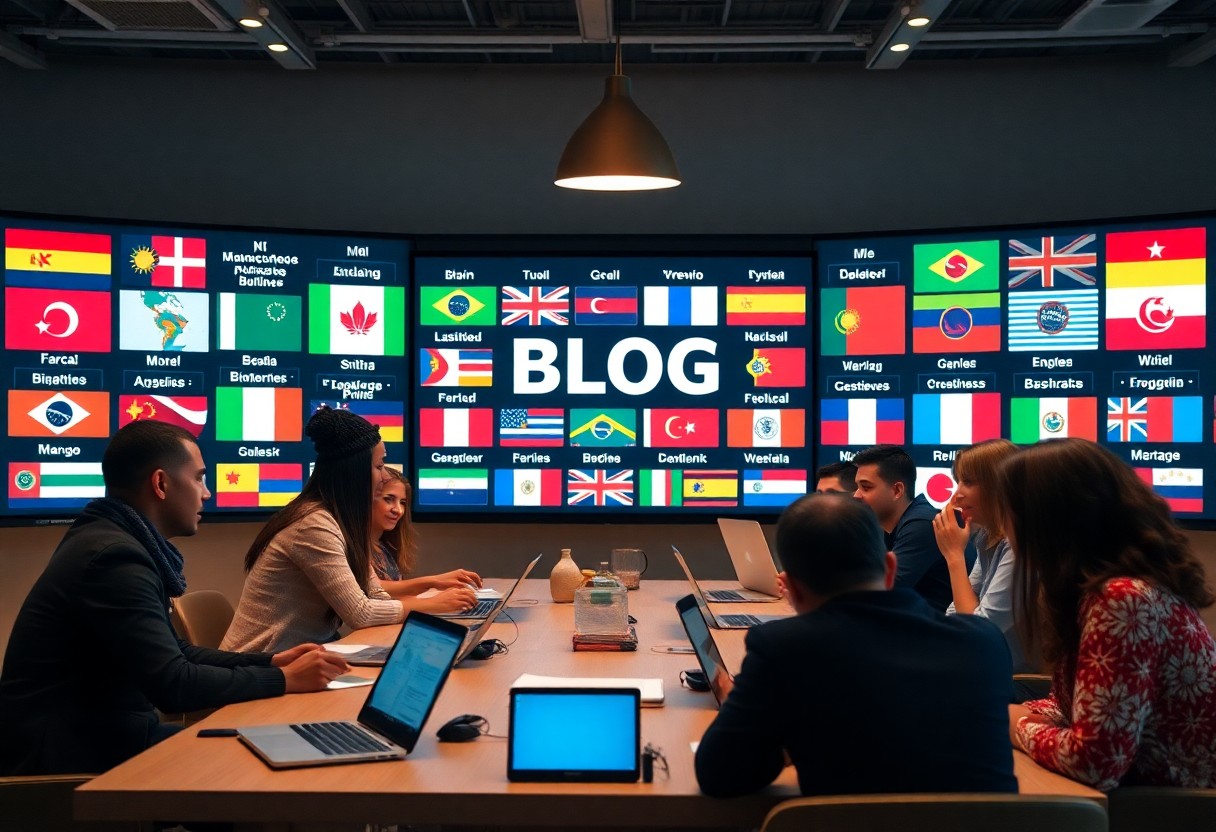
There’s a wealth of opportunity in reaching global audiences, and designing multilingual landing pages is a key step in that direction. In this guide, I’ll walk you through the imperative elements of crafting effective landing pages that cater to diverse languages and cultures. You’ll learn how to ensure your message resonates with various audiences while maintaining clarity and coherence in your design. Whether you’re a seasoned marketer or starting fresh, these insights will equip you to create engaging multilingual experiences that connect with users worldwide.
Types of Multilingual Landing Pages
While there are various types of multilingual landing pages you can consider for your business, each serves a distinct purpose and audience. Understanding these types will help align your landing page design and strategy with your user needs and objectives. Below is a breakdown of the primary types of multilingual landing pages:
| Type | Description |
|---|---|
| Language Switcher Pages | Pages that allow users to manually select their preferred language, often by clicking on a language icon or dropdown menu. |
| Geo-targeted Landing Pages | Pages that automatically display content based on the user’s geographic location, providing relevance and personalization. |
| Content Adaptation vs. Translation | Pages that focus on either adapting the content to fit cultural contexts or straightforwardly translating text into the target language. |
| Subdomain Language Variants | Separate subdomains for each language (e.g., fr.example.com) to manage language-specific content and SEO. |
| One-Page Multilingual Formats | Single pages that dynamically change content based on user language selection without loading new pages. |
Thou should choose the right type depending on your target audience and how they interact with your content. Each option comes with its own set of benefits and considerations.
Language Switcher Pages
You might find language switcher pages to be one of the most user-friendly options for multilingual landing pages. These types allow visitors to manually select their preferred language from a dedicated button, dropdown menu, or flag icons. This method can enhance the user experience significantly, as it gives audiences control over their language preference without confusion.
However, you should keep in mind that the design and placement of the language switcher are vital. It must be prominently displayed on the landing page, yet not intrusive. I typically recommend placing it in the header or footer for easy visibility while ensuring it complements the overall aesthetic of the landing page.
Geo-targeted Landing Pages
Switcher often relies on geographical data to personalize content for users based on their location. This approach can significantly improve user engagement as it delivers localized content that resonates with the audience’s cultural context and preferences. By utilizing IP-based geo-targeting or using browser language settings, you can create a tailored experience for each visitor.
From experience, I’ve noticed that geo-targeted landing pages can enhance conversion rates greatly, especially for e‑commerce businesses and service providers appealing to local markets. When visitors see content that speaks directly to their region and culture, they are more likely to engage and convert.
Multilingual geo-targeted landing pages can also be very effective for seasonal promotions or location-specific offers. By recognizing the geographic details, your business can drive more relevant traffic and improve conversion rates based on specific market needs.
Content Adaptation vs. Translation
Types of multilingual landing pages can generally fall into two categories: content adaptation and translation. While translation simply involves converting text from one language to another, content adaptation goes a step further. It takes into consideration cultural nuances, local idioms, and even regional preferences to create a more engaging user experience. This distinction is important in thinking about how to best approach your content for different markets.
Your choice between content adaptation and translation should depend on your target audience and the message you want to convey. If your aim is to maintain a consistent brand voice across different cultures, adaptation is the way to go. However, if your audience is more familiar with direct translations, then going the straightforward route would suffice.
Language plays an important role in building connections with your audience. It is typically best to focus on the nuances and culture of your target market rather than just words. Adapting content not only enhances comprehension but can also make your campaigns resonate on a deeper emotional level with potential customers.
Step-by-Step Guide to Creating Multilingual Landing Pages
Not all landing pages are created equal, especially when it comes to catering to diverse audiences. A well-designed multilingual landing page not only enhances user experience but also improves conversion rates by addressing visitors in their native language. Below, I’ve outlined a step-by-step guide to help you create effective multilingual landing pages.
| Step | Action |
| 1 | Research and Planning |
| 2 | Content Creation and Translation |
| 3 | Testing and Optimization |
Research and Planning
Multilingual landing pages require thorough research and planning to set a solid foundation for your project. It’s vital to understand your target markets, audience demographics, and the languages that resonate with those audiences. I look into market research to identify which languages are most relevant and prioritize them according to the potential impact on my conversion rates.
Additionally, I analyze competitors who are successful in the multilingual space. Understanding the nuances of different cultures and how they affect language choice can significantly inform your approach. I gather insights from analytics data, user feedback, and even cultural trends to ensure the content I develop will connect effectively with various audiences.
Content Creation and Translation
Little do many know that the quality of your content and its translation plays a pivotal role in the effectiveness of multilingual landing pages. It’s not simply about direct translation but instead requires an approach that adapts the message to fit cultural contexts and local dialects. I ensure that the tone, phrasing, and even local idioms are carried over in the translation process to maintain relatability.
Translation services can vary widely in quality, so I oftentimes select professional translators who are native speakers of the target language. This ensures that the translated content feels authentic and is tailored to the audience’s expectations. Additionally, I keep SEO best practices in mind, ensuring that keywords are well-researched and integrated into the translated content.
Translation is only part of the process; maintaining brand voice and consistency across multiple languages is just as vital. I’ll often create a glossary that defines key terms and phrases pertinent to my brand to ensure that every translator is aligned in the messaging for consistent output.
Testing and Optimization
Landing pages that are not tested and optimized can lead to missed opportunities for engagement and conversions. I regularly conduct A/B testing on different elements of my multilingual landing pages to better understand user behavior in diverse regions. These tests might include variations in layout, wording, calls-to-action, or images that represent different cultures. Through continuous testing, I can gather valuable insights to refine my strategy and boost effectiveness.
Another imperative aspect of testing includes analyzing user interactions through heat maps and digital analytics. This step allows me to see how users interact with various elements on the page, helping me make informed decisions for future enhancements. By continuously optimizing my multilingual landing pages based on real user data, I ensure they remain effective and aligned with the expectations of my diverse audience.
Tips for Effective Multilingual Landing Pages
Your journey into crafting multilingual landing pages can be both exciting and challenging. To help you excel in this endeavor, I’ve compiled several tips that will enhance user experience and improve your conversion rates. Effective multilingual landing pages are not just about translation; they require thoughtful design and strategic considerations.
- Prioritize user-friendly language options.
- Ensure clear navigation and layout.
- Maintain consistency across languages.
- Utilize visuals and multimedia effectively.
- Conduct thorough testing.
Thou will find that the organization of your content can significantly impact user interaction, especially for those navigating in a language that may not be their primary one.
Use of Clear Navigation and Layout
Assuming users might arrive at your landing page speaking a different language, it’s crucial to provide clear navigation and a logical layout. Clean and simple navigation helps users quickly locate the information they’re looking for, reducing frustration and enhancing their overall experience. Icons and universal symbols can be particularly helpful in bridging language gaps.
Moreover, an intuitive layout that does not overwhelm users is fundamental. Keep your call-to-action buttons prominent and ensure that crucial information stands out. A streamlined design will facilitate effortless navigation, encouraging users to engage further with your content.
Maintaining Consistency Across Languages
Pages that feel disjointed or lack coherence can dissuade users from sticking around. Maintaining consistency across languages means using the same design, tone, and branding in every version of your landing page. I recommend employing a translation service that can ensure terminology matches and conveys your intended message accurately. This approach fosters brand trust and reliability.
Tips for achieving consistency could include using a style guide that details preferred language usage, colors, font styles, and the layout for every language. Adopting this practice will not only enhance user trust but will also ensure every visitor feels equally valued, regardless of their language preference.
Utilizing Visuals and Multimedia Effectively
On a multilingual landing page, visuals and multimedia play a key role in transcending language barriers. Images, videos, and infographics can often convey your message more effectively than text alone. When using visuals, I suggest selecting content that resonates with the target audience culturally, ensuring that your message is clear and relatable.
Additionally, consider providing subtitles or alternate audio tracks for videos in different languages to maintain accessibility. Engaging multimedia can capture attention and enhance the emotional connection to your content, propelling users toward a decision.
Multilingual landing pages can significantly expand your audience and boost engagement when designed thoughtfully. Taking the time to implement these tips will create an inviting environment for users of all language backgrounds.
Common Mistakes to Avoid
After working on several multilingual landing pages, I’ve seen firsthand the common pitfalls that can hinder their success. It’s important to recognize these mistakes so that you can create a seamless and effective experience for your audience across different languages and cultures.
Inconsistent Language Use
Assuming that it’s acceptable to mix languages on a single landing page is a mistake I often encounter. Inconsistency can confuse your visitors and create a sense of disorganization. Each language should be clearly defined, with dedicated sections for each to ensure a smooth reading experience. It’s not enough to provide translations; you must commit to a consistent use of language throughout your page.
Additionally, it’s vital to employ professional translation services rather than relying solely on automated translators. Doing so helps maintain not just language consistency, but also the brand voice and tone that you wish to convey across different markets. A disjointed language strategy can alienate your users and decrease their trust in your content.
Neglecting Mobile Optimization
With the increasing prevalence of mobile devices, it’s vital that your multilingual landing pages are optimized for all screen sizes. Many individuals access the internet through their smartphones and tablets, so ensuring that your pages are responsive can greatly enhance user experience. Failing to optimize for mobile can lead to frustrating navigation and a higher bounce rate, regardless of how well your content is translated.
Optimization means not only adjusting the layout and design elements but also ensuring that loading times are efficient and forms are user-friendly. You want your users to engage with your content without having to struggle to read or interact on smaller screens.
Overlooking Cultural Nuances
Little attention to cultural differences can lead to ineffective communication and even offend your audience. As you design your multilingual landing pages, I encourage you to research cultural nuances related to symbols, colors, and idiomatic expressions. Each culture has its own set of values, beliefs, and expectations, and overlooking these can result in misinterpretation of your message.
For instance, what might be considered a positive color in one culture could have negative connotations in another. Understanding these intricacies is necessary to convey your message authentically and build trust with your target audience. By catering your content to reflect cultural sensitivities, you position your landing pages for better engagement and conversion rates.
Pros and Cons of Multilingual Landing Pages
Many businesses recognize the importance of appealing to diverse audiences, and multilingual landing pages can provide a strategic advantage. However, like any approach, there are both benefits and challenges to consider. Below is an analysis of the pros and cons to help you evaluate whether this strategy suits your needs.
Pros and Cons of Multilingual Landing Pages
| Pros | Cons |
|---|---|
| Increased Reach to Diverse Audiences | Higher Costs for Translation and Localization |
| Improved User Experience | Complexity in Content Management |
| Higher Conversion Rates | Risk of Mistranslation |
| Better SEO Performance in Different Languages | Potential Maintenance Challenges |
| Enhanced Brand Image and Trust | Need for Ongoing Updates |
| Ability to Target Specific Geographies | Learning Curve for Some Teams |
Advantages of Multilingual Strategies
Any business aiming to grow its audience should consider the benefits of multilingual strategies. I have seen that implementing these strategies often leads to significant increases in user engagement and conversion rates. When users encounter content in their native language, they are more likely to trust the brand and feel comfortable making a purchasing decision.
Additionally, providing content in multiple languages can enhance your brand image. You signal to your audience that you value their culture and language, which fosters loyalty and makes your brand more relatable. This improved perception can differentiate you from competitors who have yet to embrace a multilingual approach.
Potential Challenges and Disadvantages
The pursuit of multilingual landing pages isn’t without its drawbacks. One primary concern I have observed is the cost associated with translation and localization. High-quality translations require skilled professionals, and this can lead to significant initial and ongoing investments that may not always yield immediate returns.
Another challenge is the complexity it introduces in content management. With multiple versions of the same page to maintain, I often find that consistency can become an issue. Moreover, ensuring that updates are reflected across all languages requires diligent management, which may strain your resources.
Understanding the potential challenges also involves recognizing how easy it can be to overlook the importance of context and cultural nuances during translation. A phrase that works well in one language may not carry the same meaning in another, and mistranslations can adversely affect your brand’s credibility.
Cost-Benefit Analysis
For many, the decision to implement multilingual landing pages ultimately comes down to a cost-benefit analysis. You will want to weigh the potential benefits of increased conversions and expanded reach against the costs associated with translation, localization, and ongoing maintenance. This requires careful planning and strategy to ensure you are getting a solid return on investment.
With a clear understanding of your target market and the languages they speak, you can make informed decisions. Conducting pilot tests in selected languages can provide additional insights to help you assess the effectiveness of your multilingual landing pages before fully committing resources.
Best Practices for Localization
Unlike creating a single version of a landing page, designing for a multilingual audience requires a nuanced approach to localization. It’s not just about translating words; it’s about making your content resonate with diverse cultural contexts. I find that a well-localized landing page thoughtfully adapts visuals, tone, and messaging to reflect the preferences and traditions of various audiences. This method increases engagement and conversion rates, as users are more likely to connect with content that feels personal and relevant to their experiences.
Adapting Content for Local Audiences
The first step in adapting your content involves understanding the cultural nuances and norms of your target audience. This means researching local customs, idioms, and behavioral trends that may influence how your message is received. For instance, I often ensure that imagery and color schemes align with local expectations, as these elements can evoke different feelings and responses in different cultures. You may also need to modify offers, call-to-action phrases, and even timing based on local practices and consumer behavior.
Additionally, I recommend collaborating with local experts or native speakers who can provide valuable insights into the subtleties of language and culture. This collaboration can help you avoid potential miscommunications or cultural faux pas that could alienate your audience. A personalized approach makes the user experience more inviting and encourages visitors to take action, ultimately enhancing your campaign’s success.
Local SEO Strategies
While creating a multilingual landing page, it’s crucial to incorporate local SEO strategies to ensure visibility in search engines. This includes utilizing localized keywords that resonate with your target audience, as search behavior can vary significantly across languages and regions. To do this, I typically conduct keyword research specific to each market, identifying phrases that potential customers are likely to search for. Alongside this, optimizing metadata and using hreflang tags help search engines understand which content is meant for which audience, further elevating your page’s local rankings.
Local SEO is not only about keywords; it also involves building a credible online presence in local directories and platforms. I find that ensuring consistency in brand messaging across all channels—such as social media, Google My Business, and local news outlets—plays a significant role in improving your visibility. Additionally, obtaining local backlinks can enhance your authority and bolster your SEO efforts, ultimately leading to higher traffic on your localized pages.
Legal and Compliance Considerations
Assuming you’re targeting markets beyond your own, understanding local laws and compliance requirements is imperative. Each country has its own regulations pertaining to data privacy, consumer protection, and advertising standards. As I navigate these complexities, I often find it prudent to consult legal professionals familiar with the regulations in each target market to ensure my landing pages are compliant. This helps prevent any legal challenges down the line and builds trust with your international audience.
Audiences expect brands to respect their local laws, especially regarding data protection. It’s crucial to familiarize yourself with regulations like the General Data Protection Regulation (GDPR) in Europe or the California Consumer Privacy Act (CCPA) in the United States. Ensuring your landing pages include the appropriate disclaimers, consent forms, and privacy policies demonstrates your commitment to compliance and helps cultivate a positive relationship with your audience.
The Importance of A/B Testing in Multilingual Designs
To effectively optimize your multilingual landing pages, A/B testing is an vital tool that allows you to compare different versions of your designs and identify which variations resonate better with your audience. If you are launching a landing page in multiple languages, it’s vital to test each version as language nuances can significantly impact user behavior. By isolating elements like headlines, images, calls to action, and layouts, you can gather valuable insights that inform your design decisions and help you to create more tailored experiences for each language group.
Setting Up A/B Tests for Different Languages
To set up A/B tests for various language versions of your landing pages, start by selecting a few key elements that you suspect will influence user engagement. For instance, you might want to experiment with different headlines or CTA buttons to see which linguistic variations encourage more interaction or conversion. As you roll out these tests, ensure you are tracking relevant metrics, such as click-through rates and conversion rates, allowing you to gather data that reflects user preferences across different languages.
Analyzing Results for Optimizations
Analyzing the results from your A/B tests is an important step in understanding which elements resonate best with your target audience. By comparing metrics across various languages, you can identify patterns and preferences that may not be immediately obvious. Diving deep into the data helps you understand whether certain language variations lead to better engagement or if specific design elements perform better in one language compared to another.
Plus, as you sift through the data, you may find areas that require further refinement. Perhaps a specific phrase is more effective in drawing user attention in one language but falls flat in another. Understanding these subtleties enables me to make informed adjustments that significantly enhance user experience and increase conversions for all language variants.
Continuous Improvement Strategies
Tests should not be seen as a one-time event but as part of an ongoing strategy for enhancing your multilingual landing pages. I recommend regularly revisiting your A/B tests, particularly when introducing new content or when a significant shift in your audience occurs. This approach not only fosters a culture of continuous improvement but also allows you to adapt to changing user preferences or market trends swiftly.
Multilingual landing pages should be dynamic, reflecting the evolving needs and interests of your audience. By continuously testing and optimizing, you position yourself to better serve your users, ultimately leading to greater satisfaction and improved conversion rates. Adopting this mindset will ensure that your landing pages remain relevant and engaging, regardless of the language being used.
Future Trends in Multilingual Page Design
Keep an eye on the evolving landscape of multilingual landing pages as they adapt to emerging technologies and user expectations. As we move forward, several key trends are likely to shape how we design and implement these pages, ensuring they meet the diverse needs of a global audience.
AI and Machine Translation
To stay ahead in the multilingual game, I believe leveraging AI and machine translation will become increasingly significant. Advanced algorithms and natural language processing capabilities are enhancing the quality of translations, making them more contextually accurate and culturally relevant. This means that designers can create landing pages that are not only translated but are also tailored to resonate with the target audience, reducing the risks of miscommunication.
Moreover, as AI continues to evolve, I foresee a future where real-time translation features will be integrated into multilingual pages. This will allow visitors to switch languages effortlessly, creating a seamless browsing experience. The more personalized and user-friendly I can make these interactions, the more likely users are to engage with the content and take action.
Voice Search and Multilingual UX
One of the standout trends I’m noticing is the rise of voice search, which is transforming how users engage with online content. As voice-activated technologies become more mainstream, it’s important to think about how they relate to multilingual user experiences. Designing landing pages that are optimized for voice search will involve considering both pronunciation and conversational keywords in different languages, ensuring the content is easily accessible and relatable.
For instance, adapting your voice search strategy means understanding the variations in how users might phrase their queries in different languages. This requires incorporating diverse cultural expressions and nuances into your page design, which can only enhance user satisfaction. As you optimize for voice search, it becomes increasingly important to conduct keyword research specific to each language and ensure that your site ranks well across different dialects.
Increased Focus on Personalization
Design plays a pivotal role in enhancing user experiences through personalized content. As users’ preferences become more sophisticated, I see the expectation for landing pages to offer personalized experiences that cater specifically to their linguistic and cultural backgrounds. This involves using data analytics to understand user behaviors and tailoring content accordingly, thus fostering a more engaging interaction with your multilingual page.
With the wealth of data at our disposal, integrating personalization features into multilingual landing pages will allow you to speak directly to the interests and needs of your audience. By harnessing insights from user behavior, geographical trends, and cultural specificities, you can create unique experiences that make visitors feel understood and valued, thereby increasing the likelihood of conversion.
Measuring Success of Multilingual Landing Pages
Once again, the effectiveness of your multilingual landing pages hinges on robust measurement strategies. To understand how well your pages are performing across different languages and cultures, you’ll need to set clear metrics that align with your business objectives. This involves identifying what success looks like for each language variant of your landing page and ensuring your KPIs reflect that vision.
Key Performance Indicators (KPIs)
Performance metrics such as conversion rates, bounce rates, and time spent on page are foundational in evaluating the effectiveness of your multilingual landing pages. I recommend establishing specific KPIs for each language version, as cultural differences may influence user behavior. For instance, you might find that a particular language version has a higher bounce rate, which could signal that the content doesn’t resonate well with that audience or is not meeting their needs.
In addition to standard KPIs, consider tracking user engagement metrics such as click-through rates on calls to action (CTAs) and form submissions. These indicators can help you assess whether your messaging is driving the desired actions among your multilingual audience. By monitoring these key metrics, you can make informed adjustments that enhance user experience and increase conversions on your landing pages.
Tools for Tracking and Analyzing Traffic
Performance analytics tools are necessary for tracking traffic to your multilingual landing pages. I recommend utilizing platforms like Google Analytics, which allows you to segment user behavior based on language, geographic location, and other demographics. This capability enables you to understand which language versions are performing well and identify trends within specific audiences.
Furthermore, consider employing heat mapping tools, such as Hotjar or Crazy Egg, to visualize user interactions on your pages. These insights can uncover how users navigate through your multilingual content, helping you determine which areas are engaging and which may require refinement. By leveraging these tools, you can take a data-driven approach to optimize your landing pages effectively.
Measuring the success of your multilingual landing pages also involves understanding how user feedback can inform improvements. Integrating tools for gathering user insights—like surveys or feedback forms—allows you to tap into the thoughts and preferences of your users directly. You can develop more user-focused content and improve functionality by knowing their experiences and barriers.
Gathering User Feedback
Any successful strategy must incorporate user feedback to ensure continual improvement. By reaching out to your audience, you can gain valuable insights that quantitative data alone cannot provide. You might consider implementing short surveys or feedback options on your multilingual landing pages, asking users about their experience and whether they found the information they needed. This kind of direct input can guide you in refining your content and enhancing user satisfaction.
Pages that resonate with your audience lead to higher retention and conversion rates. If you notice patterns in the feedback, such as specific areas where users express confusion, you can prioritize these aspects for revision. By actively engaging with your users and implementing their suggestions, you create a more inclusive experience that caters to the varied needs of your multilingual audience.
Conclusion
To wrap up, designing multilingual landing pages is not just about translating content; it’s about creating an engaging and culturally relevant experience for your audience. I’ve highlighted the importance of understanding your target demographic, employing high-quality translations, and maintaining a consistent brand voice across different languages. By doing these things, you set yourself up for success and make it easier for potential customers to connect with your brand.
As you launch on this journey of developing your multilingual landing pages, keep in mind that ongoing testing and optimization are key to refining your approach. I encourage you to analyze user behavior and feedback regularly, allowing you to make data-driven decisions that enhance user experience. With a well-designed multilingual strategy, you can effectively reach a broader audience and foster stronger relationships with customers from diverse backgrounds. Your efforts will undoubtedly pay off as you become more accessible and appealing to global markets.
FAQ
Q: What are multilingual landing pages and why are they important?
A: Multilingual landing pages are web pages designed to cater to users who speak different languages. They are imperative for businesses aiming to reach a global audience, as they enhance user experience by providing content in the visitor’s preferred language. This can lead to increased engagement, higher conversion rates, and improved customer satisfaction.
Q: How can I determine which languages to include on my landing page?
A: To decide which languages to include, analyze your target audience demographics, market research, and site analytics. Identify regions with potential customer interest where language diversity is present. Consider languages that represent a significant portion of your web traffic or regions where your brand plans to expand.
Q: What are best practices for translating content on my landing page?
A: Utilize professional translation services or native speakers to ensure accurate and culturally appropriate translations. Avoid relying solely on automated translation tools, as they may lead to misunderstandings. Additionally, adapt content to local cultures and preferences, focusing on cultural nuances and relevant examples.
Q: How should I structure my multilingual landing page for optimal SEO?
A: Structure your multilingual landing page with subdomains or subdirectories for each language (e.g., fr.yoursite.com or yoursite.com/fr/). Use hreflang tags to indicate language and regional targeting to search engines. Ensure that your URLs, meta tags, and content are translated and optimized for each specific language version.
Q: What tools can assist me in designing and managing multilingual landing pages?
A: Several tools can help with designing multilingual landing pages, including content management systems (CMS) like WordPress with multilingual plugins such as WPML or Polylang. Other options include translation management platforms like Lokalise or Crowdin. Additionally, website builders like Wix and Shopify come with built-in multilingual features, allowing for easy management of different language versions.