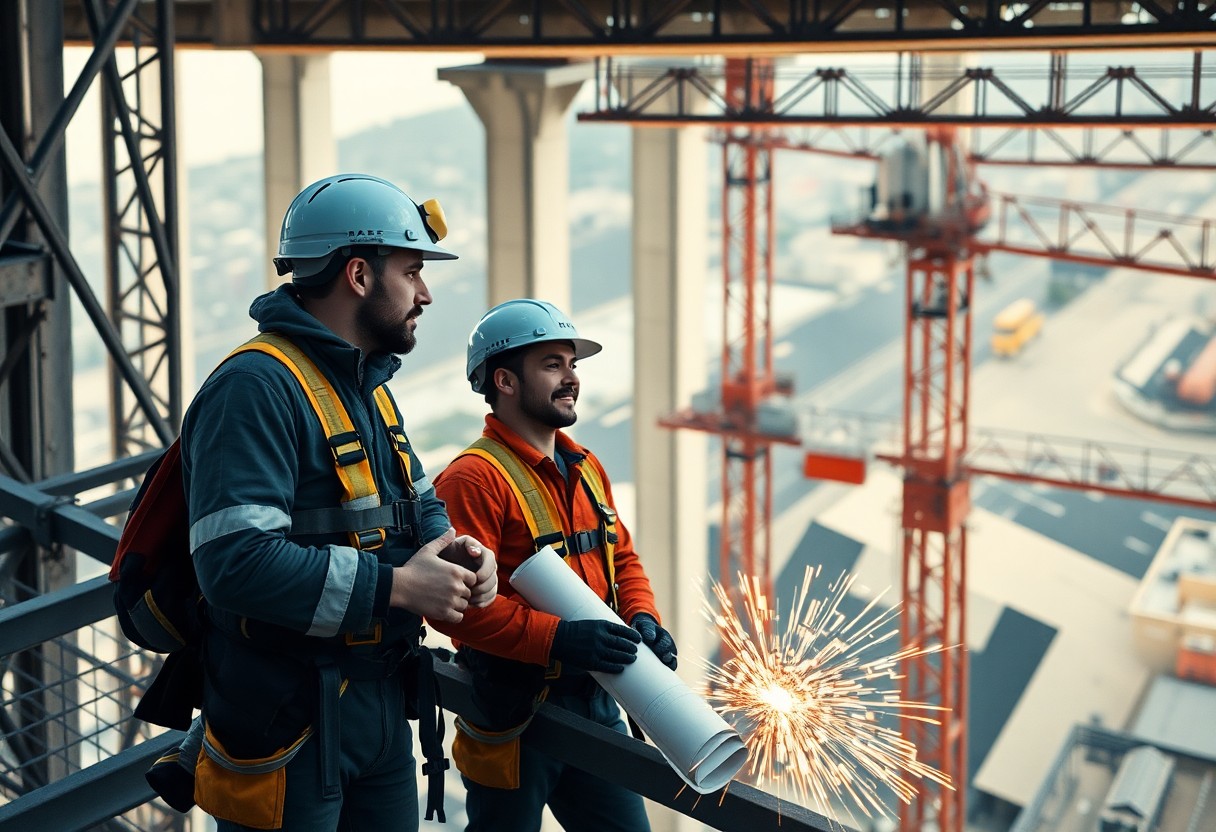
You might think buildings and infrastructure stand alone, but the true stories lie in the people behind architecture who create them. I will explore the backgrounds, motivations, and challenges faced by those behind architecture, highlighting how their experiences shape the designs you see every day. Understanding the people behind architecture is crucial to appreciating the art and science of building.
The Architect’s Silent Dialogue
Dreams etched in granite
Buildings often embody our dreams, representing aspirations long held. I find inspiration in the creative process, where every line drawn is a step toward manifesting those dreams in physical form. Your vision becomes a blueprint for the future, and each granite block serves as a reminder of what is possible when imagination takes flight.
Every project carries a story, anchored by the emotions and ideals behind it. You may not see the architect’s thoughts on the surface, but the essence of those dreams resonates in the structures we pass daily. These edifices transform hope into something tangible, whispering their messages through stone.
The narratives of the people behind architecture add depth to the physical spaces we inhabit, revealing the passion and dedication that drives innovation in this field.
The people behind architecture imbue significance into every project they undertake, intertwining personal stories with the physical structures that define our environments.
The burden of legacy
Legacy weighs heavily on an architect’s shoulders. I often reflect on the implications of my designs, considering how they will be perceived through generations. You craft more than mere structures; you create lasting impressions that influence communities long after your time.
Truly, the architect fights an ongoing battle with the legacy they leave behind. Each project is a chance to contribute to cultural identity, yet it also poses the challenge of ensuring that your vision aligns with the needs of the future. Balancing these pressures can be a daunting, yet rewarding task.
The challenge is not just in the construction, but in embedding meaning within those walls. Every choice shapes how future generations will perceive history, culture, and environment. You mold the present while considering how it will echo into the future, cementing your place in the continuum of architecture and its profound impact on society.
Understanding the people behind the structures
Calloused hands and rising steel
Worn and weathered, laborers transform raw materials into towering structures. Each callous tells a story forged from sweat and endurance, reflecting their commitment to craftsmanship. As I observe, it’s clear that behind every beam lies a narrative of resilience, enabling urban skylines to emerge.
Creating something substantial requires dedication and precision, often overlooked in the final product. The act of raising steel is not just technical; it’s a rhythm. You can feel the pulse of teamwork, the synchronization of laborers, each movement contributing to something greater than themselves.
Invisible signatures in the mortar
Every brick laid contains an unseen mark, a testament to the hands that crafted it. Those who mix and apply mortar leave their identities imprinted in each layer, silently contributing to the structure’s integrity. I appreciate how this unseen labor carries immense weight and importance.
Witnessing the process, it becomes evident that the hidden artistry lies in every detail. You might not recognize these contributions amidst the finished walls, yet they play an crucial role. Each interaction between the mortar and brick forms a dialogue that lasts for generations.
Invisible signatures reflect not only the labor involved but also the stories of individuals who often remain nameless. The mortar, once hardened, encapsulates moments of care, attention, and expertise. Each stroke preserves the essence of those workers, reminding us that their energy and commitment are integral to the structural fabric.
The dignity of the physical craft
Physical labor carries a dignity that often goes unnoticed. Craftsmanship is an art form that embodies passion and skill, transforming the mundane into something extraordinary. By engaging in this work, laborers connect with their creations, giving them life and purpose.
Real pride emerges when you understand how every swing of a hammer or calculated placement of a tool contributes to a larger vision. The laborer’s identity is interwoven with the structure, showcasing an undeniable legacy built upon dedication and hard work.
Engaging in physical craft instills a sense of accomplishment that transcends the mere act of building. It binds the worker to the community and history of the structure, creating not just edifices but lasting legacies rooted in skill and devotion.
Understanding the people behind the structures
Domesticity and the shape of rooms
Room shapes influence how I inhabit a space. Rectangular designs often create distinct areas for various activities, while circular spaces can encourage openness and connection. The choice of layout determines not only functionality but also comfort and emotional responses, marking specific zones for relaxation versus productivity.
As I arrange furniture within these confines, I notice how certain arrangements foster domesticity. Cozy nooks invite conversation, whereas expansive layouts might suggest formality. Each configuration silently communicates, shaping our emotional connection to the home and influencing our daily routines.
How hallways dictate intimacy
Hallways serve as conduits that shape interactions. Width and length affect proximity, where narrow paths can foster closeness, while broader hallways distance individuals. The design influences how I share moments with family, creating either intimate exchanges or more detached encounters.
Flow through a home hinges on these spaces. You might find the layout inviting or isolating. In essence, a well-thought-out hallway design can create opportunities for connection, whether through a simple greeting or a deeper shared moment.
Hallways frame our interactions by dictating the rhythm of movement and engagement. In my own experience, a short, narrow hallway often leads to spontaneous encounters, while lengthy corridors allow for personal reflection. Your environment’s layout shapes not only your physical journey but also your emotional ties to those you share it with.
The psychology of the window
Windows serve as portals between the inside and outside world. Their placement and size can profoundly affect my mood and mindset. Bright, spacious windows invite natural light and offer views that stimulate creativity and tranquility, linking me to the outside environment in a meaningful way.
The framing of a window can evoke nostalgia or hope. I often find myself contemplating the landscape beyond, reflecting on memories or aspirations. The interplay of light, view, and emotional resonance turns windows into not just openings but critical features of mental well-being.
The Urban Planner’s Social Canvas
Designing for the collective soul
Creating spaces that resonate with community values requires a deep understanding of people’s needs. You must recognize how environments influence social interaction and individual well-being. Every street, building, and park plays a role in forming a collective identity, reflecting the aspirations and concerns of its residents.
Involving local voices in the design process enriches this experience. I find that when you engage directly with the community, the solutions become more authentic and meaningful. Your input helps to shape a vision that not only meets functional requirements but also nurtures emotional connections.
Parks as lungs for the lonely
Many urban dwellers often feel isolated, even amidst bustling crowds. Parks serve as vital sanctuaries, offering green spaces where individuals can reconnect with nature. You can find solace, engage with others, or simply enjoy a moment of reflection in these environments.
Understanding the people behind architecture allows us to appreciate the unique vision and creativity that influences each design, creating spaces that reflect human experience.
Utilizing parks to break down social barriers is vital. I believe these spaces shouldn’t just be for recreation but also serve as platforms for community bonding. When you design parks thoughtfully, they become more than just a backdrop for activity; they transform into lifelines that enhance the quality of urban life.
The design of parks can significantly impact mental health and social cohesion. Spaces that promote interaction, such as communal gardens or event areas, encourage people to come together. You can witness friendships forming and neighborhoods flourishing in these environments, alleviating loneliness and enriching your community’s spirit.
Involving the people behind architecture in community discussions can lead to more meaningful and representative designs that resonate with the public.
The Preservationist’s Quest for Time
Rescuing memories from decay
By preserving the narratives of the people behind architecture, we ensure that their contributions continue to inspire future generations.
Preservation involves not just maintaining structures but also capturing the stories they tell. Each crack, each faded paint layer holds a memory waiting to be uncovered. I often find myself delving into archives, piecing together fragments of forgotten histories to support my restoration efforts.
The process of preserving these memories transforms my understanding of the environment. When I restore a building, I’m not just working on brick and mortar; I’m reviving its history, allowing voices of the past to resonate through its walls once more.
The ethics of restoration
Ethical considerations are paramount when engaging in restoration work. I grapple with questions about authenticity and whether certain changes might compromise the original spirit of the structure. Balancing modern needs with historical significance is often a challenging endeavor.
Often, I consult with various stakeholders, including community members, to navigate these ethical dilemmas. This collaborative approach ensures that my efforts honor the original intent while making the space relevant for today’s occupants.
Engaging with the community not only informs ethical decisions but also enriches the restoration project. By including diverse perspectives, I can ensure the preservation reflects collective memory rather than imposing a singular vision. This collaboration turns the project into a shared journey, where history and contemporary voices converge.
The stories of the people behind architecture are essential, giving context and depth to the structures we inhabit and cherish.
Echoes of previous inhabitants
Previous inhabitants leave behind traces that deserve acknowledgment. I often encounter remnants, from personal artifacts to architectural details, speaking volumes about the lives once lived within these structures. Interpreting these echoes allows me to give context to my work.
The emotional connections formed by the people behind architecture shape our interactions with these spaces, making their stories all the more vital.
History isn’t just found in old documents; it’s embedded in every living corner of a space. By recognizing the existence of these echoes, I strive to weave their stories into the fabric of my restoration, connecting the present to the past for future generations to appreciate.
Diving deeper into these remnants offers a richer narrative to share. Each discovery adds depth to the historical tapestry, revealing the daily lives and struggles of those who came before. Understanding these echoes transforms the restoration process from mere renovation into a poignant tribute to heritage.
The Engineer’s Hidden Poetics
Mathematics as a Love Letter
Numbers can evoke profound emotion, reflecting the complexities of human connection. Each equation I write feels like a whisper, merging logic with creativity. The formulas and diagrams represent not just infrastructure but a dedication to beauty and balance, revealing how science can communicate love in its own unique language.
The mathematical precision of the people behind architecture is not only a technical skill but also a form of artistic expression, merging functionality with beauty.
Throughout my work, I find that mathematics serves as a canvas for affection, drawing lines and curves that connect dreams to reality. These calculations transform mere structures into graceful entities, asserting a deep respect for the artistry inherent in engineering.
Resilience Against the Elements
Weather poses a constant challenge, yet it inspires innovative solutions. Engineers must anticipate nature’s unpredictable behavior, crafting designs that endure storms, earthquakes, and floods. My efforts focus on ensuring structures not only survive but thrive, standing strong against whatever the elements throw their way.
Every project provides an opportunity to showcase the strength of materials and the ingenuity of design. Recognizing that adaptability is fundamental, I integrate flexible systems that enhance structural integrity and safety, ensuring long-lasting resilience in the face of adversity.
Resilience isn’t just about surviving harsh conditions; it’s about thriving through them. I incorporate advanced materials and architectural principles that allow structures to sway gently during seismic events or channel water effectively during heavy rains. Each design principle is a testament to our capacity to harmonize human creation with nature’s whims, ensuring that our environments not only persist but also flourish in the long run.
Final Words
Through understanding the people behind architecture, we gain insights into how their experiences shape our built environment and influence our lives.
Now, understanding the people behind structures enriches our appreciation for their designs. Each architect, builder, and craftsman brings unique experiences and motivations that shape the final product. You grasp a deeper meaning when you recognize the stories and aspirations that these individuals infuse into their work.
Your perspective on architecture shifts dramatically when you connect with the creators. I believe that by acknowledging their contributions, we cultivate a more profound respect for the spaces we inhabit. This connection transforms mere structures into expressions of culture, history, and community.
The perspectives of the people behind architecture transform our understanding, allowing us to see spaces as reflections of cultural and historical narratives.
Q: What motivates architects in their design process?
A: Architects often draw inspiration from various sources, including cultural heritage, environmental elements, and human interaction. Personal experiences, societal needs, and artistic influences play significant roles in shaping their creative vision.
Q: How do social dynamics influence architectural structures?
A: Social dynamics, such as community needs and cultural practices, directly impact architectural designs. Architects analyze user interactions and local customs to ensure structures serve their intended purposes effectively.
Q: What role does collaboration play in architecture?
A: Collaboration is necessary in architecture, involving input from engineers, designers, and stakeholders. This teamwork leads to more comprehensive solutions that reflect diverse perspectives and address complex challenges in building design.