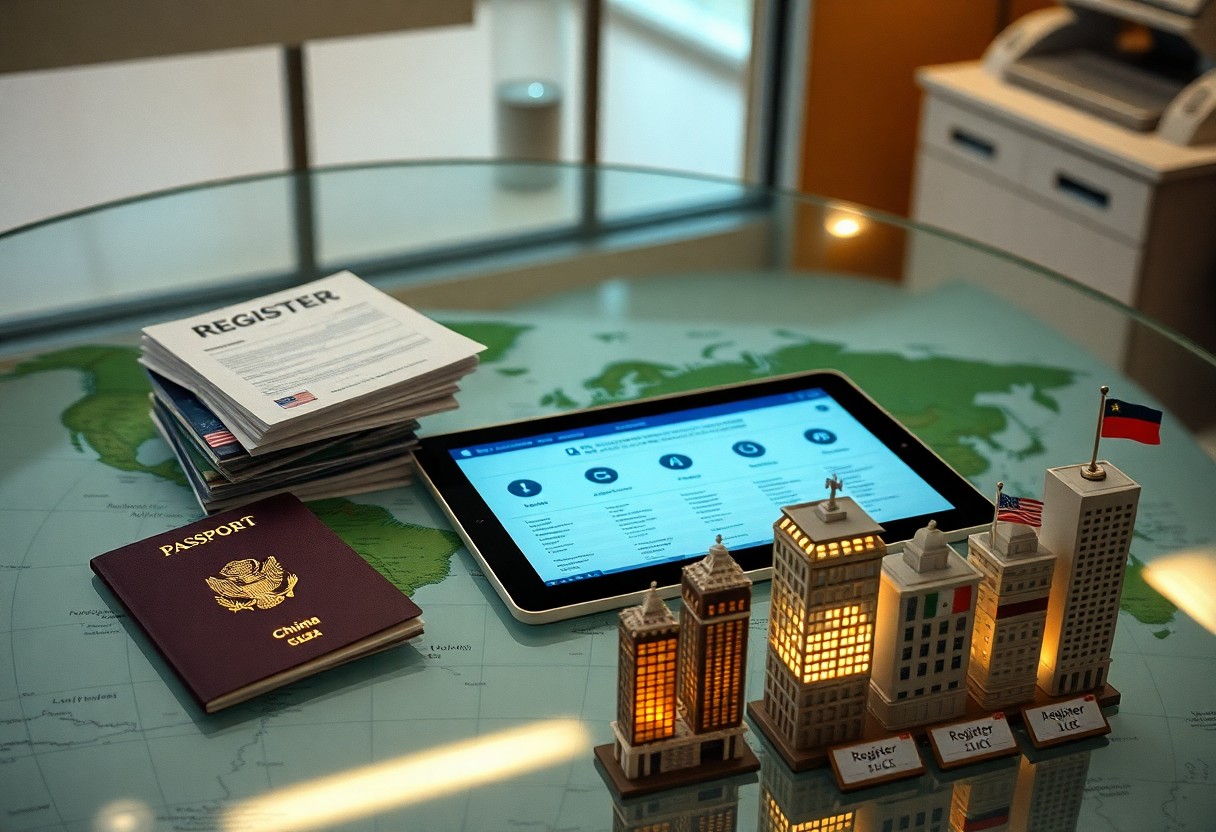
Just as every country has its unique landscape, so too does each culture have its distinct communication style and media landscape. Crafting press kits that resonate across borders requires an understanding of both universal and local preferences, enabling your message to transcend geographic boundaries. Here’s how to effectively create these imperative tools for global outreach.
Begin with a strong understanding of your audience. Research the countries or regions you wish to target, and gather insights into their media consumption habits, cultural preferences, and values. Language plays a significant role here; consider not only translation but also localization. This means adapting the message to preserve its meaning while making it relevant to the local audience. Utilize local experts or translators who understand the nuances of language and culture to avoid misinterpretations.
Craft compelling narratives that connect with your audience. While data and facts are imperative, storytelling often engages people more deeply. Share stories that showcase your brand’s mission and values, emphasizing how they align with the ideals or experiences of people in the target markets. Highlighting local success stories or testimonials can enhance relatability, creating an emotional connection that engages your audience.
Structure your press kit logically and include key components. Start with a press release that summarizes the imperative information. Follow this with your company background, which outlines your mission, vision, and history in a concise manner. Include product descriptions, high-resolution images, and any relevant multimedia content, ensuring that it is easily accessible and visually appealing. Facilitating easy downloads and alternative formats can also accommodate diverse media practices across regions.
Incorporate localization in imagery and graphics as well. Visual elements should reflect the local culture and resonate with the audience. This can range from using locally recognizable symbols to ensuring that any people depicted are representative of the community. Color choices and design elements can vary significantly in meaning across cultures—what might be considered appealing in one region could be offensive in another. Therefore, thorough research is imperative to prevent any cultural missteps.
Include contact information for local media representatives if possible. Having a designated point of contact within the target region adds a personal touch and builds trust with local journalists. These representatives understand the local media environment and can effectively manage inquiries, enhancing the chances that your press kit will receive the attention it deserves.
Finally, utilize technology to enhance accessibility. Provide digital versions of your press kit that can easily be shared through various channels. Social media platforms, email, and dedicated press sections on your website can all be effective for distribution. Make sure to monitor these channels and engage with your audience, responding to inquiries and feedback to keep the conversation alive.
In closing, writing effective press kits that resonate across borders is about blending universal themes with local relevance. By engaging with diverse cultures, respecting local customs, and crafting compelling stories, your press kit can effectively reach and resonate with audiences worldwide.