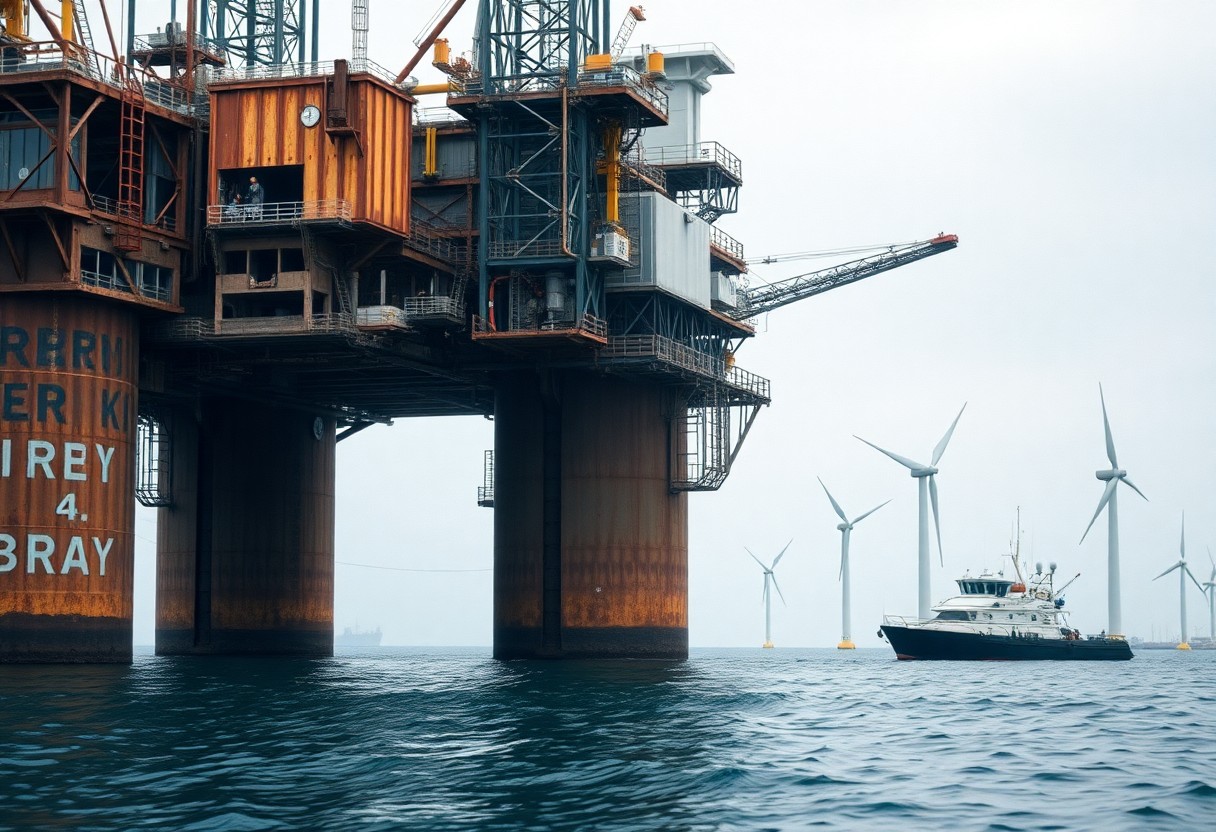
Offshore industry dynamics have shifted dramatically over recent years. As I analyze these changes, I see both challenges and opportunities that redefine how companies operate. Understanding this transformation is crucial for anyone involved or interested in the sector’s future.
The Iron and the Salt
The rigs that stood against the gale
Rigs once dominated the waters, symbols of strength facing treacherous storms. You could hear the metallic groans as they swayed, pushing against nature’s fury. These towering giants executed complex operations, defying the elements with determination.
Weathered stories of resilience emerged from these structures, unyielding despite severe conditions. I remember witnessing the teams, brave souls working tirelessly, ensuring safety while harnessing the ocean’s resources. Each storm became a testament to engineering and human spirit.
The men who knew the weight of the pipe
Men on the rigs possessed a deep understanding of the challenges that came with their work. Lines of heavy pipe, pivotal to the operation, required not just strength but also skill. You would see them expertly maneuver tubes, balancing both technique and instinct.
Each pipe carried the burden not just of weight but also of expectations. I often found that their efforts weren’t just about lifting; they were crafting a legacy of perseverance and knowledge in a challenging environment. Their grasp on the intricate details of operations transformed basic tasks into artful execution.
The Digital Ghost
Silicon replacing the heavy wrench
Technology now drives operations in ways that a decade ago seemed unimaginable. Software is taking over tasks once performed by skilled hands, optimizing processes and reducing human error. You can see this transformation in real-time data analytics, enhancing decision-making throughout the offshore industry.
Tools that once required a physical presence have transitioned into the digital domain. Operations run from remote locations or even on shore, ushering in a new era where employees may never touch equipment directly. Your role may often shift towards overseeing algorithms rather than wielding heavy machinery.
The loss of the human touch
With automation becoming the norm, I find that personal connections in the industry are diminishing. Reliance on algorithms and remote systems often sidelines the intuition and experience that human workers bring to the table. Your interactions with colleagues are increasingly mediated by screens, erasing the camaraderie that once fostered teamwork.
This shift not only impacts workplace morale but can also lead to oversights. When machines handle the heavy lifting, I worry that vital on-the-ground insights may get lost. Human judgment in unpredictable situations remains irreplaceable, as it often offers subtleties that data cannot capture. The transition towards automation, while efficient, leaves a void that can only be filled by human engagement.
The Shifting Tides of Power
New energy and the old guard
Emerging energy sources are challenging traditional players in the offshore sector. As renewables gain traction, the existing companies are forced to adapt or face decline. New technologies offer efficiencies that legacy methods struggle to match. Investors increasingly seek sustainable options, reshaping priorities across the industry.
Your strategies must evolve to accommodate this shift. While some established firms cling to fossil fuels, others are investing heavily in wind, solar, and other alternatives. This pivot could redefine who holds power in the offshore industry, affecting everything from profitability to employee talent acquisition.
The slow death of the wildcatter
Wildcatters once represented the adventurous spirit of the offshore world, seeking untapped resources in uncharted territories. Today’s tightening regulations and community scrutiny have diminished that allure. Once celebrated for their daring exploits, many find it increasingly difficult to secure financing and permits.
Innovative methods have replaced the thrill of chance in resource extraction. I watch as traditional oil exploration evolves into a more calculated approach, focusing on existing fields rather than risky ventures. The old breed of wildcatters is fading, retracing their steps towards more conservative business practices.
The relentless march of technology has rendered the wildcatter’s gamble less appealing. Advanced data analytics and seismic imaging allow companies to know precisely where to drill, mitigating the unpredictability that defined earlier generations. As a result, the romanticized image of the rugged individualist is giving way to a more corporate, data-driven model. This evolution reshapes not just the industry, but the culture surrounding it.
The Cost of the Deep
Money spent in the dark
Investment in offshore projects now feels like throwing money into the abyss. You’re not just funding operations; you’re financing uncertainty. Costs can skyrocket without clear visibility into the potential return, making budgeting a perilous act.
Many operators find themselves trapped in a cycle of escalating expenses. Each attempt to enhance technology and safety measures further inflates the bottom line, leaving little faith in the promise of lucrative returns.
Risks that no longer pay
Past ventures into deepwater exploration once offered high rewards, but today’s reality is starkly different. With fluctuating oil prices and stringent regulations, I see fewer incentives for companies to pursue high-risk projects.
Even seasoned players recognize that the rewards often do not justify the stakes involved. Each setback feeds a growing skepticism about whether risks can ever lead to significant payoffs.
The risks associated with deepwater drilling have shifted dramatically. Where you once found assurances in long-term profitability, today’s landscape features unpredictable outcomes largely dictated by external factors. Investment choices feel more like gambling, leading many to question the wisdom of entering high-risk projects.
The Quiet Deck
Automation in the North Sea
Automation has transformed operations in the North Sea, enhancing efficiency and safety. Systems now allow for remote monitoring and control of platforms, minimizing the need for a large workforce on-site. This shift significantly reduces operational costs and the risks associated with manual labor.
With advanced technologies such as AI and machine learning, I can oversee drilling and production processes with unprecedented precision. You’ll find it fascinating how these innovations are reshaping daily routines in the industry, offering a glimpse into a future where human intervention is limited.
The End of the Roughneck Era
Changes in the offshore industry have gradually diminished the role of roughnecks, the once-vibrant heart of drilling operations. Automation and new technologies have streamlined tasks that were historically labor-intensive. I’ve witnessed firsthand how this evolution impacts not just the workforce, but also the culture of camaraderie that once defined the job.
This transition means fewer hands on deck and a greater reliance on technology. While some seasoned workers may view this shift with nostalgia, younger generations are adapting rapidly, embracing the tools that redefine oil extraction. The camaraderie that characterized roughneck life is now replaced by a focus on collaboration with machines rather than fellow workers.
The Horizon Ahead
What Stays When the Oil Leaves
Jobs remain a fundamental aspect of the offshore industry, even as oil production wanes. Workers are transitioning to roles that support renewable energy sources, such as wind and solar. Skills developed in oil extraction are transferrable, allowing you to pivot into emerging markets and stay relevant.
Communities built around offshore drilling face challenges but also opportunities for innovation. Investment in alternative energy and infrastructure can provide new avenues for growth, ensuring that your local economy continues to thrive even as the oil industry transforms.
The Final Haul
Insights gathered from my experience reveal that the last phases of oil extraction present unique challenges and opportunities. Decommissioning rigs and restoring marine environments require expertise, fostering a demand for skilled workers in these new fields.
Energy companies are focusing on sustainable practices during the final stages of extraction. This shift includes responsible removal of equipment and ensuring that past impacts are mitigated, promoting a healthier future for the oceans.
The process of decommissioning goes beyond simply shutting down operations. It involves meticulous planning and investment to clean up former drilling sites, restore ecosystems, and transition to sustainable energy practices. By embracing this change, your involvement can lead to groundbreaking advancements in environmental stewardship while securing new career paths in a rapidly evolving industry.
Conclusion
From above, it’s clear that the offshore industry has undergone significant changes in recent years. I observe shifts in technology, regulation, and market dynamics that have transformed operations and strategies. You may find that traditional practices are being challenged by environmental concerns and economic pressures.
These developments require adaptability and innovation. If you are involved in the sector, understanding these trends is necessary for your future success. I encourage you to reconsider how these changes can shape your strategies and impact your approach to offshore ventures.
Q: What are the main reasons the offshore industry has changed?
A: Several factors have contributed to the changes in the offshore industry. Economic fluctuations have led to fluctuating demand for oil and gas. Environmental regulations have become stricter, prompting companies to adopt more sustainable practices. Technological advancements have also shifted the methods of exploration and production, making operations more efficient but sometimes reducing the workforce.
Q: How have environmental concerns impacted the offshore industry?
A: Environmental concerns have significantly altered operational practices within the offshore industry. Increased awareness of climate change has led to greater scrutiny of fossil fuel extraction and production methods. Companies now invest in clean technologies and renewable energy sources to align with global sustainability goals, affecting traditional business models.
Q: What is the future outlook for the offshore industry?
A: The future of the offshore industry appears to be focused on innovation and adaptability. As demand for renewable energy grows, offshore wind farms and other alternative energy projects are gaining importance. Traditional offshore oil and gas operations will likely continue but with an emphasis on reducing environmental impact and improving technological integration for efficiency.