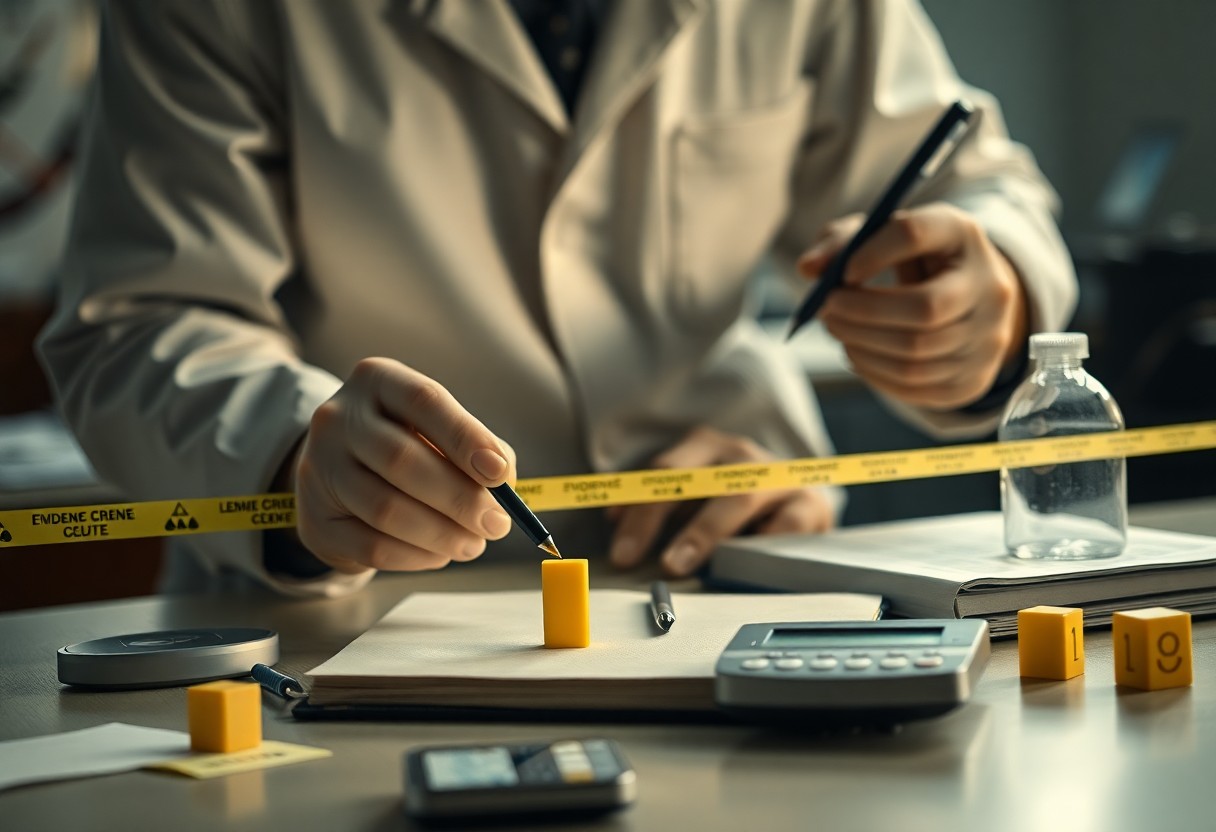
With the complexities inherent in forensic investigations, the need for meticulous reporting becomes paramount. Forensic reporting involves documenting evidence and analysis with exactitude to uphold legal validity and ensure justice is served. Rushed or careless documentation can lead to critical oversights, jeopardizing cases and potentially leading to wrongful conclusions. By emphasizing patience and precision, forensic professionals can maintain the integrity of their findings, ultimately preserving the accuracy necessary for reliable outcomes in the judicial process.
Key Takeaways:
- Forensic reporting involves detailed investigations that often require prolonged analysis to ensure accuracy.
- Precision in documentation and analysis is necessary to support legal proceedings and maintain credibility.
- Rushing through reports can lead to errors, undermining the integrity of the findings and their use in judicial contexts.
The Importance of Patience in Forensic Reporting
In forensic reporting, taking the time to analyze evidence meticulously often leads to more accurate conclusions. Rushing through the investigative process can obscure vital details, skewing findings. For example, delays in processing evidence might initially seem detrimental, yet they can prevent hasty assumptions, allowing investigators to acquire the complete picture before drawing conclusions.
Attention to Detail
Meticulous attention to detail is vital in forensic reporting. Small discrepancies can alter the outcome of an investigation significantly; even a single overlooked piece of evidence can change a case’s trajectory. A forensic analyst must scrutinize every element of the evidence, ensuring clear and precise documentation that withstands scrutiny during trials.
Time Management in Investigations
Effective time management plays a pivotal role in the success of forensic investigations. Allocating sufficient time for analysis while also adhering to deadlines ensures that the quality of findings remains uncompromised. Poor time management can force analysts to make hasty decisions, potentially leading to errors that affect the justice process.
In an environment where the accuracy of reports can mean the difference between conviction and acquittal, the challenge lies in balancing thoroughness with time constraints. For instance, a forensic team might face a tight deadline for presenting evidence in a trial. Rather than condensing their work, a well-structured timeline can allow teams to identify critical milestones while maintaining depth in analysis, ensuring every piece of evidence is carefully evaluated before submission. This strategy not only bolsters the integrity of the investigation but also builds confidence in the judicial process.
Precision in Data Collection
Data collection in forensic investigations demands unwavering precision to ensure findings are reliable and legally defensible. Each detail, from the chain of custody to the method of evidence collection, plays a pivotal role. A single error can compromise an entire case, highlighting the necessity for thoroughness in every phase of data gathering. Employing standardized protocols and cross-referencing information are crucial steps in maintaining accuracy as investigators strive to construct a comprehensive narrative from fragmented evidence.
Accurate Documentation Practices
Thorough documentation is paramount in forensic reporting, serving as the backbone of the investigative process. Every observation, decision, and piece of evidence must be recorded meticulously, including timestamps, locations, and personnel involved. Inadequate documentation can lead to misinterpretations during legal proceedings, potentially jeopardizing the integrity of the investigation. By adhering to strict documentation protocols, forensic professionals create a transparent, verifiable record that supports their findings and conclusions.
Utilizing Technology for Precision
The integration of advanced technology significantly enhances precision in forensic data collection. Tools such as digital photography, 3D scanning, and automated software for data analysis allow forensic experts to capture and analyze evidence with unparalleled accuracy. These technologies minimize human error, streamline processes, and increase the reliability of results presented in court. Implementing these innovations is not just a benefit but an crucial evolution in the field of forensics.
For instance, digital photography ensures every detail of a crime scene is captured in high resolution, while 3D scanning can recreate an accurate representation of the environment where events unfolded. Software programs that utilize algorithms for trace evidence analysis can quickly compare and contrast findings against large databases, highlighting anomalies that might go unnoticed through manual analysis alone. Such technology not only enhances the precision of data collection but also promotes thorough, unbiased analyses, thereby strengthening the overall quality of forensic reporting.
The Consequences of Imprecise Reporting
Imprecise reporting in forensic investigations can lead to severe consequences, undermining legal integrity and the quest for justice. Errors in documentation or analysis can result in wrongful convictions, which not only devastate innocent lives but also strain resources within the legal system. The consequences extend beyond individual cases, risking public confidence in the justice system and the validity of forensic science overall.
Legal Ramifications
Inaccurate forensic reporting can lead to significant legal repercussions, including the dismissal of cases, retrials, and appeals. When evidence is misrepresented or mishandled, it threatens the foundation of a case. Courts may question the admissibility of such evidence, which could lead to wrongful acquittals or convictions and severe repercussions for the individuals involved, including potential disciplinary actions against forensic professionals.
Impact on Victims and Societal Trust
The fallout from imprecise forensic reports deeply affects victims and erodes societal trust in the justice system. Distorted evidence can leave victims without closure, while the public may lose faith in the ability of law enforcement to protect and serve. When the integrity of forensic findings is compromised, it undermines the entire judicial process, leading to a culture of skepticism and fear.
This impact is particularly evident in high-profile cases where wrongful convictions capture national attention, significantly affecting victim families and the community. For instance, the case of the West Memphis Three highlighted how unreliable forensic evidence can lead to public outcry and a demand for reform. When society perceives that justice is not served justly, it can dampen cooperation with law enforcement and create barriers to solving crimes, further complicating the pursuit of justice. Accurate forensic reporting, therefore, is not just about individual cases; it is vital for maintaining trust in the legal system as a whole.
Best Practices for Forensic Report Writing
Effective forensic report writing hinges on clear communication, structured methodologies, and diligent attention to detail, ensuring findings support legal processes. Best practices include adopting standardized formats, engaging in thorough peer reviews, and constant collaboration among forensic experts, which ultimately enhances the reliability and acceptability of the reports in court.
Templates and Standardization
Utilizing templates and standardized procedures significantly streamlines the report writing process, reducing variability and enhancing clarity. By adhering to recognized formats, forensic professionals can ensure that critical information is consistently presented, making it easier for other stakeholders, including legal teams and judges, to comprehend findings and observations efficiently.
Peer Review and Collaboration
Engaging in peer review fosters a culture of accuracy and accountability, as colleagues analyze reports for errors or inconsistencies before a final submission. Collaborative efforts can elucidate potential oversights, improving the quality of forensic documentation and ensuring that multiple expert perspectives bolster the conclusions drawn.
Peer review and collaboration are fundamental in forensic reporting, as they not only provide checks and balances but also promote collective wisdom among professionals. For instance, a study indicated that reports vetted by multiple peers saw a 30% decrease in errors compared to solo-written reports. Collaborative discussions during the review process allow for diverse interpretations of data and methodologies, leading to a more robust report and helping experts align on findings that support legal frameworks effectively. This practice enhances the credibility of the report and ultimately aids in court proceedings, showcasing the weight of collective expertise in forensic science.
Ongoing Training and Development
Forensic professionals must engage in continuous training to keep pace with advancements in technology, methodologies, and legal standards. Regular workshops, online courses, and certifications are imperative to ensure that forensic analysts are equipped with up-to-date skills and knowledge. This commitment to ongoing education not only enhances individual competency but also improves the overall integrity and reliability of forensic reporting.
Skills Enhancement for Professionals
Skills enhancement is key in a field where precision is paramount. Programs focusing on advanced data analysis, forensic science techniques, and report writing can significantly elevate a professional’s ability to deliver thorough and reliable findings. Regular participation in skill-building initiatives fosters an environment of growth, allowing practitioners to adapt to evolving challenges in forensic investigations.
The Role of Mentorship in Forensics
Mentorship plays a pivotal role in shaping the next generation of forensic professionals. Experienced mentors provide guidance, share valuable insights, and help less experienced analysts navigate complex cases. This relationship encourages the exchange of knowledge and techniques that are vital for fostering a culture of excellence in forensic science.
Mentorship involves structured interactions where seasoned forensics professionals impart their knowledge through practical experiences and case reviews. For instance, a mentor might guide a junior analyst through the nuances of interpreting DNA evidence, highlighting common pitfalls and best practices from real-life cases. This hands-on approach not only accelerates professional development but also instills confidence and a greater understanding of the intricate details that forensic reporting demands. By fostering a supportive learning environment, mentorship ultimately enhances the quality of forensic investigations and outcomes.
Summing up
With this in mind, effective forensic reporting demands a balance of patience and precision. The intricacies of evidence analysis, attention to detail, and thorough documentation are imperative in ensuring that findings are accurate and reliable. Forensic professionals must meticulously navigate complex data and present it clearly, as any oversight can compromise the integrity of a case. Ultimately, the commitment to methodical practices not only enhances the credibility of forensic reports but also upholds the principles of justice within a legal context.
FAQ
Q: Why is patience important in forensic reporting?
A: Patience allows forensic professionals to thoroughly analyze evidence without rushing, ensuring that all details are accurately documented and considered in the investigation.
Q: How does precision impact the quality of forensic reports?
A: Precision ensures that every detail is exact, which is vital for maintaining the integrity of the evidence and supporting findings during legal proceedings.
Q: What risks are associated with a lack of patience in forensic work?
A: A lack of patience can lead to hasty conclusions, overlooked evidence, and potential errors in analysis, which could compromise the investigation’s outcomes.
Q: In what ways does attention to detail benefit forensic reporting?
A: Attention to detail enhances the accuracy of observations, interpretations, and recommendations, ultimately strengthening the case and its acceptance in court.
Q: How can forensic professionals develop better patience and precision in their work?
A: Professionals can develop these skills through ongoing training, structured practice, and adopting systematic approaches to evidence collection and analysis.