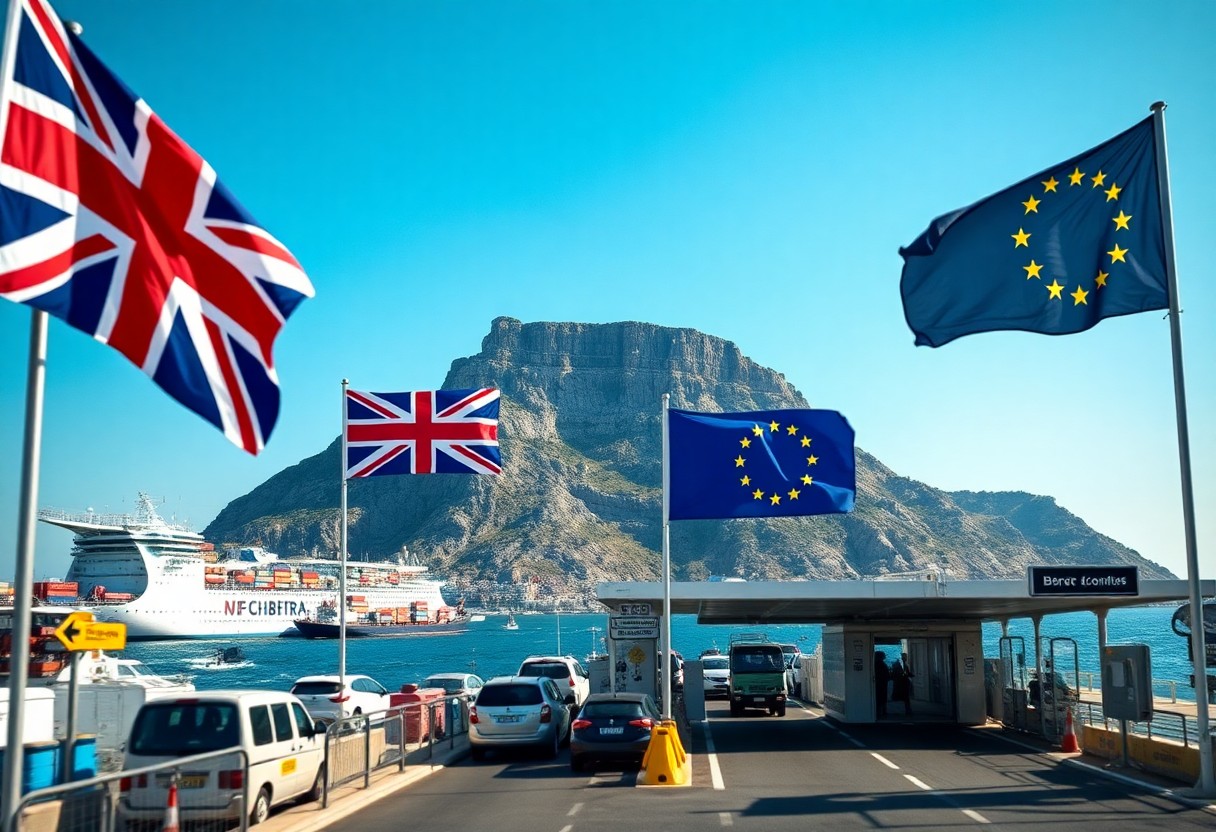
Over the years, Gibraltar has maintained its significance in various geopolitical and economic contexts, but the recent shifts brought on by Brexit have prompted a reevaluation of its status. This British Overseas Territory, with its strategic location at the entrance of the Mediterranean, continues to face challenges and opportunities in a rapidly changing landscape. In this blog post, we will explore Gibraltar’s current relevance, examining its political tensions, economic prospects, and potential future as the world adapts to new realities following the UK’s departure from the European Union.
A Historical Perspective on Gibraltar’s Strategic Importance
The Military Significance Through the Ages
Since ancient times, Gibraltar has been a key military outpost, most notably due to its geographic position at the entrance to the Mediterranean Sea. This natural fortress allows for visibility and control over naval passage, making it an invaluable asset during conflicts. The Romans recognized its potential, establishing a settlement that would later evolve into a prominent military installation. As the centuries progressed, the British seized Gibraltar in 1704, firmly integrating it into their naval strategy, especially during the 18th and 19th centuries when controlling sea routes was vital for empire-building.
Throughout the two World Wars, Gibraltar’s strategic value escalated, serving as a critical refueling and resupply station for Allied ships and submarines. In World War II, the Rock hosted thousands of troops and served as a vital headquarters for operations in the Mediterranean, showing its enduring relevance in global military strategy. The 1970s and 1980s marked another era of military emphasis as NATO placed importance on this region as part of its collective defense strategy against the Eastern Bloc, underscoring the need for secure maritime routes.
Gibraltar as a Trade Hub in Mediterranean History
The evolution of trade in the Mediterranean has seen Gibraltar emerge as a vital hub connecting diverse cultures and economies. Its strategic location transformed it into a point of transit for goods and services, facilitating commerce between Europe, Africa, and the Middle East. During the Middle Ages, the Rock thrived as a trading port, with merchants from various backgrounds, including Arab, Jewish, and Christian traders, exchanging spices, textiles, and precious metals.
A notable period was the late 19th century when steamships revolutionized maritime trade. Gibraltar became synonymous with freight transportation, drawing in commercial interests due to its natural deepwater harbor, which allowed large vessels to dock safely. The extensive network of trade routes established during this time continues to mark the economic relevance of Gibraltar, evidenced today by its thriving port facilities and services catering to international maritime traffic, including cruise ships and cargo lines.
In essence, Gibraltar’s historical role as a trade hub laid the groundwork for its contemporary economic activities, proving that its position has not only been about military might but also about fostering intercontinental commerce that still bears significance in a modern context. The ongoing commitment to enhancing its port services reflects a continuing legacy that can be traced back to its earliest days as a crossroads of trade in the Mediterranean.
The Brexit Tidal Wave: What Changed?
The Status of Gibraltar Pre-Brexit
Before Brexit, Gibraltar enjoyed a unique position as a British Overseas Territory, benefiting from its close relationship with the European Union. Its residents were EU citizens, enjoying freedom of movement and access to the internal market. Gibraltar’s economy thrived on tourism, online gambling, and financial services, with an unemployment rate of just 3% in 2020. Despite its small size, approximately 32,000 residents, Gibraltar’s strategic location at the entrance of the Mediterranean made it a focal point for trade and military presence, particularly for the UK. The Rock was not only a bustling tourist destination but also a strategic naval base, emphasizing its dual importance in both commerce and defense.
Gibraltar’s integration with Spain further complicated the territory’s status. Cross-border movement for work and leisure saw thousands of workers commuting from Spain, which bolstered the local economy. This bi-national dynamic was underscored by cultural ties and habitual interactions between Gibraltarians and Spaniards. Despite tensions over sovereignty claims from Spain, Gibraltar managed to maintain a level of stability through its unique status, underscored by its own constitution and governance under the watchful eye of the British Crown.
New Dynamics Post-Brexit: Challenges and Opportunities
Post-Brexit, Gibraltar found itself in uncharted waters. The decision to leave the EU altered the landscape significantly, invoking fresh challenges regarding border control, trade agreements, and the dual nationality of its residents. The 1,200-meter border with Spain became a focal point of contention, provoking concerns about increased checks and delays, which could disrupt the thousands of daily crossings. This uncertainty prompted fears about economic repercussions, particularly in sectors reliant on cross-border employment and the influx of Spanish visitors, who contribute substantially to Gibraltarian businesses.
Nevertheless, Brexit also ushers in potential opportunities for Gibraltar. The territory has the chance to negotiate its own trade arrangements, potentially diverging from EU constraints and tailoring agreements that best serve local needs. This can transform Gibraltar into an appealing hub for international businesses looking for a gateway to Europe outside EU regulations. Legislative adjustments aligning with global standards for tax and digital services could also bolster its competitive edge. Additionally, Gibraltar could leverage its position as a financial services center, attracting firms that seek a stable regulatory environment while navigating post-Brexit uncertainties.
Engaging with international stakeholders will be pivotal as Gibraltar navigates these new dynamics. Proactive diplomatic efforts to negotiate agreements with both the UK and EU will be crucial for maintaining favorable trading conditions. The territory’s government has expressed optimism for future relations, focusing on fostering a cooperative relationship with Spain. By maintaining the strategic significance it has historically held, Gibraltar can explore innovative pathways for growth, turning the challenges of Brexit into unique opportunities for sustainable economic development.
Economic Ramifications for Gibraltar: A Balancing Act
Trade Relations with the EU
Changes in Gibraltar’s trade dynamics following Brexit have forced a reevaluation of its longstanding relationships with European Union nations. Before Brexit, the border with Spain operated relatively fluidly, enabling goods and services to flow without significant barriers. Now, the imposition of new customs checks and regulatory requirements has created friction. For instance, Gibraltar’s exports to the EU, especially around the industries of shipping and bunkering—where it has been a significant maritime hub—face more stringent regulations. This shift potentially raises the cost of doing business, challenging Gibraltar’s competitive edge in these markets.
Moreover, the European Union represents a vital market for Gibraltar’s goods, particularly in areas like pharmaceuticals and e‑commerce. The loss of seamless access may prompt local businesses to explore alternative markets or reevaluate their supply chains. Amidst these changes, the ability for Gibraltar to renegotiate terms or seek new trade agreements will be vital for sustaining its economic footprint on the continent.
The Impact on Tourism and Financial Services
Tourism accounts for a significant portion of Gibraltar’s economy, drawing millions of visitors yearly, with cruise ship arrivals being a major contributor. The uncertainty post-Brexit about travel regulations, border control, and potential visa requirements could deter potential visitors from the UK, which has been the primary source of tourists. Any decline in foot traffic could affect local businesses reliant on tourist spending. In contrast, Gibraltar’s unique position, combined with its warm climate and rich history, will continue to appeal to travelers who seek an easy escape from the mainland, particularly if travel arrangements are clearly defined and streamlined.
Financial services also stand at a critical juncture post-Brexit. Gibraltar has positioned itself as an attractive offshore finance center with a robust regulatory framework designed to align with international standards. However, the potential for diminished access to the EU financial markets poses a threat to its banking and insurance sectors. Financial institutions may need to ensure compliance with both UK and EU regulations, potentially leading to an increase in operational costs. This balancing act will require increased investment into regulatory frameworks and possibly attract new clients from non-EU countries seeking stable offshore services.
Gibraltar’s Unique Political Landscape
Autonomy within the British Isles
Gibraltar’s governance is characterized by a high degree of autonomy compared to many other British Overseas Territories. The territory is self-governing under the 2006 Constitutional Order, which grants it control over internal affairs while the UK retains responsibility for defense, foreign policy, and internal security. This arrangement allows Gibraltar to enact laws focused on local issues such as education, healthcare, and environmental protection. More than 30,000 Gibraltarians are estimated to have participated in the 2020 election—representing a vibrant democratic engagement that reflects its distinct identity within the UK.
The landmark referendum in 2002, where Gibraltarians overwhelmingly chose to remain British rather than cede sovereignty to Spain, demonstrates the strong sentiment towards self-determination. The local government continues to emphasize its unique position as both British and European, navigating its complex identity in the aftermath of Brexit. This autonomy not only positions Gibraltar as a local hub for governance but also empowers its residents to tackle issues pertinent to their society directly.
The Role of Gibraltar in British Foreign Policy
Strategically located at the entrance to the Mediterranean, Gibraltar plays an integral role in the UK’s broader foreign policy agenda. The territory’s naval base serves as a critical asset for British military operations, providing support and logistical capabilities in the region. Agreements between the UK and Spain, often including Gibraltar as a point of negotiation, demonstrate the territory’s significance in maintaining bilateral relations and managing trade considerations post-Brexit.
Furthermore, Gibraltar’s strategic position allows it to facilitate key diplomatic engagements on international platforms. The British government often leverages its control and agreements in Gibraltar to reinforce its presence in Mediterranean politics and to showcase British commitment to sovereignty, especially in light of pressing territorial disputes with Spain. Gibraltar’s participation in international dialogues on security and maritime sovereignty further assures its place on the global stage, reflecting its importance in British diplomatic objectives.
The Fight for Gibraltar: National Identity and Sovereignty
The Spanish Claim: A Historical Context
The dispute over Gibraltar dates back to the Treaty of Utrecht in 1713, which ceded the territory to Britain in perpetuity. This historical context is fundamental to understanding the ongoing claims made by Spain, which argues that Gibraltar is a colonial remnant inconsistent with self-determination principles upheld by international law. National pride and historical narratives fuel these claims, with many Spaniards viewing Gibraltar as an extension of their homeland that was unjustly taken. The legacy of the 300-year-old dispute has shaped regional and national conversations about identity and sovereignty, embedding a strong emotional component within the narrative surrounding Gibraltar.
Spain’s claim to Gibraltar has been further bolstered by the rise of nationalist sentiments both regionally and throughout the country. Calls for reclamation have intensified at times of political turbulence, reflecting wider sentiments about national identity in a post-colonial era. This ongoing claim is further complicated by Gibraltar’s strategic military importance and its location at the crossroads of the Atlantic and Mediterranean, leading to continued tensions in relations between the UK and Spain. The calls for negotiation and dialogue often echo in the Spanish government’s rhetoric, asserting that the issue is still relevant and deserving of international attention.
Gibraltarians’ Perspective on Self-Determination
The people of Gibraltar have consistently and overwhelmingly expressed their desire to remain a British Overseas Territory. A referendum held in 2002, in which over 99% voted against a proposal for shared sovereignty with Spain, underscored the strong attachment Gibraltarians feel towards their British identity. This sentiment is rooted in a complex identity that balances local pride as Gibraltarians with allegiance to the British monarchy. The notion of self-determination is not merely political; for many residents, it is interwoven with their cultural and historical narratives, shaping their everyday lives in profound ways.
Gibraltarians have repeatedly articulated their stance on self-determination through political activism and public discourse. The Gibraltar Government, under the leadership of the Chief Minister, has made it clear that any decisions regarding sovereignty will only come through the will of the people, demonstrating a resolute commitment to reflecting their constituents’ desires. The 2016 Brexit vote also reignited discussions about identity, with Gibraltarians expressing an overwhelming desire to remain aligned with the UK, showing that their collective identity interlinks deeply with their choice to remain British, irrespective of external pressures. This steadfast commitment to self-determination exemplifies how Gibraltarians view both their heritage and their future as distinctly tied to Britain, not Spain.
Navigating New Borders: The Customs Challenge
Border Control Post-Brexit: What Lies Ahead?
As the UK and EU adjusted their post-Brexit frameworks, Gibraltar found itself in a unique position, grappling with new border control measures. The Transition Agreement, which allowed for a temporary arrangement, posed both challenges and opportunities for the Rock. With physical borders established, customs checks expect to become the norm, impacting the once-casual flow of people and goods. Authorities estimated an increase in processing times, which could lead to congestion at the border, particularly during peak times when workers and tourists alike cross into Spain. Authorities on both sides are under pressure to devise efficient systems to mitigate delays while ensuring compliance with new regulations.
Preparations for the implementation of customized checks and controls are underway, but the effectiveness of these measures remains to be seen. Recent negotiations have aimed to establish a more streamlined approach in an effort to balance security concerns with the economic realities of cross-border commerce. What could arise is a hybrid model that speeds up customs processes while still ensuring adherence to new trade agreements and regulatory standards, allowing both Gibraltarians and their Spanish counterparts to navigate the complications that have emerged from the Brexit fallout.
Cross-Border Movement and Its Implications
The impact of new customs regulations extends far beyond mere logistics; it significantly affects daily life for those who routinely cross the border from Spain into Gibraltar for work or leisure. At the peak of pre-Brexit migration flows, around 15,000 people traveled daily across the border. This vibrant cross-border community could see a transformation in their routine as new checks might lead to longer wait times and additional paperwork. The local economy, heavily dependent on this workforce, faces the risk of disruptions that could emerge if commuting becomes cumbersome or restricted.
Dynamic interactions—whether for personal or professional reasons—aren’t simply affected by new tariffs; they reflect the social fabric between Gibraltar and its neighbors, comprising intertwined relationships that have been cultivated over decades. A successful protocol must preserve this camaraderie while ensuring that economic activities remain viable in the face of potential delays and complications. Creating a balanced approach to future border regulations will be key to maintaining the region’s stability, allowing it to embrace the challenges posed by these new customs realities, while also enhancing cooperation with Spain to foster a smoother cross-border experience going forward.
The EU’s Relationship with Gibraltar: A Double-Edged Sword
Continued Access to European Markets
The complexity of Gibraltar’s economy hinges significantly on its relationship with European markets, particularly in sectors such as finance, gaming, and tourism. The territory managed to secure a unique position in negotiations, allowing continued access to the EU market under certain conditions. For financial services, Gibraltar offers a favorable regulatory environment, prompting many European firms to establish or maintain operations there to access the vast EU market. In 2021 alone, Gibraltar’s financial services sector accounted for approximately 15% of its GDP, illustrating the importance of this access.
Moreover, Gibraltar’s flourishing online gaming industry has found a natural ally in its EU ties. With nearly 20 licensed operators in the territory, Gibraltar became a significant hub for online gambling, thanks to its attractive tax regime and regulatory framework. The ability to offer services across the EU has kept this sector vibrant, but the future remains contingent on the administrative relationships established post-Brexit. Any shifts in access could alter market dynamics and force businesses to rethink their operational strategies.
Regulatory Changes and Compliance
Navigating regulatory changes remains a challenge for Gibraltar as it seeks to align itself with both the UK and EU frameworks. The divergence of standards could create notable hurdles for businesses operating in the territory, particularly those with interests spanning both jurisdictions. For instance, the shift in regulatory frameworks might lead to an increased compliance burden, placing small and medium-sized enterprises at a disadvantage compared to their larger counterparts.
As Gibraltar strives to maintain regulatory alignment that satisfies both the EU and the UK, certain industry sectors could witness more stringent compliance requirements. The finance sector, for example, is navigating new guidelines concerning anti-money laundering (AML) and counter-terrorism financing (CTF) that align with EU regulations, which may not entirely match the UK’s evolving standards. This dissonance creates uncertainty and could complicate cross-border operations, as firms must negotiate a landscape dotted with differing regulatory expectations.
Businesses may find themselves faced with the practical implications of increased documentation, reporting obligations, and adaptations to their internal compliance policies. As Gibraltar emerges from Brexit, the territory must carefully balance maintaining beneficial relationships with both the EU and the UK to preserve its status as an attractive business environment. This will require ongoing dialogue and adaptation, ensuring that regulatory changes do not undermine Gibraltar’s competitive advantages.
The Future of Employment in Gibraltar
Sectors Most Affected by Brexit
Brexit’s impact on Gibraltar’s employment landscape has revealed pronounced vulnerabilities, particularly in sectors that relied heavily on seamless cross-border movement. The finance and gaming industries, pillars of Gibraltar’s economy, face uncertainty with new regulatory landscapes. The gambling industry, which saw a peak employment rate of around 2,500 in 2019, now grapples with evolving regulations and potential restrictions limiting access to the wider European market. Recruitment challenges have emerged as British firms in Gibraltar reconsider their workforce strategies to maintain compliance with EU standards, potentially leading to job losses in one of the Rock’s primary revenue-generating sectors.
The tourism sector also bears the brunt of Brexit’s ramifications. Tourists from the EU represent a significant percentage of visitors to the Rock, and with new travel restrictions and potential tariffs, this sector may witness declines in footfall and spending. Gibraltar’s tourist numbers reached approximately 12 million in recent years, but uncertainty surrounding travel may affect the flow of visitors, consequently impacting jobs in hospitality, retail, and tourism services that employ a substantial number of the local workforce.
Adapting the Workforce to New Economic Realities
As Gibraltar confronts the challenges posed by Brexit, workforce adaptability becomes paramount. With potential job losses in key sectors, retraining and reskilling programs are important for preparing employees to transition into emerging industries. The government and local businesses are exploring partnerships with educational institutions to develop training initiatives aimed at upskilling workers in industries such as technology, cybersecurity, and renewable energy, which present new employment avenues. For instance, the growth of online financial services has spurred a demand for skilled IT professionals, prompting efforts to cultivate a talent pool adaptable to both current and future market needs.
Investment in education and skills development will be vital for maintaining Gibraltar’s competitive edge. Collaborations with tech firms and startups, especially those focusing on innovation and regulatory technology, can provide apprenticeships and internships, enhancing employability for younger generations. Beyond immediate job loss concerns, fostering a versatile workforce may serve to not only stabilize the local economy but also attract foreign investment as businesses seek locations with skilled labor forces adept in navigating the complexities of a post-Brexit economic landscape.
Offshore Identity: Gibraltar’s Financial Services in Focus
The Challenges of Banking and Regulation
The banking landscape in Gibraltar is currently facing a series of challenges, particularly in the wake of Brexit. One of the most significant hurdles stems from the shifting regulatory framework that affects cross-border financial services. The UK’s departure from the European Union altered the dynamics of how Gibraltar banks operate, introducing potential complications regarding access to the EU market. Financial institutions in Gibraltar must now navigate an intricate landscape of new regulations that may increase compliance costs and limit operational flexibility. For instance, obtaining necessary certifications or licenses for various financial products could become more cumbersome, discouraging new players from entering the market.
Additionally, Gibraltar’s reputation as a stable offshore financial center is being tested by increasing global scrutiny on tax havens and money laundering practices. The recent emphasis on transparency has placed pressure on local banks to conform to international standards while also meeting the demands of clients who expect confidentiality. A series of high-profile investigations against offshore entities across the globe underscore the critical need for Gibraltar to enhance its regulatory frameworks and reinforce its commitment to compliance to maintain its appeal as a safe harbor for financial operations.
Emerging Opportunities in a Dynamic Landscape
Despite the challenges, Gibraltar’s financial services sector is poised for growth, especially in niche markets that cater to specific needs. The jurisdiction has been proactive in promoting its robust framework for fintech innovations, particularly in the areas of cryptocurrencies and blockchain technology. With governments worldwide still grappling with the implications of these advancements, Gibraltar is emerging as a forward-thinking hub that offers a conducive environment for fintech startups. The Gibraltar Financial Services Commission (GFSC) has implemented a regulatory framework tailored specifically for distributed ledger technology, inviting numerous businesses to establish themselves on the Rock.
The appeal of Gibraltar extends beyond just fintech; it is also pivoting towards insurance and online gaming markets. The unique tax structure, partnered with a progressive regulatory environment, allows businesses in these sectors to thrive while attracting international clients seeking stability. Moreover, strong relationships with neighboring jurisdictions position Gibraltar as an appealing alternative for companies looking for a gateway into Europe without sacrificing operational advantages. This initiative not only showcases the resilience of Gibraltar’s financial landscape but also highlights its adaptability in turning potential setbacks into opportunities for expansion.
Cultural Conundrums: Identity in Transition
The Multicultural Fabric of Gibraltar
Gibraltar’s unique position as a British Overseas Territory at the southern tip of the Iberian Peninsula has fostered a vibrant multicultural environment. With a population comprising diverse communities, including Gibraltarians, Spaniards, Moroccans, and British expatriates, the territory pulses with a rich tapestry of cultures. The influence of each group is reflected in the local cuisine, festivals, and daily interactions, creating an inclusive atmosphere that celebrates harmony amidst diversity. One notable example is the National Day, celebrated every September 10th, where Gibraltarians of all backgrounds come together to showcase their pride and unity through parades, music, and cultural exhibitions.
Additionally, the coexistence of English and Spanish speakers further highlights the cultural blend. It’s common to hear “Llanito,” a beloved local dialect that incorporates English, Spanish, and elements of other languages, spoken in the streets. This linguistic fusion not only enriches communication but also serves as a symbol of Gibraltar’s unique identity, making it crucial for residents to embrace their multifaceted heritage in a post-Brexit world.
The Role of Language and Heritage in Post-Brexit Identity
Language plays an integral part in the narrative of identity for Gibraltarians, especially as the region navigates the complexities following Brexit. The linguistic dominance of English, accompanied by the incorporation of Spanish and the distinctive Llanito dialect, echoes the territory’s historical ties while allowing for a seamless blending of cultural influences. This linguistic legacy is necessary in shaping the local identity and promoting cohesion among the diverse communities residing there. The challenge lies in ensuring that these languages continue to thrive and adapt amidst new socio-political dynamics.
The preservation of heritage remains equally significant. As Gibraltar reassesses its position within the political landscape, cultural institutions and educational initiatives aim to keep the history alive while fostering appreciation for local customs and traditions. Celebrating the Rock’s unique identity through art, music, and storytelling not only fortifies community bonds but also cultivates a sense of pride as Gibraltar steps into an uncertain future.
Tech and Innovation: Gibraltar as a New Frontier
Leveraging Technology for Economic Growth
Gibraltar has begun to focus on technology as a pathway to economic diversification, particularly in the wake of Brexit. The government actively encourages tech firms to establish operations in the region, promoting innovation through a supportive regulatory environment. By aligning with modern trends in digitalization, Gibraltar has positioned itself as a base for startups looking to harness technology for growth, benefiting from relatively favorable regulations regarding taxation and business operations. The establishment of remote work opportunities and programs to foster tech talent are also part of the landscape, aiming to fill the tech skills gap present in many regions.
Investment in infrastructure has laid the groundwork for a dynamic tech ecosystem. Initiatives like the Gibraltar Tech Week and collaboration with local universities to develop STEM programs highlight the commitment to fostering a culture of innovation. The burgeoning tech community in Gibraltar can leverage unique aspects of the jurisdiction, such as its geographical positioning and access to both European and British markets, as a strategic benefit for tech-based enterprises looking to scale.
The Potential of Gibraltar as a Fintech Hub
The opportunity for Gibraltar to emerge as a leading global fintech hub is increasingly evident. With its established regulatory framework tailored to financial services, Gibraltar has attracted a growing number of fintech companies seeking a favorable environment to navigate the complexities of compliance and innovation. The implementation of the Distributed Ledger Technology (DLT) regulatory framework in 2018 is a prime example of how Gibraltar has adapted to embrace modern financial technologies. This proactive stance has facilitated opportunities for blockchain companies, creating a fertile ground for growth in this sector.
Additionally, Gibraltar’s commitment to cultivating a strong fintech scene is evident in its partnerships with international organizations and participation in global fintech events. These efforts promote collaboration and knowledge sharing, positioning Gibraltar as a nexus for innovation. Notable fintech firms operating in the area have already begun to showcase the region’s potential, bringing investment, talent, and attention to Gibraltar’s vibrant financial technology landscape.
The potential for growth in Gibraltar as a fintech hub is promising, especially considering the ongoing global shift towards digital finance. Its blend of robust regulatory frameworks, an enthusiastic workforce, and proximity to key markets creates a compelling case for businesses seeking a base in Europe. With a community that champions innovation and regulatory agility, Gibraltar stands to become a pivotal player in the global fintech environment, attracting entrepreneurs and investors alike.
Strategic Alliances: Who’s in Gibraltar’s Corner?
Building Bridges with Neighboring Nations
Spain and Gibraltar’s relationship has been fraught with historical conflicts, yet the post-Brexit landscape necessitates a rethink of this dynamic. Recent talks between the governments of Gibraltar and Spain have signaled a willingness to find common ground. For instance, negotiations around creating a new treaty have gained momentum, aiming to enhance cooperation over issues like border control, environmental policies, and economic collaboration. This approach not only fosters a more stable relationship but also opens channels for investment and tourism, which have been lifelines for Gibraltar’s economy.
Additionally, the involvement of the United Kingdom in these discussions lends further credibility and support for Gibraltar’s position. As Spain acknowledges the need for smoother border processes to better facilitate trade and travel, the chances of forming a mutually beneficial arrangement appear optimistic. This evolution reflects the understanding that collaborative efforts could lead to prosperity for both nations, marking a significant shift in previous stances.
The Role of International Organizations
International organizations play a pivotal part in shaping Gibraltar’s strategic relevance in the post-Brexit context. The European Union, despite Brexit, continues to monitor agreements that affect Gibraltar, particularly those concerning trade and movement. The presence of groups like the UN and the Commonwealth provides platforms for Gibraltar to engage in broader diplomatic dialogues, advocating for its interests on a global scale. For example, engaging with the UN Committee of 24 has allowed Gibraltar to voice its aspirations for sovereignty and self-determination while also advocating for issues such as human rights and international law.
This active participation in international organizations helps Gibraltar navigate its post-Brexit reality. The territory’s inclusion in these discussions emphasizes its unique status and can attract attention from other nations, potentially leading to supportive alliances and international partnerships. By fostering relationships in multilateral forums, Gibraltar not only strengthens its diplomatic standing but also enhances its economic viability in a rapidly changing geopolitical landscape.
Environmental Considerations: Balancing Growth and Sustainability
The Impact of Changes on Gibraltar’s Ecosystem
The alterations brought about by Brexit and its subsequent economic ramifications have inevitably started to impact Gibraltar’s ecosystem. The territory’s minimal land area—just 6.7 square kilometers—means that any development poses potential risks to natural habitats that harbor diverse flora and fauna. Increased tourism, facilitated by relaxed border regulations, has led to more foot traffic in sensitive areas, threatening ecosystems such as the Upper Rock Nature Reserve, home to unique species including Barbary macaques and various endemic plants. The influx of people has raised concerns about waste management, pollution, and habitat encroachment, all critical issues in preserving Gibraltar’s natural heritage.
The strategic location of Gibraltar also plays a role in its ecological balance. Being situated at the entrance to the Mediterranean Sea, the waters surrounding Gibraltar are vital for marine biodiversity. Shifts in fishing practices and accidents involving maritime traffic could adversely impact the local marine ecosystem. A study from the University of Gibraltar notes that an increase in vessel traffic could exacerbate issues such as marine noise pollution, which can disrupt migratory patterns for several marine species, threatening the ecological balance of the area.
Strategies for Sustainable Development
Efforts toward sustainable development in Gibraltar can take various forms, drawing on both local tradition and innovative practices to mitigate environmental impact while still pursuing growth. Emphasizing eco-friendly tourism and sustainable transport initiatives can help reduce the carbon footprint left by increasing visitor numbers. Additionally, community engagement in environmental stewardship programs can foster a sense of responsibility among residents and tourists alike when it comes to preserving Gibraltar’s natural assets. For instance, initiatives like the Gibraltar Nature Reserve’s clean-up drives empower local communities to actively participate in protecting their environment.
Investments in renewable energy sources, such as solar and wind energy, also play a crucial role in diversifying Gibraltar’s economy while minimizing environmental degradation. The government aims for carbon neutrality by 2030, seeking to install more solar panels and wind turbines over the coming years. A concerted effort to adopt green building practices for new developments could further enhance sustainability by reducing energy consumption and protecting local biodiversity. The ambitious nature of these plans demonstrates a commitment to not only maintaining Gibraltar’s vibrant community but also safeguarding its environment for future generations.
To wrap up
The debate on Gibraltar’s relevance in a post-Brexit world has underscored its unique position as a bridge between the United Kingdom and the European Union. With its strategic location and historical significance, Gibraltar continues to play an important role in regional politics and trade. As the UK navigates its new relationship with Europe, Gibraltar remains a symbol of its maritime legacy and geopolitical interests. The adaptability of its economy, particularly in tourism and financial services, further enhances its importance in a shifting landscape.
Moreover, Gibraltar’s ongoing discussions with the EU about future arrangements highlight the territory’s willingness to evolve in response to changing contexts. While the full implications of Brexit unfold over time, Gibraltar’s ability to reconcile its British identity with European connections may very well determine its stability and relevance in the years to come. Ultimately, the question isn’t just about whether Gibraltar remains significant, but rather how it can capitalize on its unique position to foster opportunities in an increasingly interconnected world.
Q: What impact has Brexit had on Gibraltar’s status and economy?
A: Brexit has significantly influenced Gibraltar’s status, particularly in terms of its relationship with both the European Union and the United Kingdom. As a British Overseas Territory, Gibraltar had to navigate new customs and trade arrangements post-Brexit. This has led to increased discussions around the need for a new framework to maintain trade flow and movement of people between Gibraltar and Spain, which is crucial for its economy. Gibraltar has historically relied on cross-border workers and tourism from Spain, so changes in regulations could alter economic dynamics, leading to potential challenges and adaptations in various sectors.
Q: How has Gibraltar adapted to the new political landscape following Brexit?
A: In response to the new political landscape post-Brexit, Gibraltar has been actively engaging in negotiations with both the U.K. and the EU to establish agreements that will facilitate smooth trading relationships. The government has been exploring various options, including trade deals and regulatory alignment, to ensure stability and continued economic growth. Additionally, Gibraltar is enhancing its focus on diversifying its economy beyond traditional sectors like tourism and financial services, aiming to develop areas such as technology and gaming to better secure its future viability in a changing environment.
Q: What role does Gibraltar play in the UK’s broader geopolitical strategy after Brexit?
A: Gibraltar continues to hold strategic significance in the UK’s geopolitical strategy following Brexit. Its location at the entrance to the Mediterranean Sea makes it vital for naval operations and securing maritime routes. The UK can leverage Gibraltar for operational bases and intelligence-sharing within the region. Additionally, maintaining Gibraltar as a stable and prosperous territory serves to reinforce the UK’s influence in international affairs and reassure other territories and allies about the UK’s commitment to its global responsibilities, showcasing its resilience in the face of changing political dynamics.