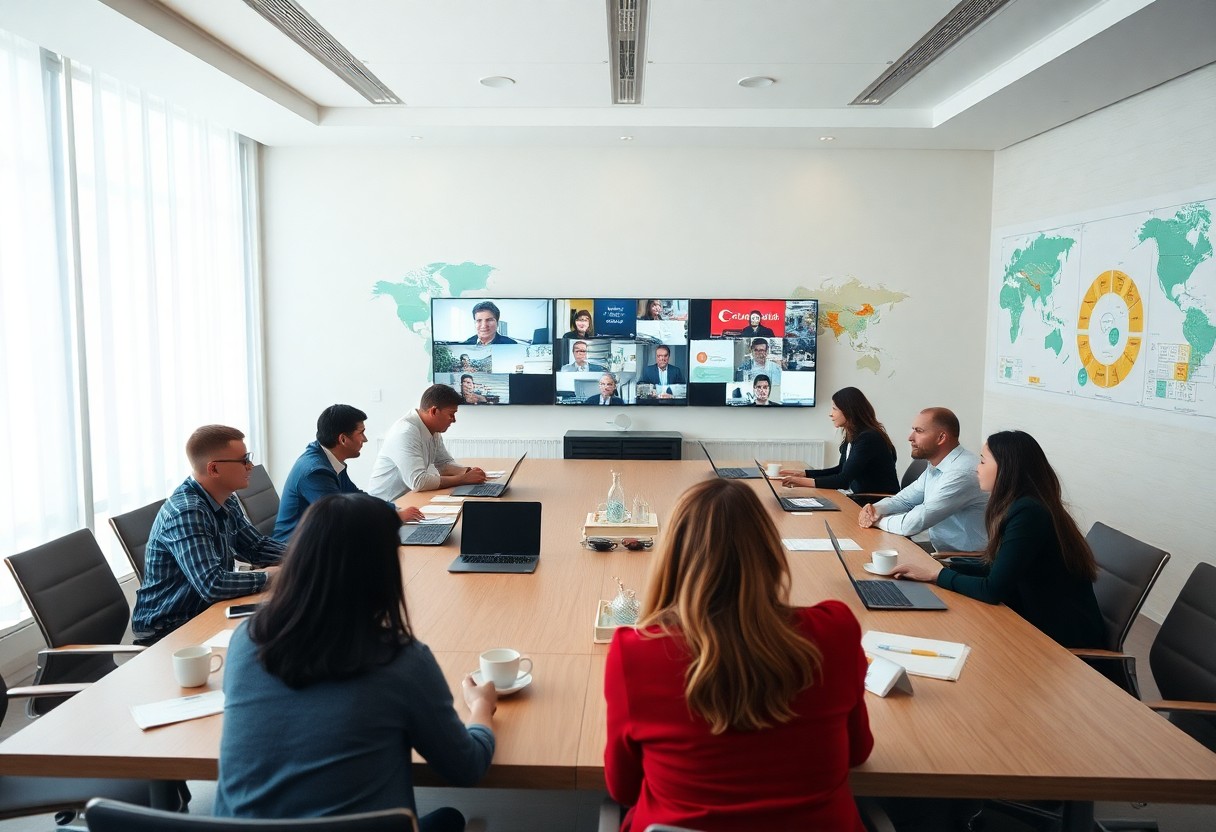
There’s a growing need for effective localisation strategies as businesses expand their reach globally. Running a localisation workshop with remote teams can be a transformative experience, enabling diverse groups to collaborate on adapting products and marketing materials for various cultures and languages. In this blog post, we will explore the key steps to successfully conduct a virtual workshop, including tools, best practices, and strategies to engage participants. Whether you’re new to localisation or looking to refine your process, these insights will help you achieve a more cohesive and culturally relevant global presence.
Crafting the Perfect Agenda for Remote Collaboration
Creating an effective agenda can make or break a localisation workshop. This blueprint should incorporate a variety of engagement strategies, balancing presentation time with interactive elements like breakout sessions. Plans must accommodate different time zones, ensuring all team members can contribute meaningfully. A well-structured schedule not only keeps everyone on track but also fosters collaboration across diverse geographical locations.
Aligning Goals: Setting Clear Workshop Objectives
Establishing clear objectives lays the foundation for meaningful discussions during the workshop. Clearly defined goals guide participants and keep the workshop focused. For instance, setting a specific target, such as improving translation accuracy by 20%, offers a concrete outcome that can be measured post-workshop. By prioritising objectives, teams can more effectively utilise their collective expertise and resources.
Tailoring Content to Diverse Team Needs
When conducting localisation workshops, it’s crucial to address the unique needs of each participant. Diverse teams may come from different cultural backgrounds and have varying levels of expertise in localisation practices. For example, including case studies from multiple regions brings relevance to the training, making the content applicable to various contexts. Engaging visuals, interactive quizzes, and targeted breakout sessions also cater to diverse learning styles, ensuring that all team members can actively participate and derive value from the experience.
Assessing your team’s composition ahead of time can significantly enhance the relevance of your content. Gathering information about current localisation practices, regional challenges, and individual roles can allow you to tailor discussions and materials to those specific needs. For instance, if certain participants are focusing on expanding into non-English-speaking markets, including case studies related to those regions will make your agenda resonate more. Additionally, segments that encourage open dialogue and feedback can empower team members to contribute their unique perspectives, enriching the overall workshop experience.
Engaging Remote Participants: Strategies for Inclusion
Ensuring that remote participants feel included is important for effective collaboration in localisation workshops. To foster engagement, be intentional about implementing strategies that connect team members across different locations. This can encompass ice-breaker activities, encouraging open dialogue through moderated discussions, and assigning roles that empower each participant to contribute uniquely to the workshop goals. Establishing clear communication channels invites everyone to share their insights and keeps enthusiasm high throughout the event.
Utilizing Technology for Real-Time Interaction
Leveraging technology can elevate engagement levels significantly. Platforms that enable video conferencing, real-time chat, and collaborative document editing create a dynamic environment where remote participants can actively share ideas and feedback. Tools like Miro or MURAL offer virtual whiteboards that facilitate brainstorming sessions, while breakout room capabilities on platforms such as Zoom can enhance smaller group discussions, allowing a more intimate exchange of ideas.
Creating a Dynamic Workshop Environment
A vibrant workshop atmosphere can energize discussions and foster creativity. Incorporating varied formats, such as breakout sessions, polls, or interactive Q&A segments maintains participant interest. Additionally, incorporating multimedia elements like videos or infographics can cater to different learning styles and keep the conversation flowing. Feeling encouraged to interact and contribute leads to a more fruitful collaboration while ultimately driving the localisation goals forward. By ensuring that the workshop caters to different preferences and utilizing innovative methods, hosts can continue to foster an inclusive atmosphere where all voices are valued. This dynamic approach not only cultivates a sense of belonging but also enriches the final output through a fusion of diverse perspectives.
Managing Time Zones: Solutions for Scheduling Conflicts
Understanding the challenges posed by different time zones can significantly enhance collaboration across remote teams. Traditional scheduling often leads to frustration, with some team members facing early mornings while others wrap up their workdays. A strategic approach is necessary to maximize participation and efficiency during localisation workshops, ensuring that everyone feels included and valued regardless of their geographical location.
Employing Global Time Management Tools
Utilizing global time management tools can streamline scheduling and minimize confusion. Platforms like World Time Buddy or Time Zone Converter allow teams to visualize overlapping work hours, facilitating real-time discussions. Such tools empower team members to select the most suitable time slots for meetings, ultimately fostering better collaboration and inclusivity.
Flexible Scheduling: The Balance Between Participation and Convenience
Striking a balance between accommodating different schedules and ensuring active participation can often be tricky. Offering multiple meeting times or rotating schedules can increase overall engagement and ensure that all voices are heard. By allowing flexibility, teams can better capture diverse perspectives and insights critical for successful localisation.
Flexibility in scheduling is not solely about accommodating various time zones; it can also enhance team morale and collaboration. For example, establishing a bi-weekly workshop with alternating times helps prevent burnout and fosters inclusivity. Recording sessions for those unable to attend ensures that valuable feedback isn’t lost, while also giving everyone an opportunity to contribute asynchronously. Balancing participation with convenience cultivates a collaborative atmosphere that respects each member’s time and commitments, ultimately leading to a more effective and engaged team.
Fostering Team Dynamics in a Virtual Space
Establishing strong team dynamics in a remote setting can lead to more effective collaboration and improved outcomes during localisation workshops. By prioritising interpersonal connections and creating avenues for participation, teams can engage more meaningfully, overcome barriers of distance, and build a sense of community. Fostering these dynamics is vital for unlocking creativity and encouraging open dialogue, which ultimately leads to better localisation strategies.
Building Rapport Before the Workshop Starts
Initiating informal interactions before the workshop helps in fostering a friendly atmosphere. Consider hosting a casual virtual coffee chat or a team-building game. These early interactions set the stage for collaboration, making participants feel valued and connected before plunging into substantive discussions. Personal anecdotes, shared interests, or simply a light-hearted question about weekend plans can break the ice and establish rapport.
Encouraging Collaborative Work Through Breakout Sessions
Breakout sessions are a fantastic way to foster teamwork by allowing smaller groups to engage deeply with specific topics. Each session should be tailored to encourage brainstorming and creative thinking, enabling participants to share insights from their expertise. Assigning diverse teams ensures a mix of perspectives, which often leads to innovative solutions. For instance, pairing someone with extensive technical knowledge with a creative marketer can surface unique angles on a localisation challenge, enriching the overall outcome of the workshop.
Evaluating Workshop Success: Metrics and Feedback
Evaluating the success of a localisation workshop hinges on both qualitative and quantitative metrics. Participant engagement scores, feedback surveys, and post-workshop performance can illuminate areas of strength and opportunities for growth. Success can also be assessed through team alignment, clarity in project goals, and improved communication regarding localisation strategies. By establishing clear KPIs prior to the workshop, organisers can ensure that outcomes align with overarching objectives, thus enhancing future sessions and refining the localisation process.
Gathering Participant Insights for Continuous Improvement
Collecting participant insights involves soliciting feedback directly through surveys or informal discussions post-workshop. This qualitative data provides valuable context regarding the workshop’s effectiveness, areas that resonated well, and topics that need further exploration. Creating an open environment encourages honest critiques, which can be used to make iterative improvements, ensuring future workshops remain relevant and impactful.
Analyzing Outcomes to Measure Impact on Localisation Efforts
Analyzing outcomes extends beyond immediate feedback; it requires tracking long-term effects on localisation initiatives. By monitoring changes in project timelines, resource allocation, and overall team efficiency following the workshop, organisations can quantify the true impact of their efforts. Additionally, comparing pre- and post-workshop performance metrics can reveal how effectively the workshop achieved its goals, thereby informing strategies for continuous improvement.
For instance, if a localisation workshop focuses on enhancing collaboration across teams, analysing trends in project completion rates and stakeholder satisfaction can provide insights into its effectiveness. If, for instance, project completion rates improve by 30% in the months following the workshop, this indicates a meaningful impact. Observing shifts in communication frequency and quality can also highlight improvements in teamwork and alignments in strategy. Establishing a systematic approach to measure these outcomes fosters accountability and guides future localisation initiatives, shaping a more integrated approach to global communications.
Summing up
Running a localisation workshop with remote teams can enhance collaboration and streamline the translation process. It is imperative to leverage the right tools and foster an environment conducive to open communication, ensuring that all participants understand the project’s goals and cultural nuances. By integrating diverse perspectives, teams can create more accurate and contextually relevant content. With well-defined agendas and clear objectives, remote localisation workshops can significantly contribute to the overall success of global projects, maximizing efficiency and engagement across cultural boundaries.
Q: What are the best practices for preparing a localisation workshop with remote teams?
A: Preparing for a localisation workshop with remote teams involves several key steps. First, establish clear objectives and outcomes you want to achieve during the workshop. Next, choose an appropriate digital platform for collaboration that all team members are familiar with. Share necessary materials beforehand, such as a workshop agenda and any relevant documents, to ensure everyone arrives prepared. Additionally, consider the timing, ensuring it accommodates different time zones. Engage participants by incorporating interactive elements like polls and breakout sessions to enhance collaboration and input during the workshop.
Q: How can I foster effective communication among remote team members during the workshop?
A: Effective communication is vital for a successful localisation workshop. Start by creating a shared document or virtual whiteboard, where team members can contribute ideas in real-time. Introduce icebreaker activities at the beginning to help everyone feel comfortable and engaged. Encourage open discussions and remind participants of the importance of sharing their thoughts, even if they seem minor. Setting ground rules for communication, such as ‘no interrupting’ and inviting everyone to participate, can also help create an inclusive atmosphere. Facilitators should actively monitor the discussion to ensure balanced participation and address any language barriers if present.
Q: What tools and technologies are beneficial for conducting a localisation workshop with remote teams?
A: Various tools can enhance the experience of running a localisation workshop with remote teams. Video conferencing platforms, such as Zoom or Microsoft Teams, are vital for face-to-face interaction and discussions. Collaborative tools like Miro or Google Workspace facilitate real-time collaboration on documents and brainstorming sessions. Additionally, translation management software can help streamline the localisation process and provide accurate context for discussions. Consider using project management tools like Trello or Asana to keep track of tasks and responsibilities established during the workshop. Utilizing these technologies can enhance engagement and productivity, leading to more effective outcomes.