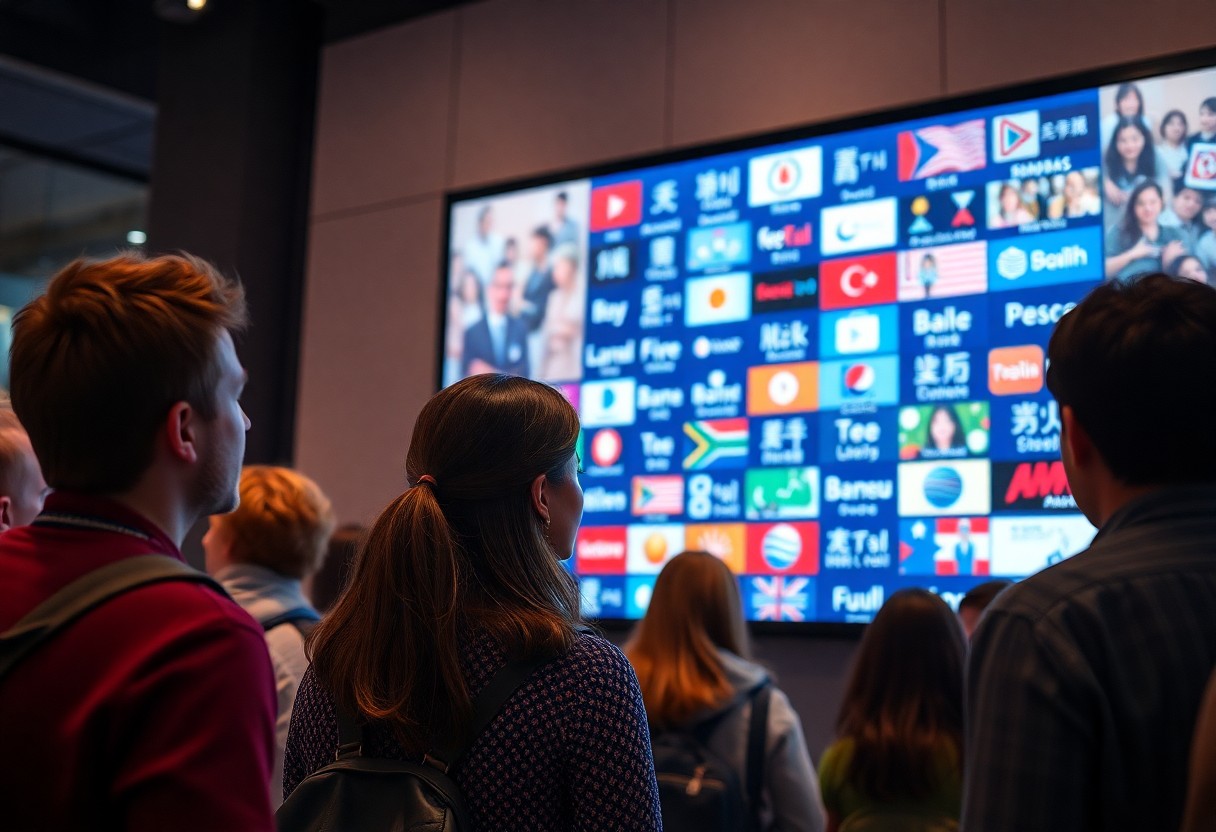
With the increasing global reach of digital media, creating multilingual video content has become crucial for brands aiming to connect with diverse audiences. This post will explore effective strategies to produce engaging videos that resonate across language barriers, ensuring that your message is not only understood but also appreciated by viewers worldwide. By leveraging translation techniques, cultural insights, and audience-specific customization, you can enhance viewer engagement and expand your brand’s influence in international markets.
Understanding Your Target Audience
While creating multilingual video content, understanding your target audience is foundational to your success. Knowing the demographics, preferences, and cultural nuances of the viewers you aim to reach will guide your content creation strategy and ensure your message resonates. An in-depth analysis of your audience’s characteristics will inform not only the languages used in the content but also the style, tone, and visual elements that will engage viewers effectively. This awareness can significantly enhance viewer engagement, encouraging them to interact with your content more profoundly.
Cultural Considerations
Beside language, cultural factors play a pivotal role in how your video content is perceived. Different cultures have unique values, humor, and sensitivities that must be acknowledged to avoid misunderstanding or offense. For instance, some colors, gestures, or even specific topics may carry different meanings across cultures. Therefore, it’s important to conduct thorough research on cultural norms within each audience segment, ensuring that your content respects and aligns with those values. Integrating local customs and traditions into your video can enhance relatability, making your audience feel seen and understood.
Language Demographics
On the other hand, being aware of language demographics is equally important when crafting multilingual video content. Identifying the primary languages spoken by your target audience will help in selecting which languages to use in your videos. This analysis should go beyond simple numbers; understanding the regions where these languages are spoken and how dialects may vary can refine your approach significantly. Additionally, knowing the language proficiency levels among your audience will help tailor content complexity and vocabulary for greater accessibility.
Considering the language demographics of your target audience offers insights that can enhance viewer engagement. By assessing factors such as the prevalence of second languages or local dialects, you can create content that feels more inclusive. For instance, in regions where multiple languages coexist, subtitles or dubbing in the most commonly spoken languages can cater to wider audiences. This approach not only broadens your reach but also cultivates a sense of community among diverse viewers, driving a more significant response to your video content.
Content Planning and Strategy
You should start by establishing a clear roadmap for your multilingual video content project. This includes understanding your target audience for each language, identifying their specific needs and preferences, and mapping out the themes and topics that will resonate across different cultures. Planning the objectives of your multilingual content is crucial to ensure that each video not only conveys the intended message but also aligns with the broader goals of your brand and marketing strategy. Being meticulous in this initial stage will enhance the effectiveness of your content and set the foundation for smoother execution down the line.
Script Development
Among the key elements of creating engaging multilingual video content is the script development process. It is important to craft a compelling script that not only conveys the core message of your video but also considers linguistic nuances and cultural expressions. When writing scripts for various languages, make sure to involve native speakers or professional translators who can help tailor the language to reflect local dialects, tones, and customs. This will not only improve clarity but also increase relatability among your target audience.
Cultural Adaptation
At the heart of effective multilingual content is cultural adaptation. This process extends beyond simple translation; it involves deeply understanding and embracing the behavior, customs, and regional considerations of your diverse audience. Different cultures may interpret messages in variety of ways, so what works in one context may be ineffective or even offensive in another. Taking the time to adapt your content ensures that it resonates well and fosters a connection with viewers, accommodating their cultural contexts and emotional responses.
With thoughtful cultural adaptation, your video content can bridge gaps and cultivate trust among audiences from various backgrounds. It is vital to consider aspects such as humor, symbolism, imagery, and social norms during the adaptation process. By ensuring that your content aligns with cultural expectations and preferences, you not only enhance viewer engagement but also pave the way for a more profound and meaningful connection with your audiences worldwide.
Technical Production Elements
It is vital to consider various technical production elements when creating multilingual video content that resonates with diverse audiences. Every phase of production significantly influences the overall quality and effectiveness of the final product. From the selection of recording equipment to the management of audio quality, these technical elements must be meticulously planned to ensure a polished and professional output. Each choice impacts how the message is communicated across languages and cultures, making it imperative to strike a balance between accessibility and aesthetic appeal.
Recording Equipment Selection
Along with the concept and script, the choice of recording equipment plays a vital role in achieving high-quality video output. High-definition cameras with adjustable settings, lenses for various shooting conditions, and stabilization tools are vital for capturing clear and engaging visuals. Additionally, lighting equipment should be selected based on the shooting environment, ensuring that the lighting is consistent and enhances the overall mood of the video content. Investing in versatile equipment allows for more creativity in production and can simplify the process of adapting content across different languages and cultural contexts.
Audio Quality Management
To produce engaging multilingual video content, audio quality management must be prioritized throughout the production process. Crisp, clear audio lays the foundation for effective communication, allowing viewers to focus on the message without distraction. Utilizing directional microphones can significantly reduce background noise and emphasize the speaker. Post-production tools can also be employed to enhance audio clarity, mix different language versions, and ensure that voiceovers align perfectly with the visuals.
Plus, incorporating professional sound design can elevate the viewer experience, as background music or sound effects can create an emotional connection and reinforce the narrative. It is vital to assess audio levels during recording to avoid distortion and implement sound checks regularly. Additionally, providing subtitles in multiple languages can further improve accessibility and engagement, ensuring that the message reaches a wider audience while maintaining fidelity to the original audio message. Prioritizing audio quality ultimately enhances the impact of your multilingual video content, making it resonate more deeply with varied audiences.
Language Implementation
After determining the importance of multilingual content, it becomes crucial to consider how language implementation will be effectively integrated into your video production process. This involves not only translating the spoken or written elements of your video but also considering how those elements resonate with diverse audiences, respecting cultural nuances and preferences. Language implementation is multifaceted and requires a strategy that balances accuracy with relatability, ensuring that the message of the content is not lost in translation.
Translation vs. Localization
Across different cultures, the way language is perceived and used can vary significantly, and this is where the distinction between translation and localization becomes important. Translation typically refers to the direct conversion of text from one language to another, focusing on the literal meaning of words. Localization, on the other hand, goes beyond this by adapting content to ensure it fits the cultural context of the target audience. This may include modifying visuals, examples, idioms, or other cultural references to enhance resonance and engagement with local viewers.
Subtitle Integration
For many content creators, integrating subtitles into videos is a practical approach for achieving multilingual accessibility. Subtitles can serve not only as a bridge for understanding but also as an engagement tool for international audiences. When implemented effectively, subtitles enhance viewer experience by providing clarity and improving retention, especially for non-native speakers who may struggle with spoken language nuances.
Further optimizing subtitle integration involves attention to timing, readability, and synchronization with the audio. Well-timed subtitles should appear just as the corresponding dialogue is spoken, providing a seamless experience without distracting the viewer. Moreover, using a font that is easy to read and placing subtitles against an appropriate background can substantially improve accessibility, allowing audiences from various linguistic backgrounds to connect with your content more readily.
Visual Design for Global Appeal
Unlike traditional video content that may resonate well with a single demographic, crafting engaging multilingual video content requires a keen focus on visual design elements that can transcend cultural barriers. The integration of effective visual design not only captures the viewer’s attention but also fosters a sense of connection and resonance with audiences across different backgrounds. A well-thought-out visual strategy can make or break a video’s potential to engage a diverse audience, making it imperative to select design elements that promote inclusivity and relatability.
Universal Design Principles
Between striking a balance between universal appeal and localized charm, it becomes crucial to apply foundational design principles that are broadly recognized and appreciated. Elements such as color, typography, and imagery should be selected based on their ability to convey emotions and messages effectively, regardless of cultural interpretations. For example, research indicates that blue often symbolizes trust and reliability across various cultures, making it a suitable choice for brands aiming to communicate these values globally. In addition, employing layouts that guide the viewer’s eye seamlessly through the content can enhance engagement and comprehension, regardless of the viewer’s native language.
Cultural-Specific Visual Elements
An understanding of cultural-specific visual elements is vital for ensuring that video content doesn’t inadvertently offend or alienate viewers from different backgrounds. This requires careful consideration of symbols, colors, and imagery that may have varying meanings across cultures. For instance, while white is often associated with purity in many Western cultures, it may symbolize mourning in some Asian cultures. Therefore, designers must undertake thorough research to ensure that the visuals used in their content resonate positively with the intended audience, without causing misunderstandings or negative impressions.
Designing with cultural-specific visual elements entails digging deeper into the socio-cultural context to make informed choices that reflect local norms and values. This may include collaborating with local artists or cultural consultants to generate insights that enhance the overall aesthetic of the video. Ultimately, successful visual storytelling in multilingual content hinges not only on universal appeal but also on a conscious effort to embrace and respect the unique identities and traditions of diverse viewers, creating an enriching and engaging experience for all.
Distribution and Platform Optimization
Despite the potential reach of multilingual video content, effectively distributing it requires an understanding of platform-specific nuances. Each platform has its own audience preferences and algorithmic criteria that could affect visibility and engagement. For example, YouTube tends to favor longer video content that keeps users engaged in a binge-watching session, while Instagram prioritizes shorter, visually engaging clips that can capture attention quickly. This necessitates not only tailoring your video length and format according to each platform’s characteristics but also ensuring that the content’s language resonantly aligns with user expectations in various regions.
Platform-Specific Requirements
On platforms like Facebook, video captions are often necessary, particularly when targeting users who watch videos without sound. Optimizing for each platform means understanding its unique algorithms, user behaviors, and preferred content styles. For instance, TikTok and Snapchat thrive on ephemeral content, encouraging brands to utilize brief yet impactful visuals to connect with younger audiences. By adjusting the content, style, and posting schedule according to each platform’s trends, you enhance your video’s likelihood of achieving better engagement and reach.
SEO for Multiple Languages
For effective search engine optimization in multiple languages, it is important to tailor your approach to cater to diverse audiences. Ensure that your video titles, descriptions, and tags are translated accurately and incorporate the right keywords that each linguistic group searches for. This means doing extensive keyword research in the target languages, which may differ from the original language of the content. Also, consider localized SEO strategies, such as utilizing geotags or optimizing for region-specific search engines, to attract the largest possible viewer base.
PlatformSpecific factors play a vital role in a comprehensive multilingual SEO strategy. You need to implement hreflang tags in your website’s HTML to indicate language and regional targeting, improving the chances of appearing in relevant search results. Additionally, creating localized landing pages for different languages further supports your video content by providing context and additional resources that enrich the viewer’s experience, ultimately boosting engagement and video discoverability.
Conclusion
Presently, creating engaging multilingual video content requires a thorough understanding of both the linguistic and cultural nuances of your target audience. By incorporating subtitles, voiceovers, and carefully selected visual cues, content creators can ensure that their videos resonate with diverse viewers. Furthermore, it’s necessary to invest in quality translation services and to involve native speakers during the production process, ensuring that language and context are not lost. Such considerations help maintain the integrity of the original message while making it accessible to a broader audience.
Ultimately, the effectiveness of multilingual video content hinges on its ability to connect authentically with viewers. By prioritizing cultural sensitivity and audience preferences, brands can foster greater engagement and loyalty among a diverse demographic. As the digital landscape continues to evolve, embracing these strategies will not only enhance viewer experiences but also drive meaningful conversations across different cultures, establishing a global presence that is both impactful and representative.
FAQ
Q: What are the key considerations when creating multilingual video content?
A: When crafting multilingual video content, several key considerations come into play. First, it’s important to understand your audience’s demographics and cultural nuances, as this helps tailor the content to engage them effectively. Second, ensuring high-quality translation and localization is vital; subtitles and audio should reflect the original intent without losing meaning. Additionally, visuals should be relevant and culturally appropriate, as imagery can vary in significance across different cultures. Finally, testing the content with native speakers before launch can provide valuable feedback on effectiveness and accuracy.
Q: How can I ensure my multilingual video content reaches a wider audience?
A: To maximize reach, leverage social media platforms that cater to your target languages and demographics. Use SEO strategies tailored for multilingual content by incorporating relevant keywords in the target language, optimizing video descriptions, and utilizing tags effectively. Also, consider collaborating with influencers or local brands in the targeted language market; their established audiences can help amplify your message. Lastly, engaging in community groups or forums related to the content’s topic can build a dedicated viewer base in different languages.
Q: What tools and technologies can enhance the process of creating multilingual video content?
A: Several tools and technologies can streamline the creation of multilingual video content. Video editing software such as Adobe Premiere Pro or Final Cut Pro allows for easy subtitle integration and audio adjustments. For translation and localization, platforms like SDL Trados or Memsource facilitate managing multilingual content and ensuring consistency. Automated subtitle generators, such as Rev or Kapwing, can save time, though they should be reviewed for accuracy. Additionally, cloud-based collaboration tools can enable teams across different regions to work together efficiently during the production process.