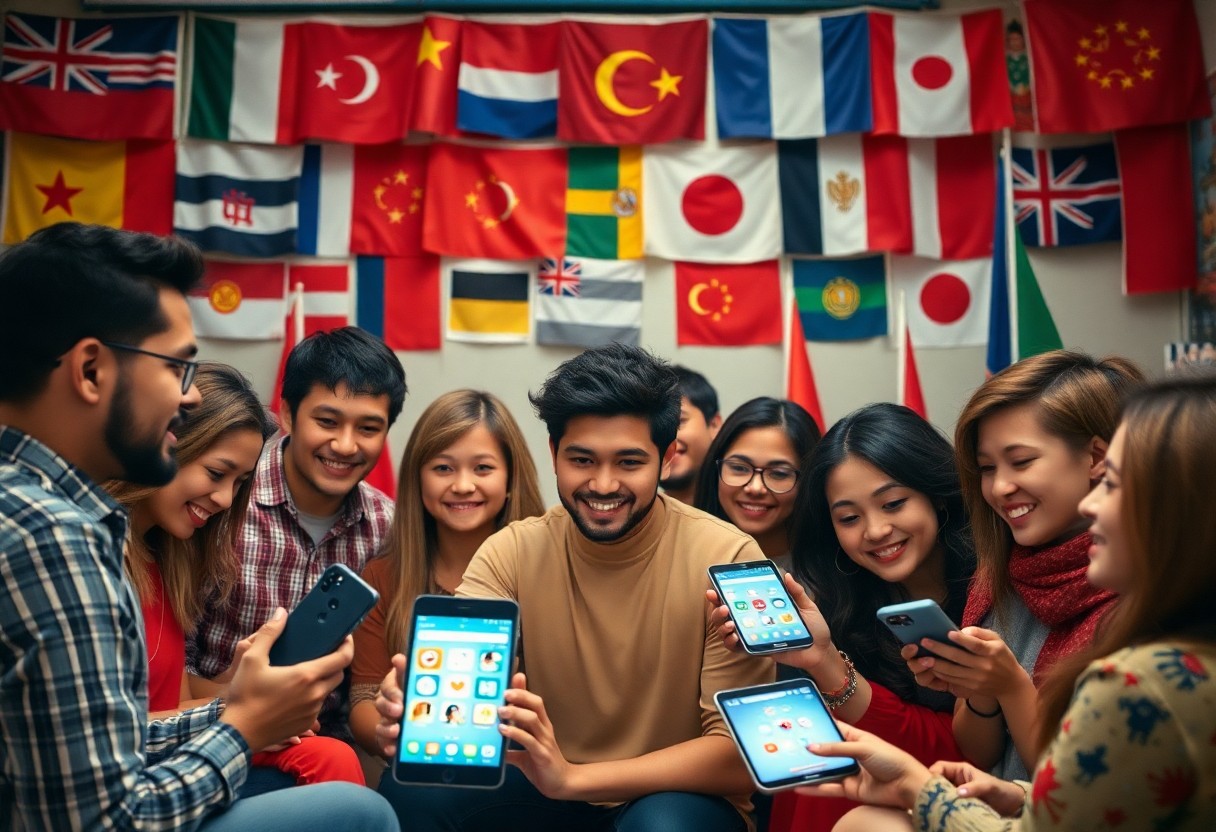
With the globalization of digital platforms, user-generated content (UGC) has emerged as a powerful marketing tool that resonates deeply with diverse audiences. However, to maximize its impact, localization plays a vital role in adapting the content to align with cultural nuances, language preferences, and regional values. By localizing UGC, brands can enhance authenticity, foster engagement, and build trust with consumers, ultimately leading to stronger connections and improved conversion rates. This post investigates into the importance of localizing user-generated content to ensure it reaches its fullest potential across various markets.
Understanding User-Generated Content (UGC)
The landscape of marketing has shifted dramatically with the rise of User-Generated Content (UGC), which encompasses any form of content—such as text, videos, images, and reviews—created by consumers rather than brands. This type of content serves to amplify authentic voices, allowing users to share their experiences and perspectives related to a brand or product. As a result, UGC has become a vital component of many marketing strategies. Understanding the nuances and types of UGC can enhance brand strategies aimed at engaging audiences more effectively.
Definition and Types of UGC
Definition of UGC is comprehensive, encompassing various forms that consumers utilize to express their sentiments towards brands. The typical types of UGC include:
| Type of UGC | Description |
|---|---|
| Reviews | User-generated product or service evaluations. |
| Social Media Posts | Content shared by users across various social platforms. |
| Blog Posts | Long-form content created by enthusiasts discussing brands. |
| Videos | User-created videos showcasing experiences with brands. |
| Images | User-shared photos related to products or services. |
Any brand looking to leverage UGC can tap into these different types to enrich their marketing narratives. By encouraging customers to share their stories and experiences, brands not only expand their reach but also create a community that fosters loyalty.
Impact on Digital Marketing and Brand Engagement
Around the globe, businesses are recognizing the profound impact of User-Generated Content on digital marketing. This content not only enhances credibility by presenting real-life examples of product usage but also fosters community engagement. When potential customers see their peers utilizing a product, the perceived value increases, leading to higher conversion rates. Moreover, UGC can serve as a rich source of data for brands to understand consumer preferences and trends, allowing for more tailored marketing strategies.
Engagement driven by User-Generated Content has the power to transform marketing efforts. Brands that effectively utilize UGC often find increased interactions across their marketing channels, as users feel valued and acknowledged for their contributions. This not only builds trust but also creates a sense of belonging among consumers, resulting in enhanced brand loyalty and advocacy. The authentic experience shared by users serves to reinforce brand messaging and significantly influences the purchasing decisions made by new customers.
The Business Case for UGC Localization
Market Expansion and Global Reach
Between the ever-evolving landscapes of digital commerce and social media, businesses no longer operate within confined geographical boundaries. The demand for products and services is growing across international markets, and user-generated content (UGC) serves as an authentic medium that resonates with diverse audiences. By tailoring UGC to fit the cultural and linguistic nuances of local consumers, brands can enhance their presence in new markets, helping them to connect in a more meaningful way. This targeted approach allows companies to not only build their reputation globally but also ensures their messaging is relevant and engaging for specific demographics.
Localization of UGC can also encourage community engagement and participation, further boosting visibility and reach. When consumers see content that reflects their language and culture, they are more likely to share it within their networks, amplifying the brand’s message. As the digital world becomes increasingly interconnected, investing in UGC localization can help businesses capitalize on opportunities for growth, translating into increased sales and long-lasting customer relationships in diverse markets.
Cultural Relevance and Consumer Trust
Consumer behavior is heavily influenced by cultural factors, and brands that acknowledge these differences stand to gain a crucial competitive edge. When user-generated content is localized, it enhances cultural relevance, which directly impacts consumer trust. Shoppers are more inclined to engage with brands that they feel understand their values, beliefs, and preferences. UGC that reflects local experiences and perspectives fosters a deeper connection, ultimately driving loyalty and positive brand sentiment.
This connection is often emphasized through relatable narratives, humor, and visuals that resonate within the cultural context of the target audience. Companies that effectively localize UGC can leverage genuine testimonials and endorsements that reflect local lifestyles, making it easier for consumers to trust the brand. By reinforcing cultural relevance, brands not only strengthen the consumer-merchant relationship, but they also encourage organic word-of-mouth, which remains one of the most effective forms of marketing in today’s global marketplace.
Challenges in UGC Localization
While user-generated content (UGC) offers an invaluable reservoir of insights, creativity, and authenticity, the localization of this content introduces a myriad of challenges. Each piece of UGC comes with its own set of nuances depending on who created it, where they are from, and how they intend it to be received. As businesses seek to harness the power of UGC across various global markets, understanding and navigating these complexities becomes imperative to ensure that the content resonates with local audiences. The multitude of languages, dialects, and cultural references not only complicates translation efforts but also makes it crucial to discern and adapt meanings appropriately.
Volume and Scale Management
By the nature of its origin, UGC is abundant and often spontaneous. This vast volume presents significant challenges in managing and localizing content efficiently. Companies must develop streamlined processes to sort, evaluate, and adapt content in real-time due to the continuous influx of user submissions. The complexity escalates further when considering the need for localization across multiple markets at once; businesses must balance the demands of speed with the necessity of quality, ensuring that localized content maintains the intended voice and message of the original submission. Additionally, as UGC is created in various formats—ranging from text and images to videos—each form may require distinct localization strategies, complicating the overall management process.
Cultural Nuances and Context
For effective localization, businesses must grasp not only the language but also the cultural nuances embedded within the content. The subtleties of humor, jargon, and social references can vary widely from one culture to another, and failing to appreciate these differences can lead to misunderstandings or, worse, alienation of the target audience. It is crucial that localization efforts account for local customs and traditions to ensure that the content is culturally relevant and resonates with the audience. Moreover, the context in which certain phrases or content are used may carry significance that goes beyond literal translation, requiring localization teams to think critically about how to preserve the essence and intent of the original UGC.
Context is everything in localization. It serves to guide translators and localizers on how to interpret idioms, slang, and references that may not carry the same meaning in other cultures. Understanding local contexts helps in avoiding misinterpretations that could mislead audiences or cause offense. For instance, what is considered funny or relatable in one culture might be taken differently in another, reinforcing the need for a targeted approach that respects local values and sentiments.
Technical Constraints
The localization process is further hindered by various technical constraints that can impede the seamless adaptation of UGC. These constraints can include issues related to the platforms where UGC is hosted, limitations in formatting for different languages, and the need for specialized software for effective management of multilingual content. Adapting UGC for different formats also requires a comprehensive understanding of technical specifications, ensuring that content appears correctly regardless of the language or device used to access it. Overall, a robust technical framework becomes paramount in facilitating efficient localization processes.
Localization strategies must be agile enough to accommodate different content types while ensuring compatibility with various digital formats. With the rapid evolution of technology, keeping up with these constraints necessitates ongoing training and investment in tools that support dynamic content localization. As the landscape of UGC continues to grow, addressing these technical challenges becomes crucial in delivering localized content that meets audience expectations and sustains engagement.
Best Practices for UGC Localization
Now that we understand the importance of user-generated content (UGC) localization, it’s important to explore best practices to ensure effective implementation. By applying tailored strategies for localization, brands can maximize the impact of their UGC, making it resonate more deeply with diverse audiences. This involves focusing on key elements from content selection to integration with technology systems, ultimately enhancing the user experience across various markets.
Content Selection and Prioritization
After considering the diverse nature of UGC, brands should establish a robust framework for content selection and prioritization. Not all content will have the same resonance in different markets, and identifying which pieces to localize first can greatly influence engagement levels. Factors such as cultural relevancy, target audience insights, and regional preferences should drive these decisions, helping marketers to allocate resources effectively. For example, video testimonials may perform better in visually-driven cultures, while written reviews might see higher engagement in more text-centric areas.
Technology Integration and Automation
Any efficient UGC localization strategy should leverage technology integration and automation. By utilizing content management systems, translation memory tools, and AI-driven localization platforms, brands can streamline the localization process while reducing time and costs. This not only ensures consistency in brand voice across regions but also enhances responsiveness to market demands. Investing in technology can lead to a more scalable approach, enabling brands to manage large volumes of UGC across multiple languages effectively.
To ensure a smoother workflow, companies might consider employing a combination of tools that facilitate collaboration among global teams. Automating repetitive tasks such as translation and content curation allows localization specialists to focus on aspects that require human creativity and cultural understanding. Integrating APIs for real-time updates from social media platforms can also enhance the timeliness of localized content, ensuring that marketing efforts align with current trends.
Quality Assurance Processes
Quality assurance processes are an integral part of UGC localization, as they ensure that localized content meets both linguistic and cultural standards. A robust QA framework can help identify issues in translation, context adaptation, and overall brand alignment. The goal is to deliver UGC that not only sounds right but also feels right to the target audience. Incorporating native speakers and cultural experts into the review process can significantly improve the quality of the output, as they can provide insights that external reviewers may overlook.
Another vital aspect of quality assurance is establishing continuous feedback loops. Brands should regularly monitor user interactions with localized content, gathering insights to refine future localization efforts. This approach not only helps in maintaining high standards, but it also builds a better understanding of the audience’s evolving preferences. Through effective QA processes, marketers can ensure that their UGC resonates authentically with localized audiences, enhancing brand loyalty and engagement.
Measuring Localized UGC Success
Not measuring the success of localized user-generated content (UGC) can lead to missed opportunities for brands looking to connect with diverse audiences. Understanding the effectiveness of localized UGC helps organizations refine their marketing strategies and create campaigns that resonate more deeply with specific cultural contexts. By employing robust metrics, brands can gain insights into the performance of their localized content and make informed decisions that enhance customer engagement across various regions.
Key Performance Indicators
For brands looking to assess the impact of localized UGC, establishing clear Key Performance Indicators (KPIs) is important. These KPIs might include engagement metrics such as likes, shares, comments, and overall reach, which indicate how well the content resonates with the target audience. Additionally, conversion rates, click-through rates, and user retention can provide valuable insights into the effectiveness of localized campaigns, helping brands identify which types of content drive the best results in specific regions.
ROI Assessment Methods
Performance assessment of localized UGC goes beyond traditional metrics. To evaluate the return on investment (ROI), brands should incorporate both quantitative and qualitative measures. This could involve comparing the cost of producing localized content against the revenue generated through new customers and increased sales in specific markets. Moreover, analyzing customer feedback and sentiment can provide deeper context around the effectiveness of UGC, helping brands to understand the emotional resonance of their campaigns and whether they align with local values and expectations.
And while evaluating ROI, it is beneficial to implement a holistic approach that encompasses both immediate financial gains and long-term brand loyalty. This may involve utilizing advanced analytics tools that track customer journeys, allowing brands to see how localized UGC influences consumer behavior over time. By combining these insights with social listening strategies, organizations can gather valuable data that drives future content creation and marketing initiatives, ensuring ongoing relevance in diverse markets.
Future Trends in UGC Localization
Your understanding of user-generated content (UGC) localization is increasingly becoming imperative in a global digital landscape. As markets expand and audiences diversify, the demand for localized UGC will continue to grow. This evolution is not simply about direct translations; it involves a nuanced adaptation of content that reflects local cultures, customs, and languages. The coming years are likely to see organizations embracing innovative technologies and strategies to enhance their localization efforts, thereby improving user engagement and brand loyalty across various regions.
AI and Machine Learning Applications
On the horizon of UGC localization, artificial intelligence (AI) and machine learning are set to play transformative roles. These technologies offer the ability to analyze vast amounts of user-generated content quickly and accurately, facilitating faster localization processes. AI can identify trends in user interactions and preferences, allowing brands to customize UGC to specific demographics. With advancements in natural language processing, the capability for real-time translation and contextual understanding will enhance the overall quality and effectiveness of localized content.
Emerging Platform Requirements
One significant trend is the increasing requirement for platforms to support robust localization features. As users engage with multiple digital channels—social media, mobile apps, and content-sharing platforms—companies must ensure seamless UGC integration that resonates with regional audiences. This adaptation involves more than language; it requires configuring content delivery systems to handle local sensitivities, regulatory compliance, and diverse user preferences. Furthermore, companies will need to invest in flexible frameworks that accommodate dynamic, localized content that evolves with market trends.
For instance, platforms may need to implement features enabling cultural tagging, which categorizes content based on cultural relevance or sensitivity. This tagging can facilitate more tailored content recommendations, ensuring that users receive UGC that reflects their cultural context. Moreover, enhanced user feedback mechanisms may become standard, allowing brands to gather insights into how localized content is perceived and how it could be further refined to meet evolving user expectations.
Summing up
The effectiveness of user-generated content (UGC) is significantly enhanced through localization, as it addresses the diverse cultural, linguistic, and contextual needs of global audiences. By tailoring content to resonate with specific demographics, brands can foster a stronger emotional connection with users, leading to increased engagement and loyalty. This personalized approach not only improves the relevance of messages but also ensures that the content aligns with local customs, traditions, and social norms, enhancing its overall impact.
Moreover, localized user-generated content can play a vital role in driving brand authenticity and trust. Consumers are more likely to engage with content that reflects their realities and experiences. As a result, businesses that prioritize localization in UGC not only adapt to the competitive global landscape but also harness the full potential of their audience’s creativity and insights. Embracing this strategy is crucial for brands wishing to thrive in an increasingly interconnected marketplace.
FAQ
Q: Why is user-generated content (UGC) important for global brands?
A: User-generated content is vital for global brands because it enhances authenticity and relatability. When customers share their experiences, reviews, or photos, it creates a more organic representation of a product. This content resonates with other consumers, building trust and credibility. However, for brands operating in multiple countries, this content often requires localization to connect effectively with diverse audiences, ensuring that the message aligns with local cultures and sensibilities.
Q: How does localization impact the engagement of UGC across different regions?
A: Localization can significantly boost the engagement of user-generated content by making it culturally relevant and more relatable to local audiences. When UGC is tailored to reflect local languages, customs, and preferences, it resonates better with users in that region. This personalized connection can lead to increased interaction, sharing, and overall participation from the audience, making it more likely for the content to go viral within that community.
Q: What are some challenges brands face when localizing user-generated content?
A: One major challenge brands encounter when localizing user-generated content is ensuring accuracy and maintaining the original intent of the content. This can involve translating text while considering local idiomatic expressions, cultural references, and tonality. Additionally, brands need to navigate potential variations in consumer behavior and preferences across different regions. Balancing authenticity while conforming to local sensibilities can be a complex task that requires comprehensive strategies and understanding of local markets.