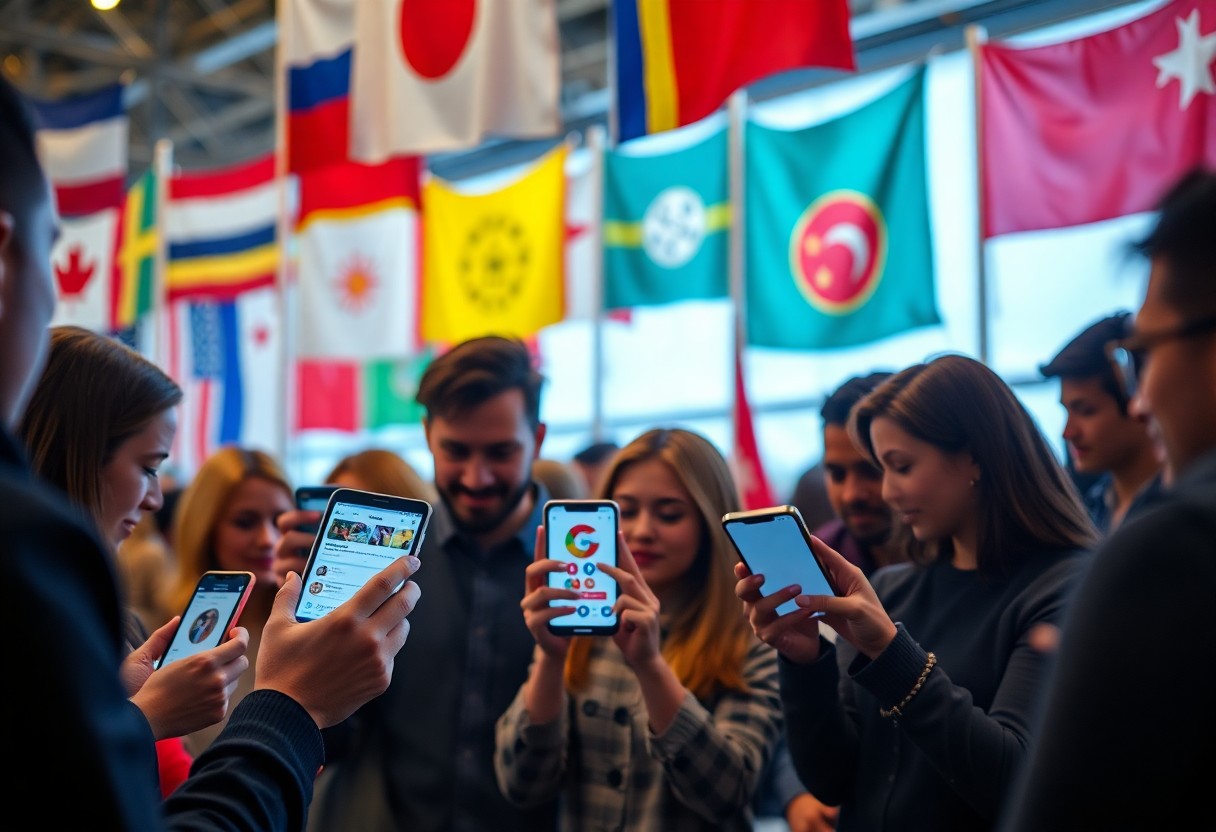
It’s important to recognize the power of multilingual social media campaigns in today’s increasingly diverse digital landscape. By adapting your messaging to resonate with various cultural backgrounds, you can significantly enhance user engagement and foster a deeper connection with your audience. In this post, I’ll explore effective strategies for implementing multilingual campaigns, emphasizing how you can tailor your content to meet the unique needs of different linguistic groups. Join me as we research into the benefits and techniques that can lead to more inclusive and impactful social media experiences for your followers.
Understanding User Engagement
Definition of User Engagement
The concept of user engagement refers to the interactions and emotional connections users have with a brand across various platforms. These interactions can include likes, shares, comments, and any other actions that signify a user’s interest and investment in your content. By fostering these connections, you can promote a sense of community and loyalty among your audience.
Importance of User Engagement in Marketing
Behind every successful marketing strategy lies a firm understanding of user engagement. Engaging your audience effectively can lead to increased brand awareness, higher conversion rates, and improved customer retention. When users are actively involved, they are more likely to advocate for your brand and help sustain its growth.
Engagement is not just about tracking likes or shares; it’s about building relationships with your audience that lead to meaningful exchanges. Personal connections translate to brand loyalty, which ultimately drives sales. As you dive deeper into your marketing efforts, ask yourself how you can create a more engaging experience that resonates with your audience’s values and interests.
Metrics for Measuring Engagement
Engagement metrics are crucial for understanding how your audience is interacting with your content. These can include likes, shares, comments, click-through rates, and more. Measuring these metrics helps you gain valuable insights into what’s resonating with your audience and what areas need improvement.
Plus, by tracking these metrics consistently, you can better assess the effectiveness of your multilingual social media campaigns. Engagement metrics not only help you refine your content strategy, but they also provide you with relevant data that can influence future marketing decisions, ensuring you’re always aligned with your audience’s preferences.
The Role of Multilingualism in Social Media
While social media serves as a powerful platform for brands to connect with audiences globally, the importance of multilingualism cannot be overlooked. It allows businesses to communicate effectively, cater to diverse audiences, and foster authentic engagement by speaking to users in their native languages.
Defining Multilingualism in Social Contexts
Between cultures, multilingualism encompasses the ability to use multiple languages for communication, often reflecting the diverse linguistic tapestry within societies. In social contexts, it goes beyond language knowledge to include skills in adapting messages based on cultural nuances, thereby enhancing interaction and understanding.
Benefits of Multilingual Communication
Across various platforms, multilingual communication can expand your reach and deepen your impact. By addressing audiences in their preferred languages, you foster trust and promote inclusivity, which can lead to higher engagement rates and improved customer loyalty.
Media studies have shown that consumers are more likely to engage with content in their native language. For example, brands that utilize multilingualism in their campaigns often report a higher return on investment. Additionally, research highlights that multilingual brands can experience up to 30% growth in user engagement, significantly increasing their audience base and potential revenue.
Case Studies of Successful Multilingual Campaigns
Media success stories illustrate the effectiveness of multilingual campaigns in engaging a broader audience. By analyzing these cases, I understand the tangible benefits of incorporating multiple languages into digital marketing strategies.
- Coca-Cola: Their “Share a Coke” campaign generated over 500,000 social media impressions by localizing marketing materials in 50 different languages.
- Airbnb: Localization efforts in 30 languages led to a 24% increase in bookings from non-English speaking markets over a single year.
- Netflix: By offering subtitles and dubbing in 40 languages, they captured 50 million new subscribers in non-English speaking territories.
- Dell: Their multilingual support resulted in a 20% increase in customer inquiries and a 15% rise in customer satisfaction ratings.
Multilingual campaigns have proven to be a game-changer for many organizations. By implementing these strategies, they’ve not only increased engagement but also established long-term relationships with diverse audiences, allowing them to thrive in global markets.
Strategies for Developing Multilingual Social Media Campaigns
Your journey toward an effective multilingual social media campaign begins with a solid understanding of your target audiences. Identifying who you want to reach is paramount. I recommend using demographic insights, language preferences, and cultural contexts to define your audience segments. Understanding their behaviors and preferences will inform your messaging and overall approach, making your campaigns more effective in engaging a diverse range of users.
Identifying Target Audiences
Any successful campaign starts with knowing who you’re talking to. By conducting research into different demographics, I find it’s beneficial to analyze their language use, cultural nuances, and even social media habits. This insight allows you to tailor your messages, ensuring they resonate with each specific group.
Tailoring Content for Cultural Relevance
An effective multilingual campaign is not just about translating words; it’s about cultural relevance. I emphasize the importance of presenting your content in a way that resonates with each culture. This means adjusting your tone, references, and even visuals to align with the traditions and values of each audience. By doing so, you eliminate potential misunderstandings and build a stronger connection with your followers.
Another aspect of tailoring content is understanding local idioms and sensitivities. I always recommend collaborating with native speakers or cultural advisors to ensure that the language and imagery used do not offend or alienate any group. This level of attention to detail can significantly enhance your campaign’s reception and overall success in engaging your audience.
Selecting Appropriate Social Media Platforms
Content should also dictate the choice of social media platforms. There’s a distinct difference in user demographics and engagement levels on platforms like Facebook, Instagram, and TikTok. I suggest analyzing where your target audiences are most active and tailoring your content accordingly to engage them effectively.
Selecting the right social media platform is crucial for maximizing your campaign’s effectiveness. I often recommend running tests across multiple platforms to gauge where your message resonates best. Consulting platform analytics can provide insight into your audience’s preferences and habits, allowing you to focus your resources where they’ll be most impactful.
Tools and Technologies for Multilingual Campaigns
Despite the challenges you may encounter while executing multilingual social media campaigns, a variety of tools and technologies can streamline the process. By leveraging these resources, you can enhance user engagement and ensure your campaigns resonate with diverse audiences.
Translation Tools and Services
Tools like Google Translate, DeepL, and professional translation services can help you effectively translate content into multiple languages. Relying on accurate translations will ensure your messaging maintains integrity and captures the nuances of local dialects.
Social Media Management Platforms
Below, I explore a range of social media management platforms that cater to multilingual campaigns, such as Hootsuite and Buffer. These platforms allow you to schedule, publish, and monitor posts across various languages, providing comprehensive solutions for your needs.
Due to their user-friendly interfaces and multi-language capabilities, these platforms simplify the management of your multilingual campaign. You’ll be able to set up different language profiles for specific regions, target audience segmentation, and even schedule posts at the optimal times for each audience to maximize engagement.
Analytics Tools for Performance Tracking
At the core of any successful campaign, analytics tools are imperative for monitoring performance. Tools like Google Analytics and social media insights help you measure the effectiveness of your multilingual efforts and provide invaluable feedback for future campaigns.
Hence, employing these analytics tools allows you to track vital metrics such as audience engagement, click-through rates, and demographic information. By analyzing this data, you can refine your strategies and ensure that your multilingual campaigns continue to resonate with audiences on a global scale.
Challenges in Multilingual Social Media Campaigns
Now, as brands venture into multilingual social media campaigns, they inevitably encounter a set of challenges. Addressing these issues effectively is key to maximizing engagement and ensuring your message resonates across different linguistic and cultural landscapes. Let’s explore these challenges further.
Navigating Language Nuances
Navigating language nuances demands a deep understanding of not just the words but also the meanings they convey in different contexts. Words may hold varying connotations that can alter your message’s impact. You need to ensure your translations are both accurate and culturally relevant.
Managing Cultural Sensitivities
Beside language, managing cultural sensitivities is vital for successful engagement. Cultural differences can greatly influence how your content is perceived. Your audience may have distinct values, beliefs, and humor that need to be respected and understood to avoid miscommunication.
For instance, a campaign that may seem innocent or entertaining in one culture could be offensive in another. It’s crucial to invest time in researching cultural backgrounds and sensitivities. By doing so, you increase the likelihood of your campaign resonating positively with your diverse audience, enhancing overall engagement.
Overcoming Resource Constraints
The challenge of overcoming resource constraints often hinders the effectiveness of multilingual campaigns. Developing content in multiple languages requires more time, budget, and skilled personnel than a single-language campaign does. You need to strategize your resources wisely to sustain an impactful presence across various platforms.
In fact, many brands find themselves stretched thin, trying to juggle translation, cultural adaptation, and consistent messaging. By prioritizing your targets and utilizing technology to streamline processes, you can efficiently allocate your resources and maintain a coherent strategy without sacrificing quality.
Best Practices for Enhancing User Engagement
Many businesses are looking for effective ways to boost user engagement, especially in multilingual contexts. By following best practices, you can create campaigns that resonate with diverse audiences and facilitate meaningful interactions.
Creating Interactive Content
Among the most effective strategies I’ve embraced is the creation of interactive content. Polls, quizzes, and interactive videos not only captivate your audience but also encourage them to participate and share their opinions, fostering a sense of involvement.
Utilizing User-Generated Content
About tapping into user-generated content, I find this practice incredibly powerful. It allows you to showcase your audience’s creativity and engage them in a way that feels personal and authentic, enhancing their connection to your brand.
At the heart of user-generated content lies the genuine voice of your customers. When you share their stories, photos, or reviews, you not only validate their experiences but also strengthen your community. This approach demonstrates that you value your audience, making them more likely to engage with your brand consistently.
Building Community through Engagement
Behind every successful brand is a vibrant community of engaged users. By fostering dialogue and encouraging interaction, you create a space where your audience feels valued and heard, enriching their overall experience with your brand.
User engagement thrives in environments that prioritize community-building. I focus on responding to comments, hosting virtual meetups, and creating forums for discussions, which transforms passive followers into active participants. When you cultivate a sense of belonging, your audience is more likely to share content, refer friends, and remain loyal to your brand.
Future Trends in Multilingual Social Media Engagement
Not only are multilingual social media campaigns becoming vital for effective communication, they are also evolving with emerging technologies and content preferences. In this chapter, I will explore some significant trends that will likely shape the future of user engagement.
The Rise of AI and Machine Learning
Social media platforms are increasingly leveraging AI and machine learning to enhance user engagement in multilingual settings. These technologies can analyze user preferences and behaviors, tailoring content to diverse audiences more efficiently than ever before. As I consider future campaigns, I realize that embracing these innovations will be vital for maximizing outreach and personalization.
Growing Importance of Video and Visual Content
Media consumption trends indicate that visual content, especially video, plays an integral role in engagement strategies. With shorter attention spans and the surge of platforms like TikTok, it’s evident that I must prioritize visually appealing and relatable content. This shift toward dynamic storytelling in various languages can significantly enhance interaction across different cultures.
Even though traditional text-based content still holds value, I’ve noticed that visual cues and video formats often convey messages more effectively. As I aim to deepen user connections, I will focus on creating diverse and engaging visuals that resonate with different cultural contexts. This means integrating culturally specific imagery and using subtitles to make my videos accessible for everyone, elevating the overall user experience.
Predictions for Global Market Trends
Between shifting demographics and the rise of digital natives, the future of multilingual social media engagement looks set to grow significantly. As more brands expand their reach globally, you will likely see an increase in localized content aimed at diverse audiences. This trend emphasizes the necessity of understanding cultural nuances in your approach.
In fact, I anticipate that the demand for multilingual content will lead to more investment in translation services and AI-driven localization tools. As a result, you can expect brands to create not just translations but culturally adapted messages that truly resonate. This approach will become vital as consumer behaviors evolve in different countries, influencing brands to tailor their social media strategies locally as they continue to grow across international markets.
Conclusion
From above, it’s clear that enhancing user engagement through multilingual social media campaigns can significantly broaden your audience reach and improve interactions. By tailoring your message to resonate with diverse linguistic groups, you not only show respect for their culture but also foster a deeper connection. I encourage you to leverage these strategies to create more inclusive content that speaks directly to your audience’s unique needs. Invest the time to understand your followers, and you will see the impact on both engagement levels and brand loyalty.
FAQ
Q: Why are multilingual social media campaigns important for user engagement?
A: Multilingual social media campaigns are important because they allow brands to connect with a diverse audience. By communicating in the native languages of users, brands can create more personalized and relatable content, which leads to higher engagement rates. Engaging users in their preferred language fosters a sense of belonging and encourages more interaction with the brand.
Q: How can brands effectively implement multilingual social media campaigns?
A: Brands can effectively implement multilingual campaigns by first conducting thorough research to understand the languages spoken by their target audience. Next, they should create tailored content that resonates with local cultures and preferences, employing native speakers for translations when possible. Additionally, brands should utilize social media analytics to monitor engagement levels across different languages and adjust their strategies accordingly.
Q: What are some common challenges associated with multilingual social media campaigns?
A: Common challenges include ensuring accurate translations, managing content consistency across languages, and understanding regional cultural nuances. Additionally, allocating resources effectively for different language markets and maintaining a balance between global brand identity and local relevance can be complex. Overcoming these hurdles requires careful planning and collaboration with local experts.
Q: What metrics can be used to measure the success of multilingual social media campaigns?
A: Success can be measured using various metrics, including engagement rates (likes, shares, comments), follower growth in different language segments, website traffic from social media channels, and conversion rates for localized promotions. Additionally, sentiment analysis can provide insights into how audiences perceive brand messaging in their native languages.
Q: Can user-generated content enhance multilingual social media campaigns?
A: Yes, user-generated content can significantly enhance multilingual campaigns. When users share their experiences in their native language, it not only adds authenticity to the brand but also encourages community building. Brands can promote user-generated content by creating hashtag campaigns or contests that encourage users to showcase their stories, which can lead to increased visibility and engagement across different language markets.